Specializing in the development of various pumps, water t...

Inspection and Precautions for Installing Stainless Steel Water Tanks
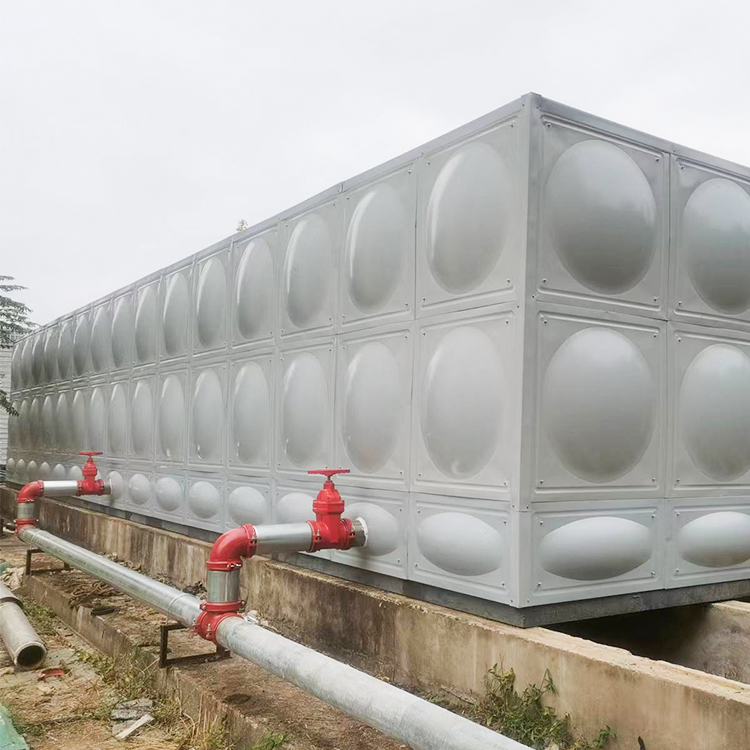
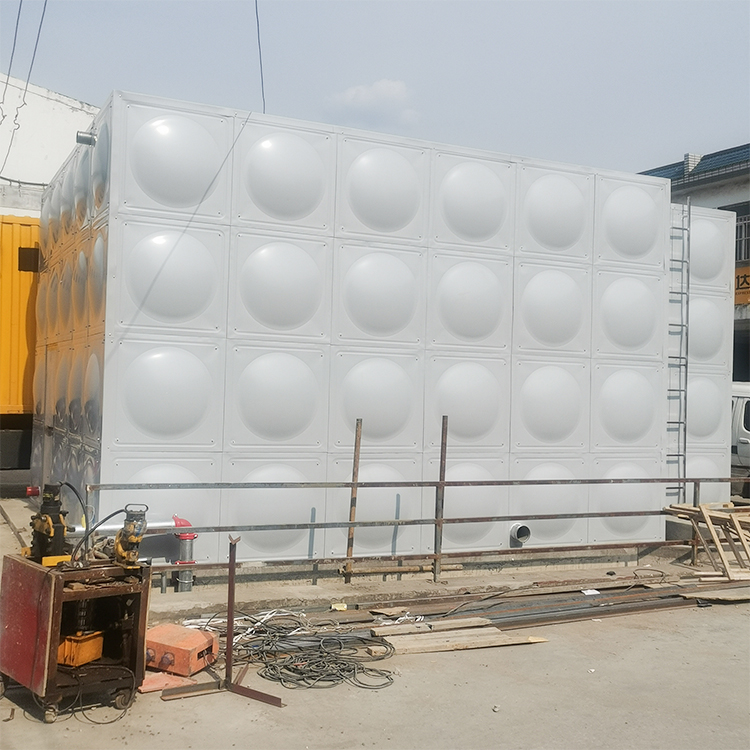
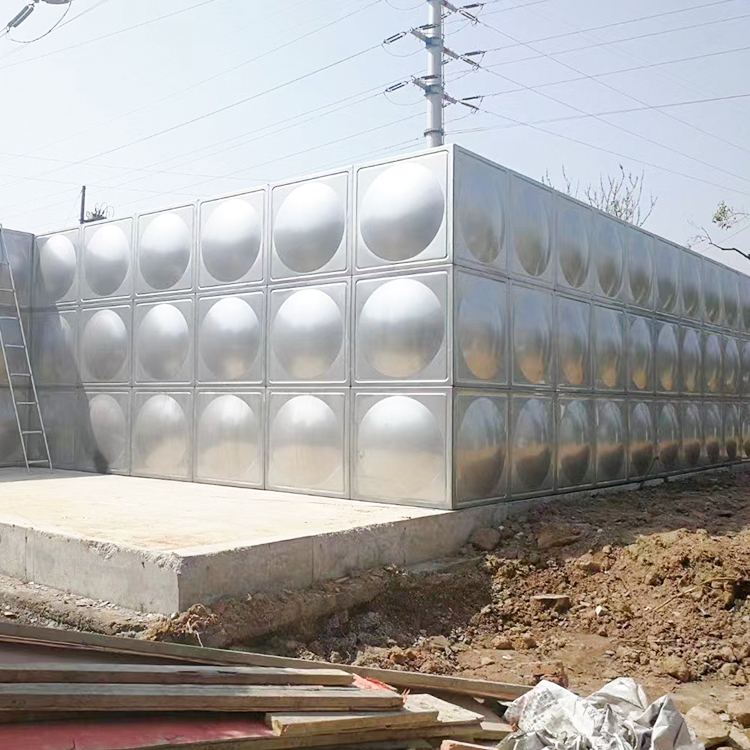
The stainless steel water tanks are suitable for institutions, hotels, scientific research teaching buildings, food, sanitation, and electronic industries with high water quality requirements. Made of all stainless steel plates, they are aesthetically pleasing, economical, and have a solid main body. They offer advantages such as lightweight, high strength, corrosion resistance, clean water quality, waterproofing, seismic resistance, moss-free, easy installation, no maintenance, and convenient cleaning.
Do not apply excessive loads to the pipe inlets and outlets when using, cleaning, or maintaining stainless steel fire water tanks. Do not directly place the weight of valves and large-diameter pipes on the tank's outlet; install pipe supports instead. The expansion, contraction, and vibration of welded pipes should be accommodated with flexible expansion joints.
1. Prepare the inlets and outlets for the stainless steel water tank. The placement is determined by the designer or the user. There should be passageways around the equipment. There should be a gap between the bottom and top of the tank. During installation, the connection seam between the bottom of the tank and the standard base block should be positioned on the bracket.
2. Verify the type and dimensions of the equipment support in accordance with the design drawings, and carefully adjust the horizontal plane of the support.
3. According to the pre-designed equipment layout, assemble the container chassis and place it on the installed level support.
4. Assemble the bottom, side wall, and top panels according to the drawing scale, inspect each one individually, including both inside and out, to ensure there are no leakage issues.
5. Adjust the assembled stainless steel fire water tank according to the assembly procedures. Inspect the appearance dimensions, inlets and outlets, overflow, vent, manhole, and ladder to ensure they meet design or operational requirements.
6. After installation, clean up debris and stains inside and outside the equipment, ensuring the cleanliness of the internal and external components as well as the installation site.
7. Water Filling Test: After the stainless steel firewater tank is installed, close the outlet and drain valves, open the inlet pipe, and check while letting water flow. No leakage is deemed qualified after observing for 12 to 24 hours. In case of leakage, re-weld and beautify, then conduct the test again until no leakage is detected.


b2b.china9.net © Zhongshang 114 Hebei Network Technology Co., Ltd.Address: Room 6009, Oriental New World Center, No.118 East Zhongshan Road, Qiaoxi District, Shijiazhuang City, Hebei ProvincePlatform Service Hotline: 4006299930