
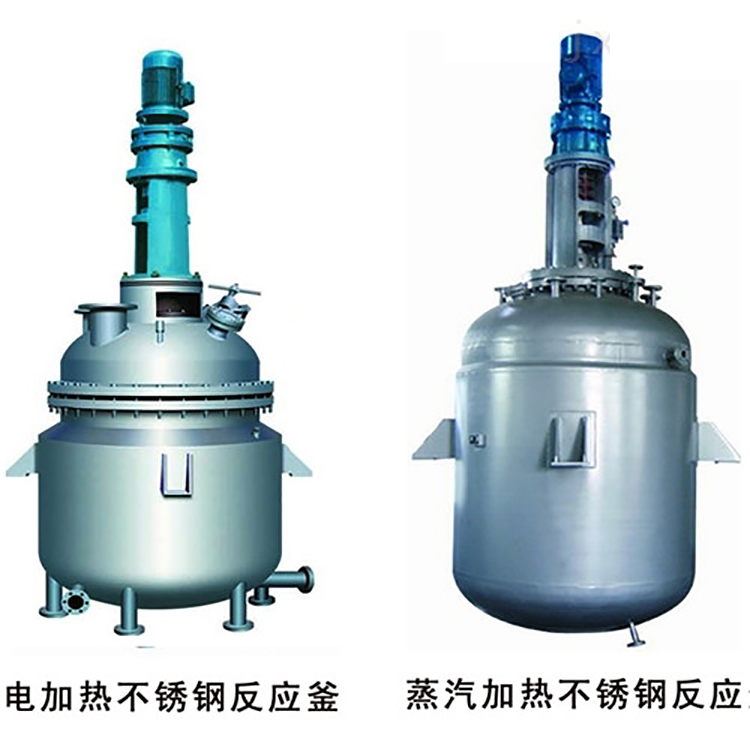
 Stainless steel reactor
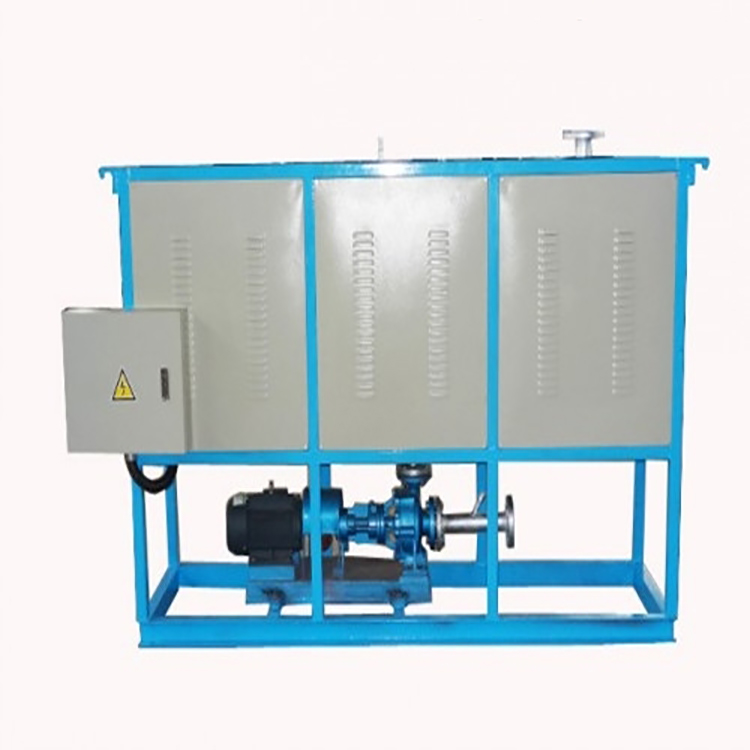 Electrically heated thermal oil heater
 Stainless Steel Masticating Machine
 Basket Sand Mill
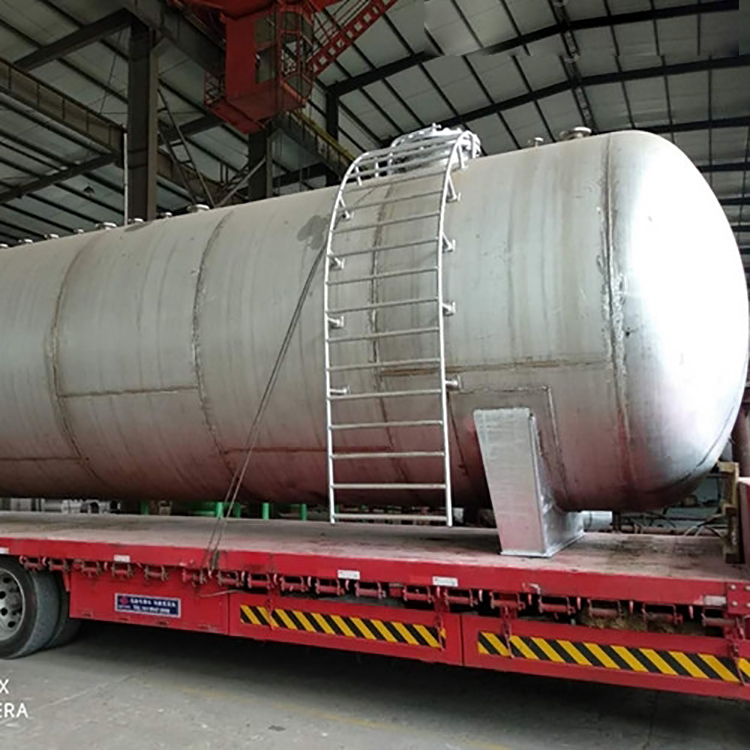 Liquid Oxygen, Liquid Nitrogen, Liquid Argon Low-Temperature Storage Tanks
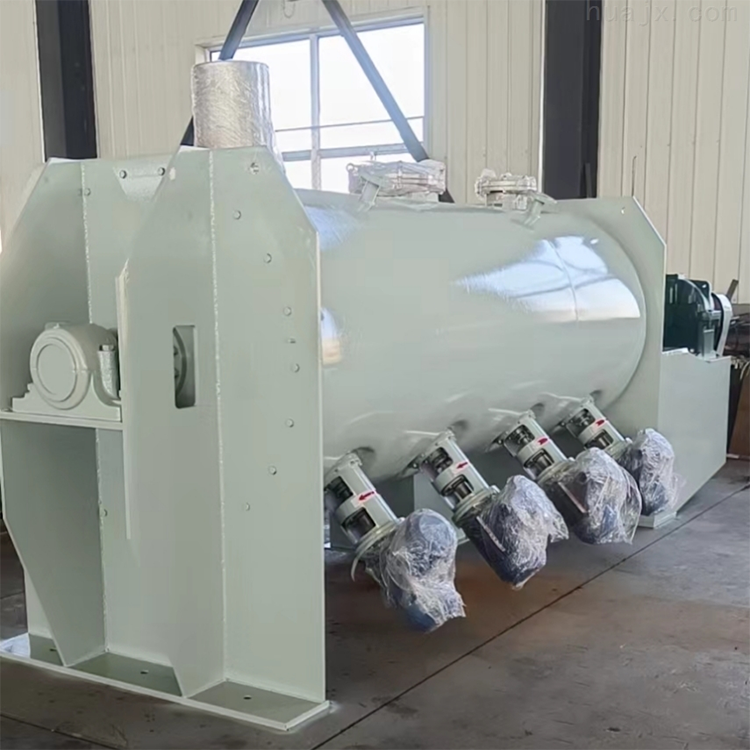 Stainless Steel Plow Blade Blender
Product Details




产品Price Negotiable
最小起订Quantity: 供货总Quantity:


Do you offer customization? |
|
Specs |
Comprehensive |
Shipment Time |
7 days |
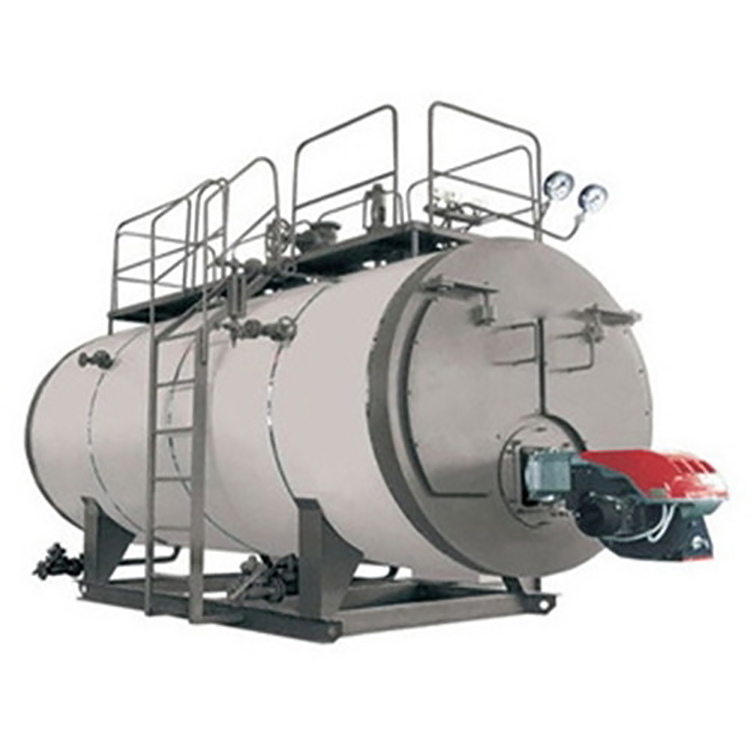
Introduction: Steam boilers refer to industrial boilers that heat water to certain parameters and produce high-temperature steam. Water is heated in the drum to become steam, and heat is emitted in the furnace chamber. This is the principle of steam boilers. Steam boilers are special equipment, and their design, processing, manufacturing, installation, and use must be supervised by the technical supervision department. Users can only operate steam boilers after obtaining a boiler operation permit. Steam boilers can be categorized by fuel type (electric, oil, gas) into electric steam boilers, oil-fired steam boilers, and gas steam boilers; by structure, they can be divided into vertical steam boilers and horizontal steam boilers. Small and medium-sized steam boilers are mostly single or double-pass vertical structures, while large steam boilers are predominantly three-pass horizontal structures. Operating Principle: Heating equipment (burners) release heat, which is first absorbed by the water-cooled wall through radiant heat transfer. The water in the water-cooled wall boils and vaporizes, producing a large amount of steam that enters the drum for steam-water separation (except for once-through boilers). The separated saturated steam then enters the superheater, continuing to absorb the heat of the flue gas in the furnace top, horizontal flue, and rear flue through radiant and convective means, and bringing the superheated steam to the required working temperature. Boilers used for power generation typically also have a reheater, which is used to heat the steam that has done work in the high-pressure cylinder. The reheated steam then goes to the medium and low-pressure cylinders to continue doing work and generate electricity.

Phone Consultation