
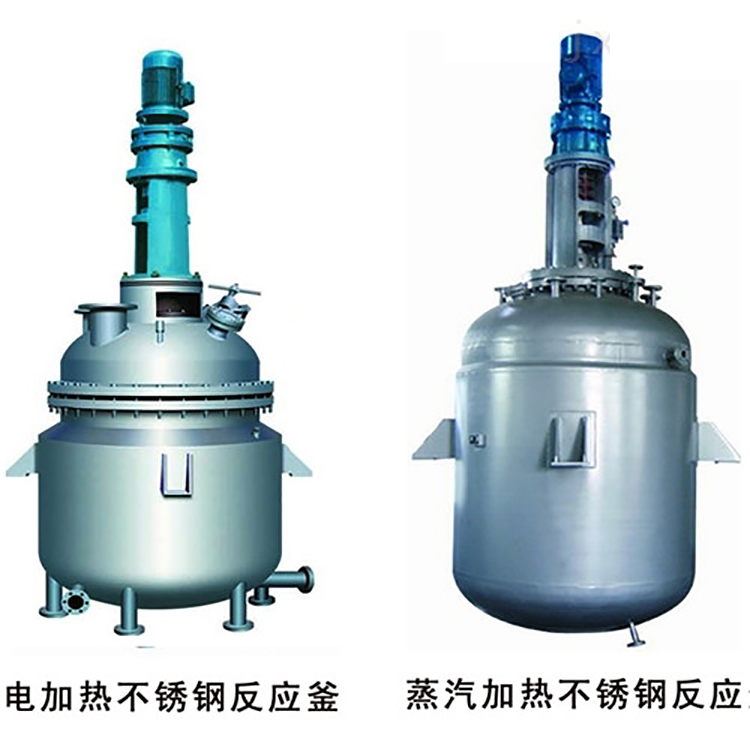
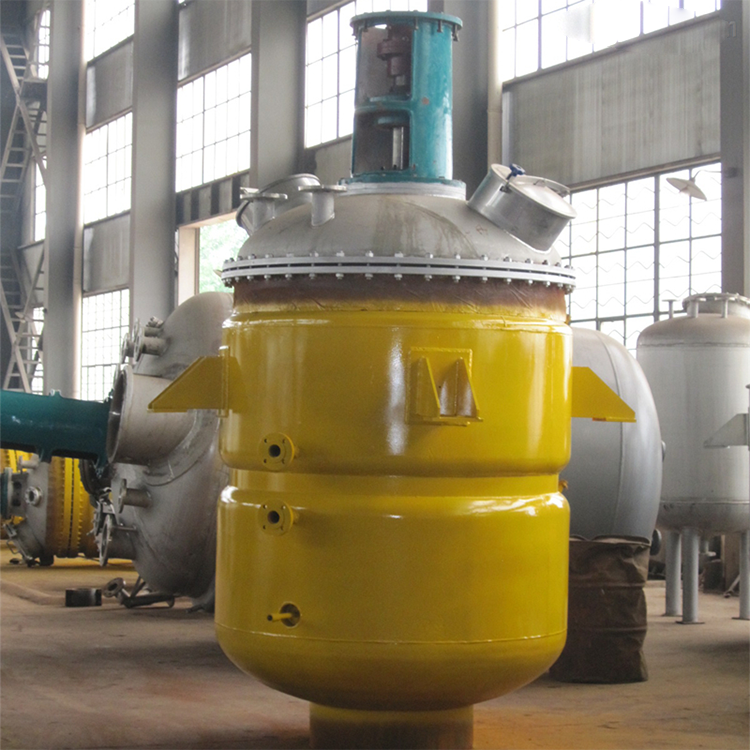
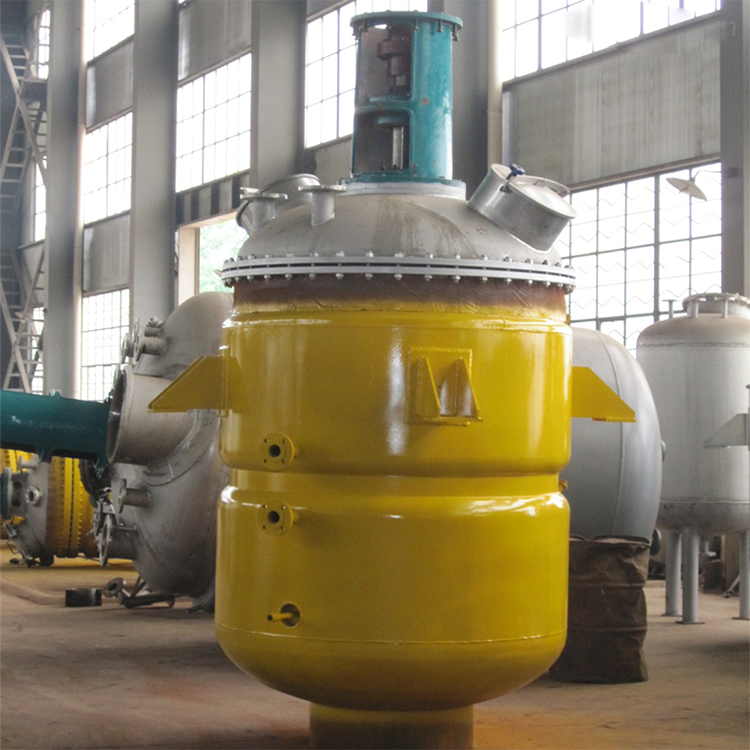
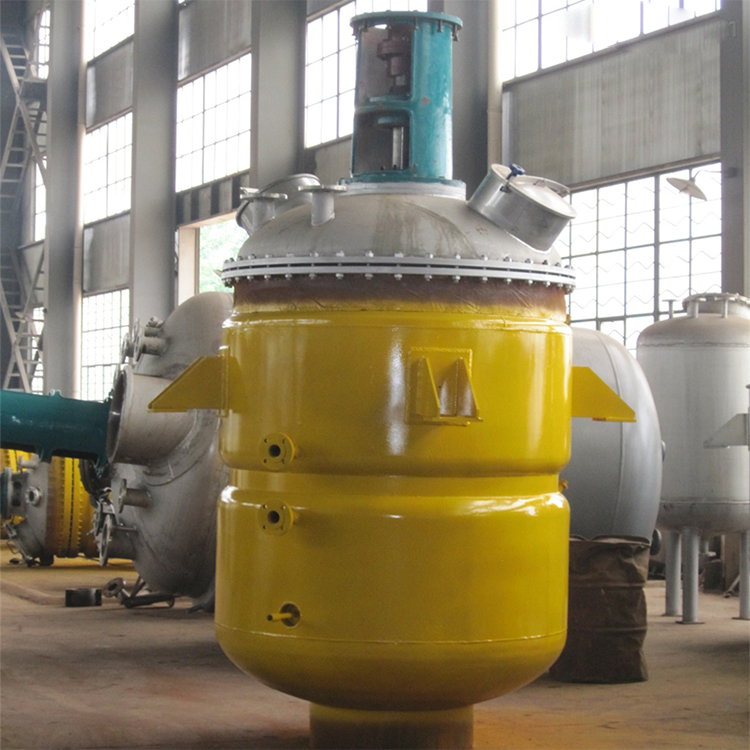
 Stainless steel reactor
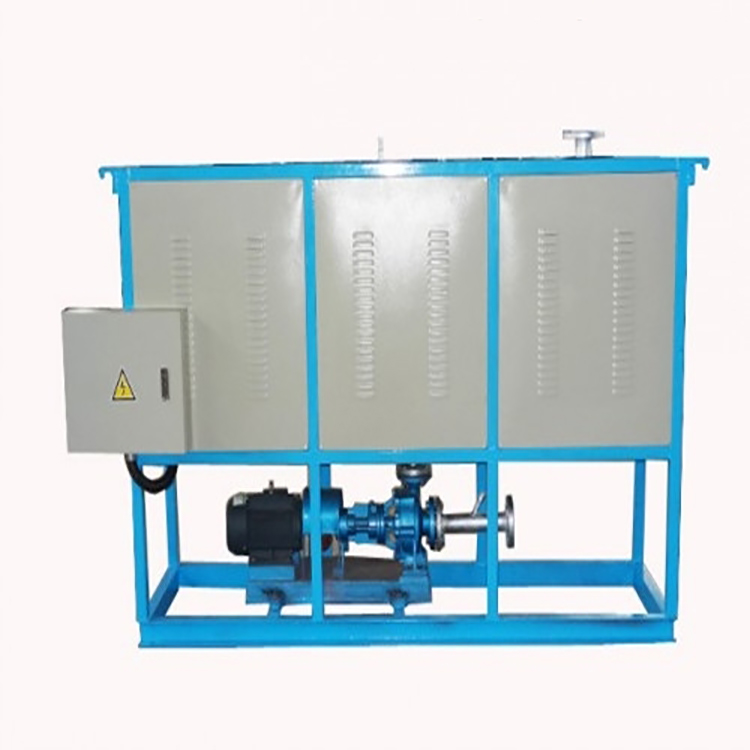 Electrically heated thermal oil heater
 Stainless Steel Masticating Machine
 Electric steam boiler
 Basket Sand Mill
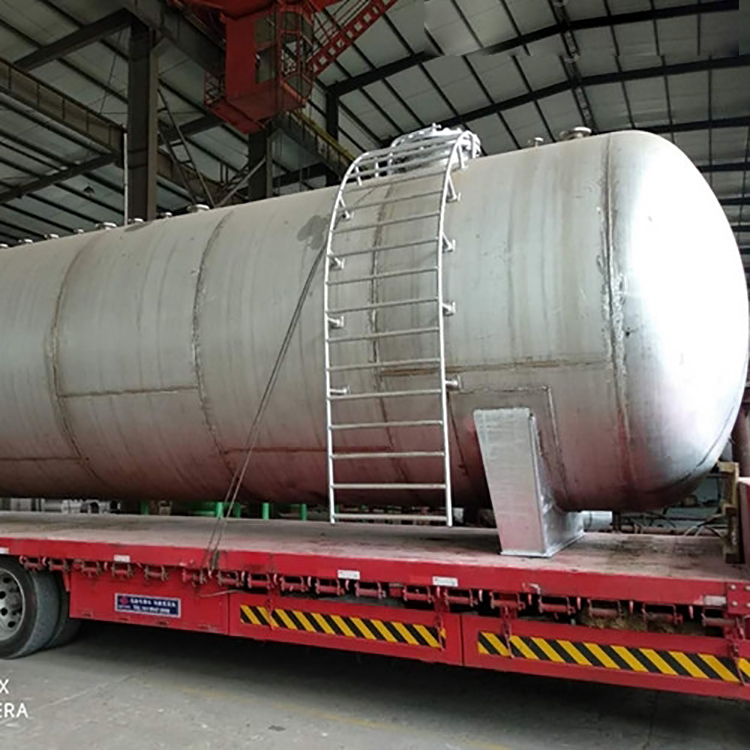 Liquid Oxygen, Liquid Nitrogen, Liquid Argon Low-Temperature Storage Tanks
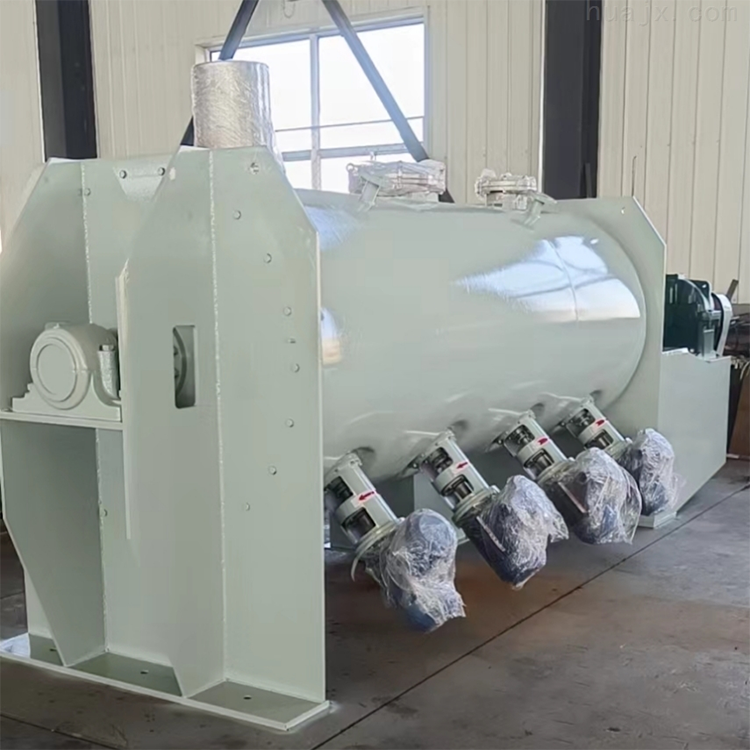 Stainless Steel Plow Blade Blender
Product Details



产品Price Negotiable
最小起订Quantity: 供货总Quantity:


Do we support customization? |
|
Specification |
Complete |
Shipment Time |
7 days |
Electrically heated stainless steel reactor Electrically heated reaction kettles feature rapid heating, high-temperature resistance, corrosion resistance, hygiene, environmental pollution-free, no need for boiler automatic temperature control, low investment, and easy operation. Directly heat the heat-conducting oil inside the jacket with an electric heating rod, raising the heat-conducting temperature to the desired level. Afterward, a temperature control instrument (optional) can be used to control the electric heating rod to shut off power and maintain a constant temperature. Electrically heated stainless steel reactor I. Before Starting the Stainless Steel Reactor Inspect that the autoclave, agitator, rotating parts, auxiliary equipment, indicator instruments, safety valves, pipelines, and valves meet safety requirements. 2. Verify that water, electricity, and gas meet safety requirements. 2. Stainless steel reactor in operation 1. Prior to adding the material, the reactor's agitator should be started first. Once it operates without noise and normally, add the material to the reactor, ensuring the quantity does not exceed the process requirements. 2. Before opening the steam valve, first open the exhaust valve, then the intake valve. Open the steam valve slowly to preheat the jacket, gradually increase the pressure, ensuring the jacket pressure does not exceed the specified limit. 3. Steam valves and cooling valves cannot be activated simultaneously. It is prohibited to hammer or collide with the steam pipe when it is passing through. 4. When opening the cooling water valve, first open the return water valve, then the inlet water valve. The cooling water pressure must not be lower than 0.1 MPa and should not exceed 0.2 MPa. 5. Water ring vacuum pump: first start the pump before supplying water, and when stopping the pump, stop the water first before stopping the pump, and ensure to drain the water inside the pump. 6. Regularly inspect the reaction kettle's operation; if any anomalies are detected, stop the equipment for maintenance. 7. When cleaning a titanium epoxy (enamel) reactor, do not use alkaline water to scrub the reactor. Be cautious to avoid damaging the enamel. Section 3: After the stainless steel reaction kettle is shut down Stop stirring, disconnect the power, and close all valves. 2. When shoveling the pot, the power to the mixer must be cut off, a warning sign must be hung, and a supervisor should be present. 3. Stainless steel reactors must undergo regular technical inspections according to pressure vessel regulations. Failure to pass the inspection prohibits operation.

Phone Consultation