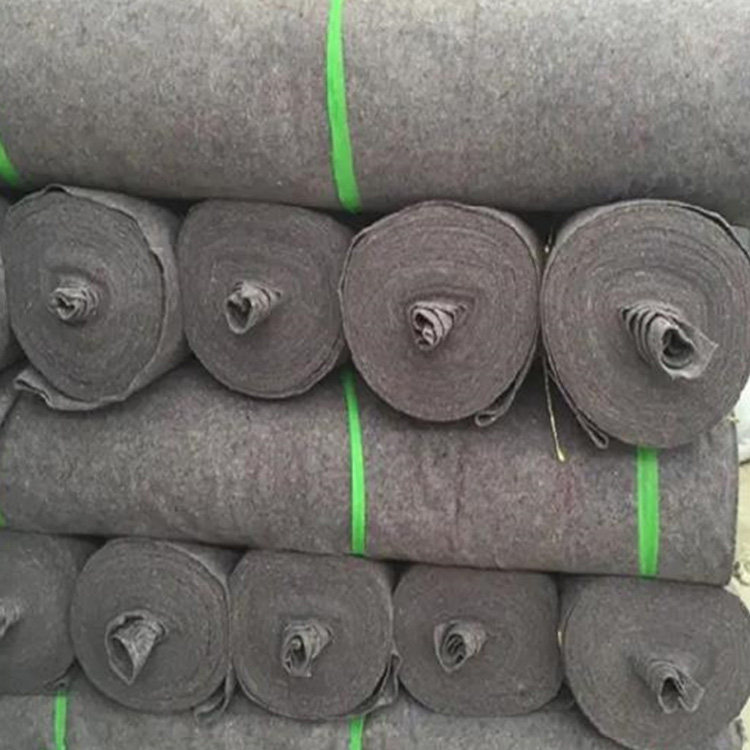
An old saying goes that it's still chilly in early spring, a time when temperatures rise, all things revive, and plants begin to sprout and grow. However, for friends engaged in greenhouse vegetable cultivation and greenhouse breeding, this season calls for particular attention to greenhouse insulation. Because spring is unstable with temperatures fluctuating greatly, greenhouse felt and insulation felt become especially crucial as spring greenhouse insulation materials.
As spring temperatures rise and plants begin to sprout, the poultry raised indoors start to grow and develop, demanding greater stability in the greenhouse temperature. The unpredictable nature of spring temperatures often results in devastating losses for greenhouse plants. Temperatures may soar to 15° today and plummet to 1° tomorrow. It is precisely this uncertainty that highlights the importance of greenhouse insulation materials, such as felt and insulated felt. The materials used to make greenhouse insulation felt ensure its excellent thermal properties, strong tensile strength, and durability, making it long-lasting. Additionally, the specifications and sizes of greenhouse insulation felt can be cut to fit any greenhouse, offering great convenience. Taking the poultry greenhouse as an example, most know that these structures are generally simple in design and come in various sizes, making precise specifications for the insulation felt crucial. This is where the felt meets the needs of greenhouse users, which is one of the reasons it is well-accepted by poultry greenhouse owners.
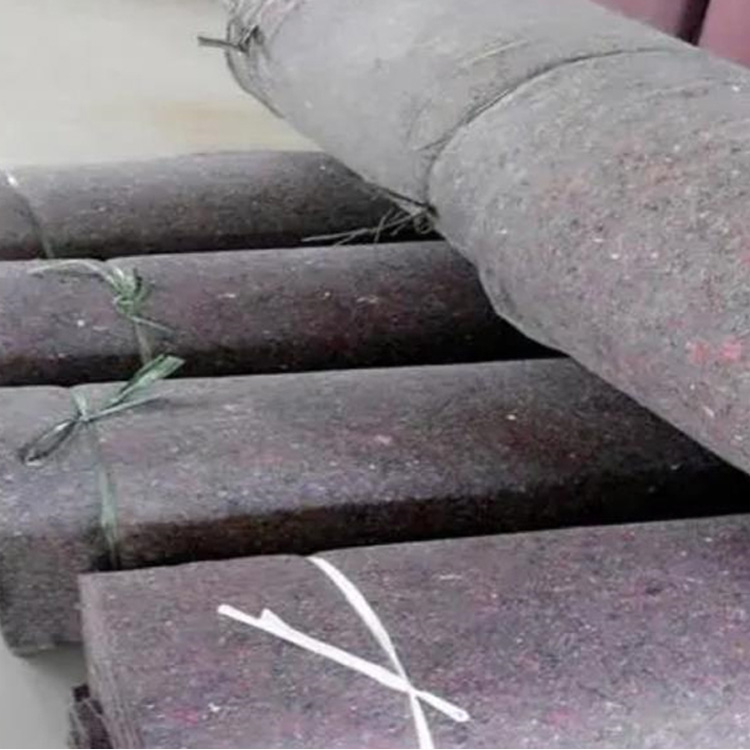

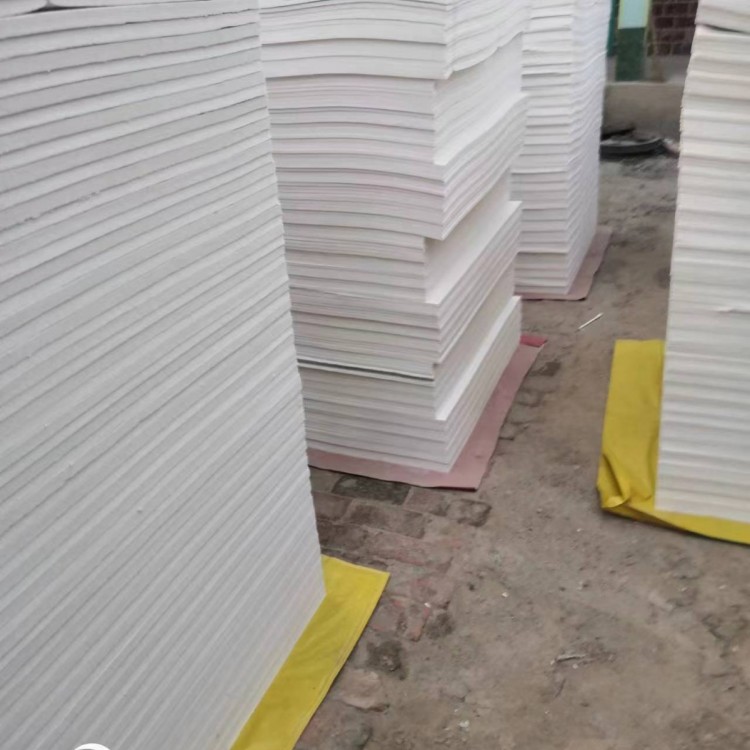 Industrial Felt
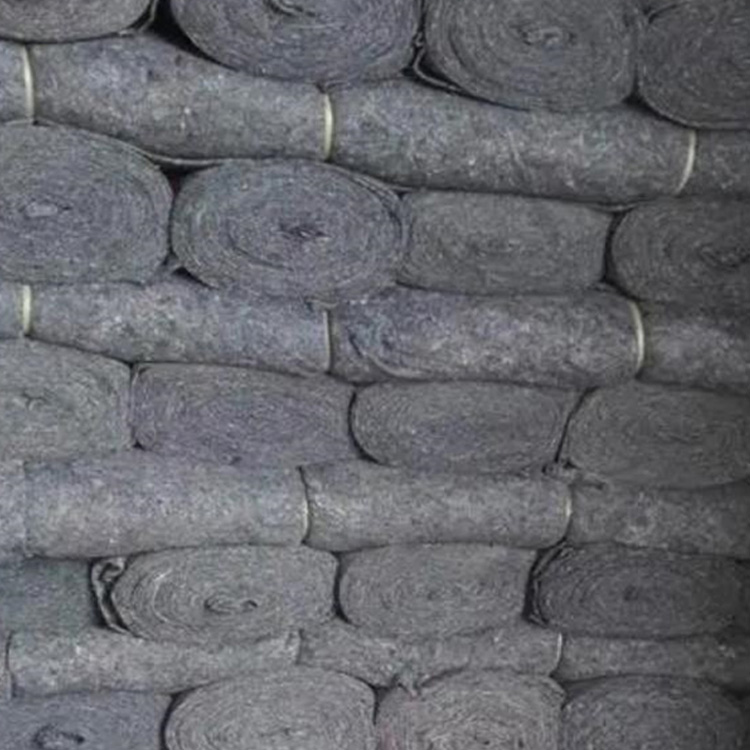 Insulating Fleece, Cold-Resistant Fleece
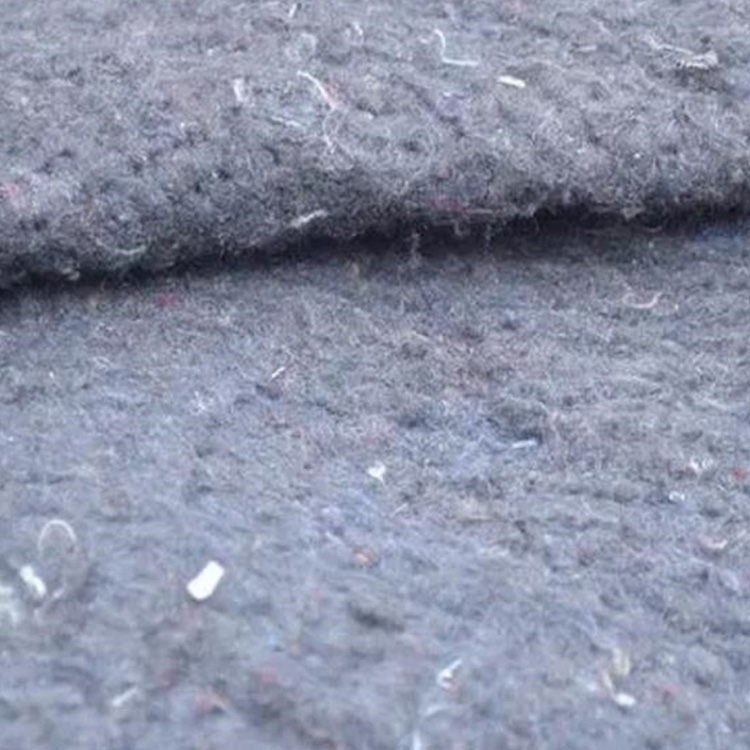 Customized Insulating Felt to Your Specifications
 Customized Insulating and Heat Retaining Nonwoven Fleece Blanket for Greenhouse Protection
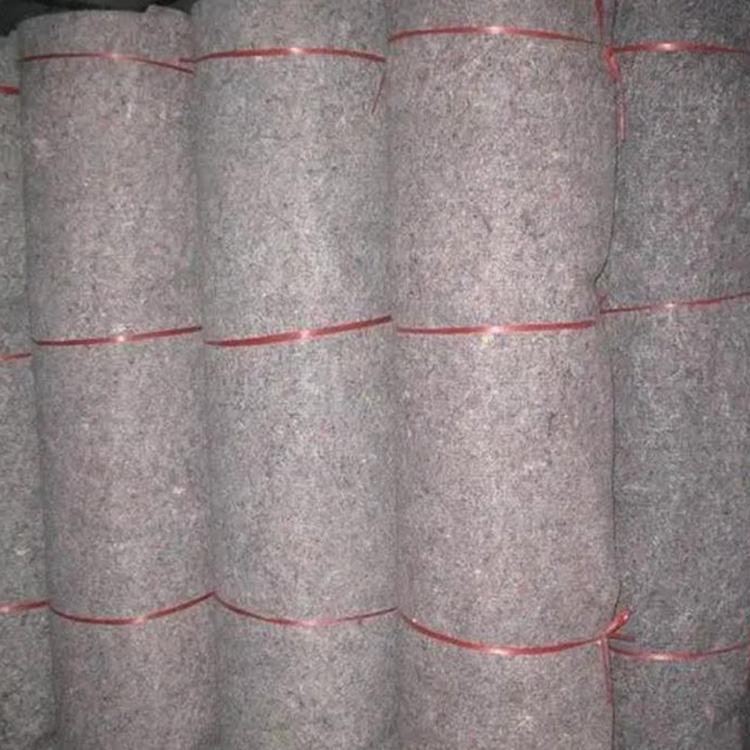 Thick Geotextile Cotton Fleece, Insulating Blanket for Engineering Vegetable Greenhouses, Factory Direct Supply
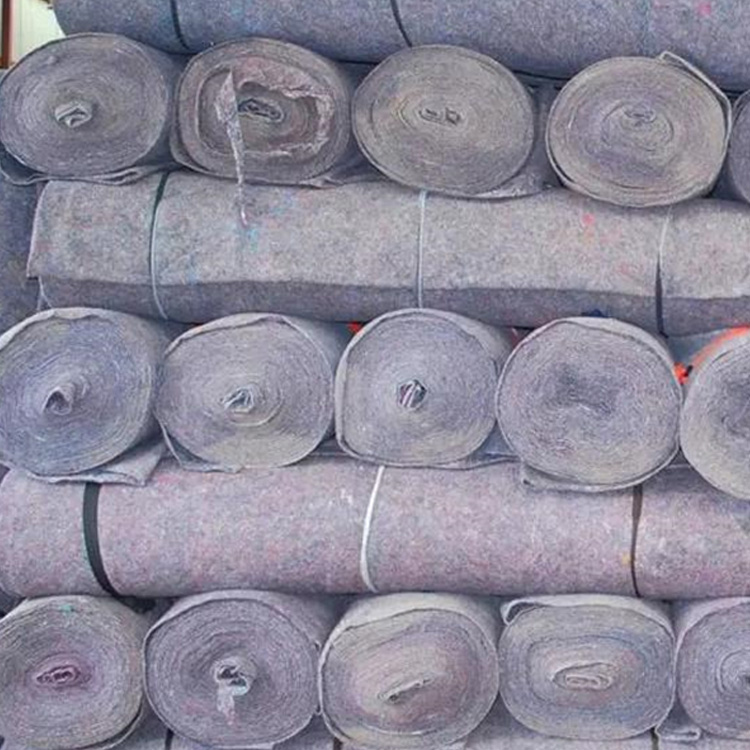 Road Maintenance Felt. Insulating Felt
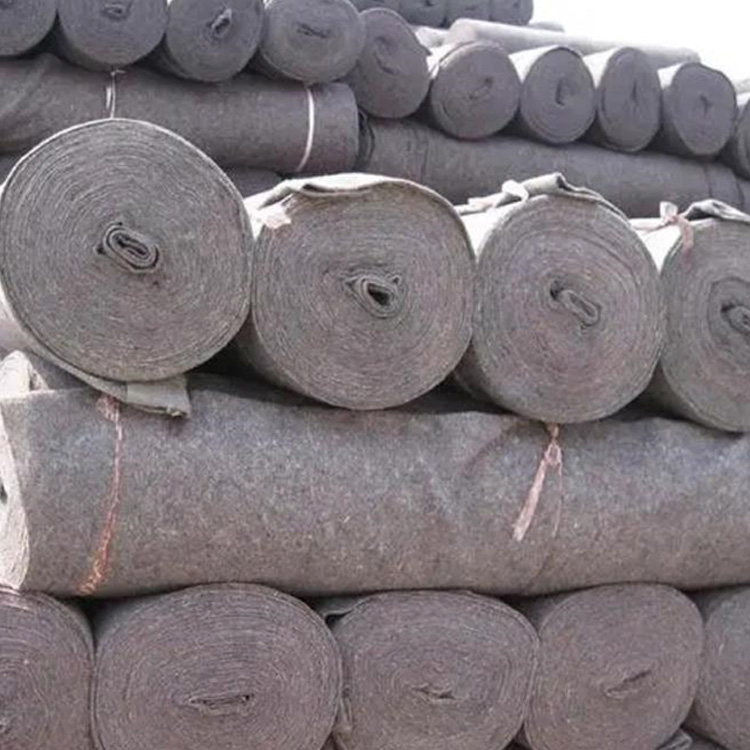 Abundant supply of various thermal felt, greenhouse woolen felt for insulation
 Factory Direct Sales Insulating and Cold-Resistant Felt
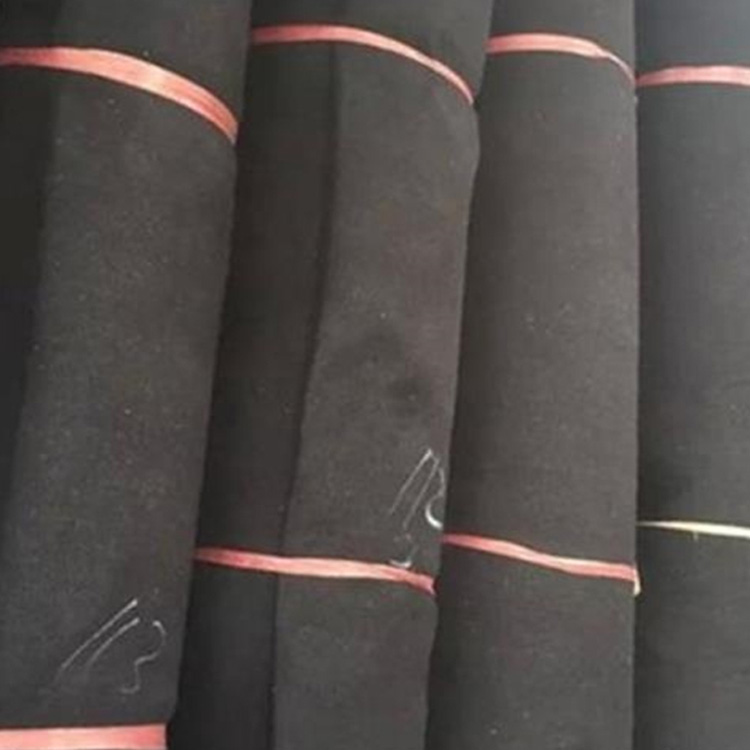 Insulated Fleece - Hebei's Reliable Insulating Fleece Supplier