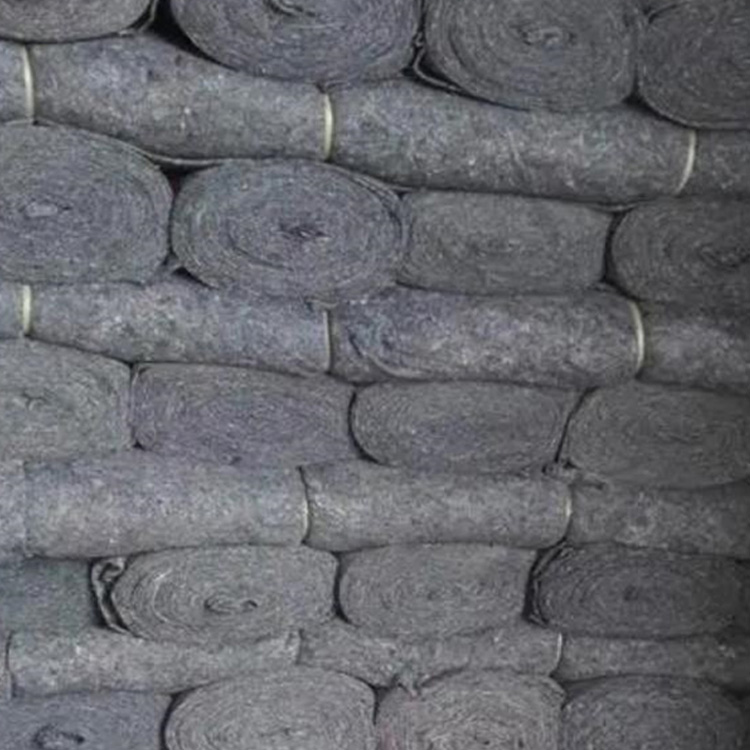
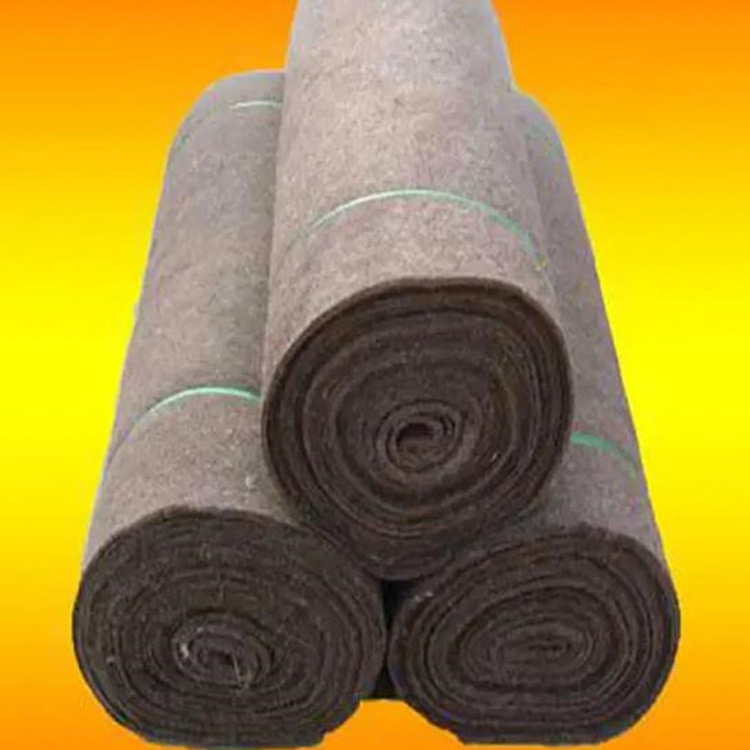
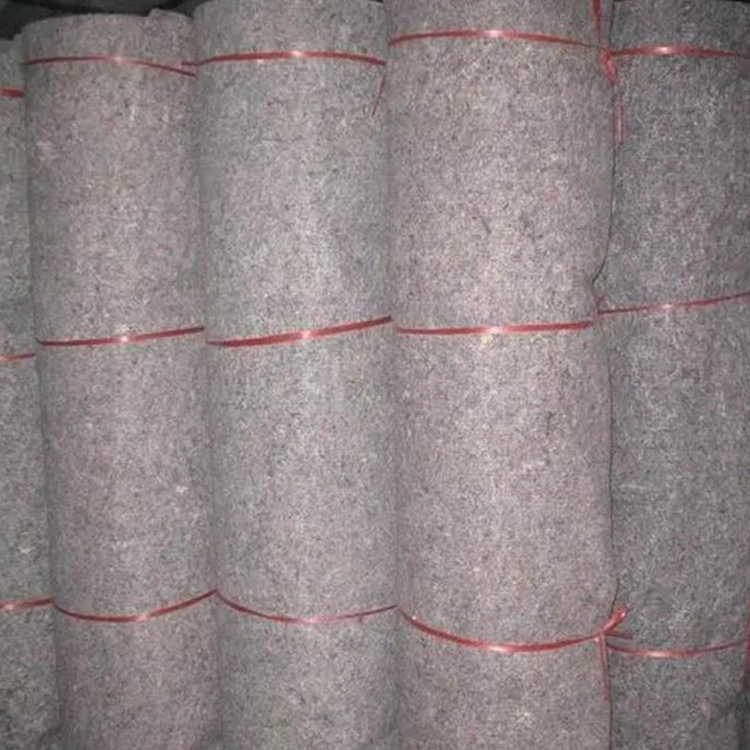
Insulating FleeceDon't most people think the thicker the insulation, the better? When thermal insulation felt is used as a thermal material, many people don't really care about its thickness. However, just like wearing more layers makes us feel warmer, thicker thermal insulation felt naturally provides more warmth. But does that mean thicker felt always guarantees the best results? Next, let's explore the choice of thickness for thermal insulation felt.
Once the type of greenhouse insulation material is selected, its thermal performance will mainly depend on the thickness of the frost-proof felt, more specifically, the thickness of the insulation core within the frost-proof felt. The selection of the thickness of the insulation material on the front slope of a greenhouse should, in principle, match the thermal performance of the greenhouse's rear wall and roof, ensuring consistent heat loss in all directions and maintaining an even indoor temperature.
Due to the limitations of the thermal conductivity of the insulation material on the front slope, the thermal resistance of the front slope insulation material is generally much lower than that of the wall insulation material. This results in a significant portion of the greenhouse's heat loss occurring through the front slope at night, accounting for the majority of the total heat loss. To minimize the temperature difference inside the greenhouse as much as possible, the thermal resistance of the insulation material covering the front slope at night should be more than 2/3 of the total thermal resistance of the walls.
So, while thicker thermal felt is generally warmer, the choice of thickness should still adhere to certain standards. Only when these standards are met can a well-constructed thermal felt system be established, yielding significant effects.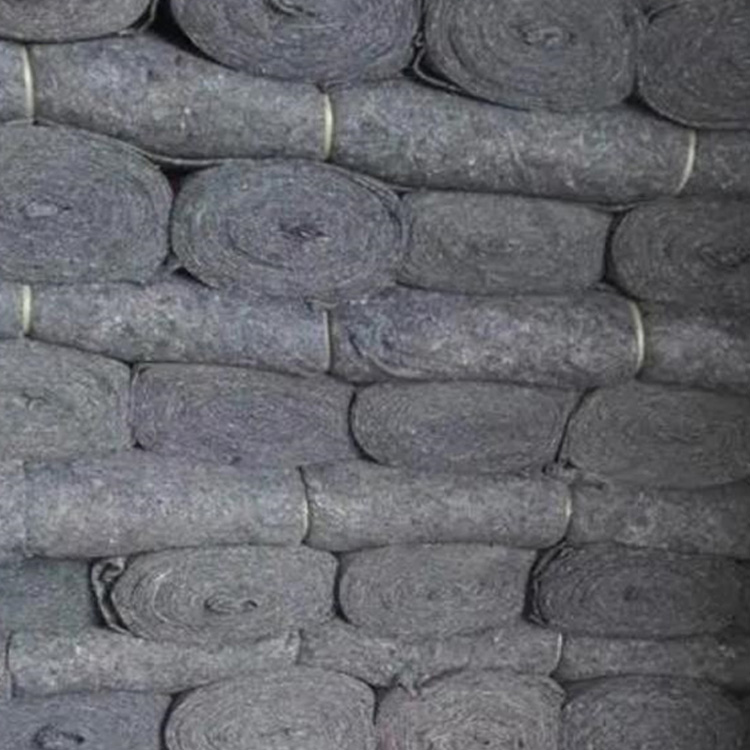

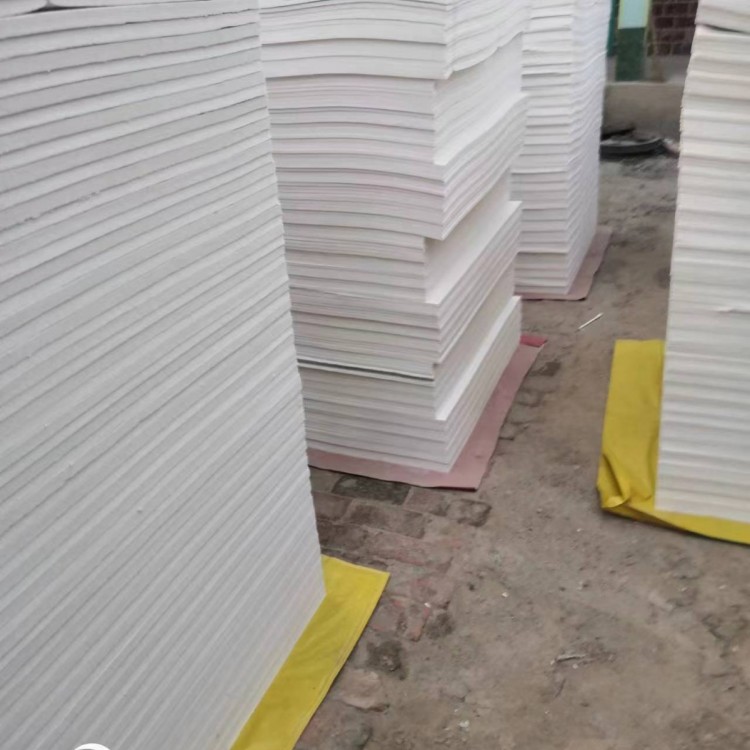 Industrial Felt
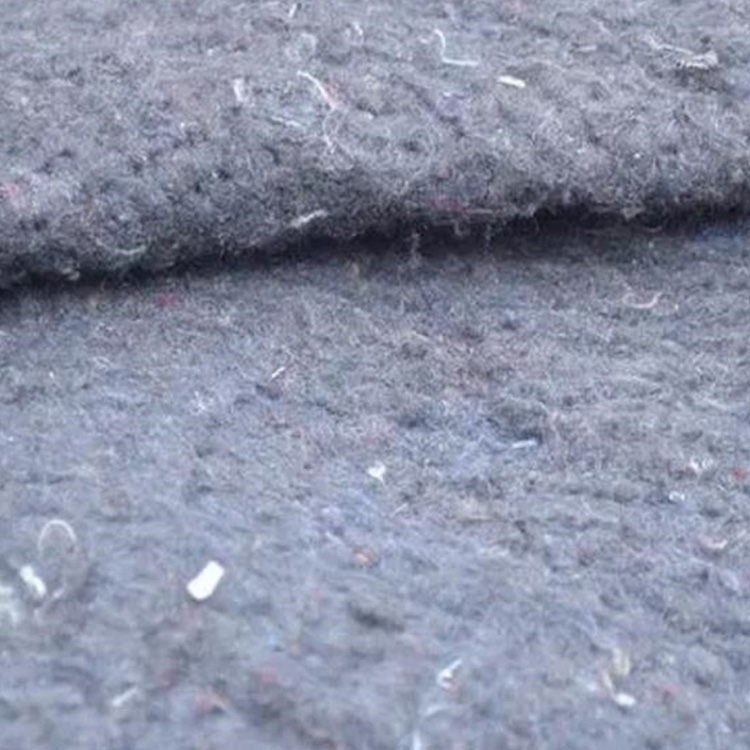 Customized Insulating Felt to Your Specifications
 Customized Insulating and Heat Retaining Nonwoven Fleece Blanket for Greenhouse Protection
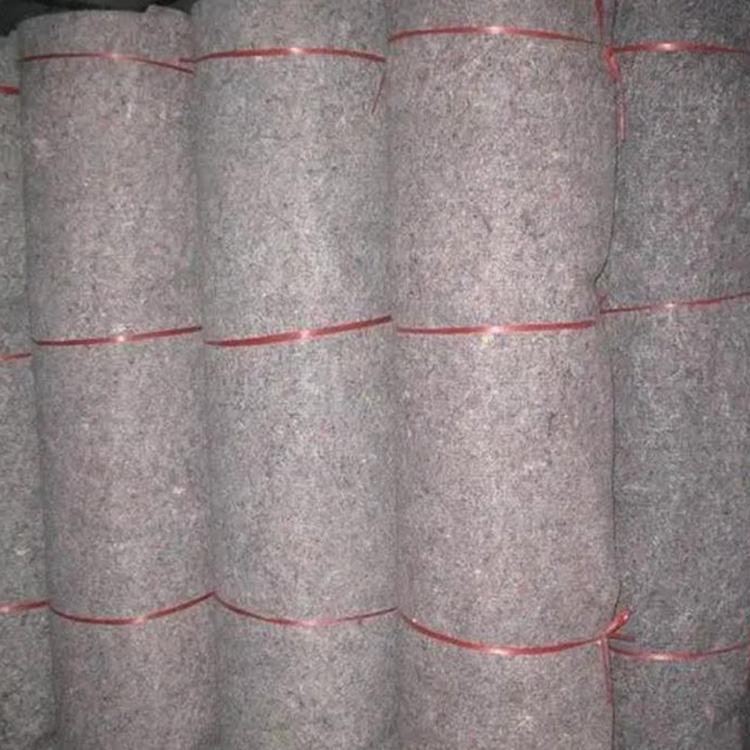 Thick Geotextile Cotton Fleece, Insulating Blanket for Engineering Vegetable Greenhouses, Factory Direct Supply
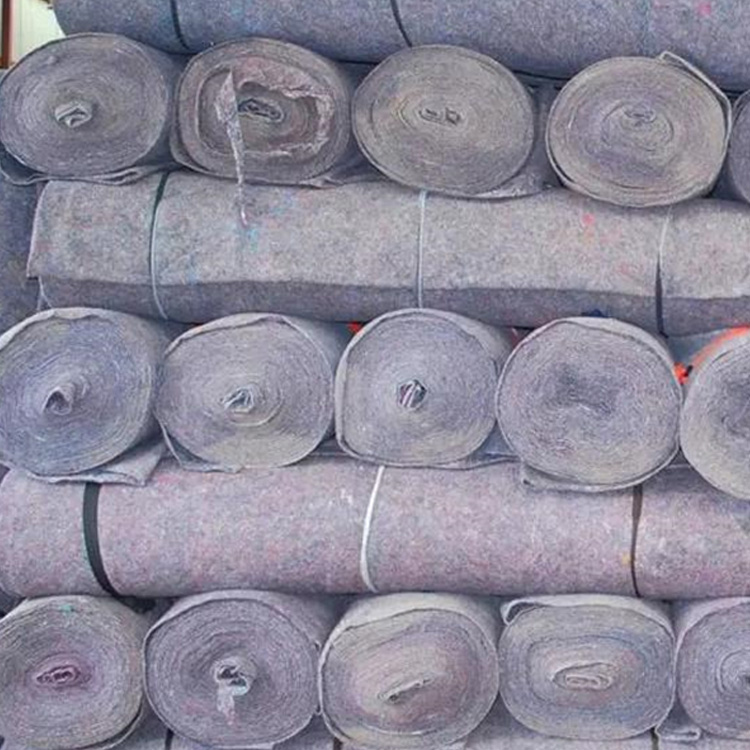 Road Maintenance Felt. Insulating Felt
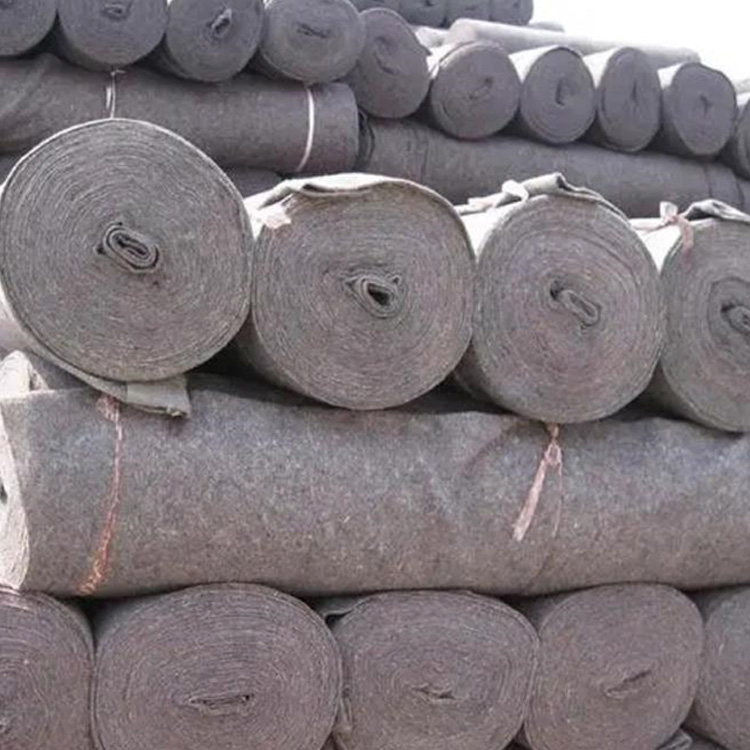 Abundant supply of various thermal felt, greenhouse woolen felt for insulation
 Factory Direct Sales Insulating and Cold-Resistant Felt
 Greenhouse Insulation and Cold-Proof Fleece
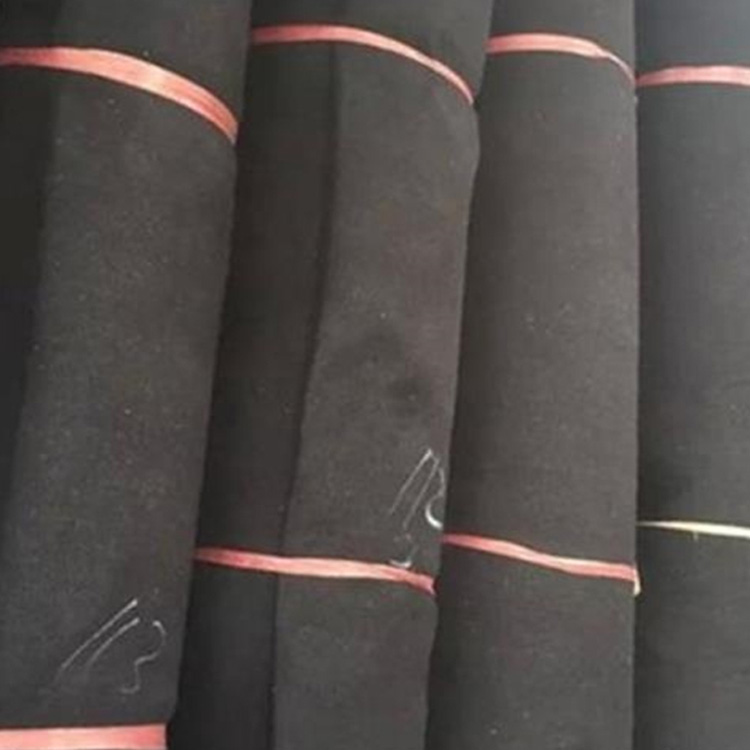 Insulated Fleece - Hebei's Reliable Insulating Fleece Supplier