
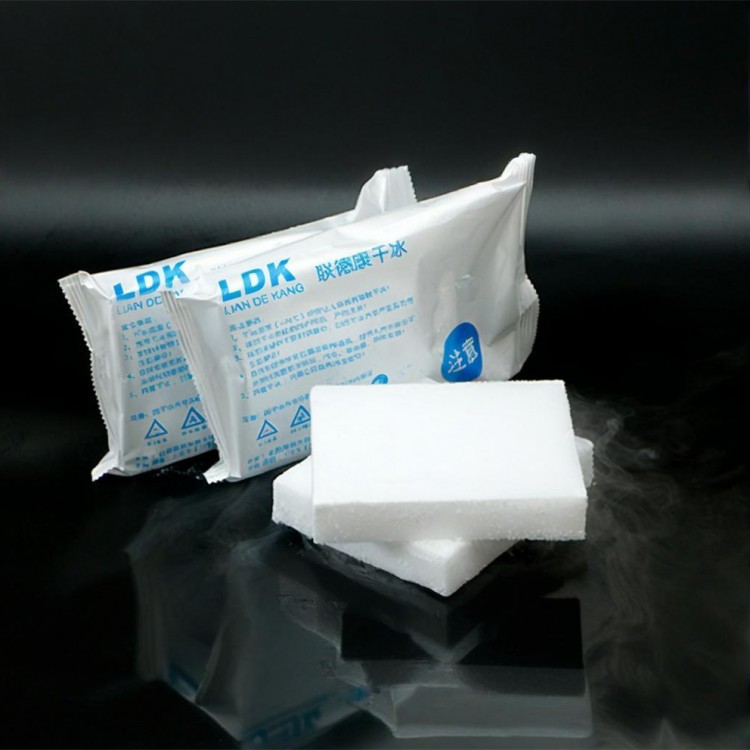
 Frozen block dry ice
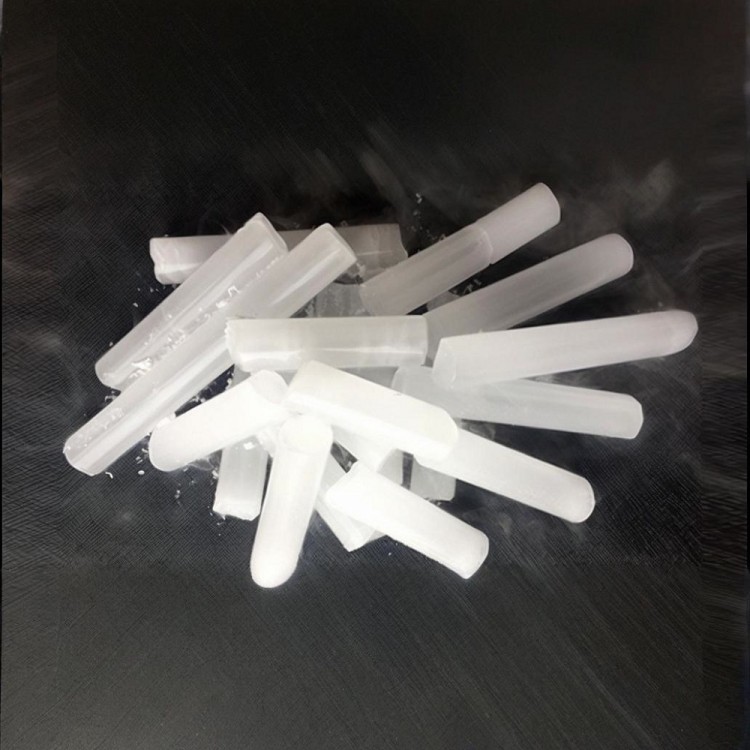 Columnar Dry Ice for Preservation
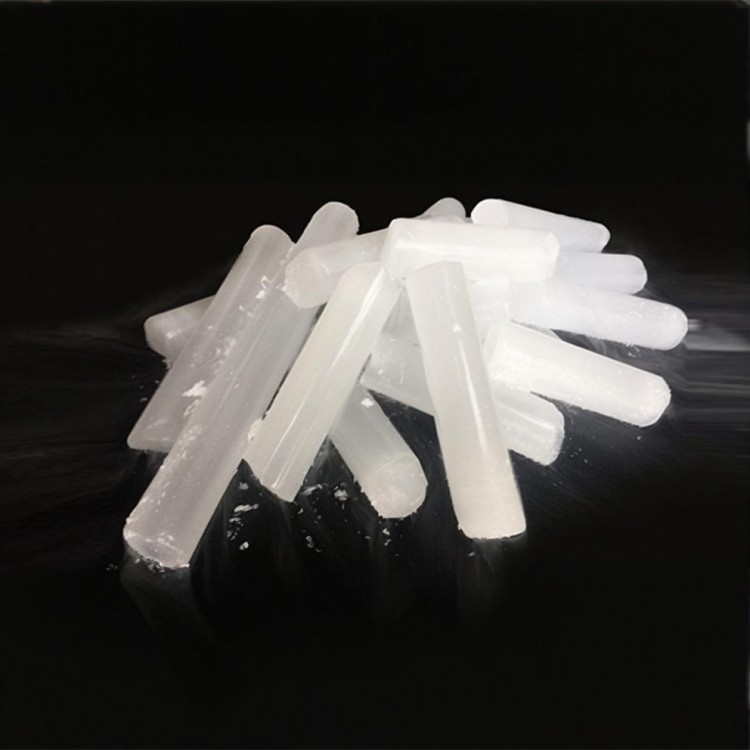 Refrigerated cylindrical dry ice
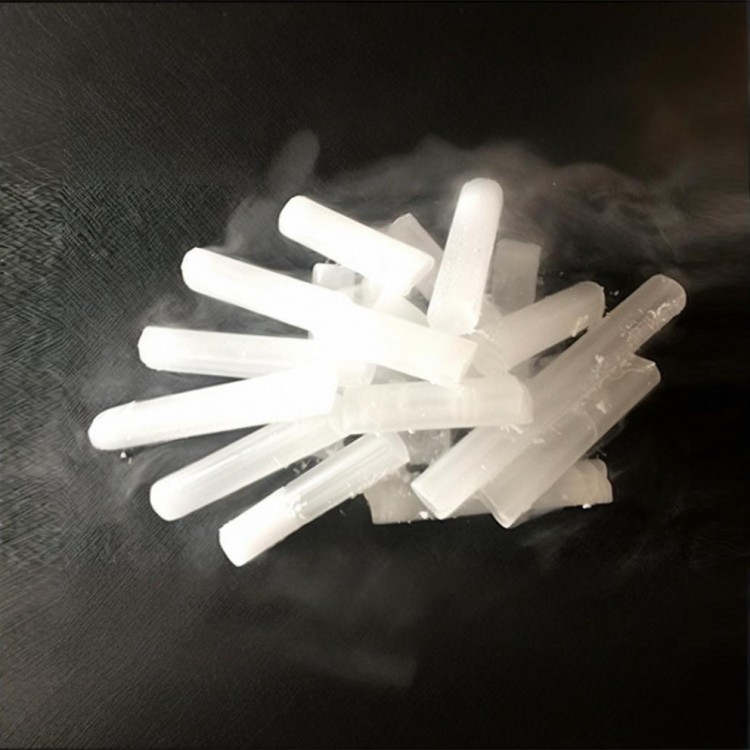 Tall dry ice cylinder
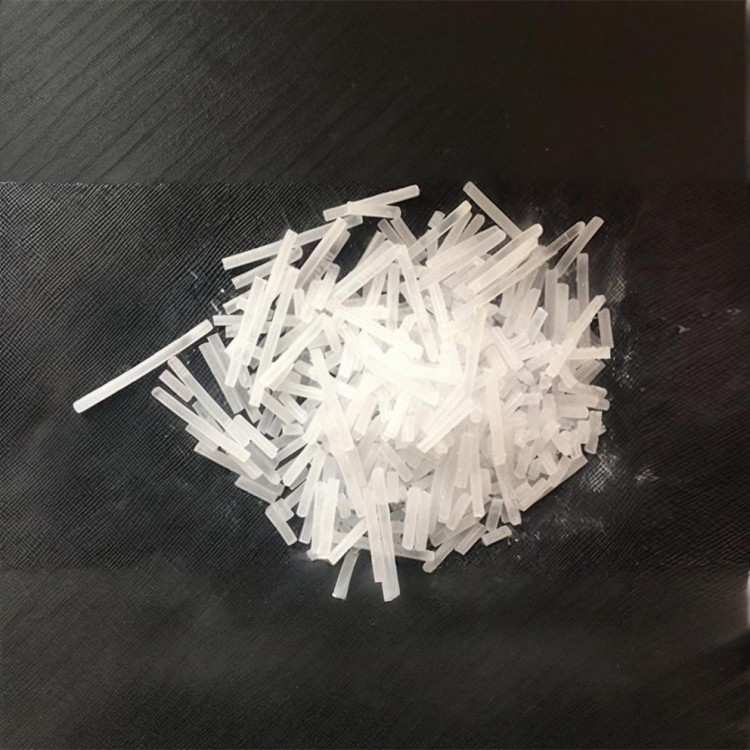 Dewar Ice
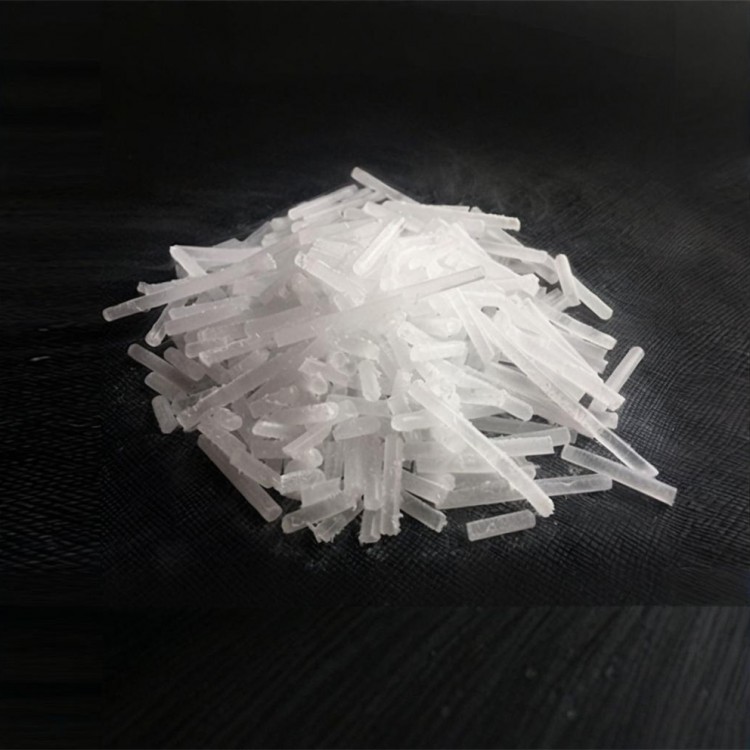 Granular Dry Ice
Product Details

General Projects: Manufacturing of basic chemical raw materials (excluding th...

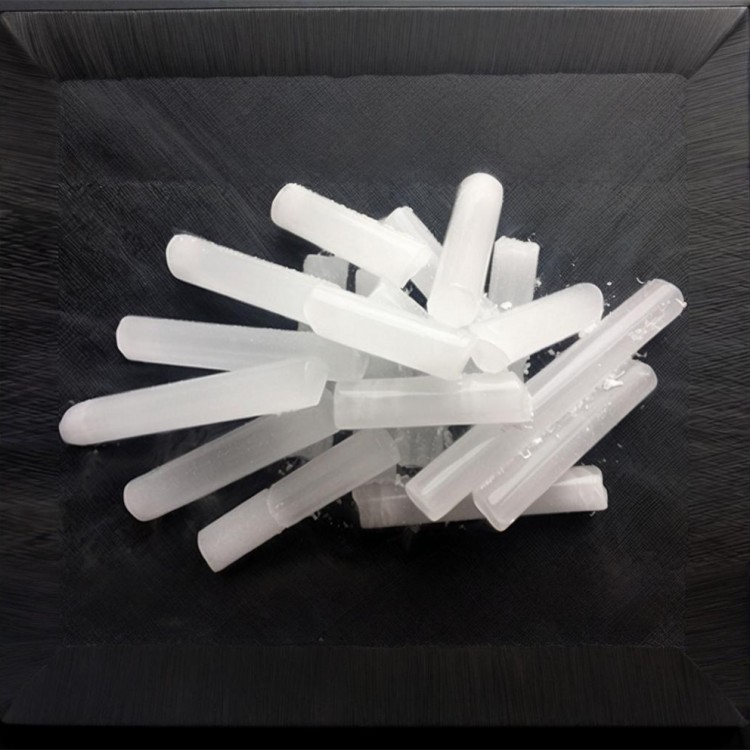
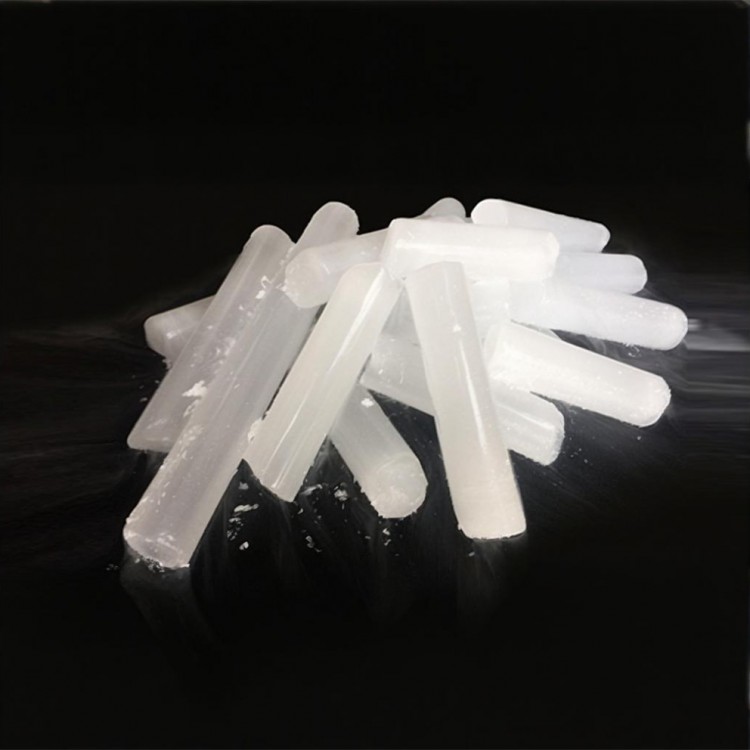
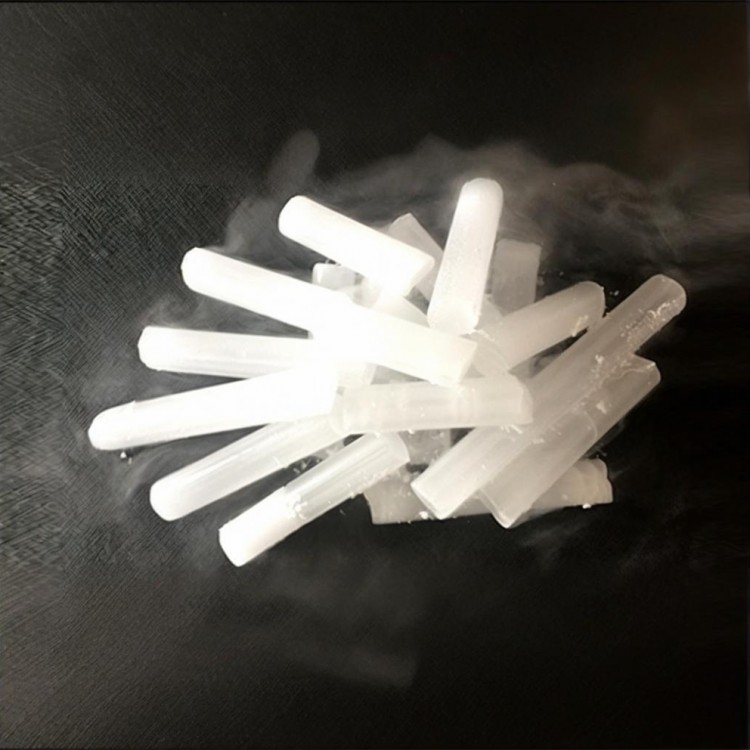
产品Price Negotiable
最小起订Quantity: 供货总Quantity:


What is the basic principle of dry ice cleaning? Dry ice jetting medium: Dry ice pellets are accelerated in a high-pressure air stream, impacting the surface to be cleaned. The uniqueness of dry ice cleaning lies in the pellets' immediate sublimation upon impact. The momentum of the dry ice dissipates at the point of impact. A rapid heat exchange occurs between the dry ice pellets and the cleaning surface, causing the solid CO2 to rapidly sublime into gas. The dry ice pellets expand nearly 800 times their original volume in fractions of a second, creating a "micro-explosion" at the point of impact. As the CO2 evaporates, no secondary waste is produced during the dry ice cleaning process, leaving only the dirt removed for disposal. What unique features does dry ice have as a cleaning medium? Just like with steel shot, glass bead, plastic bead, and soda blasting, the momentum of dry ice pellets depends on their mass and velocity. Due to the relatively low density of dry ice, achieving the required impact energy primarily depends on the speed of the dry ice pellets. Dry ice cleaning offers what advantages over traditional cleaning methods, as a high-tech technique? At -78°C, CO2 exists as a solid, and under normal temperature and pressure, solid CO2 sublimates directly without undergoing a liquefaction process. This characteristic means that dry ice cleaning has unparalleled advantages over traditional cleaning methods: 1. Can be directly cleaned on the production line without affecting production, improving production capacity. 2. For areas that cannot be washed with water, dry ice cleaning is a perfect alternative. 3. Instantly vaporizes with no residue, generating no secondary waste. 4. Non-destructive cleaning, no damage to machinery or molds. 5. Multiple nozzle options available for replacement, wide cleaning range. 6. Utilizes on-site compressed air for convenience and practicality. 7. Meets the certification requirements of the U.S. EPA, FDA, and USDA. 8. Easy to operate and safe, preventing employees from being in a hazardous work environment. Dry ice cleaning is now widely used in various fields such as tire manufacturing, casting, mold making, rubber processing, baked food production, aviation, power, petrochemical, and automotive interior parts, saving substantial cleaning costs for businesses and bringing significant environmental benefits. Comparison of Dry Ice Cleaning Effects
Unlike other jetting mediums, dry ice pellets have an extremely low temperature (-78°C). This low temperature endows dry ice cleaning with unique thermodynamic properties that affect the mechanical properties of adhered dirt. Due to the temperature difference between the dry ice pellets and the cleaning surface, a thermal shock phenomenon occurs. As the material temperature drops and brittleness increases, dry ice pellets can dislodge and break up the dirt layer.
Phone Consultation