
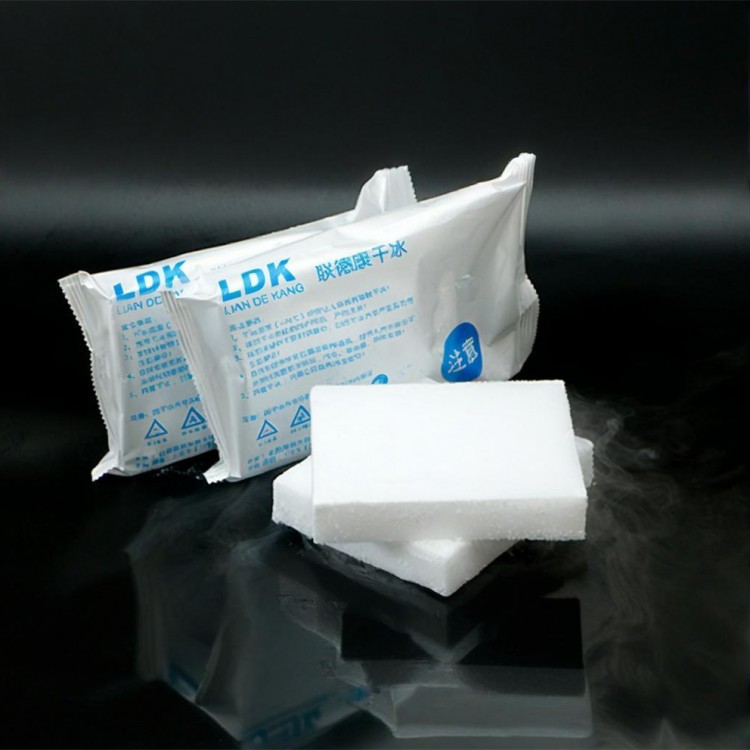
 Frozen block dry ice
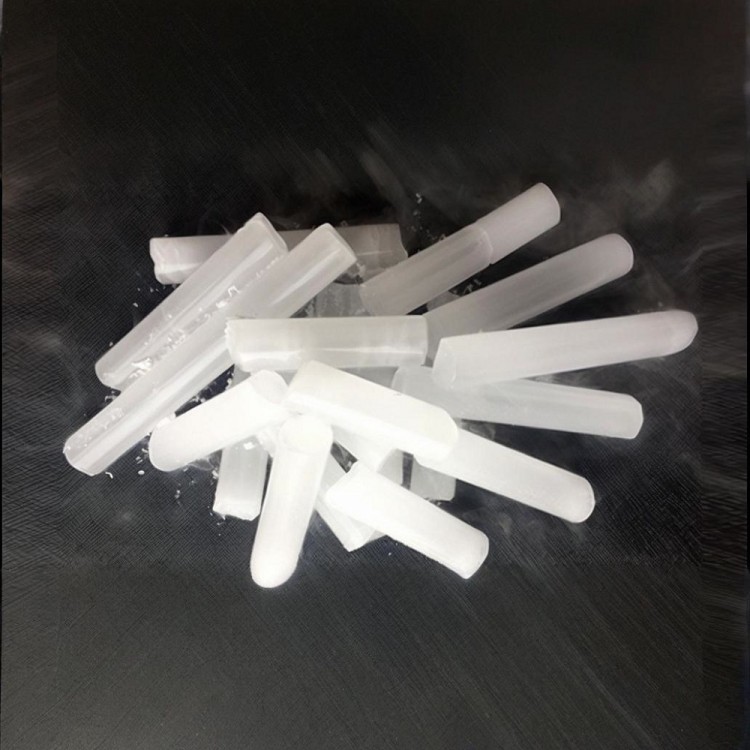 Columnar Dry Ice for Preservation
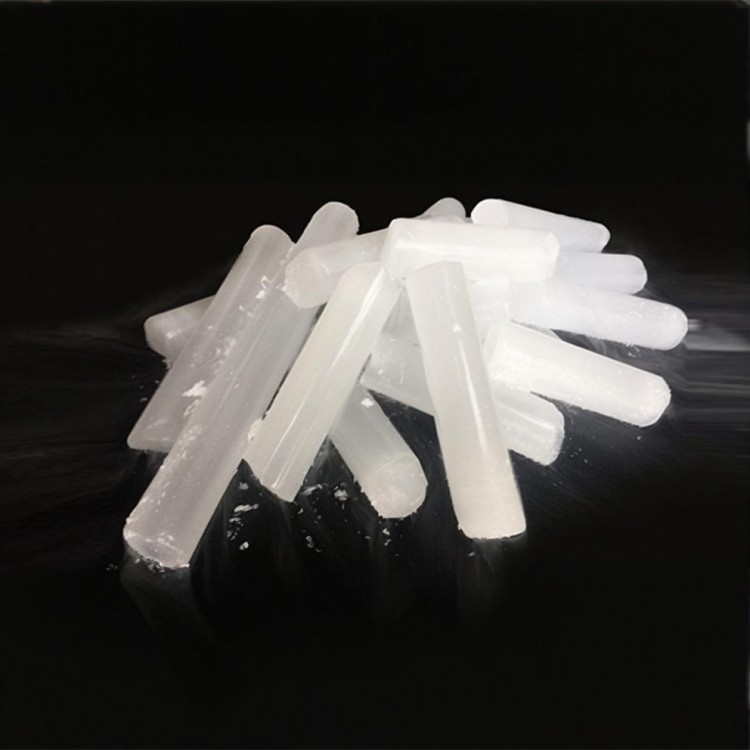 Refrigerated cylindrical dry ice
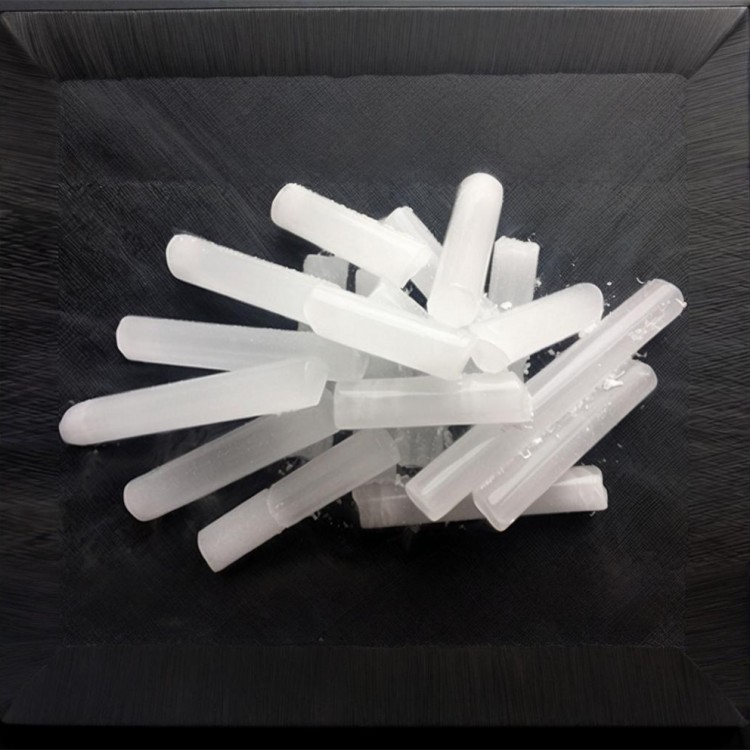 Frozen cylindrical dry ice
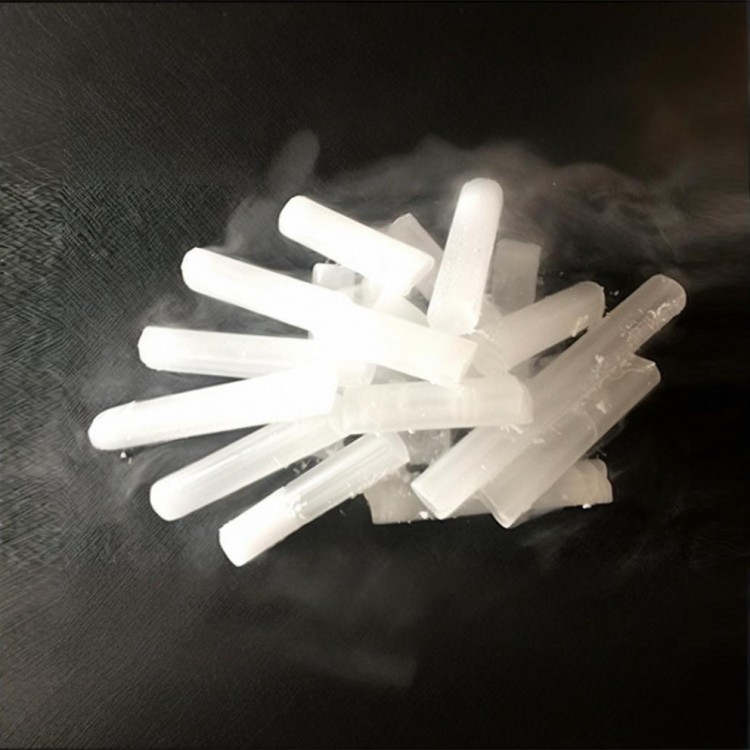 Tall dry ice cylinder
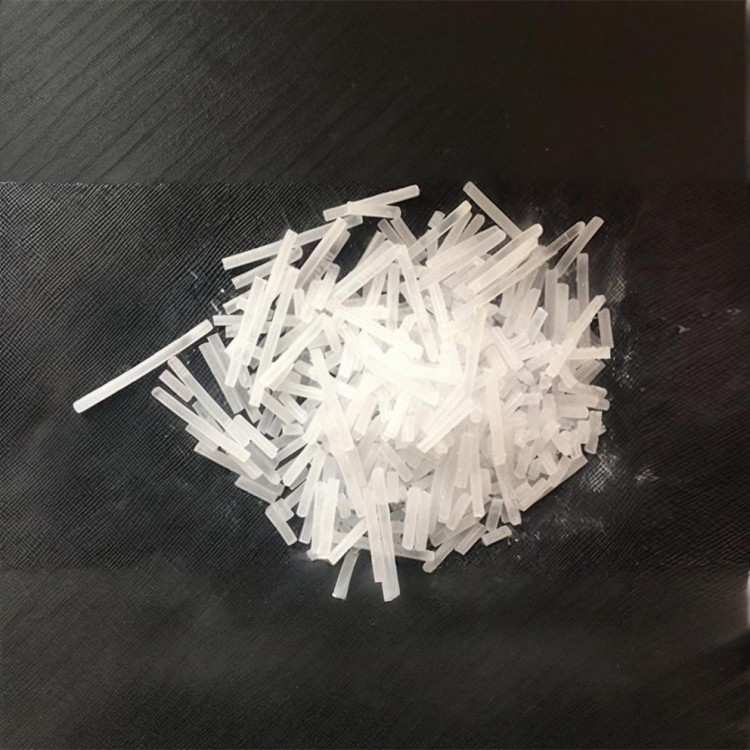 Dewar Ice
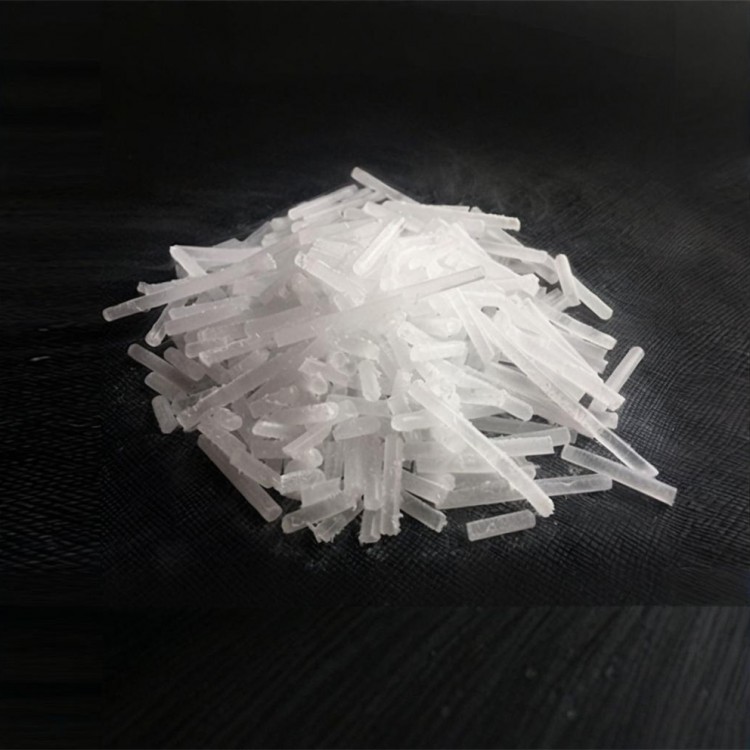 Granular Dry Ice
Product Details

General Projects: Manufacturing of basic chemical raw materials (excluding th...

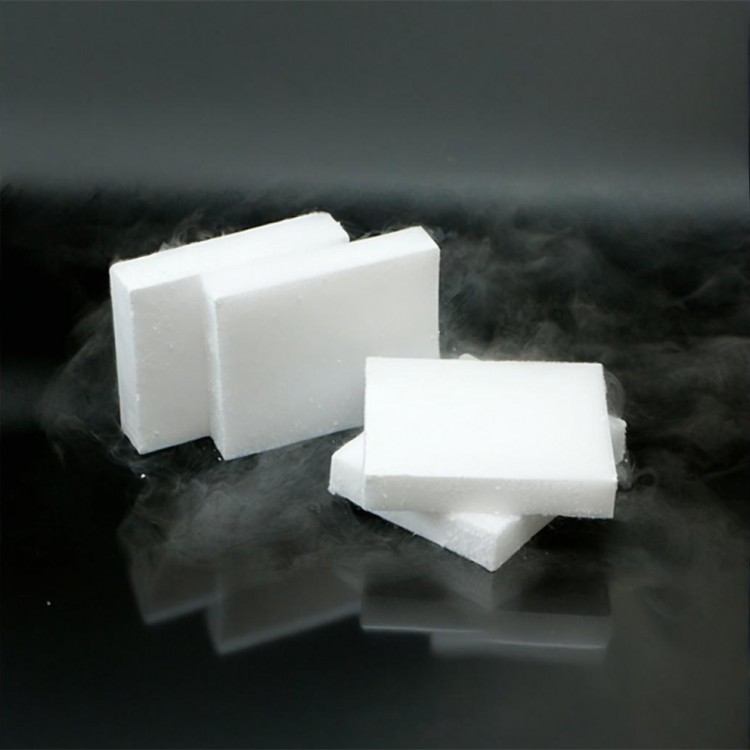
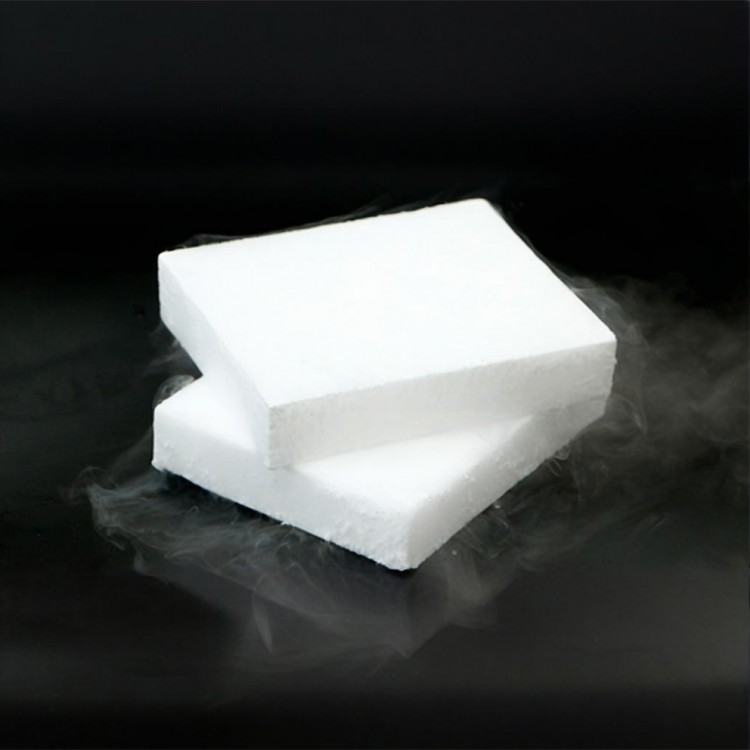
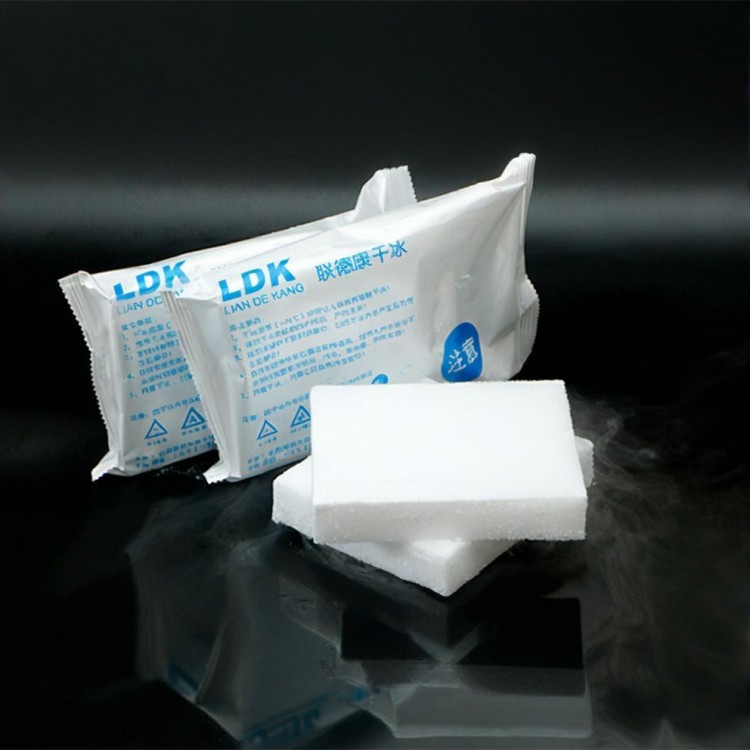
产品Price Negotiable
最小起订Quantity: 供货总Quantity:


Dry Ice Tech Term Definitions Dry Ice Dry Ice Definition 1: Solid carbon dioxide (CO2), white. Under an atmospheric pressure and at -78.5°C, it sublimates into a gas. It is widely used as a cold cloud catalyst in artificial weather modification. Applied Disciplines: Atmospheric Sciences (First-Level Discipline); Atmospheric Physics (Second-Level Discipline) Definition 2: Solid carbon dioxide. Applied Disciplines: Aquaculture (Level 1 Discipline); Preservation and Processing of Aquatic Products (Level 2 Discipline) Molecular Weight: 44.01 Density (solid) 1560 kg/m³ (-78℃) Melting Point -57℃ Freezing Point -78.5℃ Molecular Model of Dry Ice Three-phase point - 56.6°C, 5.17 x 10^5 Pascals Critical Point: 31℃; 7.37 x 10^6 Pascals Properties Colorless and odorless gas with an acidic taste. Solubility Dissolves in water (1:1 by volume), partially forming carbonic acid. Liquid to Gas Ratio: 8.726 SCF (Gas)/LB (Liquid -17.8°C, Pressure 21 kg/cm²) Liquid to Solid Conversion Ratio 0.46 (-17.8℃) 0.57 (-48℃) Dry ice is the solid form of carbon dioxide, which is an odorless and colorless gas under normal conditions and naturally present in the air. Although carbon dioxide constitutes a relatively small percentage in the air (about 0.03% by volume), it is one of the important gases we recognize. Dry ice is highly volatile, sublimating into a non-toxic, odorless gas—carbon dioxide—thousands of times larger in surface area than the solid. Therefore, dry ice should not be stored in airtight, small-volume containers as it can easily explode. It is essential to keep dry ice in a well-ventilated area to allow the gas produced by its sublimation to dissipate safely. At room temperature and under a pressure of 6079.8 kPa, carbon dioxide is condensed into a colorless liquid, which, upon rapid evaporation under low pressure, solidifies into tightly packed, ice-like solid masses. Its temperature is -78.5°C, which is dry ice. Dry ice has more than 1.5 times the cooling capacity of water ice, absorbs heat and sublimates into carbon dioxide gas, leaving no residue, being non-toxic, odorless, and has sterilizing properties. It is heated The substance is sublimated without liquefying first. Dry ice is the solid form of carbon dioxide, and due to its extremely low temperature, -78.5°C, it is commonly used to maintain objects in a frozen or low-temperature state. At room temperature, when carbon dioxide gas is compressed to approximately 101325 Pa, and a portion of the vapor is cooled to around -56°C, it will freeze into snowflake-like solid carbon dioxide. The sublimation heat of solid carbon dioxide is veryAt -60℃ it measures 364.5 J/g, and when it vaporizes under normal pressure, it can lower the surrounding temperature to around -78℃, without producing any liquid, hence the name "dry ice."Dry ice can also be used for artificial precipitation. When placed in the air, it can rapidly absorb a large amount of heat, causing the surrounding temperature to drop quickly and transforming water vapor into tiny droplets, thereby achieving the purpose of precipitation. Additionally, substances like silver iodide (AgI) also...Has similar properties. Application Scope Dry ice applications in the electronics industry Clean internal grease and dirt from cleaning robots and automated equipment; remove solder paste, contaminated coatings, resins, solvent-based coatings, protective layers, and photosensitive anti-corrosive agents on printed circuit boards; the application range of dry ice in the field of refrigerated transportation. Low-temperature transportation for medical uses, as well as for special medications like plasma and vaccines. Transportation of electronic low-temperature materials and precision components, both short and long distance. Transportation and preservation of high-end food products, such as premium beef and mutton. Due to these properties of dry ice, it has been used by some computer overclocking enthusiasts in recent years to cool and overclock CPU/GPU processors. Impulse records. Price Prices vary, as dry ice is a common refrigerant, it is sold in specialized chemical factories in major cities, with prices ranging from 10 to 15 yuan per kilogram, which is still acceptable for enthusiasts. Dry ice is commonly categorized into culinary, medical, and industrial types. Culinary dry ice is typically used for food refrigeration and is widely used in bars and restaurants, costing slightly more than industrial dry ice. If industrial dry ice is unavailable, you can purchase culinary dry ice from food sales departments. Marketed dry ice is usually available in block, granular, or powdered form, with granular or powdered dry ice used for overclocking. It's best to avoid purchasing block form, as large pieces are very hard to break. Be cautious every time you handle dry ice, and always use thick cotton gloves or other protective materials to touch it! Prolonged direct contact with the skin can cause cell freezing and injuries similar to minor or severe burns. Do not use dry ice in areas like car interiors or ship cabins, as the sublimated carbon dioxide can displace oxygen, potentially leading to shortness of breath or even asphyxiation! Do not allow children to come into contact with dry ice alone!! 2. Dry ice is extremely cold; do not place it in your mouth, and prevent frostbite at all costs!! 3. Always use thick cotton gloves, clamps, or other protective materials when handling dry ice (plastic gloves are NOT effective as barriers!!) 4. Use dry ice in a well-ventilated area; absolutely avoid keeping it in a sealed space with dry ice!! 5. Dry ice should not be shipped with liquids. Warning: Proper and safe handling of dry ice is essential to prevent injury. During overclocking, be aware that dry ice sublimates very quickly at normal temperature and pressure; failing to use it promptly could result in its rapid disappearance, especially in summer. A 20-kilogram box of dry ice will completely sublime after being placed in a room at normal temperature for 24 hours. Before using dry ice for cooling during overclocking, there are two important reminders: first, maintain good ventilation in the room, and second, wear protective gloves. Since dry ice is a low-temperature substance, safety must be a priority during use, as frostbite pain can be as severe as burn pain. Additionally, pay attention to the amount of dry ice added. Many believe that filling the entire casing with dry ice will yield better cooling results, but it also leads to excessive condensation, which can cause accidents if water droplets land on circuit boards. In reality, after the processor reaches a stable operating state, cooling and heat dissipation will reach a temperature equilibrium point, and adding an excessive amount of dry ice will not lower the processor temperature further. Experienced extreme overclockers can effectively manage this balance, achieving good cooling results with minimal dry ice. Frostbite Symptoms and Treatment Measures Frostbite Definition Frostbite refers to the injury of skin and tissue in a body part due to prolonged exposure to cold conditions. Symptoms The skin will feel very cold and may appear slightly red before frostbite occurs. The skin will first lose its color, but as frostbite gradually forms, it may turn white or a grayish yellow, or have spots on a white background. May develop blisters. Could be a bit painful, or you might not even realize you've been frostbitten. Initial symptoms of frostbite (frostnip) include tingling, followed by numbness and stiffness, with the affected area appearing pale; it can be fully recovered with rewarming at this stage. If the initial frostbite is not treated, it may progress to superficial frostbite, where the skin and subcutaneous tissue have already necrotized, the skin remains pale or slightly gray, feeling cold but soft; after thawing, it may become red and painful, and large blisters resembling second-degree burns may form within one to several days; after several more days, the blisters dry up and form black eschar, which will eventually be replaced by new skin if no infection occurs. Cold Injury Treatment Measures Move to a warm area and keep the affected area in a warm, dry environment. Remove any constrictive items to prevent difficulty in removal during swelling. Place in a gradually adjusted warm water bath (38.8~40.5 degrees) to retain heat. Do not expose dry ice to cold again; elevate the affected area to alleviate pain and swelling, then wrap the area with clean gauze and seek medical attention; the purpose of first aid is to restore the frozen body fluids to normal. Therefore, if the surrounding area can be warmed, healing can occur quickly. Do not immerse the affected area directly in hot water or use fire to warm the area, as this may worsen frostbite. Since massage can cause complications, refrain from massaging the affected area. Caution --- Do not massage, bake, or puncture blisters to prevent infection of the affected area. As we know, dry ice cleaning can also be referred to as dry ice blast cleaning, CO2 cleaning, or low-temperature cleaning. The characteristics of dry ice cleaning technology distinguish it from other cleaning processes. The major benefits include its applicability, environmental friendliness, practicality, cost-effectiveness, and safety for the customer's specific dry ice cleaning solutions. Dry Ice Cleaning Technology Applications Dry ice cleaning technology can also replace certain "mixed cleaning techniques," such as traditional methods like using degreasing agents to clean dirt, acid washing to remove rust from metal surfaces, and diluting paint with solvents. However, from an industrial practicality standpoint, the application of dry ice cleaning technology is related to the national environmental awareness and legal requirements, meaning that when traditional processes fail to meet environmental standards, dry ice cleaning can replace conventional cleaning methods. From a process perspective, the principle of any cleaning process is to ensure that the workpiece being cleaned is not damaged, and to guarantee the integrity of the workpiece. The dry ice cleaning process must also adhere to this principle. Dry ice cleaning involves atomizing dry ice particles onto the surface of the workpiece, which must withstand a certain level of air pressure. If the workpiece surface cannot withstand this pressure, dry ice cleaning should not be used. Dry ice cleaning is widely used in the fields of nuclear energy, metallurgy, casting, petroleum, chemical industry, rubber, plastic, shipping, automotive, food, medicine, machinery, printing, electricity, and electronics... Cost of dry ice cleaning Another critical issue in determining whether dry ice cleaning can replace traditional cleaning processes is the cost of the process. This inevitably ties into the consumption of dry ice, pressure levels, and flow rates, as well as the resulting cost implications. However, the process cost of any cleaning method is directly related to the original condition of the item being cleaned and the required cleaning precision. Different cleaning precision requirements and conditions can lead to significant cost variations. Firstly, the process material for dry ice cleaning primarily consists of dry ice and compressed air. The compressed air source is virtually limitless and requires no transportation, hence there are no costs associated with procuring and shipping raw materials. The main ingredient is dry ice. The cost of dry ice is relatively calculable as it takes 3.0 tons of liquid carbon dioxide to produce 1 ton of high-quality dry ice. Additionally, the key feature of dry ice cleaning is its speed. Dry ice has a very high volatility, making slow operations impossible, and the stripping speed is also high, thus achieving rapid cleaning. Secondly, dry ice cleaning is a "dry process," which does not produce any conductive medium, preventing any residual conductive material from damaging devices, making it the preferred method for items not suitable for "wet cleaning." Most importantly, dry ice cleaning does not generate secondary pollution, eliminating the need for recycling and processing cleaning media, significantly reducing costs. As for the final destination of the material being cleaned, since dry ice cleaning is a physical cleaning process, by principle, the cleaned material is merely stripped away and does not vanish. The destination of the material removed during dry ice cleaning
Dry ice cleaning technology involves rapidly freezing the object to be cleaned without altering its chemical properties, causing it to develop microscopic cracks. Dry ice then forcibly enters these cracks, rapidly expanding and forcing the cleaning material to be stripped away. Therefore, it is classified as a "physical cleaning method." Theoretically, dry ice cleaning can replace traditional physical cleaning processes such as sandblasting, water jetting, and wiping.
The consumption of dry ice is a major concern for users. In fact, the consumption of dry ice is closely related to the cleaning conditions and precision. For heavily soiled, strongly adherent substances like paint, scale, carbon deposits, and weld slag, they must be removed through deep freezing and effective impact, causing the substances to crack and detach layer by layer. As a result, the ice consumption necessarily increases, and so does the requirement for air pressure, leading to higher costs. However, for substances with low adhesion, such as light oil stains, strong compressed air is not needed. Low-pressure cleaning can be used, significantly reducing the dry ice consumption and, consequently, the cost.
Phone Consultation