
- AllProduct Category
-
Natural Gas Compressor
Compressed Air Station Compressor
Piston Compressor
Specialty Gas Compressors
Unloading Compressor
Medium & High Pressure Compressors


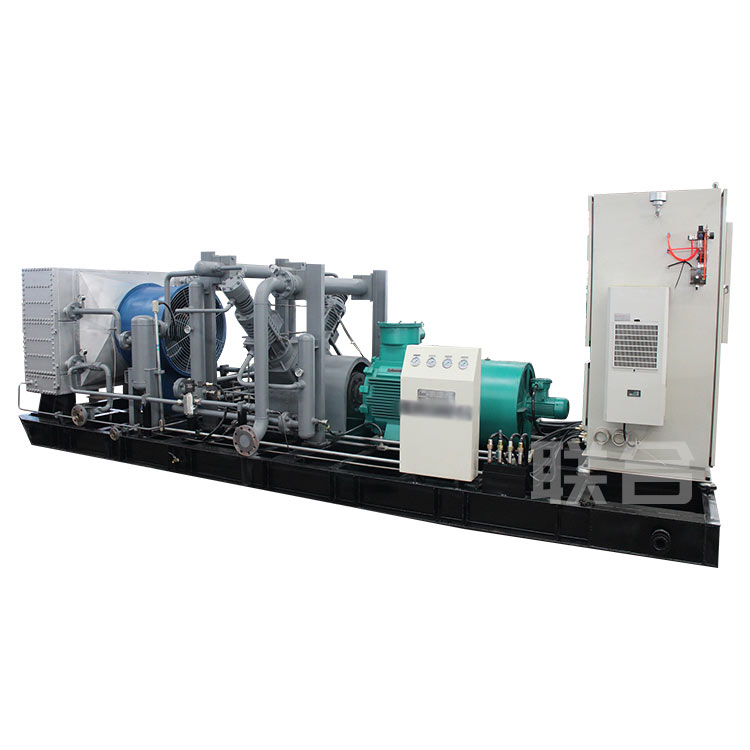
详情描述
Product Introduction:
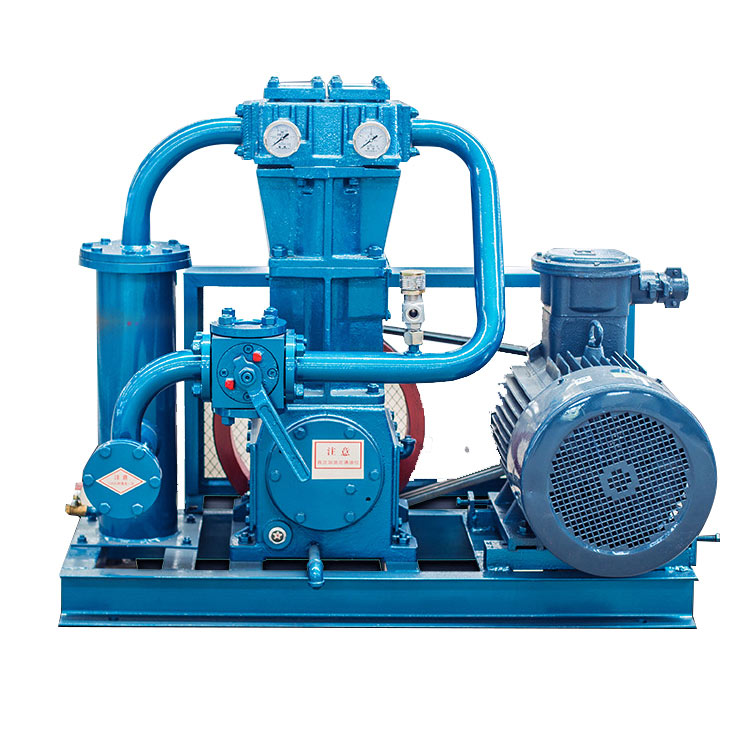
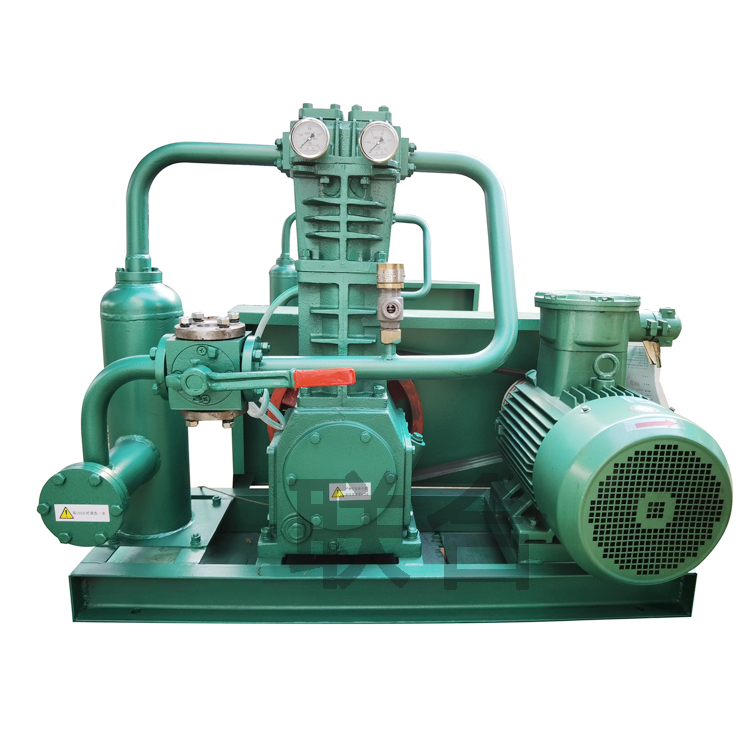
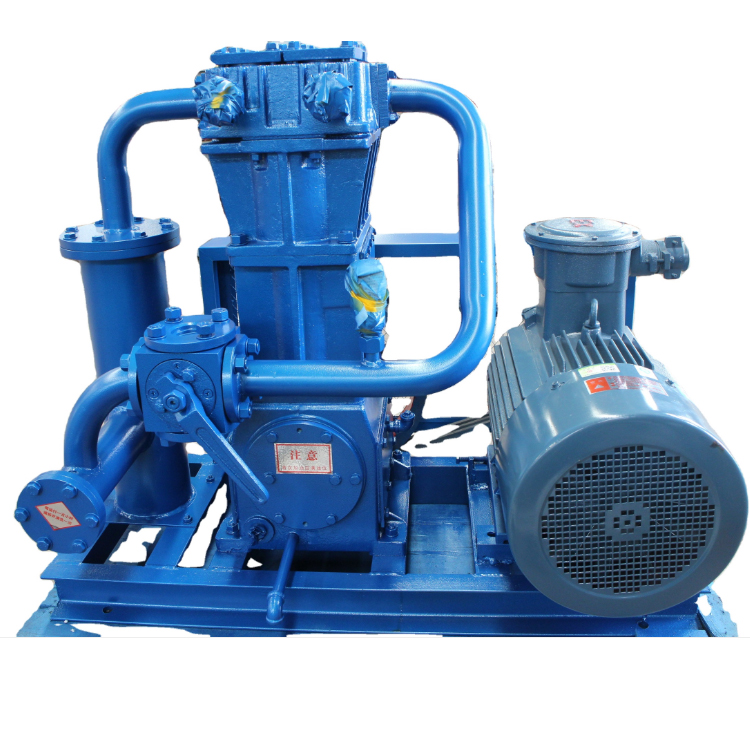
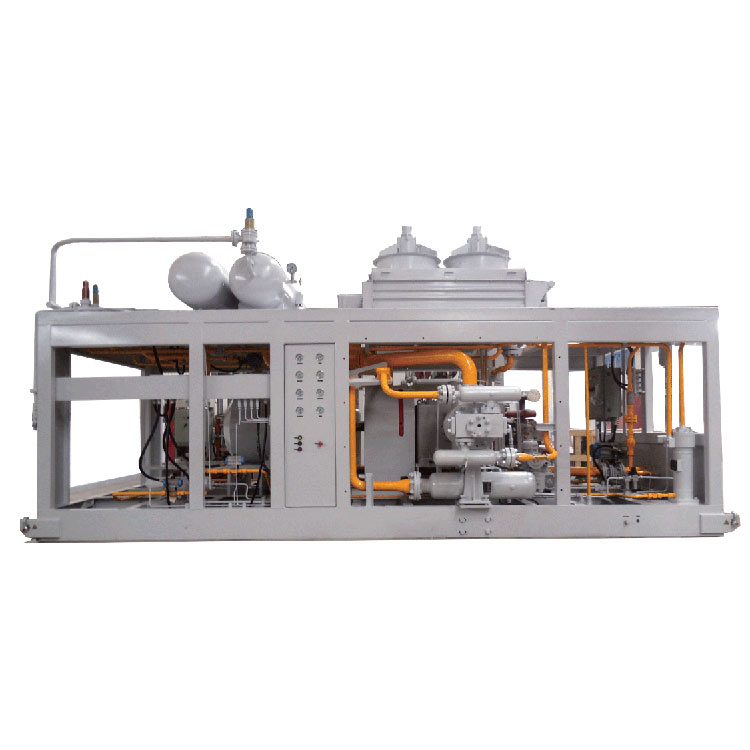
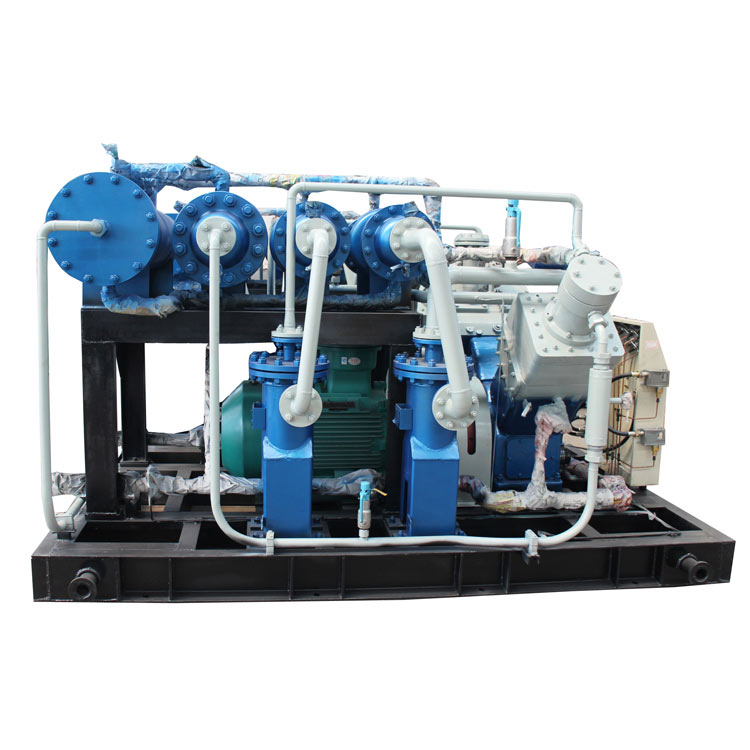
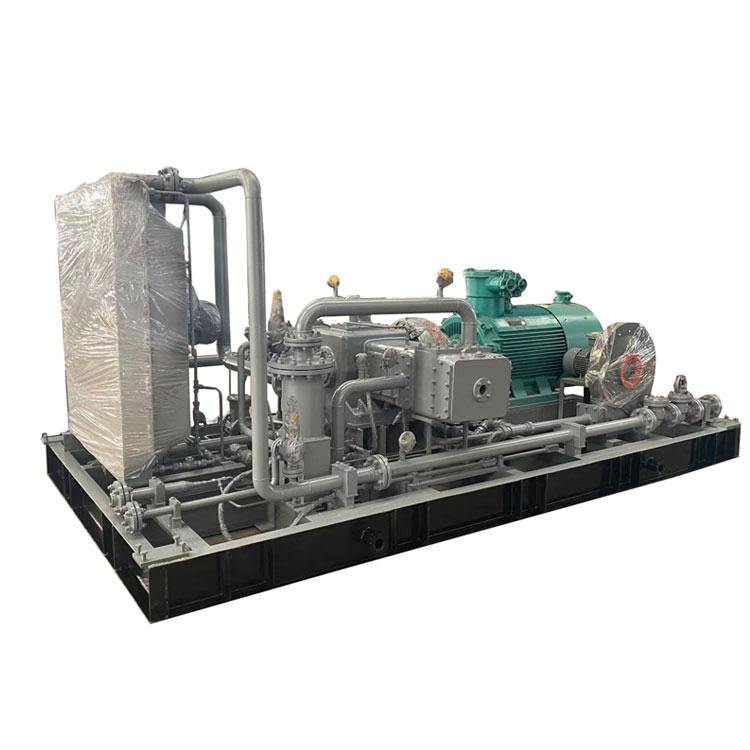
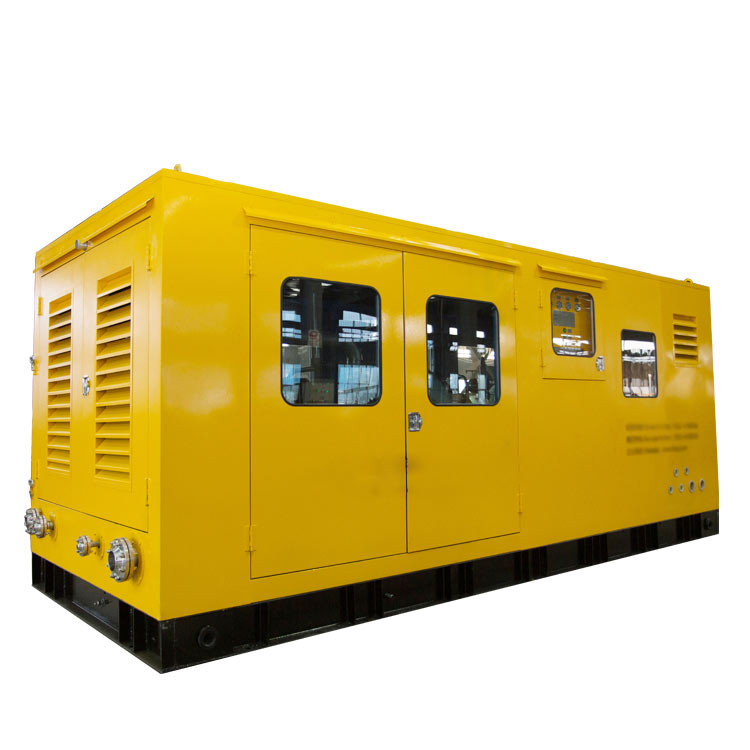
ZW-1.1/10-16 Ammonia Compressor
Equipment Specifications:
Compressed Gas: Ammonia Gas
Flow Rate: 1.1 m³/min
Inlet Pressure: 1.0 MPa
Exhaust Pressure: 1.6 MPa
Application Fields:
Primarily used for unloading, loading, tank transfer, waste gas recovery, and residue fluid recovery processes of process gases.
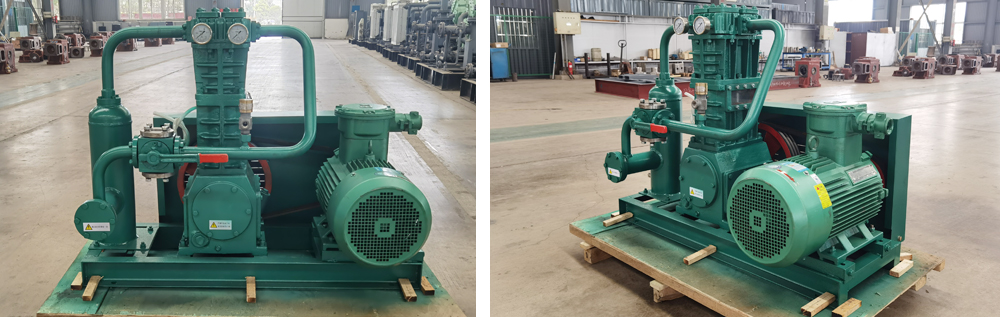
Product Overview:Ammonia Gas CompressorCan be used for unloading purposes. Also suitable for other chemical processes. During unloading, the inlet and exhaust pressure will undergo linear changes with the unloading process, but it is necessary to ensure that the exhaust pressure of the ammonia compressor is always higher than the tank pressure. The inlet and exhaust pressures can be adjusted accordingly.0.1~1.0 MPA; exhaust pressure ranges from 0.2~1.6 MPA; exhaust flow ranges from 10~20,000 NM3/H. Compression stages can be 1 stage.
Features and Performance: The ammonia compressor unit is characterized by a complete configuration, simple structure, easy maintenance, and reliable safety. Application Range: Widely used in chemical factories, ammonia station liquid ammonia unloading, power plant desulfurization, etc.
This series of oil-free lubricated ammonia compressors is one of the products from our Bengbu United Compressor Co., Ltd. The ammonia compressors feature low rotational speed, high component strength, and offer stable operation, long service life, and easy maintenance. The ZW series compressors come in a unitized machine set. It integrates the compressor, gas-liquid separator, filter, two-way four-way valve, safety valve, check valve, explosion-proof motor, and base into one unit. It boasts compact size, light weight, low noise, good sealing, easy installation, and simple operation.
This product is primarily used for unloading, loading, tank transfer, waste gas recovery, and residue liquid recovery of liquefied petroleum/gas/Butane C4, propylene, and liquid ammonia. It is widely applied in industries such as gas, chemical, and energy, and is a key equipment for these industries.
Note: During unloading, the compressor boosts the gas pressure from the storage tank and then injects it into the tanker through the gas phase pipeline. The liquid is then pushed from the tanker to the storage tank by the pressure difference of the gas phase, completing the unloading process. When the gas phase is pressurized, the temperature of the gas phase increases. There is no need for forced cooling at this point, as cooling the gas phase after compression can lead to condensation, making it difficult to establish the gas phase pressure difference and不利于 the exchange between gas and liquid phases. In short, this can prolong the unloading process. If gas recovery is required, during the gas recovery operation, a cooler can be used to force-cool the gas phase to facilitate the quickest recovery of excess gas.