
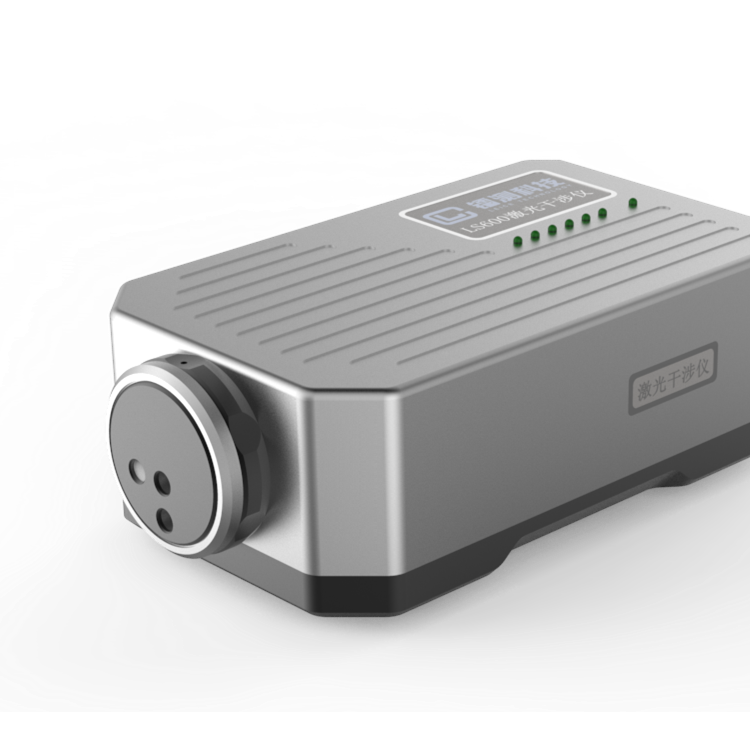
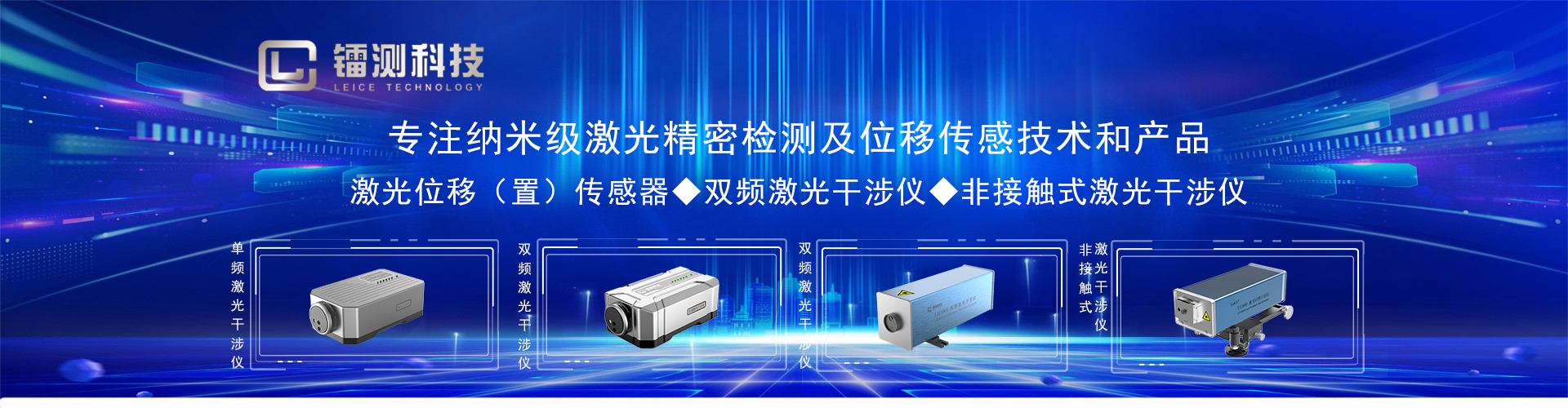
 LS600 Single Frequency Laser Interferometer
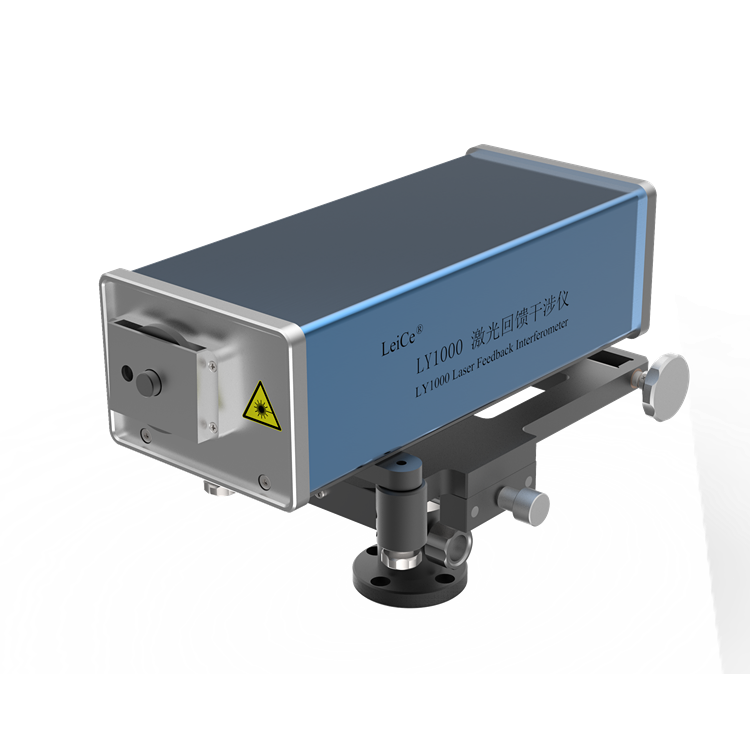 LY1000 Contactless Laser Interferometer
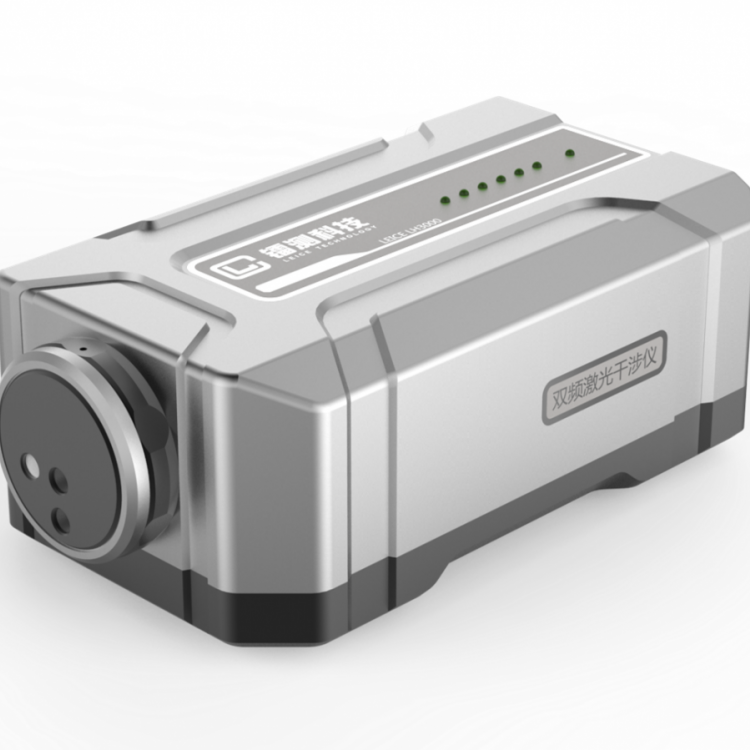
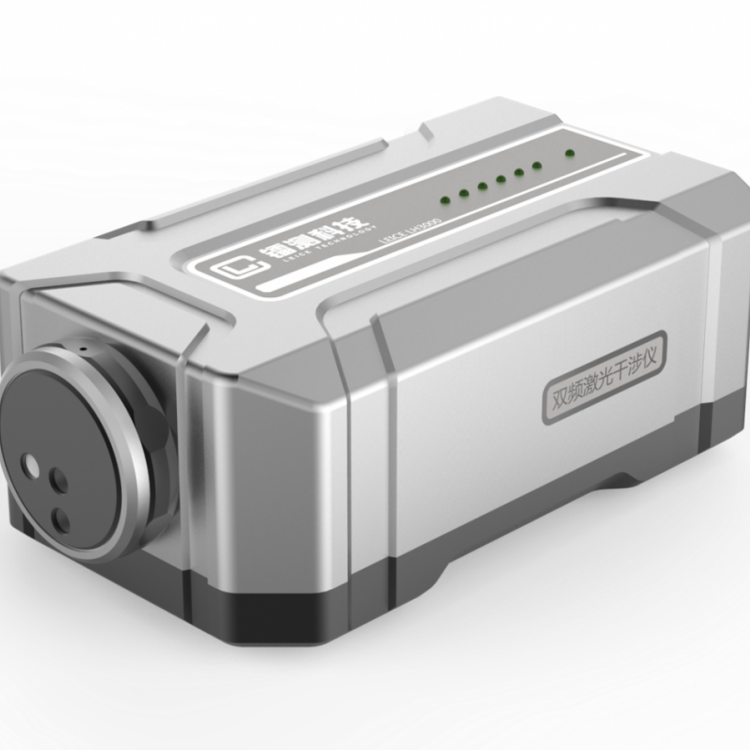
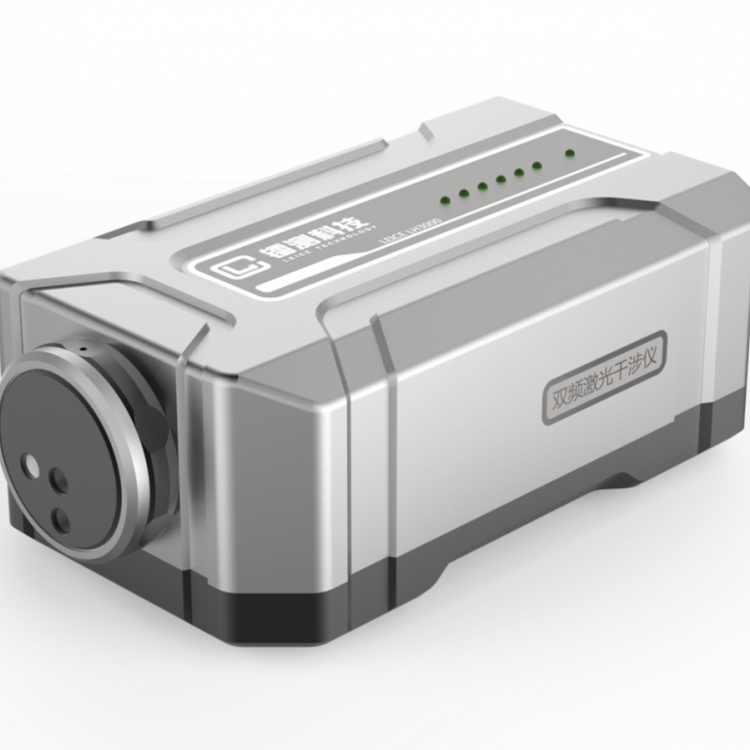
 LH1000 Dual-Frequency Laser Interferometer
 Dual-frequency laser
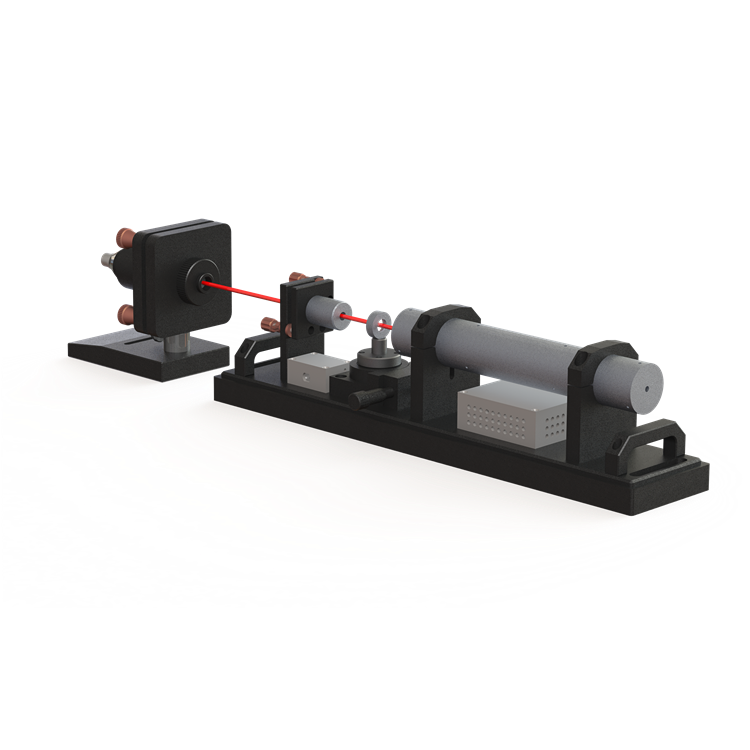 LT1000C Laser Frequency Splitting and Mode Competition Educational Instrument
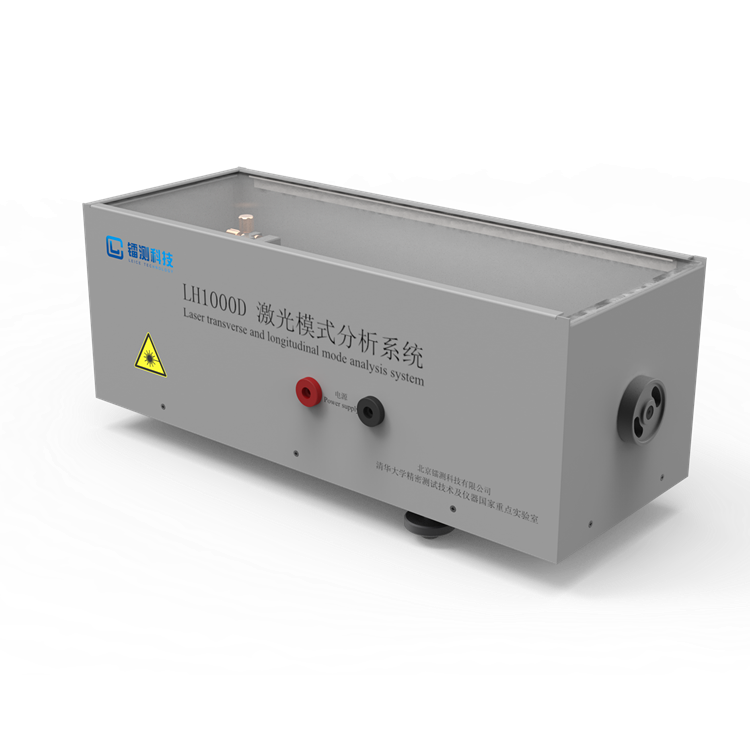 LT1000D Laser Multi-Order Transverse-Longitudinal Mode Educational Experimental System
Product Details


产品Price Negotiable
最小起订Quantity: 供货总Quantity:


Dual-frequency laser frequency difference |
|
Laser Frequency Stabilization Accuracy |
±0.03 ppm |
Vacuum Wavelength |
632.99 nm |
The dual-frequency laser interferometer is a heterodyne interferometer developed from the single-frequency laser interferometer. Traditional single-frequency laser interferometers use single-frequency technology and are prone to external environmental interference. Even minor air turbulence can cause changes in the DC level, affecting measurement results, which is a fundamental weakness of single-frequency interferometers. This drawback is particularly pronounced in harsh testing environments or long measurement distances. The dual-frequency laser interferometer overcomes this shortcoming. The dual-frequency interferometer utilizes dual-frequency lasers, with its interference signal being an alternating current (AC) signal with a frequency of approximately 1.5-8 MHz. As the movable prism moves, the interference signal of the dual-frequency interferometer merely increases or decreases by Δf, still resulting in an AC signal. The change in this AC signal frequency depends on the position of the movable prism and is not affected by DC light levels or level changes, thus it has strong anti-interference capabilities and is suitable for conducting inspections under various environmental conditions. Product Advantages: Utilizing dual-frequency laser for high measurement accuracy For more information on the performance features and differences between single-frequency and dual-frequency interferometers, please refer to our Solutions section on this website: Dual-frequency Laser Interferometer.
The dual-frequency laser interferometer utilizes heterodyne technology, offering excellent resistance to environmental interference and inherent stability, making it ideal for workshop production environments. The LH3000 dual-frequency laser interferometer, developed by Ray Measurement Technology, is based on the core technology of the National Key Laboratory of Precision Measurement Technology and Instrumentation at Tsinghua University, and its technical specifications meet or exceed those of comparable foreign products. The LH3000 can be combined with various optical components to detect geometric quantities such as linearity, angle, straightness, perpendicularity, parallelism, and flatness, serving as a precision linear displacement measurement tool, CNC machine calibration, 3-axis machine calibration, and optical table calibration.
System Composition:
LH3000 dual-frequency laser head and accessories
LC-2000 Environmental Compensation Unit
Leica Measurement Software, Leica Analysis Software
Linear Displacement Measurement Mirror Set (optional: Angle, Straightness, Verticality, Planarity Measurement Mirror Sets, etc.)
Optical Adjustment Accessory
Tripod and other measuring accessories
Compact design, suitable for on-the-go service use
Strong anti-interference capability; ensures stable and accurate detection over long distances for large machine tools.
Automatic environmental compensation; accurate detection in varying temperatures, humidity, and pressure conditions
Measurement analysis software compliant with national standard testing and calibration requirements
Automatically generate measurement data reports and error correction compensation files.
Typical frequency difference: 7 ± 0.5 MHz, speed measurement up to 2 m/s.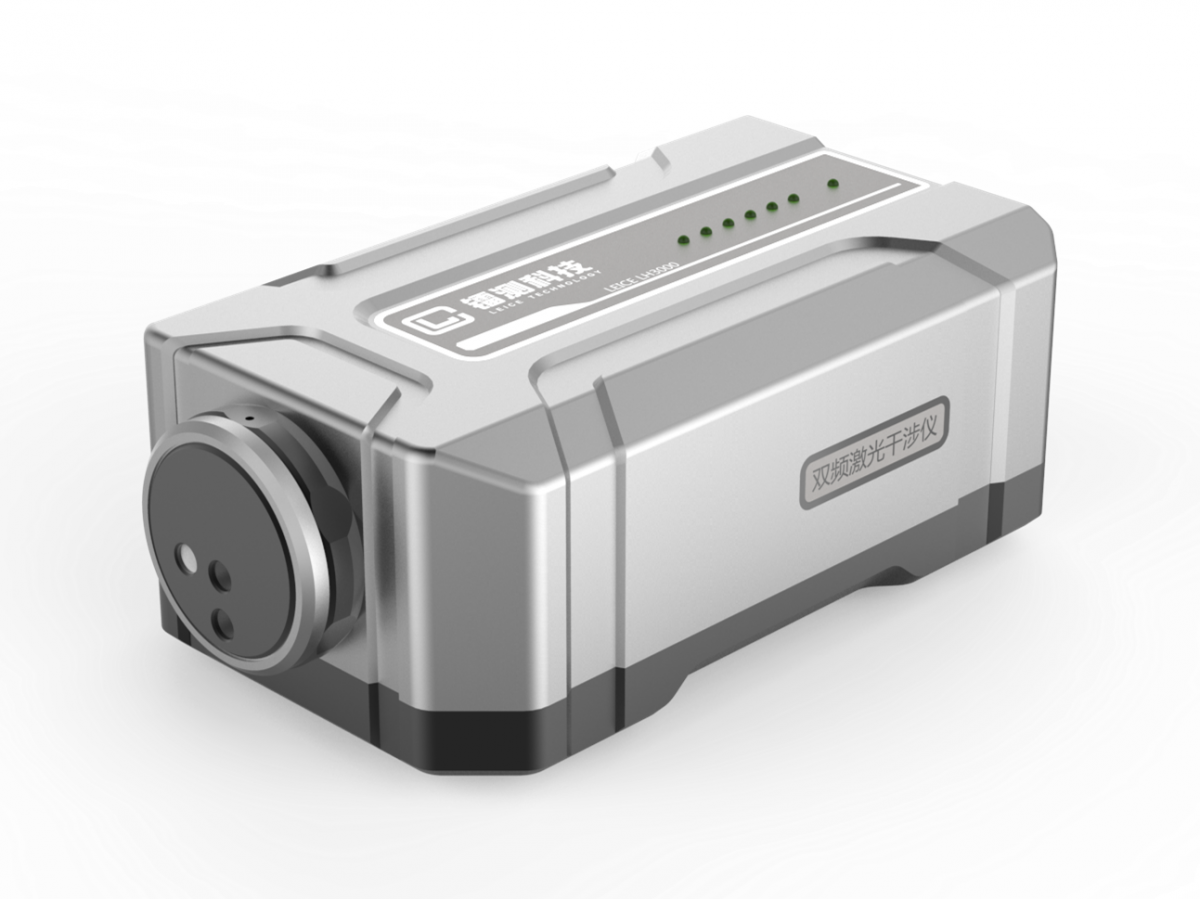

Phone Consultation
QQ Service