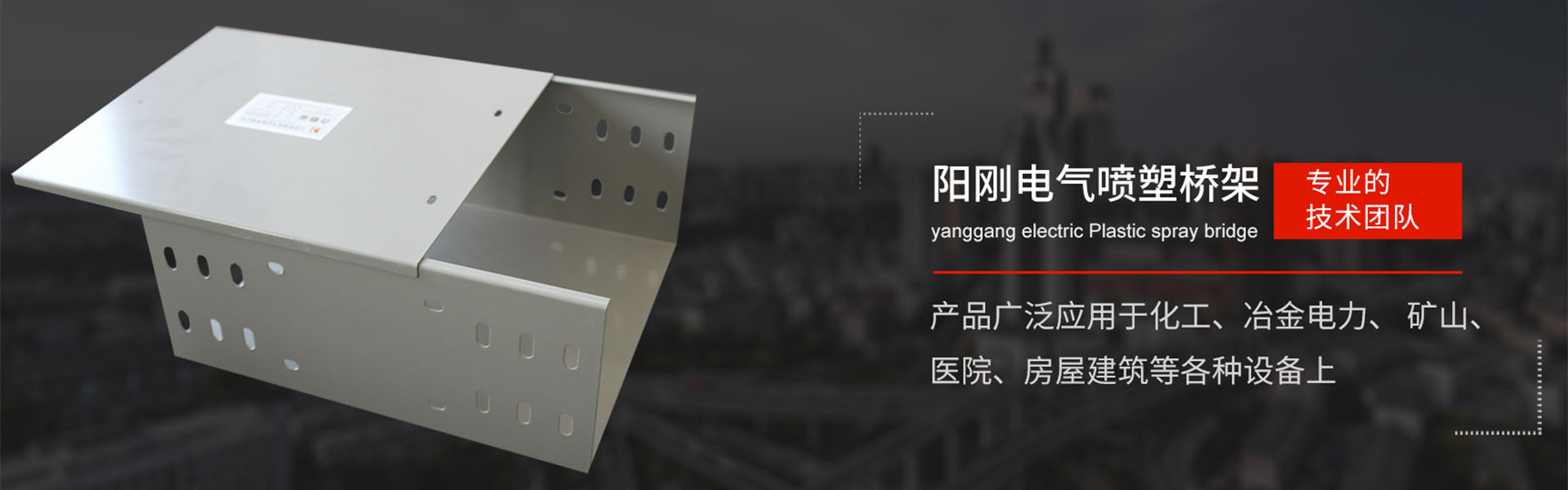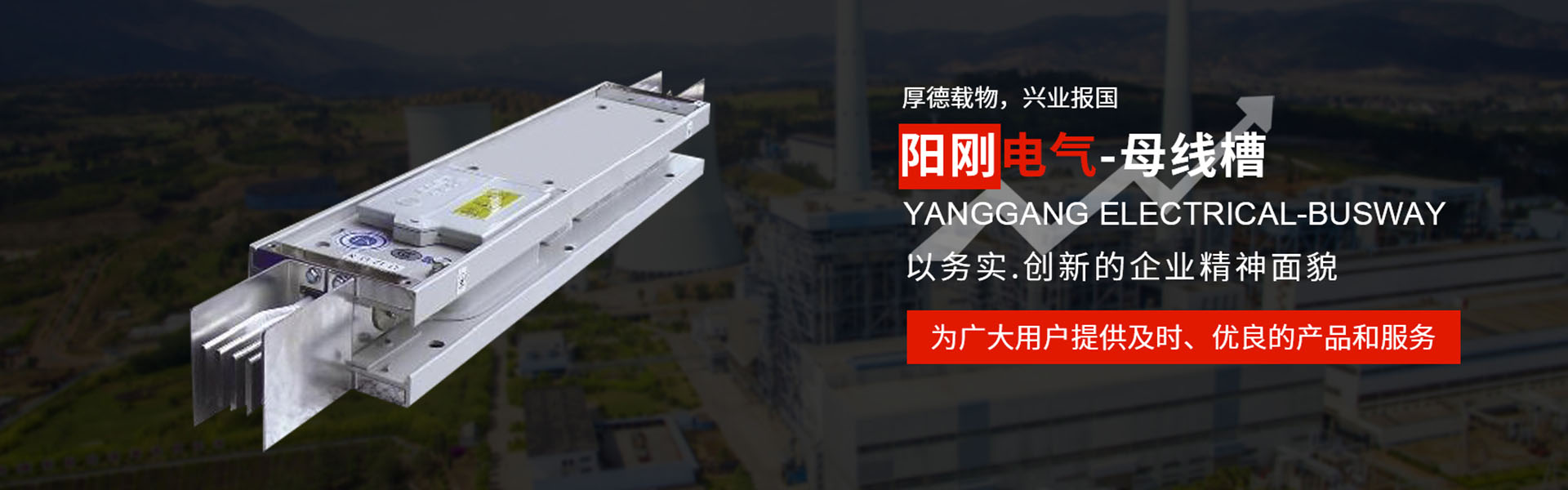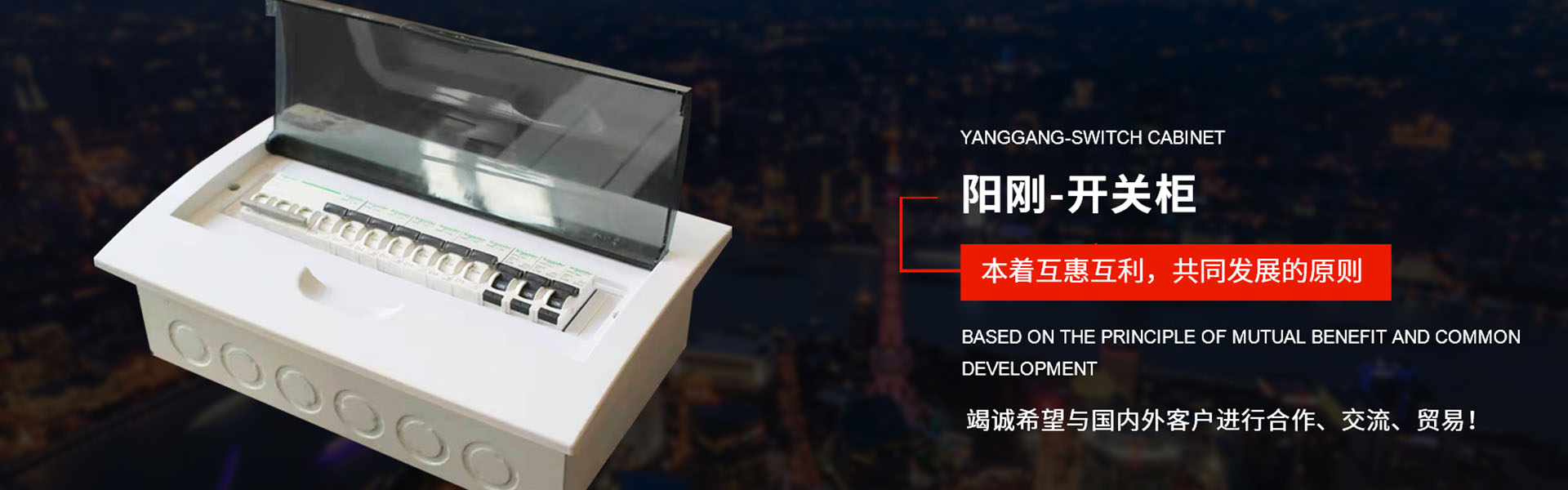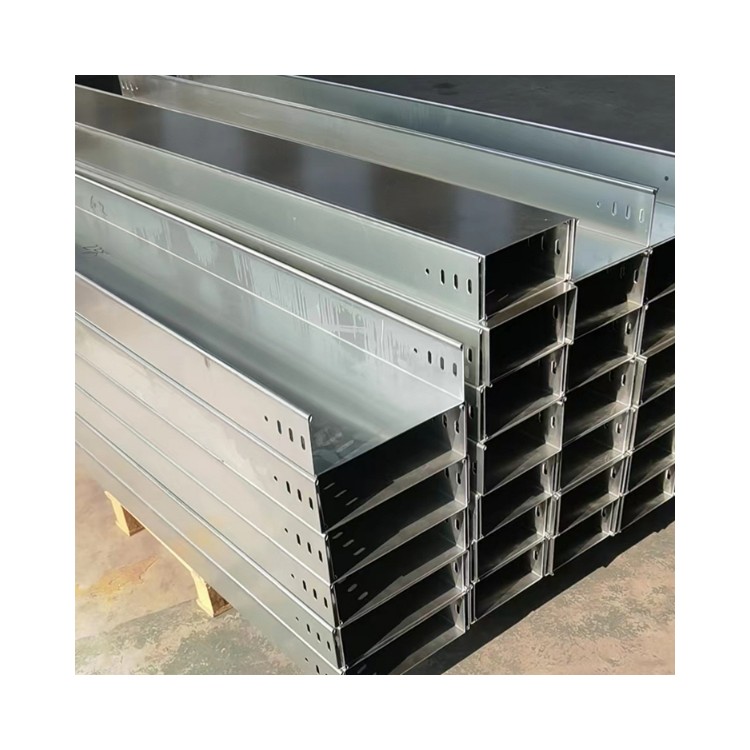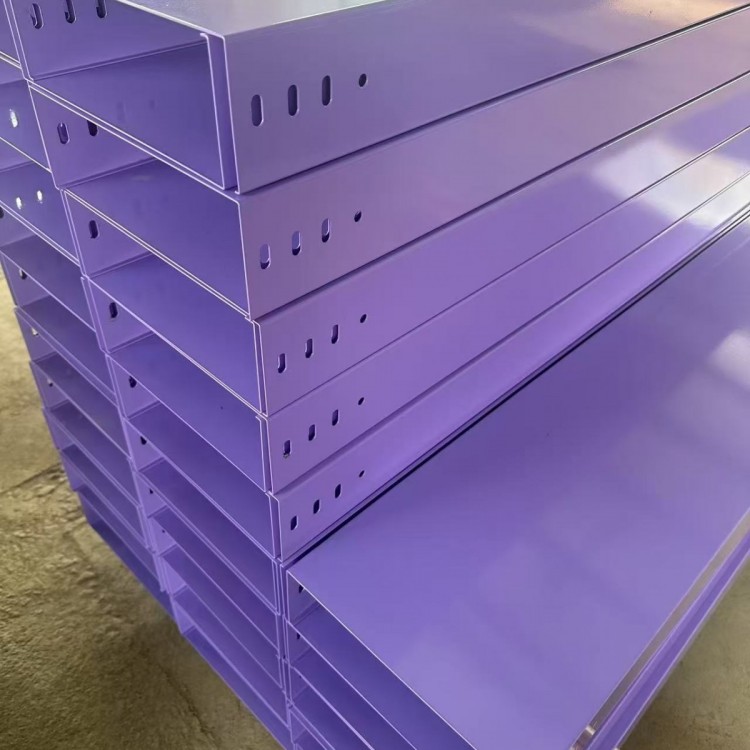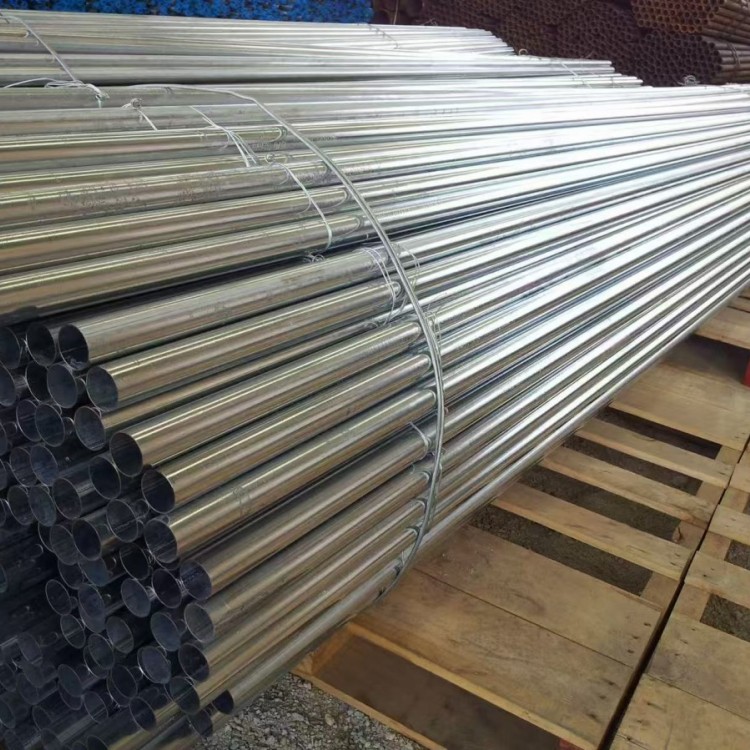
Bridge supports, conduit, busway, aluminum alloy bridge s...


Product Recommendation
What is the difference between busway and bridge in high-voltage busway槽 factory?
Firstly, these two products are not of the same category. Busbars serve the same function as cables, which is to transmit current. Bridge supports are a type of bracket, commonly used for laying and routing cables on them. Busbars and bridge supports are complementary to each other. Busbars cannot be installed on their own and require bridge supports for support and fixation.
Busbars are electrical products consisting of a system made up of a metal plate, either an aluminum alloy or steel casing for protection, copper or aluminum busbars for conductivity, insulating materials, and relevant accessories. They can be manufactured in standard length sections, with junction boxes at regular intervals for easy connection, or as a type of enclosed busbar without junction boxes in the middle, which greatly facilitates power distribution and installation/maintenance.
What is the difference between busbars and bridgeways? Dense busbar cable bridgeways are available in materials such as glass fiber, steel, and aluminum alloys, mainly to cater to different usage environments. Bridgeways consist of three types of components: brackets, accessories, and support (hanging) brackets, forming a continuous rigid structural system to support cable routes. They are cable laying devices that achieve standardization, serialization, and generalization of electrical wire, cable, and conduit laying, including four types: stepped, tray, channel, and modular. They have a larger bending radius, can be perforated or not, and can be semi-enclosed or fully enclosed. Line channels, on the other hand, are used for laying electrical wires, control wires, or signal lines, with a much smaller bending radius than bridgeways and are fully enclosed.


b2b.china9.net © Zhongshang 114 Hebei Network Technology Co., Ltd.Address: Room 6009, Oriental New World Center, No.118 East Zhongshan Road, Qiaoxi District, Shijiazhuang City, Hebei ProvincePlatform Service Hotline: 4006299930