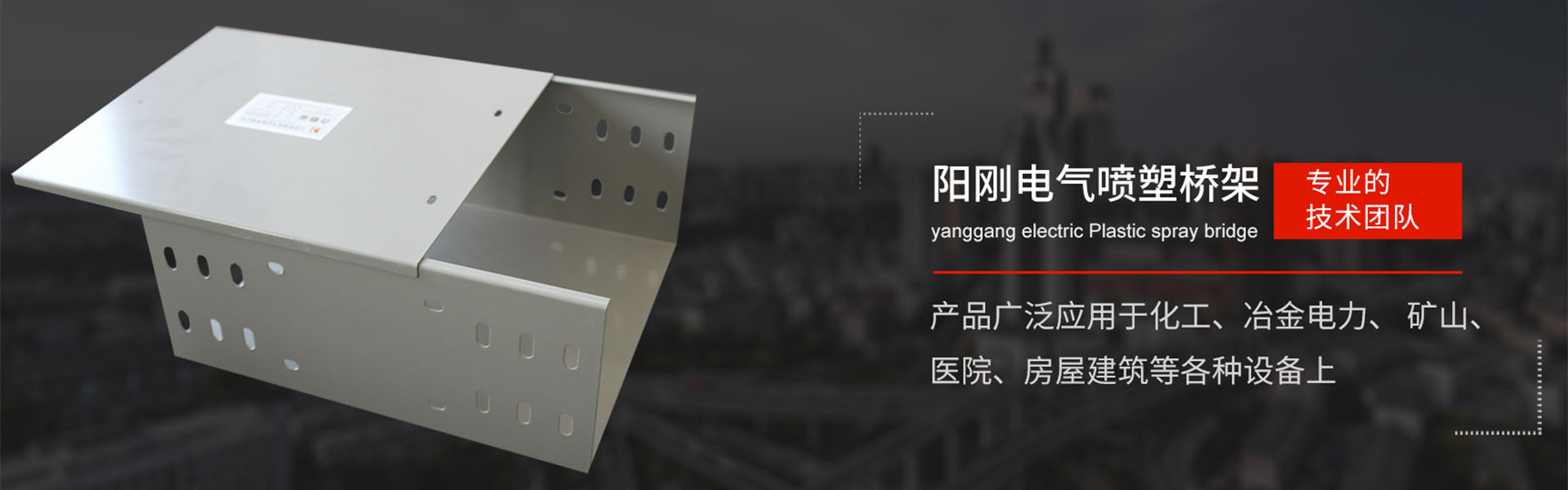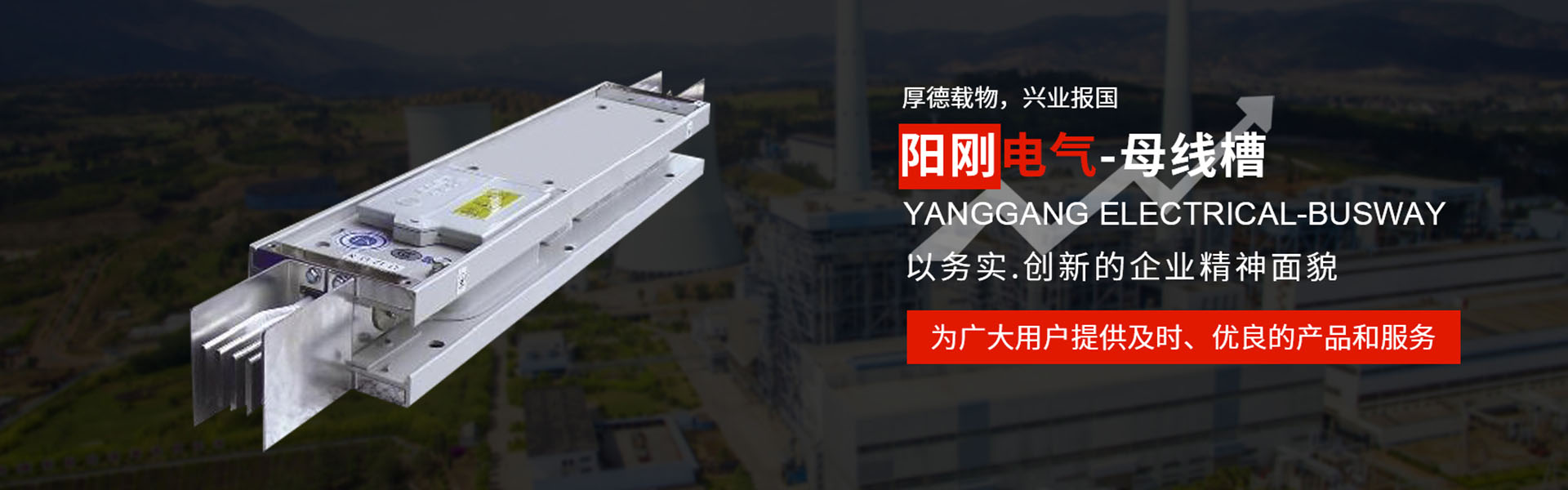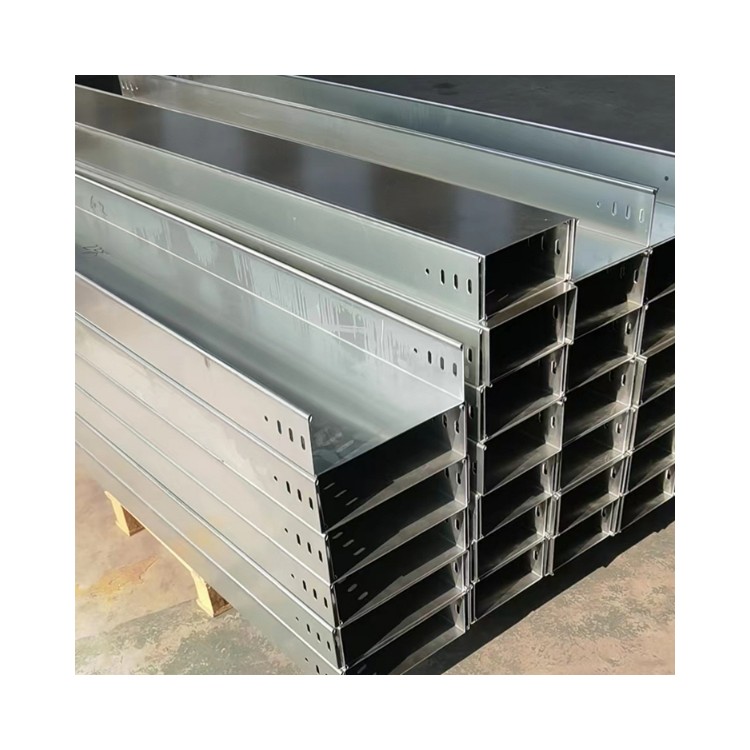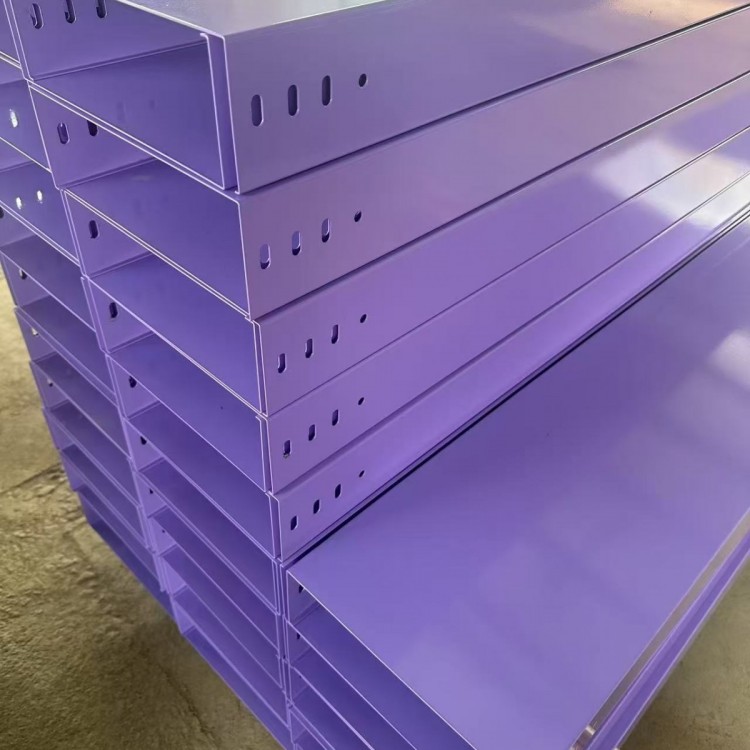
Bridge supports, conduit, busway, aluminum alloy bridge s...


Product Recommendation
What's the Difference Between Cable Trays and Raceways?
Some people have a vague understanding of bridge supports and conduits, believing they are the same product, while others think they are completely different. Some might even find it amusing to think that bridge supports are used beneath bridges. In reality, both bridge supports and conduits are used for protecting cables, but they have different applications. Below, we'll explain their classifications starting with cable bridge supports: 1. Cable bridge supports are categorized into: channel-type, tray-type, ladder-type, and mesh-type structures, composed of brackets, support arms, and installation accessories. They can be independently installed or attached to various building structures and pipeline supports, showcasing features such as simple structure, aesthetic design, flexible configuration, and easy maintenance. All components require galvanizing treatment. For outdoor bridge supports installed on buildings, if they are near the seaside or in a corrosive area, the material must possess anti-corrosion, moisture resistance, good adhesion, and high impact strength properties.
Secondly, Galvanized Cable Channels: The galvanized cable channels are categorized into: insulated wiring channels, pull-out wiring channels, mini wiring channels, partitioned wiring channels, interior decoration wiring channels, all-in-one insulated wiring channels, telephone wiring channels, Japanese-style telephone wiring channels, open wiring channels, round conduit pipes, exhibition partitioned wiring channels, round floor wiring channels, soft round floor wiring channels, lid-type wiring channels, etc. Depending on the material, there are various types of channels, commonly including eco-friendly PVC channels, halogen-free PPO channels, halogen-free PC/ABS channels, steel-aluminum metal channels, and so on.
The difference between cable trays and conduits: 1. Different size specifications: Trays are generally larger (200×100 to 1200×200), while conduits are relatively smaller. If there are many cables and wires, it is recommended to use trays.
2. Material Thickness Variations: The metal line槽, also known as a槽式桥架 according to JGJ16-2008-5.1, is typically a槽-shaped component made from a whole sheet of steel plate with a thickness ranging from 0.4 to 1.5mm. Conceptually, it differs from a bridge due to its different height-to-width ratio; the disk-like bridge is shallow and wide, while the metal line槽 has a certain depth and enclosure. However, the bridge is more robust than the line槽 and is more commonly used for cable placement. Of course, it can also hold wires, usually for high-voltage systems.
3. Filling Rate Variations: According to JGJ16-2008 Section 8.5.3, the total cross-sectional area of the wires and cables within the conduit shall not exceed 20% of the conduit's cross-sectional area, and the number of current-carrying conductors should not exceed 30. For bridgeways, the total cross-sectional area of the cables should not exceed 40% of the cross-sectional area. This is due to the difference in installation height; lower installation heights require covers, which hinder heat dissipation, thus requiring a lower filling rate.
4. Sealability Variations: Metal conduit offers better sealing and does not necessarily require support brackets; it can be installed in cable trenches or between building layers. Some槽式 bridgeways are semi-open, and they must be supported by brackets, typically suspended in the air indoors or outdoors.
5. Strength Variations: Bridgeways are primarily used for laying power and control cables, while conduits have lower strength and are typically used for running wires and communication cables, such as network telephones. 6. Bend Radius Differences: Bridgeways have larger bend radii, whereas conduits mostly make right-angle bends.
7. Span Variations: The bridge spacing is wider, while the cable tray spacing is narrower. Consequently, there are significant differences in the fixed brackets, and the number of suspension brackets varies greatly.
8. Spacing of support brackets varies: According to JGJ16-2008, the spacing for cable trays should not exceed 2 meters, while for bridge supports, it ranges from 1.5 to 3 meters.
9. Different installation methods: Bridgeways have specific regulations (refer to CECS31.91), whereas conduits lack specialized regulations for fixation.
10. Ladder Cover Issue: According to CECS31 "Design Code for Steel Cable Trays Engineering," the term 'tray' is a general term, while the cover is an accessory, as mentioned in JGJ16-2008, Section 8.10.3. It states that if the installation height of the tray does not meet the requirements, a cover should be added for protection. This means that the term 'tray' does not include the cover. However, in GB29415-2013 "Fire-Resistant Cable Channels," the channel includes the cover, forming an integral part of the channel.


b2b.china9.net © Zhongshang 114 Hebei Network Technology Co., Ltd.Address: Room 6009, Oriental New World Center, No.118 East Zhongshan Road, Qiaoxi District, Shijiazhuang City, Hebei ProvincePlatform Service Hotline: 4006299930