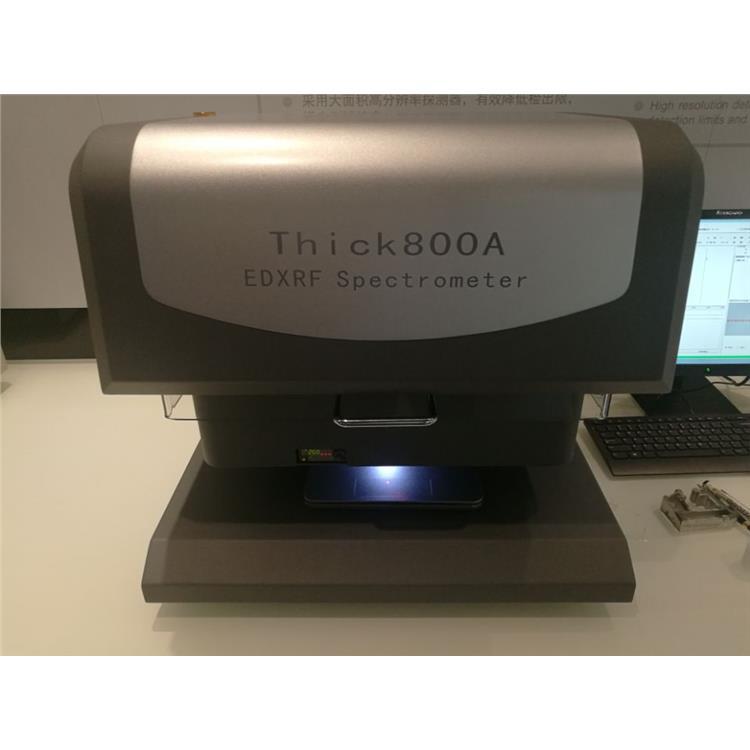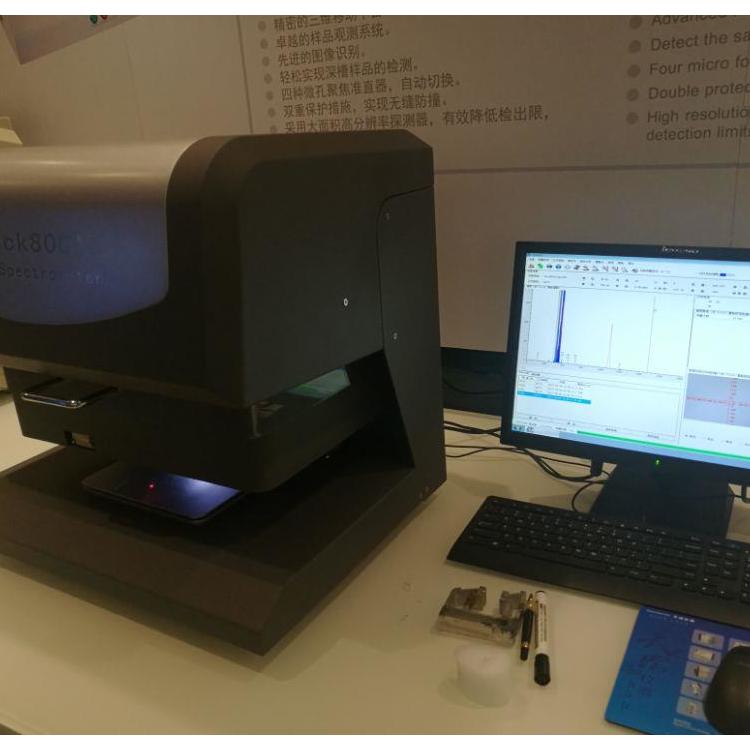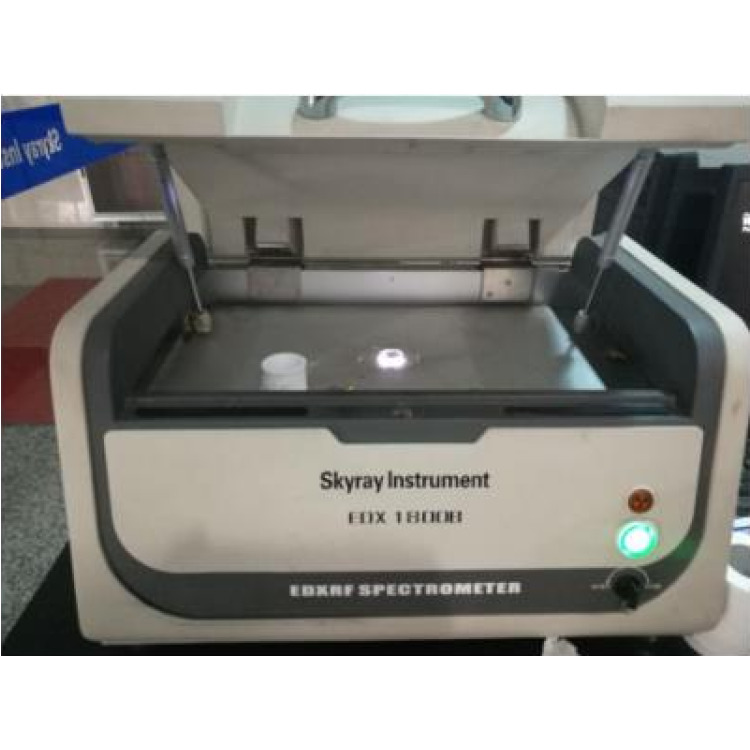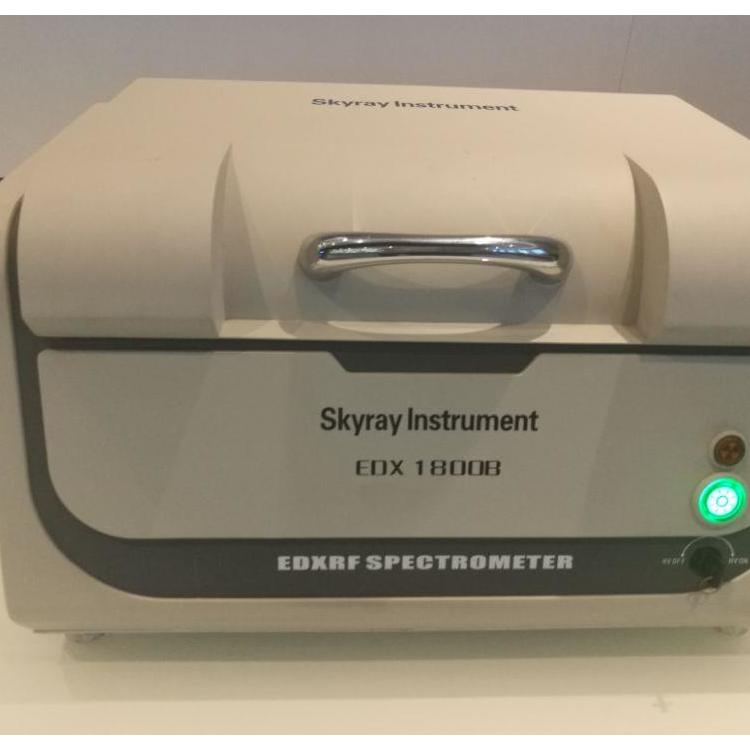
RoHS Instruments, Tianrui Instruments, X-ray Fluorescence...

Application Plan for ROHS Instruments in Measuring Inorganic Elements in Soil Sediments
Instrument Overview
The WDX4000 Sequential Wavelength Dispersive X-ray Fluorescence Spectrometer is a research achievement of the National Major Scientific Instrument Special Project undertaken by Tianrui Instruments, boasting complete independent intellectual property rights and multiple national patents. The WDX4000 incorporates a large number of innovative and generalized designs, featuring a 40-position automatic sampler, with excellent performance and simple operation.
1) Angle Gauge: Features a patented innovative steel belt transmission system, precise dual-axis design, and provides calibration certificates from metrological departments.
2) High Voltage: Maximum power ≥ 4kW, rapid switching, stable performance, extremely low failure rate.
3) Tube Light: Downward-facing, 4kW, Rh target, paired with a dual-channel tube water-cooling system, significantly extending the service life of the light tube.
3) Filters: 5 sets, optimized configuration of Cu, Al filters and dust-proof filters.
4) Collimators: 3 units, catering to customers' preference for resolution and intensity when measuring trace elements.
5) Crystals: Standard with 5 crystals, capable of qualitative and quantitative analysis for elements between C6-U92, with 3 additional empty slots available for customization.
6) Detectors: Scintillation Detector with a maximum linear counting rate of 3000 kcps, Streamer Detector with a maximum linear counting rate of 1500 kcps, featuring automatic core wire cleaning function.
7) Automatic Sample Loader: 40-axis fully automatic robotic sample loader
8) The latest version of the operating software features theoretical coefficient correction (a), empirical α, β, γ coefficient corrections, FP parameter correction, spectral line overlap correction, instrument status monitoring, and a powerful SQLite-specific database.
9) Our exclusive vacuum airway buffering system effectively protects film samples, widely applied in the field of atmospheric particulate matter detection.
Experimental Principle
Primary X-rays emitted from high-power high-voltage light tubes are directed onto the sample surface after passing through a filter. This excites characteristic X-rays from various elements within the sample. The characteristic X-rays, after being collimated by a single collimator, are parallelly incident on a diffraction crystal. A goniometer then scans to identify characteristic X-rays that meet Bragg diffraction conditions. The X-rays, after passing through a second collimator, enter a detector for signal collection. The final qualitative and quantitative analysis is achieved through computer software processing.


b2b.china9.net © Zhongshang 114 Hebei Network Technology Co., Ltd.Address: Room 6009, Oriental New World Center, No.118 East Zhongshan Road, Qiaoxi District, Shijiazhuang City, Hebei ProvincePlatform Service Hotline: 4006299930