
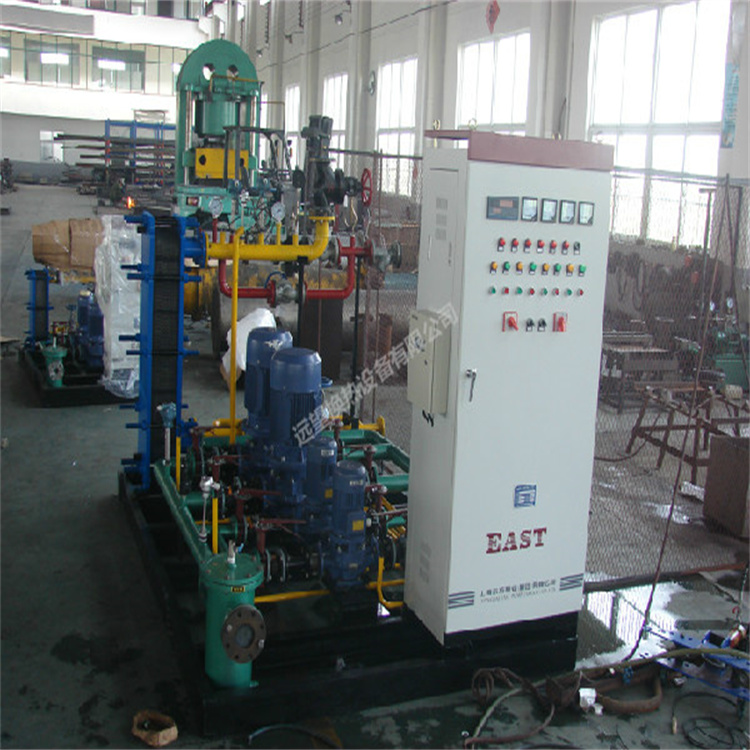
 Carbonated Beverage Heat Exchanger Set
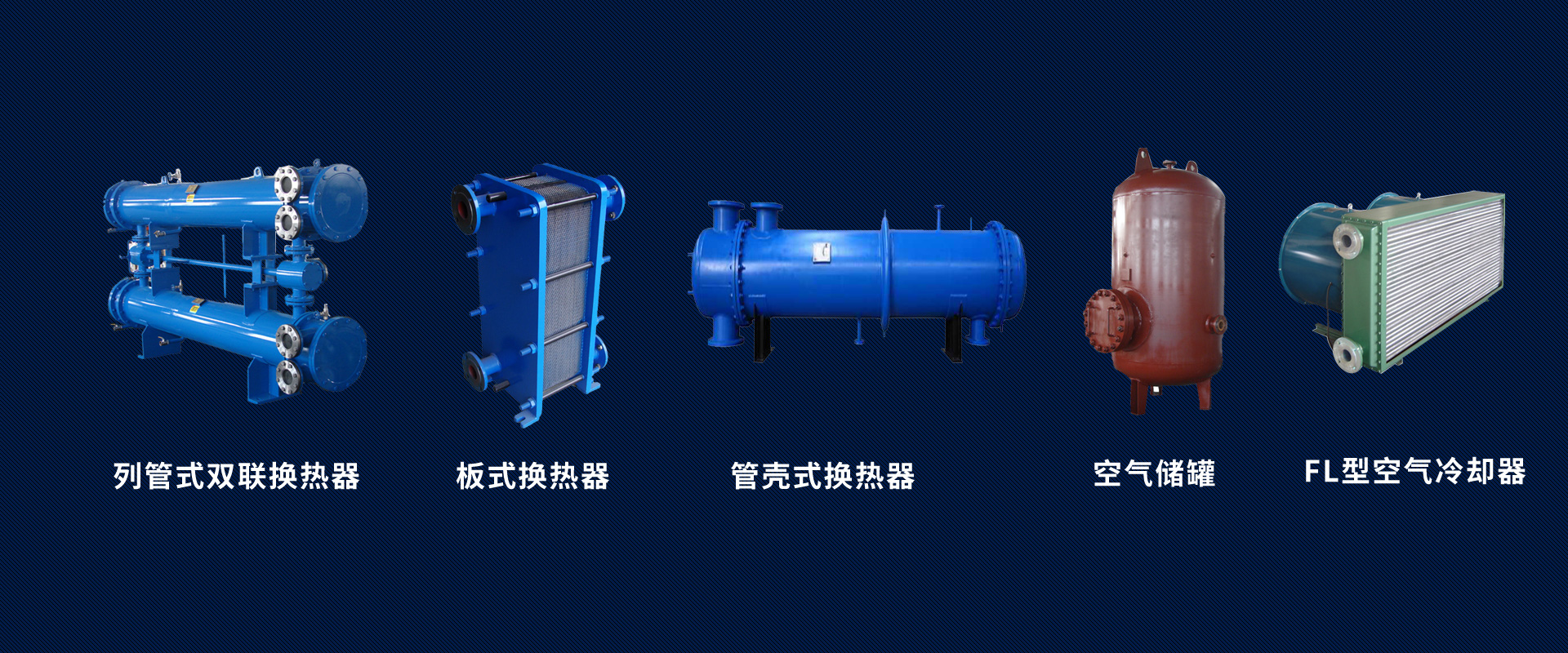
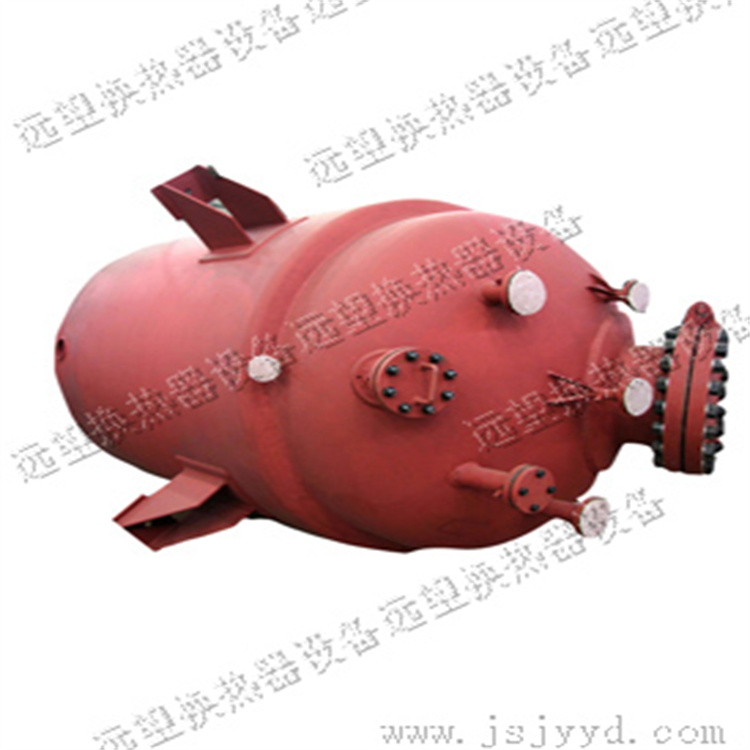 Taizhou Yuanwang Shell and Tube Heat Exchanger
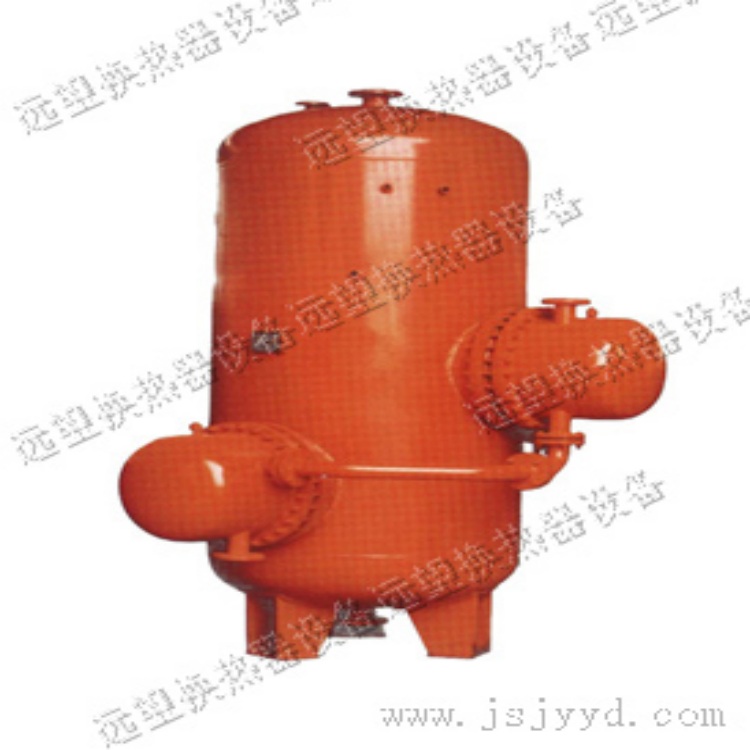 Volumetric heat exchanger
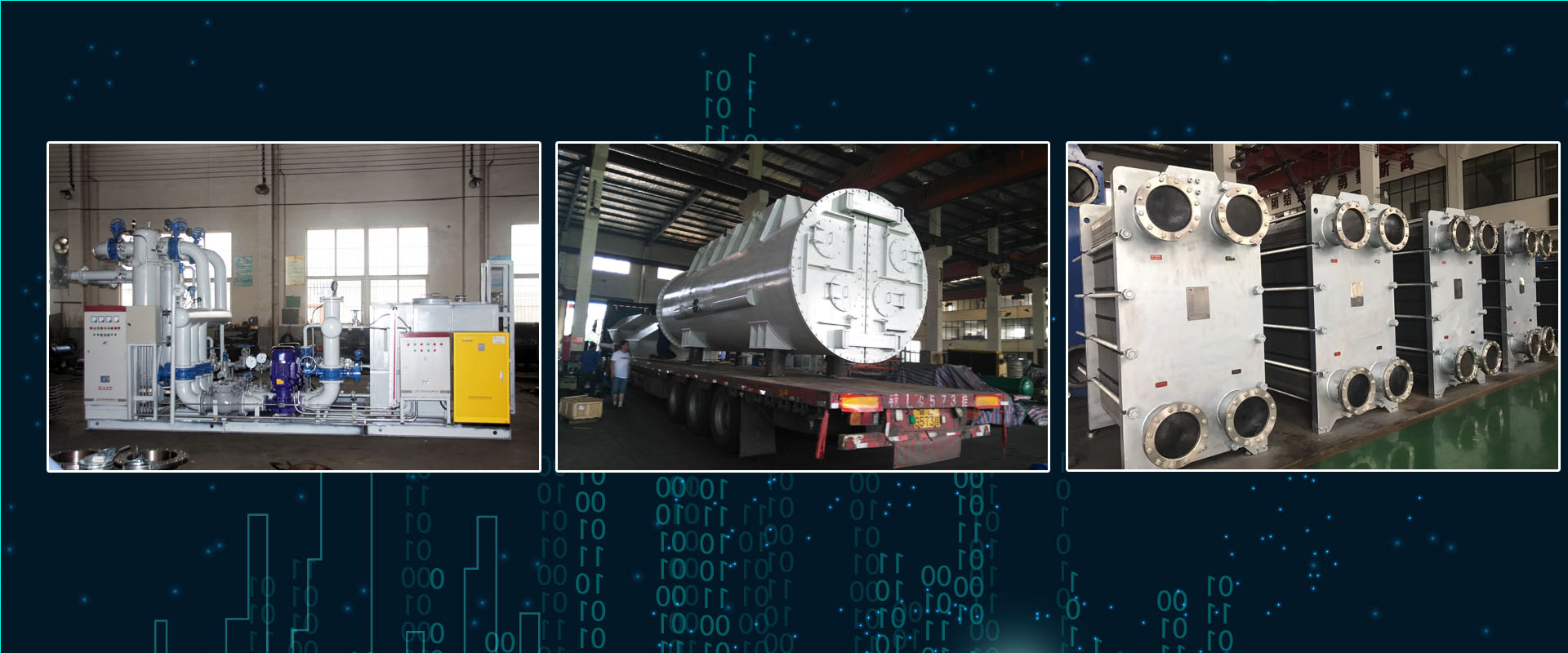
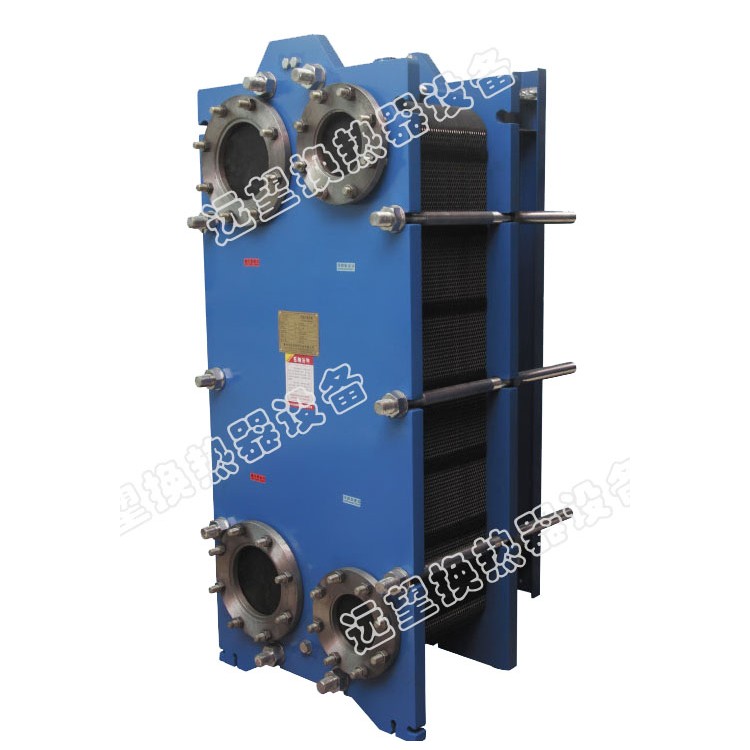 BR0.37 Series Plate Heat Exchangers
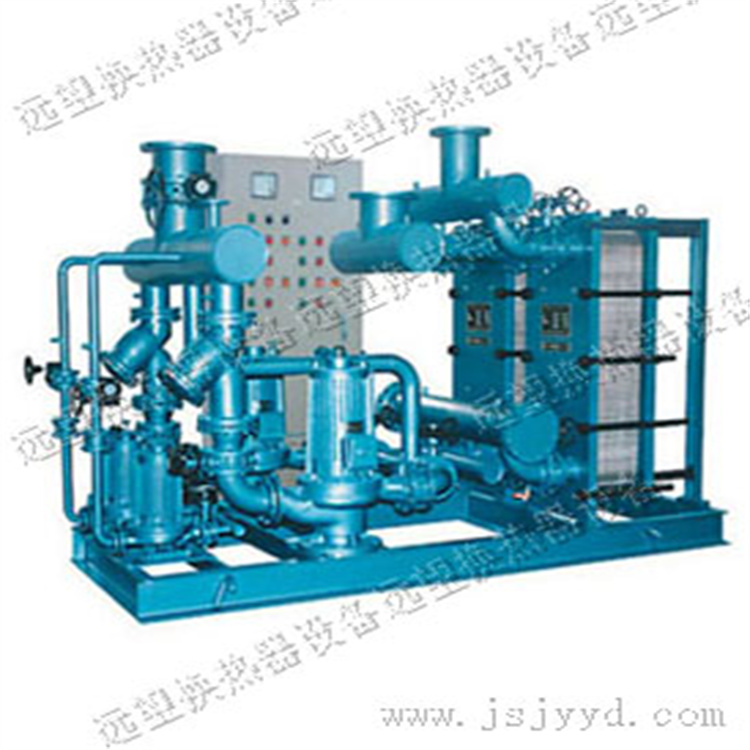 Water-to-Water Intelligent Heat Exchange Unit
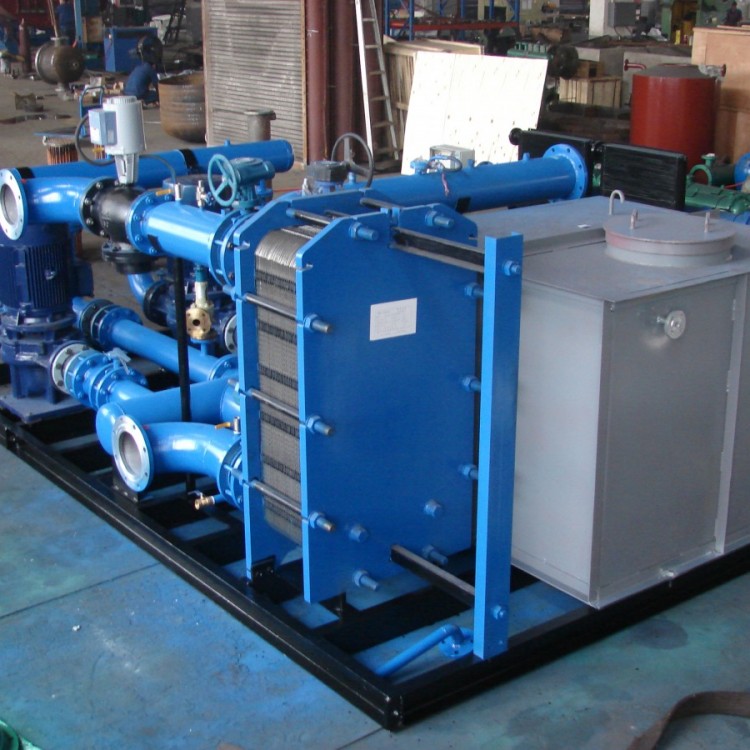 High-efficiency Intelligent Plate Heat Exchanger Assembly
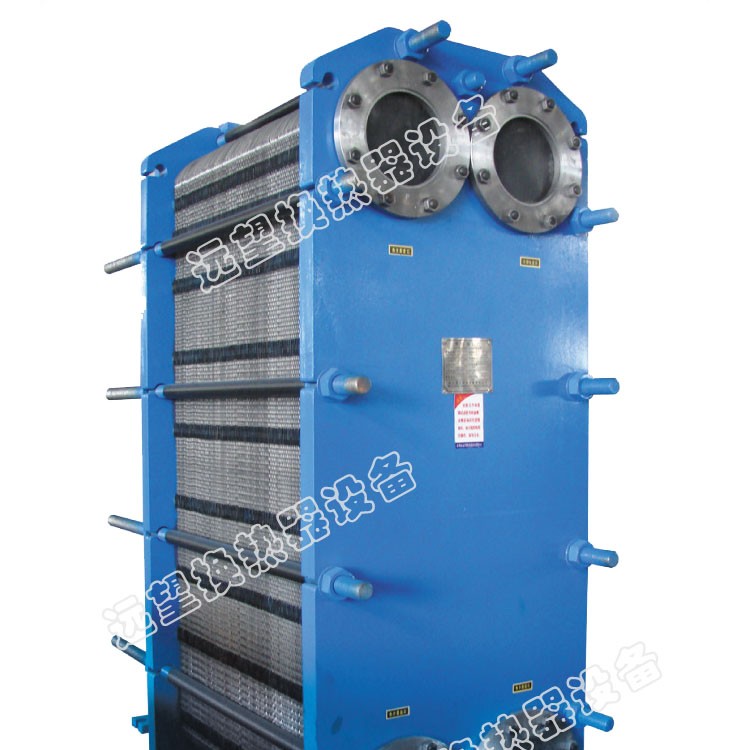 BR2.2 Plate Heat Exchanger
Product Details

Heat Exchangers, Chiller Units, Coolers, Plate Heat Exchangers, Heat Recovery...
产品Price 1.00/Tai
最小起订Quantity:1 Tai 供货总Quantity: 500 Tai


Single Effective Area |
|
Sheet corrugation depth |
3.5mm |
Sheet thickness |
0.7mm |
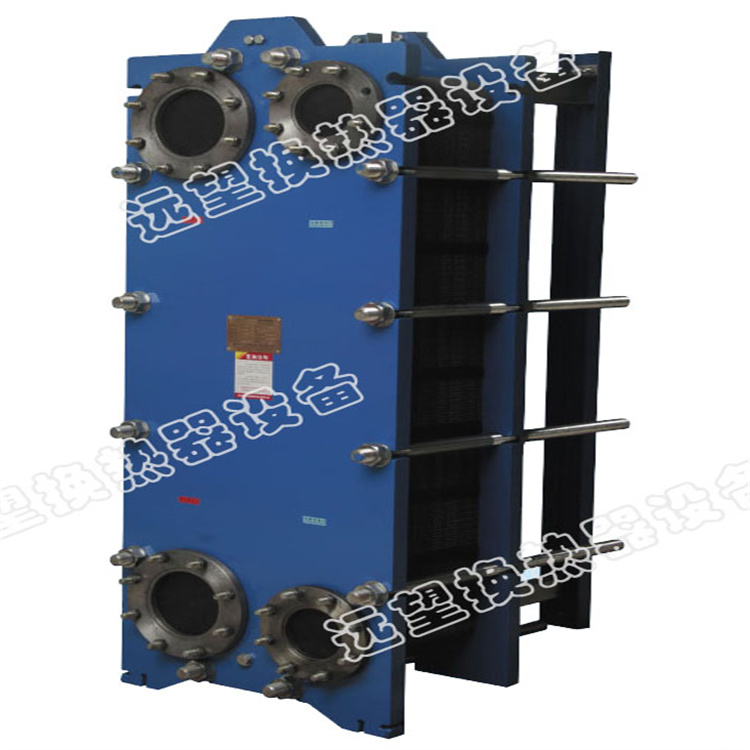
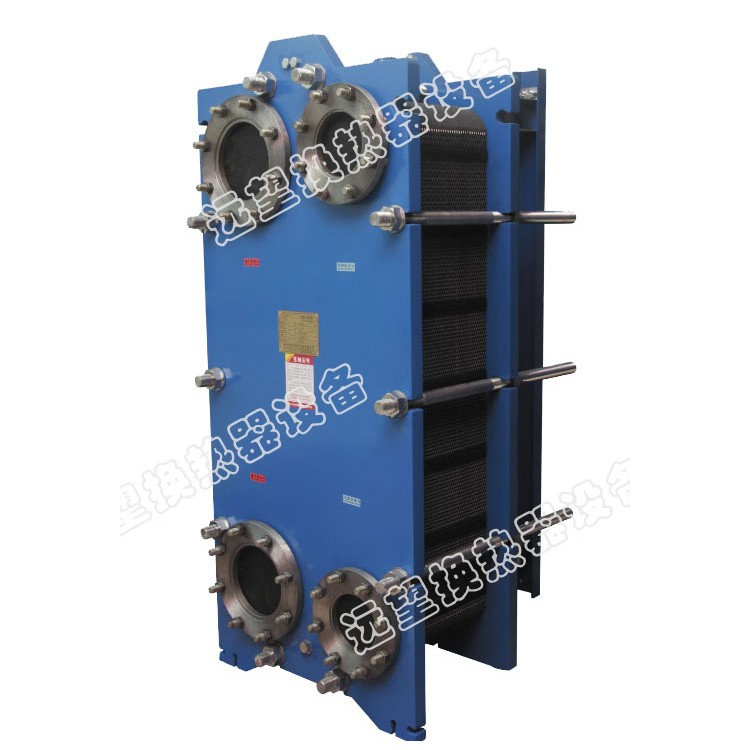
Section 1: Technical Specifications of BR1.6 Plate Heat Exchanger Model ◆A is for the small assembly area, C for the large assembly area. ◆Tightening Size L (mm): L = 4.2±0.2) Number of Sheets x Section 3: Plate Heat Exchanger Introduction Plate heat exchangers are composed of main components such as frames, heat transfer plate assemblies, and clamping bolts. The frame includes a fixed clamping plate and a movable clamping plate, supported by the upper and lower guide rods, with a支柱 at the other end. The corrugated sheet is suspended between the plates on the upper guide rod. Moving the movable clamping plate tightens the sheet assembly, and then a set of clamping bolts is used to clamp the fixed and movable clamping plates to a certain size. Two media enter their respective channels composed of corrugated sheets through flange holes in the fixed (or movable) clamping plate, and after heat exchange, the media exit through the flange holes in the fixed (or movable) clamping plate. The fixed clamping plate, movable clamping plate,支柱, and guide rods are all made of low-carbon steel. Considering the diverse usage requirements of users, the frame design offers various types, primarily double-support frames and commonly used floor-standing frames, among others, and can also be modified to meet specific user requirements. Heat transfer plates are one of the core components of plate heat exchangers. The corrugated plates are formed in a single pressing process, and the rational corrugation design increases the effective heat transfer area of the plates. As the fluid flows through the corrugations, turbulence is formed, enhancing the heat transfer process. During assembly, the corrugations intersect to create numerous contact resistance points, significantly increasing the rigidity of the plate assembly, allowing it to withstand higher pressures. Each plate acts as a heat transfer surface, with cold and hot media passing through on either side under the action of the sealing gasket. There are four liquid distribution holes on the plates, with gaskets fitted around the holes and the perimeter to restrict media flow within the plate assembly. The plates form parallel channels, allowing the two media inside to flow in opposite directions for efficient heat exchange. The materials for the corrugated plates, to accommodate various highly corrosive media, include: Industrial Pure Titanium TAl, for seawater or other corrosive media; various grades of stainless steel, for freshwater, drinking water, oils, and other non-corrosive media. Sealing washers are installed in the sealing grooves of the corrugated sheet, designed with a double-sealing structure and featuring signal holes. In the event of leakage from the secondary seal, the medium can escape outside the equipment through the signal holes, allowing for early detection and resolution of the issue, preventing mixing of the two media. Different types of adhesives can be selected for the sealing washers depending on the fluid and operating temperature. Four, Plate heat exchanger plate material: Stainless Steel SUS304 SUS316L Pure Water, River Water, Food Oil, Mineral Oil Industrial Pure Titanium and Titanium-Palladium Alloys Seawater, Saltwater, Salts Hadtelloy Alloy Sulfuric acid, hydrochloric acid, phosphoric acid Nickel High-temperature, high-concentration caustic soda V. Gasket Material for Plate Heat Exchangers: Nitrile Rubber (NBR) Water, Seawater, Mineral Oil, Brine -15--10°C High-Temperature Rubber BNBR High-temperature mineral oil, high-temperature water 15--140°C EPDM (Ethylene Propylene Diene Monomer) Hot water, steam, acids, alkalis - from -25 to 150°C Fluorinated Rubber / Viton Strong acids, strong bases, mineral oils, lubricants, and fuels, etc. -5 to 180°C Neoprene Chloroprene Acids, Alkalis, Mineral Oils, Low Molecular Weight Lipohydrocarbons - 35-130°C Silicon Rubber High temperature and certain corrosive mediums - 65-200℃ Six: Design Concept of Plate Heat Exchangers: The innovative design of the new pressure-increasing guide area features multi-channel pathways at areas with higher flow rates in the plate guide area, which increases pressure to achieve equal flow rates across the entire plate, significantly enhancing the heat exchange efficiency of the plate. This design reduces dead corners and improves the scaling condition of the plate. The high-strength flange design features a textured pattern at the flange, enhancing the rigidity around the folded edges, resulting in a neater and more aesthetically pleasing assembly, as well as improved opening performance. The central part of the sheet features a groove design that breaks the continuous corrugation within the sheet, and the addition of a semi-groove structure to the sheet further reduces the pressure the sheet endures, making it less prone to bending after forming. The interlocking design of the panels involves pressing a special mechanical interlocking structure at the corners, which improves the phenomenon of misalignment and leakage during the assembly process, making the panel assembly more convenient and aesthetically pleasing. All plate seal gaskets are made with a non-adhesive fastener, reducing operation and maintenance costs and facilitating repairs. Section 7: Technical Advantages and Features of Plate Heat Exchangers: High thermal conductivity: The special corrugated design on the heat transfer plates allows for strong turbulence in the fluid at low flow rates. The self-cleaning effect of the turbulence also prevents the formation of dirt, resulting in a thermal conductivity of 3-5 times higher than that of shell-and-tube heat exchangers. *Economic Efficiency: Compared to shell-and-tube heat exchangers with the same heat exchange capacity, it offers lower investment, operating costs, and maintenance costs. *Adjustability: Simply add or remove plates to meet the changes in the production process. * Compact structure: Requires only 1/2 to 1/3 of the space of a tube-and-shell heat exchanger for the same heat exchange capacity. Easy to clean and maintain Section 8: Plate Heat Exchanger Design and Selection (1) Physical properties of cold and hot mediums, such as pH level, chloride content, viscosity, density, thermal conductivity, specific heat, etc. (2)进出口 temperatures for cold and hot media. (3) Flow of cold or hot media, or the flow of one of them. (4) Cold and hot medium pressure drop requirements. (5)固有 characteristics of plate heat exchangers, such as plate material and gasket material. Section 9: Plate Heat Exchanger Manufacturer Introduction Cooling Equipment Manufacturer: Yuanwang Heat Exchange Equipment Co., Ltd., a professional manufacturer of plate heat exchangers. Located in Jiangyan City, central Jiangsu Province. The company produces "Lengwei" brand plate heat exchangers and cooling equipment. Main products: plate heat exchangers, coolers, condensers, manifold and header units, heat exchange units, evaporative condensers, shell and tube heat exchangers, corrugated tube heat exchangers, and volumetric heat exchangers. The "Lengwei" trademark is a well-known brand in Jiangsu. "Lengwei" brand coolers have passed the ISO9001 international quality system certification and strictly adhere to the standards JB/T7356-94 "Tubular oil coolers" and GB16409-96 "Plate heat exchangers." Yuanwang cooling equipment is reliable and widely used. Yuanwang Heat Exchange Equipment Co., Ltd., committed to becoming a professional manufacturer and supplier of plate heat exchangers and coolers! Address: Advanced Industrial Zone, Louzhuang Town, Jiangyan City, Jiangsu Province Phone: 0523-88691628, 88699968 Fax: 0523-88696288
Model: BR1.6
Active Area Per Plate: 1.6 m²
Nominal plate gap: 3.5mm
Sheet Thickness: 0.7mm
Port dim: 300m
Max Flow Rate: 738 M3/H
接管口径: Pipe Fitting Sizennection diameter DN300
Working Pressure: 0.6 MPa, 1.0 MPa, 1.6 MPa
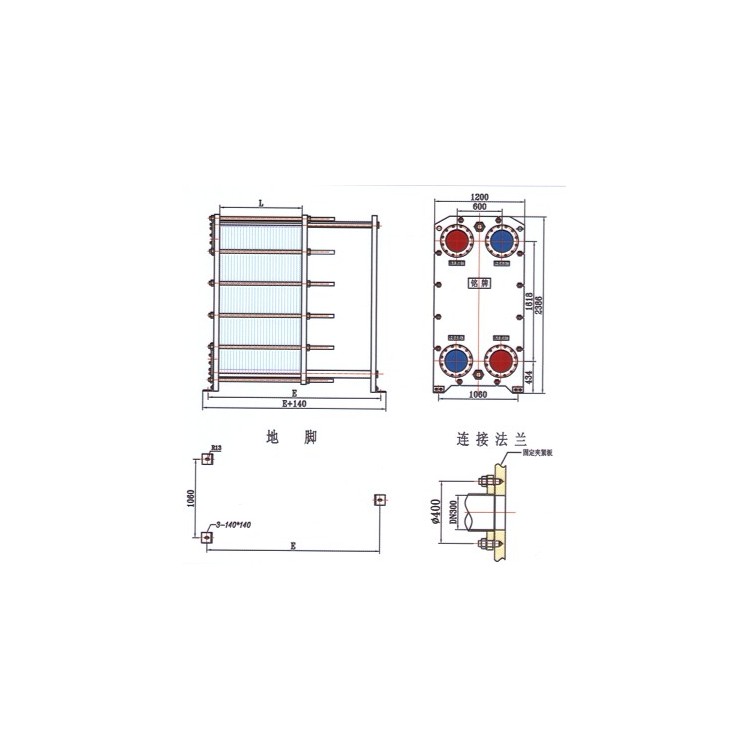
Section 2: BR1.6 Plate Heat Exchanger Equipment Dimensions:
type Heat Exchange Area
area(m2) Number of plates
number of platesL E Weight
Fweight(Kg)Traffic
Flow rate(m3/H)
BR1.6--A 150 94 394 2000 4476 221 BR1.6--C 500 313 1313 3770 6853 738
Flow rate is calculated based on a single process, with a plate-to-plate velocity of 0.4 m/s.
◆ Rights to modify data reserved. The above information is for reference only; the actual product shall prevail.

Phone Consultation
QQ Service