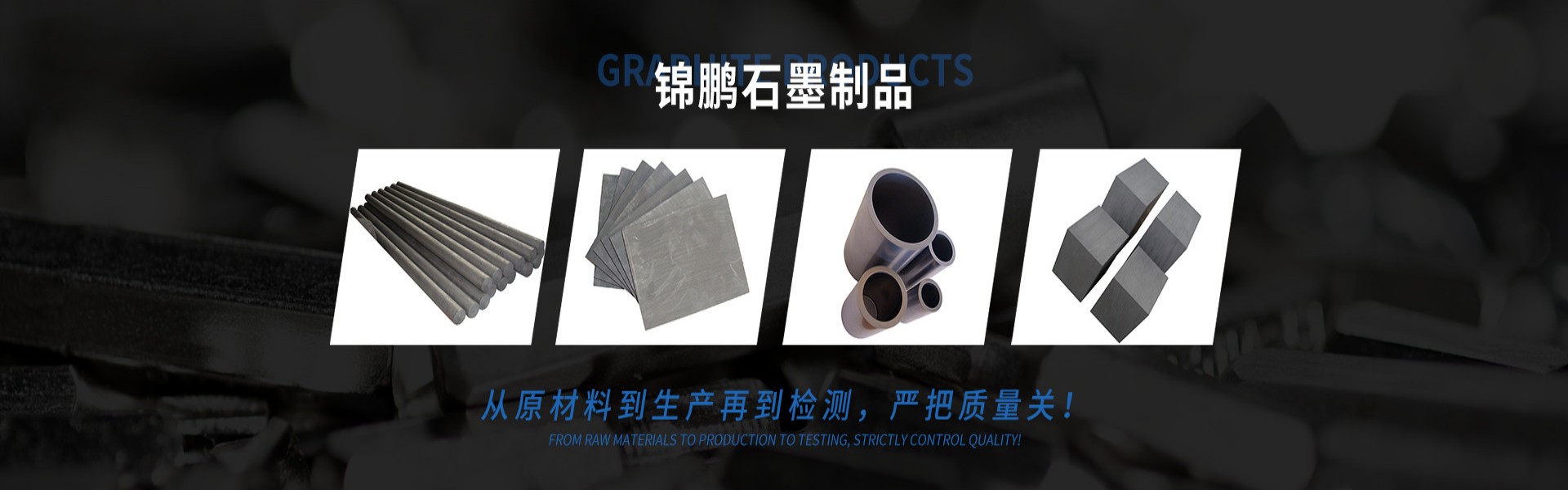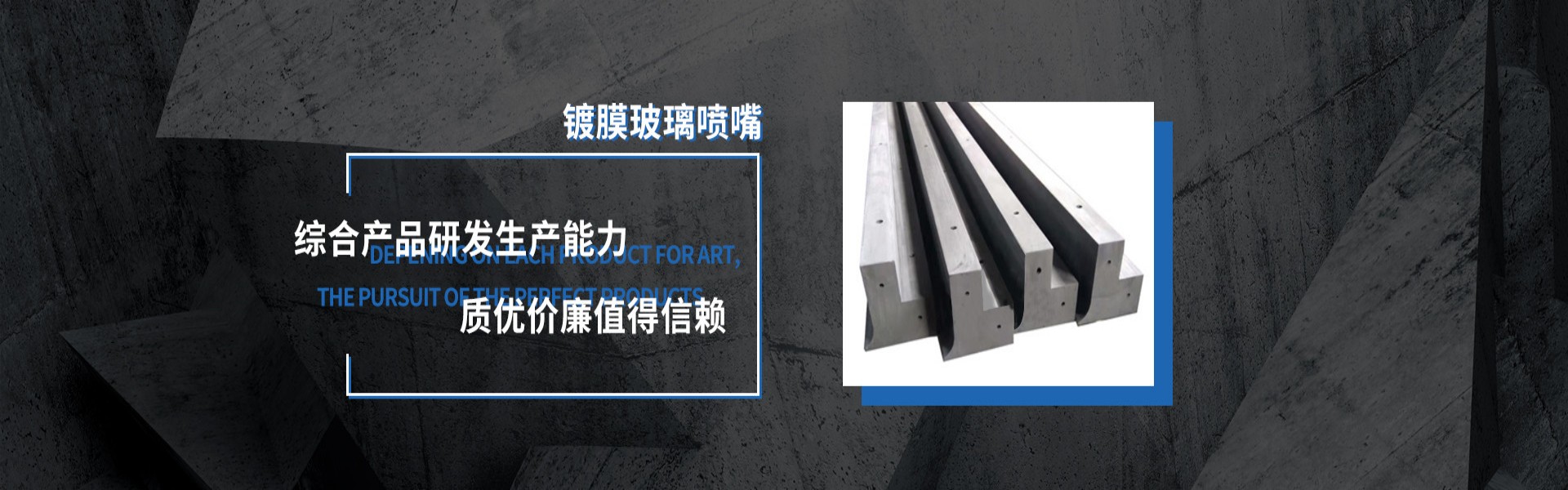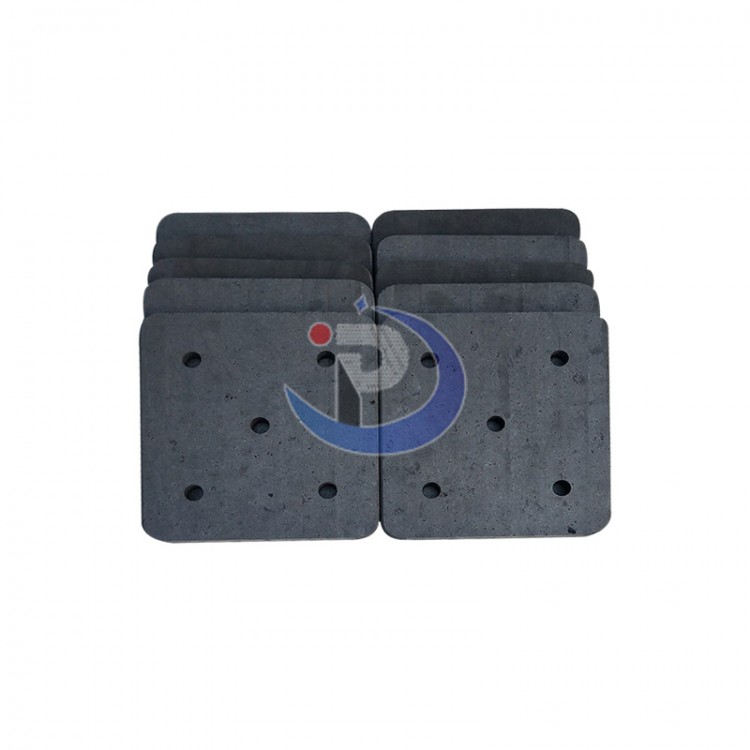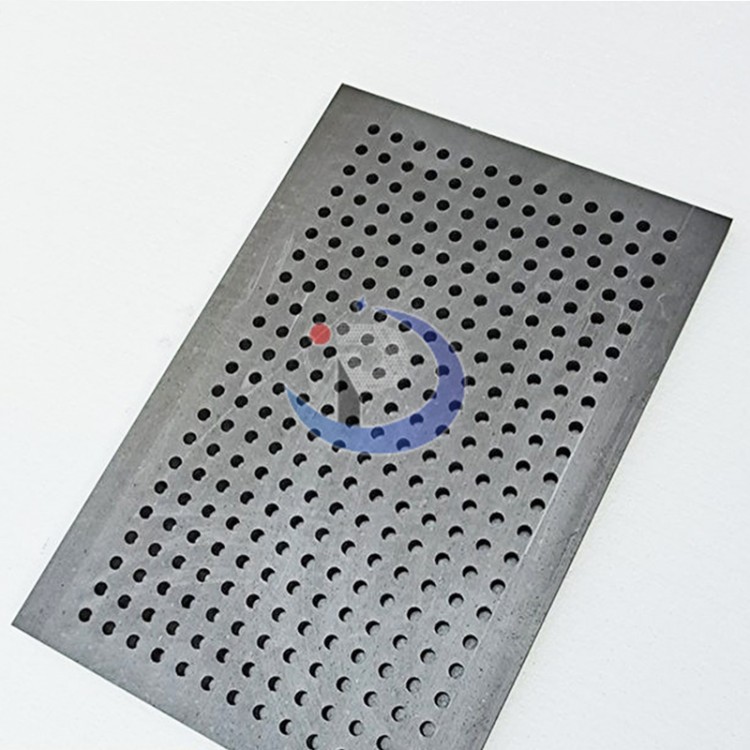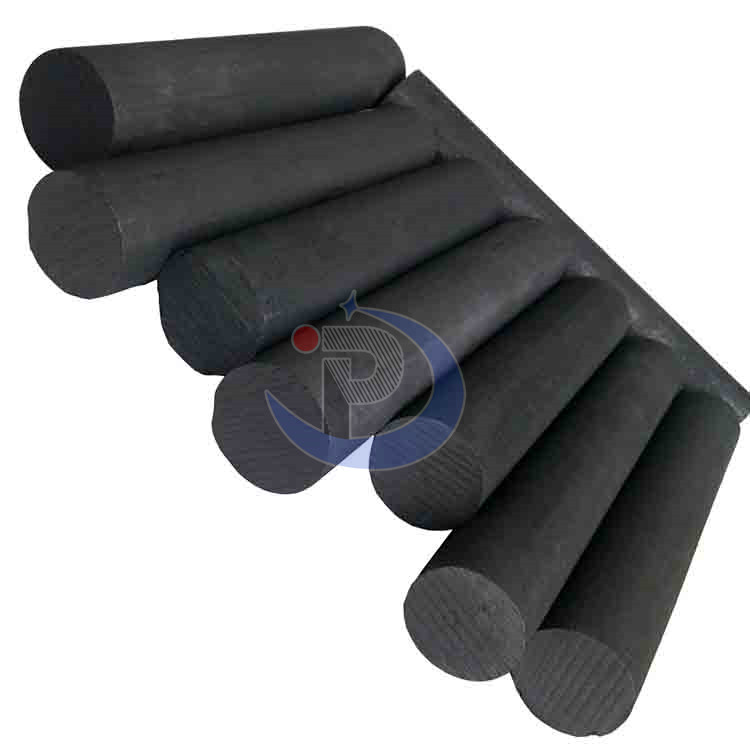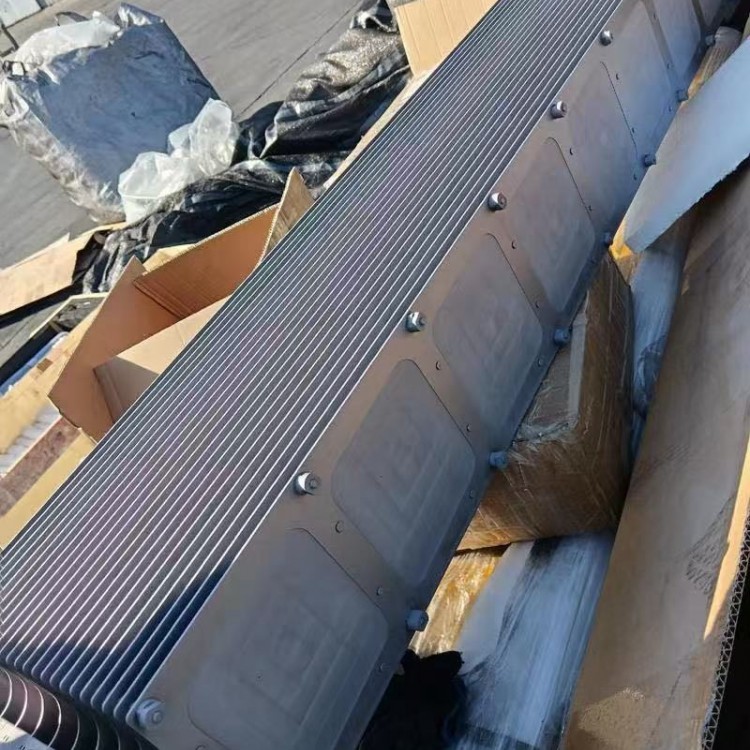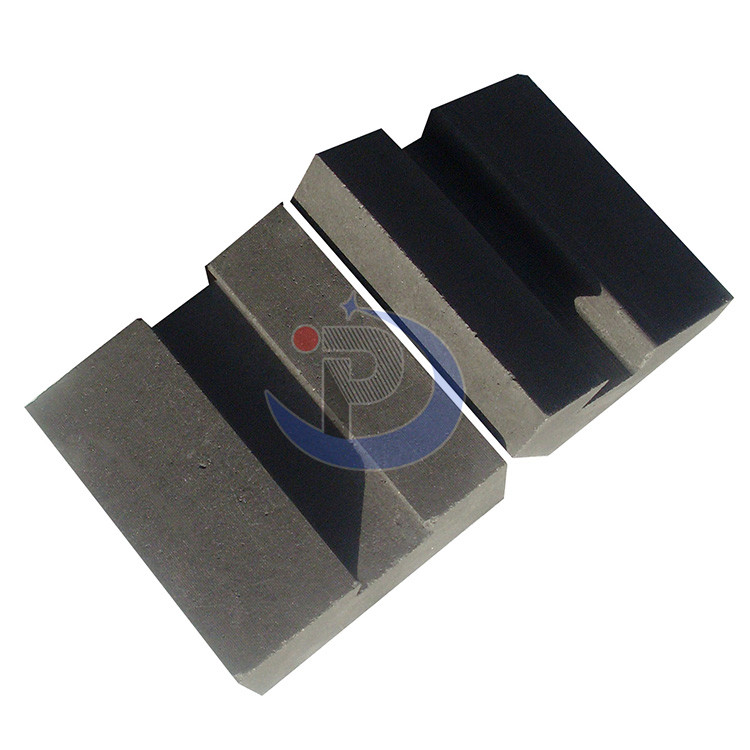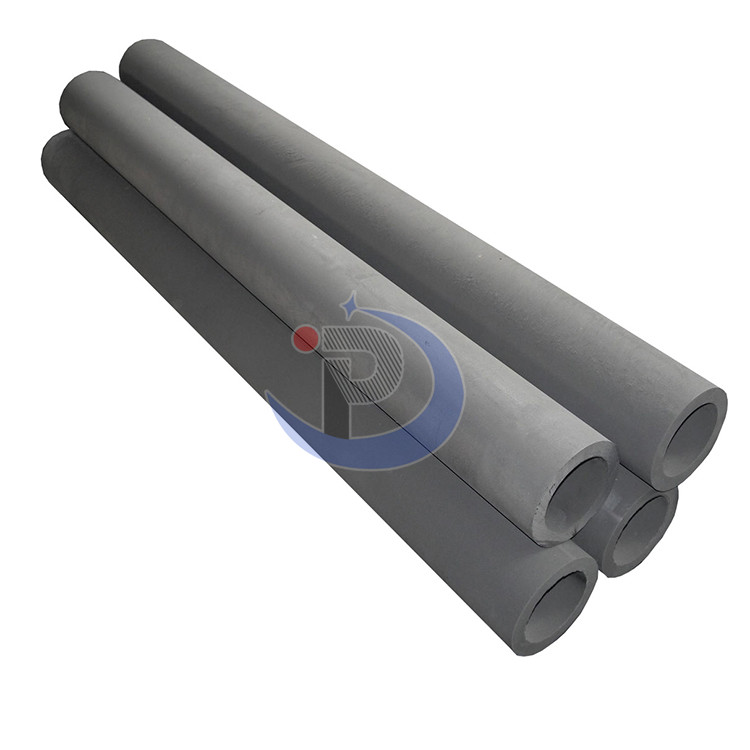
Graphite rotors, graphite blocks, graphite plates, graphi...


Product Recommendation
Graphite rotors, and we must mention graphite as well. It's a key material for producing refractory materials, including refractory bricks, cores, molds, and detergents, all of which are able to withstand high temperatures. In recent years, the refractory materials industry has been closely linked to graphite refractories. As such, graphite plays various roles across different industries, particularly in sectors like electronics, automotive, aviation, and nuclear energy, where it is considered a vital strategic resource.
Graphite rotor, commonly used in vacuum pumps, high-pressure air pumps, and standard pumps, operates by spinning and expelling vanes, which in turn discharge gases. How much do you know about the primary principle of the graphite rotor? Let's take a look together!
The rotating graphite rotor breaks nitrogen into numerous bubbles, which disperse within the metal liquid. These bubbles, relying on the gas pressure difference and surface adsorption principles within the melt, absorb hydrogen from the melt and carry it out to the melt surface as they rise, thereby achieving the purification of the melt. The longer the contact time with the melt, the more significant the purification effect becomes, as it effectively removes harmful hydrogen from the melt.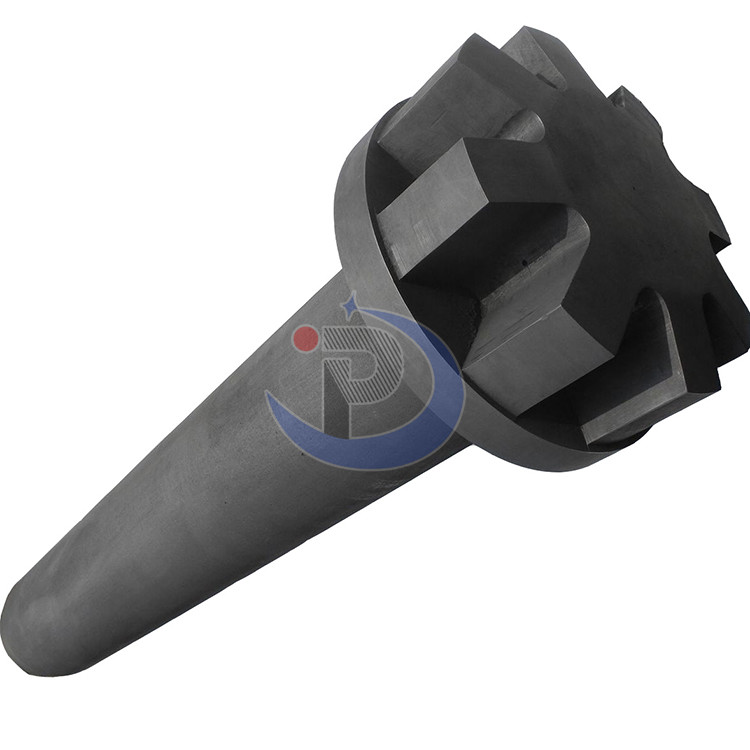


b2b.china9.net © Zhongshang 114 Hebei Network Technology Co., Ltd.Address: Room 6009, Oriental New World Center, No.118 East Zhongshan Road, Qiaoxi District, Shijiazhuang City, Hebei ProvincePlatform Service Hotline: 4006299930