
 Import Reverse Osmosis Scale Inhibitor
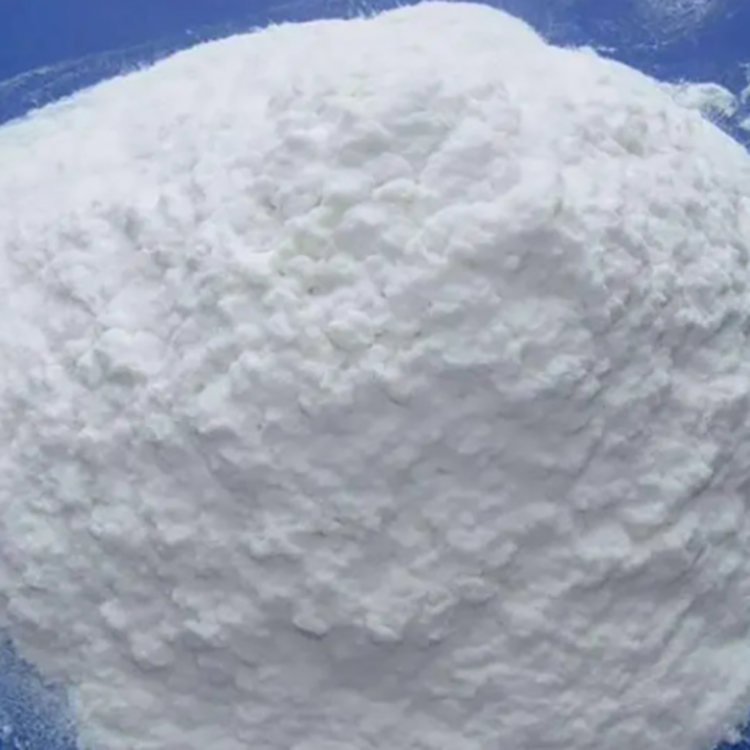 Environmentally Friendly Shell Dust Suppressant
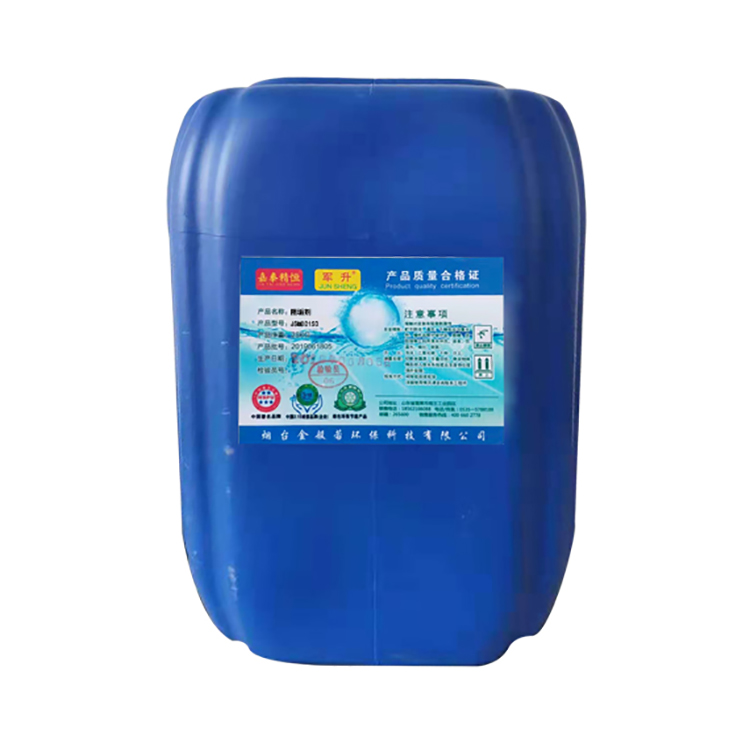 Antifreeze; Heating antifreeze fluid
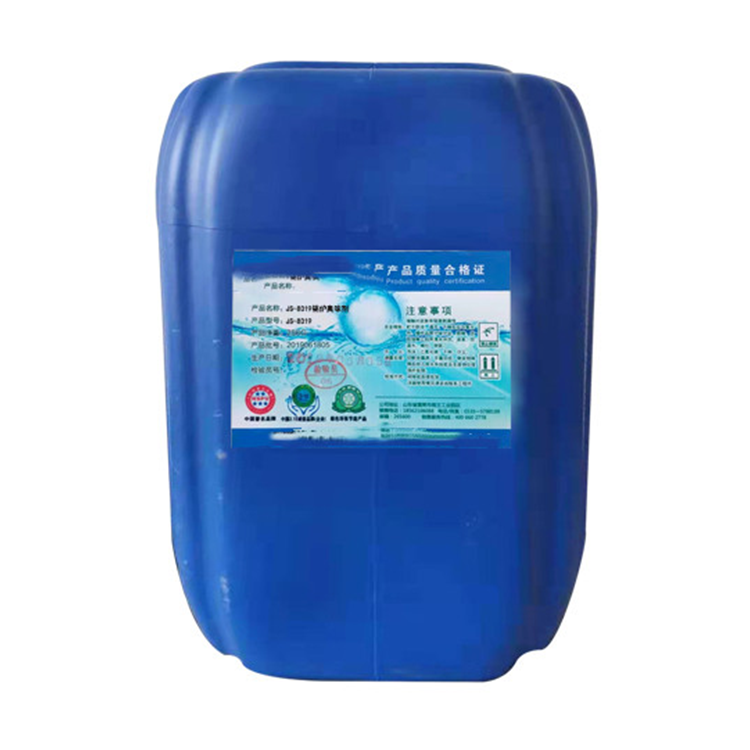 Industrial Equipment Antifreeze
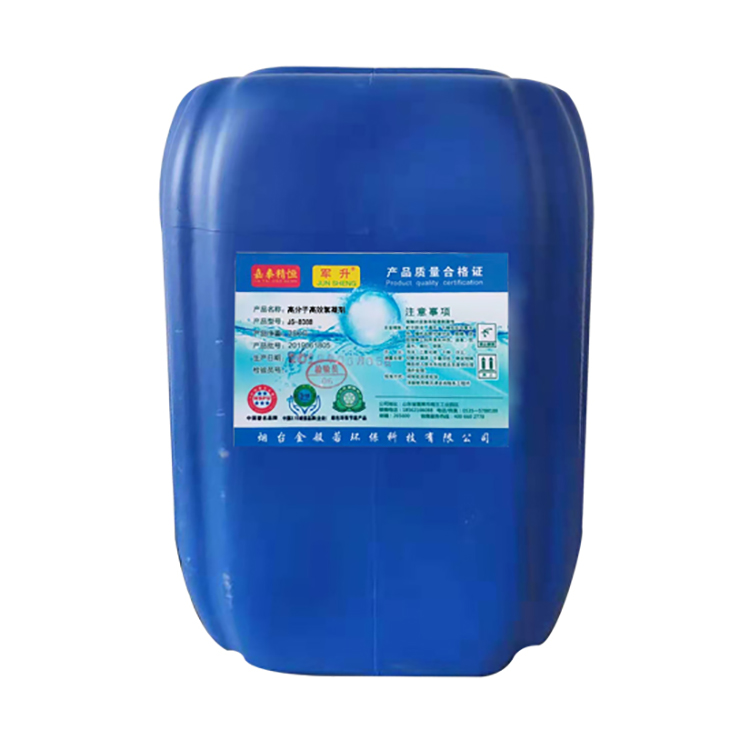 Paint mist coalescent agent
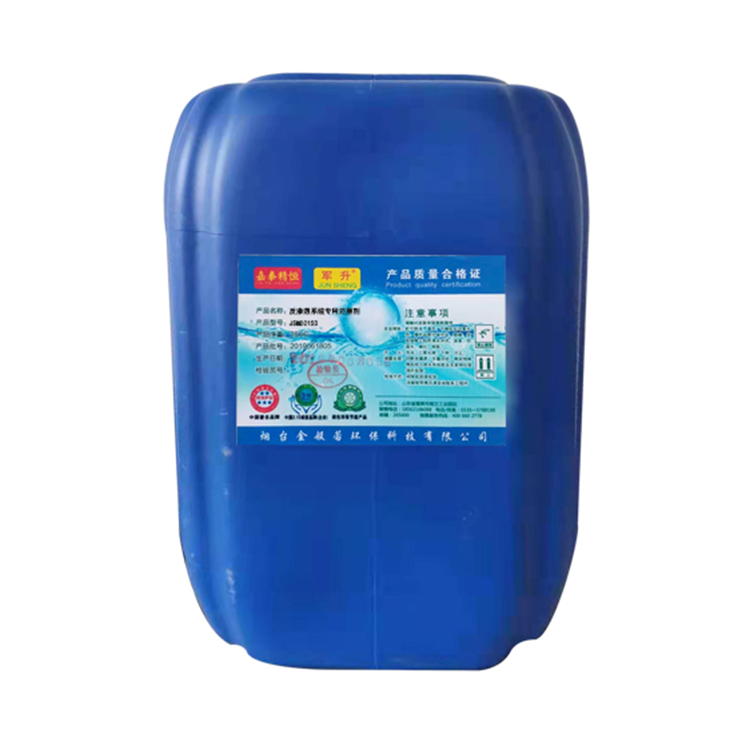 Reverse Osmosis System Regenerant
 Electrophoresis Paint Ultrafiltration Membrane
Product Details



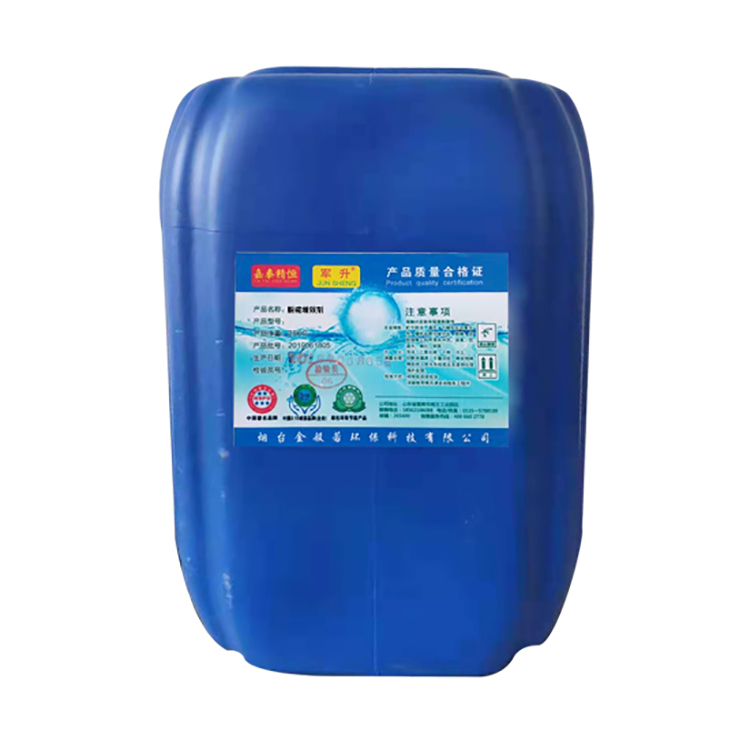
产品Price Negotiable
最小起订Quantity: 供货总Quantity:


Do you offer customization? |
|
Specs |
Complete |
Shipment Time |
7 days |
JS- 901 Desulfurization Enhancer Comparison Category A few imported products Other most products Technical Formula Third-generation product formula Product Formula Effectiveness Effectiveness Average performance Production Costs High cost Low cost Addition amount Addition quantity small Addition quantity is significant. Continuity Stable performance, sustainable Poor sustainability Side effects No side effects Some have side effects. Section II: Product Features
◆ Section 1: Product Background
Limestone-gypsum wet flue gas desulfurization technology boasts mature technology, high desulfurization efficiency, broad source of absorbents, low cost, and the utilization of by-products, making it a widely used desulfurization method in coal-fired power plants. Currently, the main issues with the limestone wet flue gas desulfurization systems in China are: high operating energy consumption; severe scaling and wear on equipment, leading to low system reliability; poor adaptability to coal sulfur content, making it difficult to meet the designed output requirements. With the implementation of the "Emission Standards for Air Pollutants from Thermal Power Plants" (GB13223-2011), many power plants are forced to upgrade their desulfurization equipment, which requires more than 3 months and costs tens of millions of yuan, imposing significant economic pressure. Under the condition of keeping the existing desulfurization system equipment unchanged, using desulfurization enhancers for a "chemical capacity expansion modification" of the desulfurization system can completely achieve the effect of equipment expansion.
With the enhanced regulatory efforts on pollution sources by the state and the increased sense of corporate social responsibility among power generation companies, it has become a consensus between the government and enterprises to maintain the reliable operation and compliance emissions of flue gas desulfurization systems. As the technology of chemical reagents for desulfurization efficiency is introduced and absorbed, desulfurization enhancers are increasingly applied in the wet desulfurization systems of many power plants in China. Due to their significant performance, ease of use, and cost-effectiveness, these products have garnered widespread attention and popularity. Surveys show that over 70% of coal-fired power plants are using or intend to use desulfurization enhancers to improve system operation. However, at the same time, we also observe that the third-generation desulfurization enhancers, known for their good performance, are monopolized by foreign professional companies, leading to high product prices. Meanwhile, domestic products are mainly still at the product formula stage, with a mix of good and bad quality, making it difficult for consumers to discern and choose.
Higher prices of imported products have increased the operational costs of power plants, and some low-cost, low-quality enhancer formulas domestically have weakened their effectiveness, severely impacting the promotion and use of desulfurization enhancers. In response to this situation, Yantai Jinbanruo Environmental Protection Technology Co., Ltd. has focused on the international forefront, organizing a team of expert researchers and developers with returned overseas Ph.D.s, who have diligently developed and successfully mastered the advanced third-generation desulfurization enhancer product formulas from abroad. By combining the domestic desulfurization characteristics, they have developed the JS-901 series of desulfurization enhancers. Not only have they achieved advanced levels in product performance and quality, but they are also more suitable for domestic power plant desulfurization systems, with some performance even surpassing the third-generation desulfurization enhancers, earning them the title of "3.5th generation" products by some industry professionals. They have garnered significant attention from numerous desulfurization experts and enterprises both domestically and internationally. As a superior alternative to imported products, they have significantly reduced customers' operational costs.
◆ Comparison Table of Sulfur Removal Enhancer Usage in China
JS-901 Desulfurization Enhancer is formulated based on the world's leading desulfurization enhancer recipes, tailored to the actual conditions of domestic desulfurization. To improve plaster quality and enhance oxidation speed, a multifunctional catalytic enhancer CF-β, consisting of solid, liquid, and gas phases, was developed. This catalytic enhancer accelerates the desulfurization process and improves its performance. The key components of JS-901 Desulfurization Enhancer are all made from imported raw materials, ensuring product quality.
Appearance: White crystalline powder Density: 1.3 ± 0.05 g/cm³
Packaging: Available in 25KG and 40KG sizes, high-sealed packaging bags; Storage: Should be kept in a dry, cool place; Shelf Life: Performance stable,
Shelf Life: 2 years Nature: Non-toxic, harmless, difficult to distinguish.
◆ Section 3: Principle of Operation
In the wet limestone-gypsum flue gas desulfurization process, the removal of SO2 from flue gas involves the three phases of gas, liquid, and solid, and encompasses a series of chemical reactions. The process that controls the desulfurization reaction is the transfer of SO2 from the gas phase to the liquid phase. According to the general double-membrane theory, the transfer of SO2 from the gas phase to the liquid phase is assumed to occur as follows: SO2 gas diffuses by turbulence from the gas phase bulk to the gas film boundary; then, it diffuses by molecular means through the gas film to the interface between the two phases.
The SO2 gas molecules dissolve from the gaseous phase into the liquid phase on the interface; then, they diffuse through the liquid film to reach the liquid film boundary: subsequently, they enter the bulk liquid phase via mass transfer through the surface of the film boundary. The mass transfer process of SO2 is controlled by both the liquid film resistance and the gas film resistance, with the gas film control primarily occurring at the lower SO2 concentration. At lower SO2 concentrations and higher liquid-gas ratios (L/G), the desulfurization efficiency does not decrease with the increase in SO2 concentration within a certain range. As the SO2 concentration continues to rise and reaches a certain level, the desulfurization efficiency decreases, transitioning from gas film control to dual-film control, and then to liquid film control. In China, almost all desulfurization systems using limestone as the absorbent are controlled by liquid film resistance during the SO2 absorption process. Therefore, by employing relevant technical methods to reduce the liquid film resistance in the limestone flue gas desulfurization process, the desulfurization reaction rate and efficiency can be effectively improved.
JS-901 sulfur enhancing agent, based on the above reaction process and factors affecting the reaction, mainly improves the reaction resistance from the following aspects to accelerate the reaction speed, thereby enhancing the desulfurization effect:
●1) Increase limestone activity and accelerate its dissolution. Laboratory data shows that the addition of JS-901 desulfurization enhancer can shorten the limestone's half-erosion time by over 50%, significantly enhancing the activity of limestone.
●2) Buffer pH levels, reduce mass transfer resistance between gas and liquid, making SO2 molecules more easily captured and absorbed by the spray slurry, significantly enhancing desulfurization efficiency. Laboratory data shows that adding JS-901 desulfurization enhancer can reduce the required gas-to-liquid ratio by 30%-50%.
●3) Addition of the multi-phase reaction catalytic enhancer CF-β for solids, liquids, and gases can act as a catalyst, increasing the rate of oxidation and crystallization reactions, and improving the slurry sedimentation characteristics, enabling a rapid completion of the reaction cycle.
◆ Four, Usage Instructions
●1. Investment points
The desulfurization system's absorption tower can be used for any circuit, and it is convenient to add. Initially, it is usually added to the absorption tower's pit, and for supplementary addition, it is typically added to the absorption tower's pit or the limestone slurry surge box, which is beneficial for rapid effect.
● 2. Dosage amount
To achieve optimal effect, the dosing concentration should be adjusted according to parameters such as sulfur content and absorption tower volume, as well as the intended use. For continuous use, the initial dosing concentration is recommended to be between 500-800 PPM, with top-up dosages of 100-200 PPM. For short-term use, the dosage is 20-00 PPM. The specific concentration can be determined based on individual parameters and actual operational conditions, with our engineers recommending the concentration values based on the power plant's actual needs.
◆V. Product Effectiveness
The application of JS-901 Desulfurization Enhancer is necessary for: meeting the desulfurization electricity price assessment requirements; ensuring the stable operation of power plants; achieving power plants' energy-saving potential; and demonstrating power plants' social responsibility.
●1. Enhance desulfurization efficiency to meet the emission standards required by GB13223-2011.
Adding JS-901 desulfurization enhancer at an appropriate concentration, generally speaking, can increase the desulfurization efficiency of systems with excessive emissions by 5% - 20%.
●2. Enhance system processing capabilities to increase coal sulfur content and reduce operational costs.
Add JS-901 desulfurization enhancer at an appropriate concentration. Generally, this can increase the sulfur content adaptability range of the desulfurization system by 20%-40%. Depending on the current sulfur content price difference in the coal market, this can bring several million yuan in benefits to power plants.●3. Significantly reduce the required liquid-gas ratio of the system, achieving energy conservation and cost reduction.
Without compromising the desulfurization efficiency, the addition of an appropriate concentration of JS-901 desulfurization enhancer can typically reduce the required liquid-gas ratio by 30%-50%, allowing for the shutdown of one to two slurry circulation pumps. This measure can significantly decrease the electrical consumption of the desulfurization system (reducing the factory power consumption rate by 0.12-0.20%).
Increase limestone activity and reduce limestone loss.
Laboratory data shows that adding JS-901 desulfurization enhancer can reduce the half-dissolution time of limestone by over 50%, significantly enhancing its activity. Additionally, limestone loss can typically be reduced by 0.5% to 3%.
●5. Enhance system oxidation and crystallization rates, and improve the quality of the absorber tower slurry and gypsum.
Js- 90 desulfurization enhancer can act as a catalyst for a series of chemical reactions in the slurry of the absorption tower, accelerating the reaction process. Particularly when the feed line is high, the existing oxidation system and processing capacity cannot meet the requirements, the effect is even more pronounced. The system's oxidation crystallization rate is improved, and the quality of the stone is also enhanced.
Significant improvement.
● 6. Reduce System Corrosion and Scaling
JS-901 Desulfurization Enhancer not only has no side effects on the desulfurization system but also can reduce system corrosion and scaling to some extent. Dynamic simulation experiments using different materials indicate varying degrees of reduction in corrosion and scaling. Among them, the reduction in carbon steel is particularly significant, with corrosion and scaling speeds reduced by 74% and 79% respectively.

Phone Consultation