
 Import Reverse Osmosis Scale Inhibitor
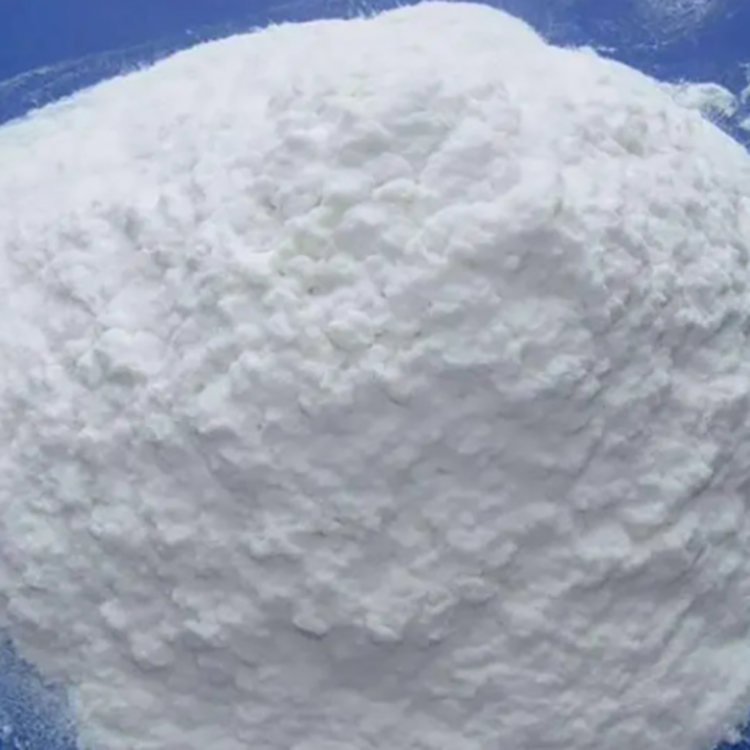 Environmentally Friendly Shell Dust Suppressant
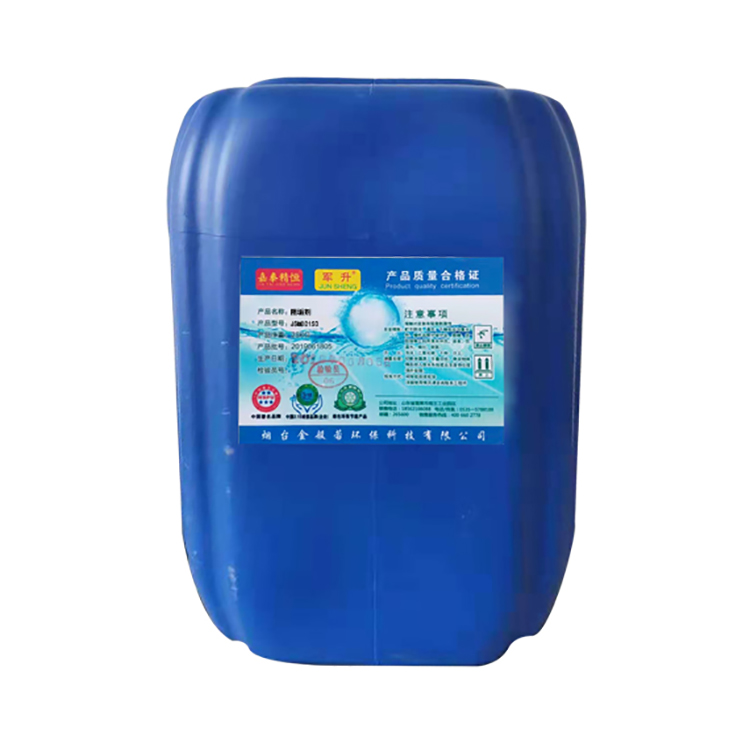 Antifreeze; Heating antifreeze fluid
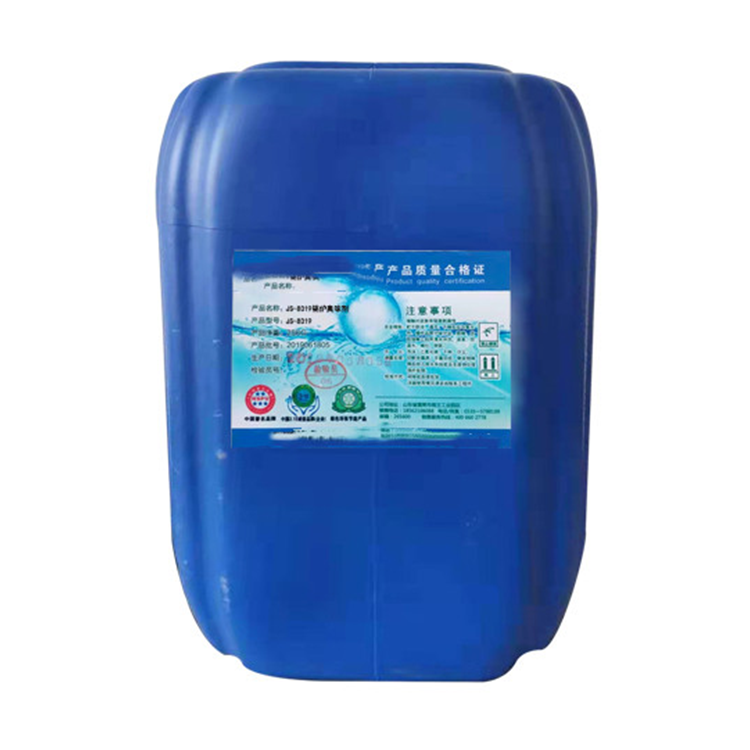 Industrial Equipment Antifreeze
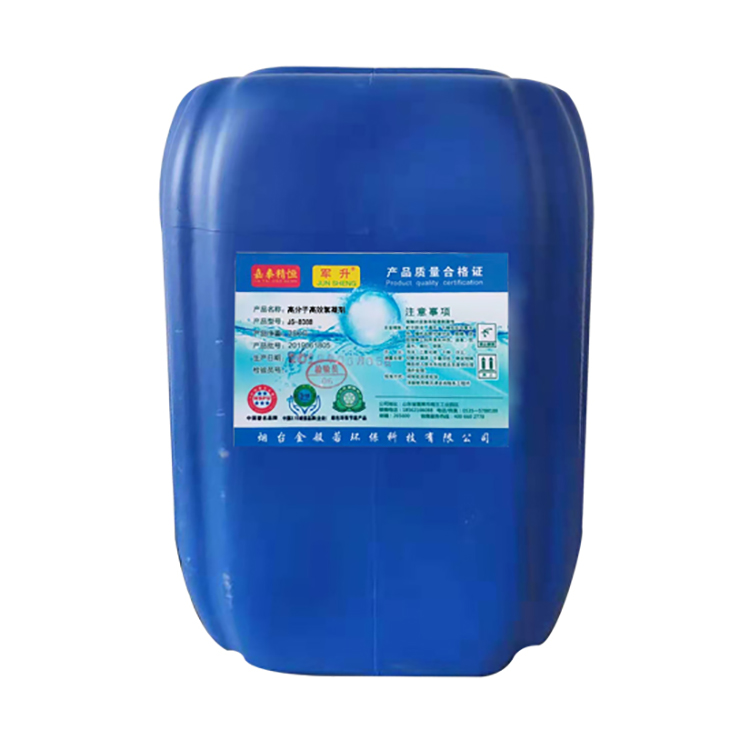 Paint mist coalescent agent
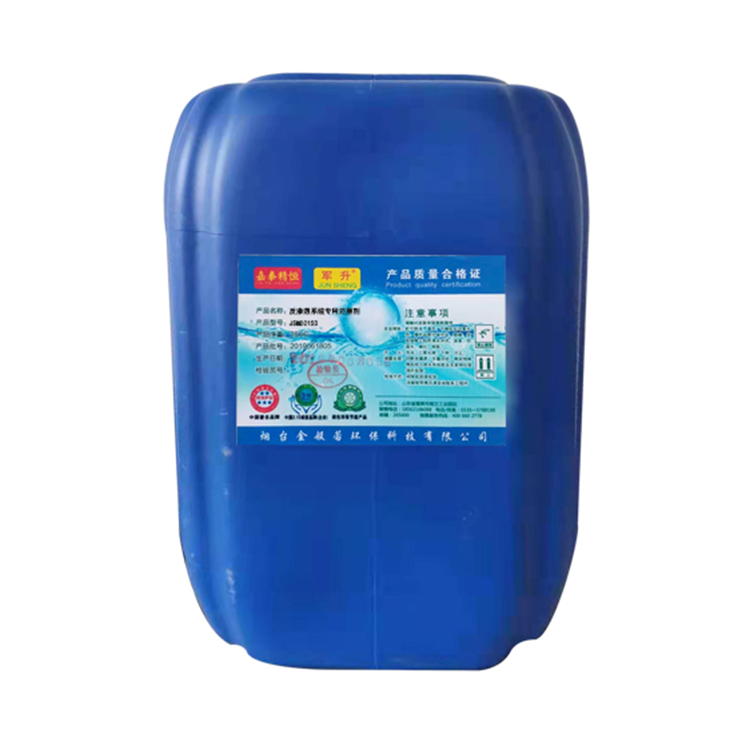 Reverse Osmosis System Regenerant
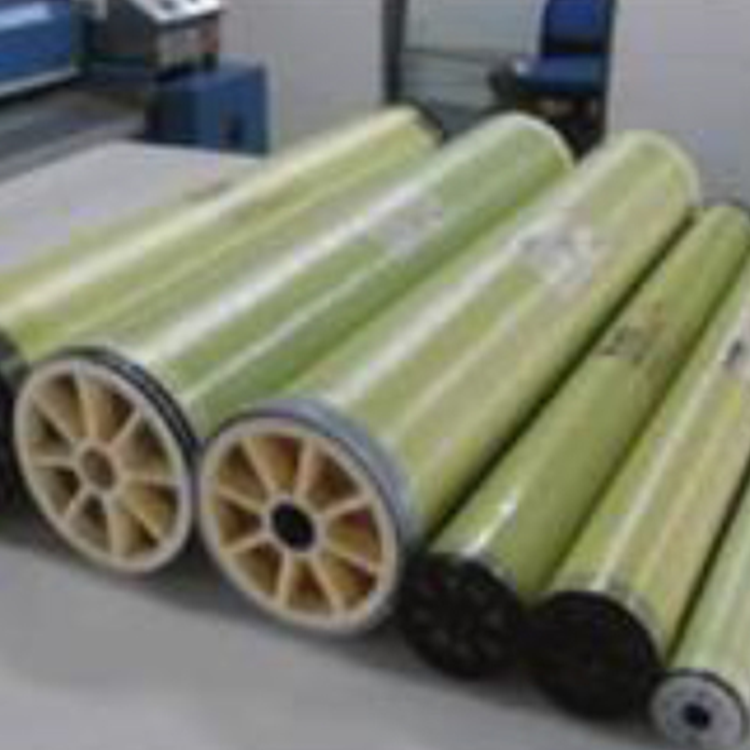 Electrophoresis Paint Ultrafiltration Membrane
Product Details



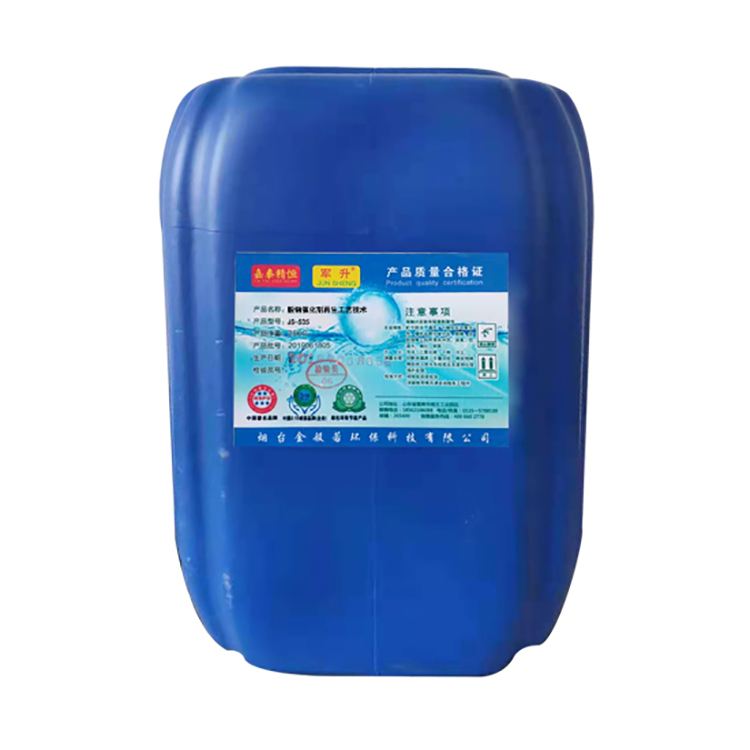
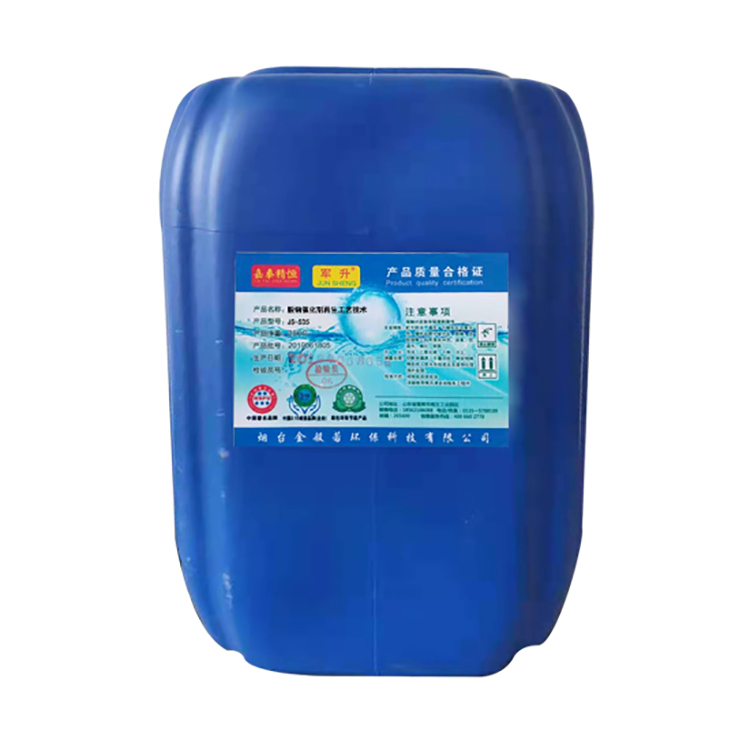
产品Price Negotiable
最小起订Quantity: 供货总Quantity:


Do you offer customization? |
|
Specs |
Complete |
Shipment Time |
7 days |
Denitrification Catalyst Regeneration Technology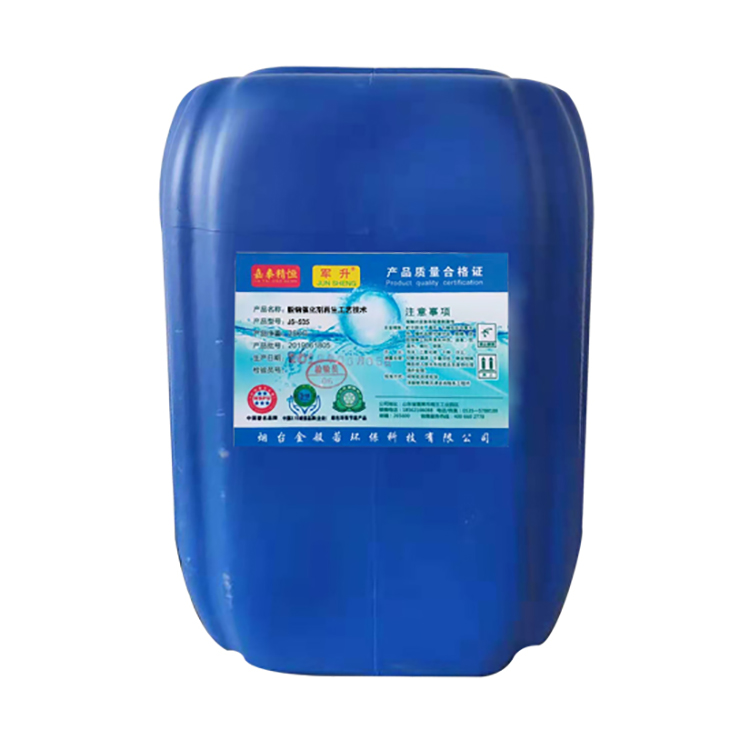
◆ Catalyst Regeneration Process
The catalyst reduction process was developed successfully by Yantai Jinbanruo Environmental Protection Technology Co., Ltd., after summarizing years of domestic and international experience and undergoing numerous tests.
Catalyst mechanical cleaning process. This cleaning process increases the surface area of the catalyst's active region, restoring or exceeding the level of new catalysts. It removes deposits and adsorbed mixtures and ions on the catalyst surface, thereby forming new catalytic reaction active areas.
Chemical cleaning with the approved chemical formula cleans the catalyst by removing deposits from its surface and deactivating the catalyst's active components. After chemical cleaning, rinsing is required.
The drying process typically follows the cleaning process and requires the complete drying of the regenerated catalyst. The main reasons are as follows: Firstly, the residual water in the catalyst pores may evaporate rapidly, causing cracks and damage to the catalyst. Secondly, dust or fly ash in the flue gas can easily adhere to the wet catalyst surface, leading to unnecessary catalyst failure from the outset. Therefore, drying the catalyst under temperatures ranging from 60°C to 120°C is highly necessary.
◆ Conclusion
Catalyst reduction is highly competitive compared to replacing or updating the catalyst layer or installing an additional spare catalyst layer.
Beyond saving costs on purchasing new catalysts, regenerating catalysts maintains a more advantageous operating cost for the selective catalytic reduction unit. This is because the catalyst reduction technology reduces pressure loss caused by catalysts compared to installing a reserved catalyst layer in SCR equipment. Additionally, the conversion rate of SO2 to SO3 in reactors using catalysts is approximately 2/3 of that using a reserved catalyst layer. The on-site catalyst regeneration process is quite mature and widely used both domestically and internationally.

Phone Consultation