
 Import Reverse Osmosis Scale Inhibitor
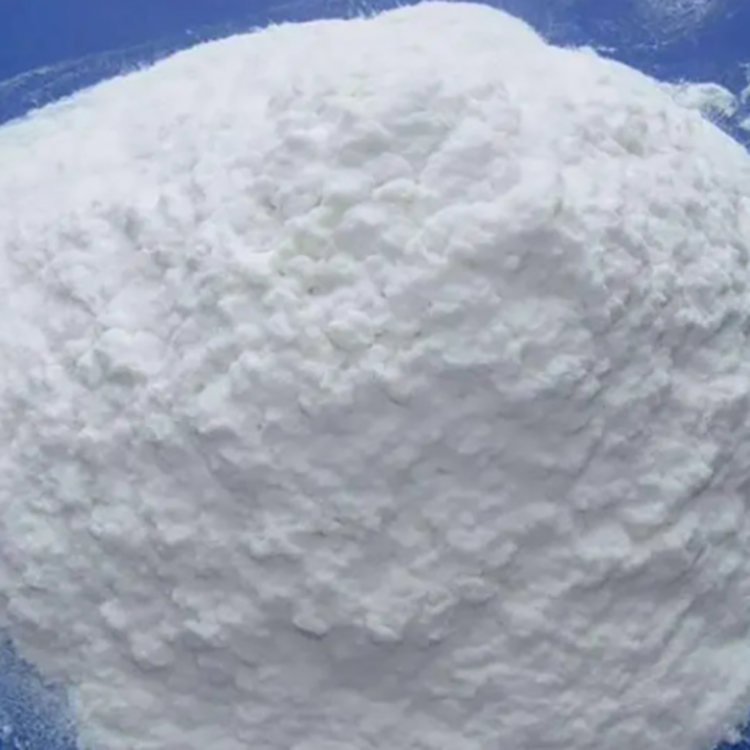 Environmentally Friendly Shell Dust Suppressant
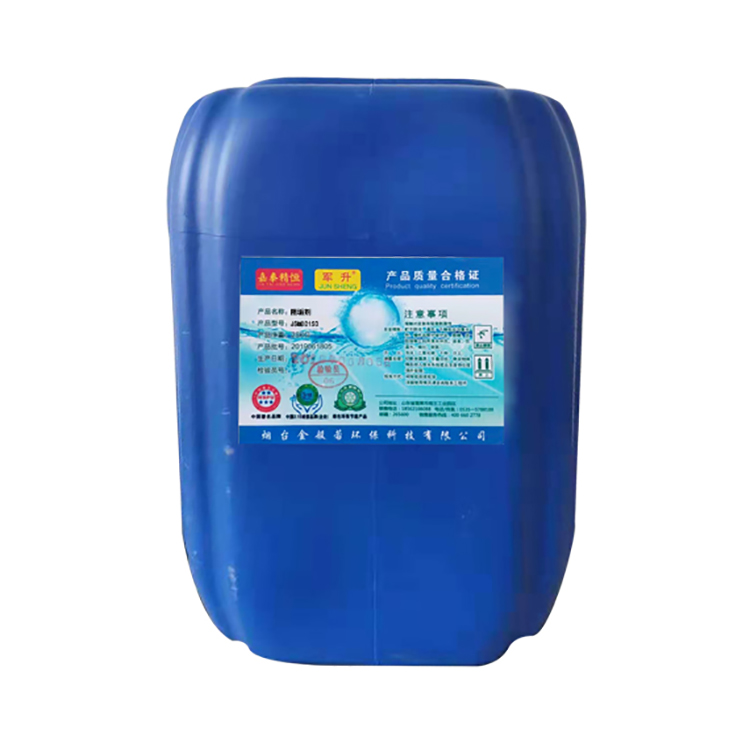 Antifreeze; Heating antifreeze fluid
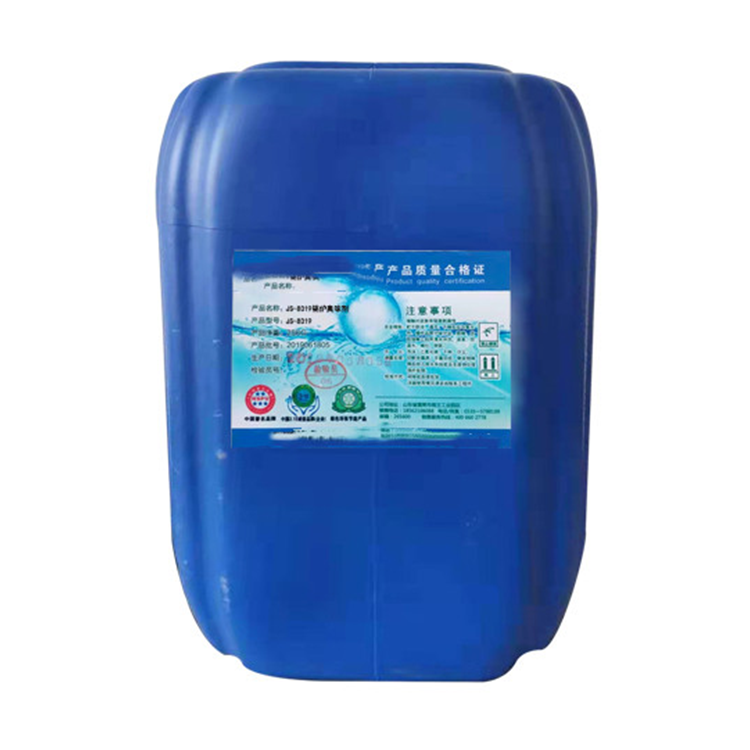 Industrial Equipment Antifreeze
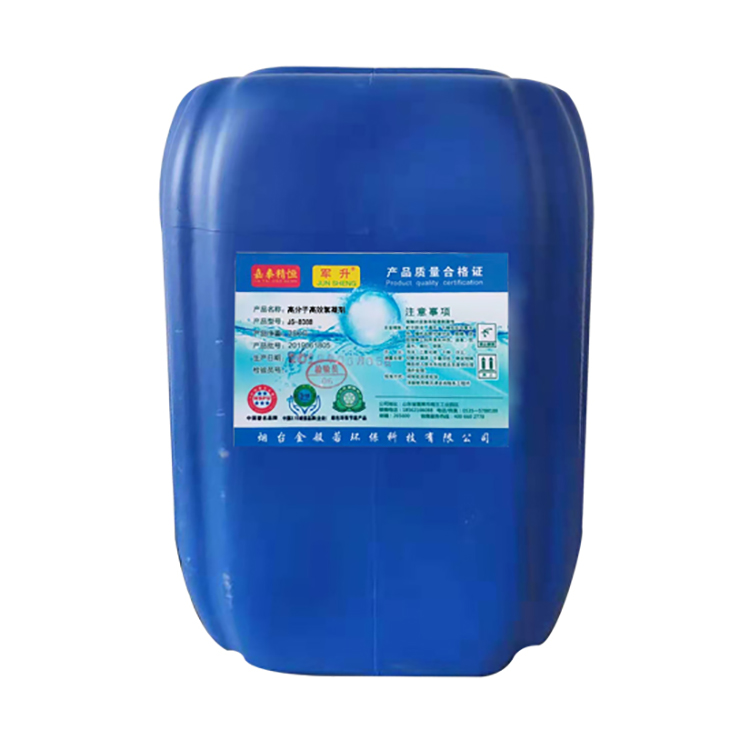 Paint mist coalescent agent
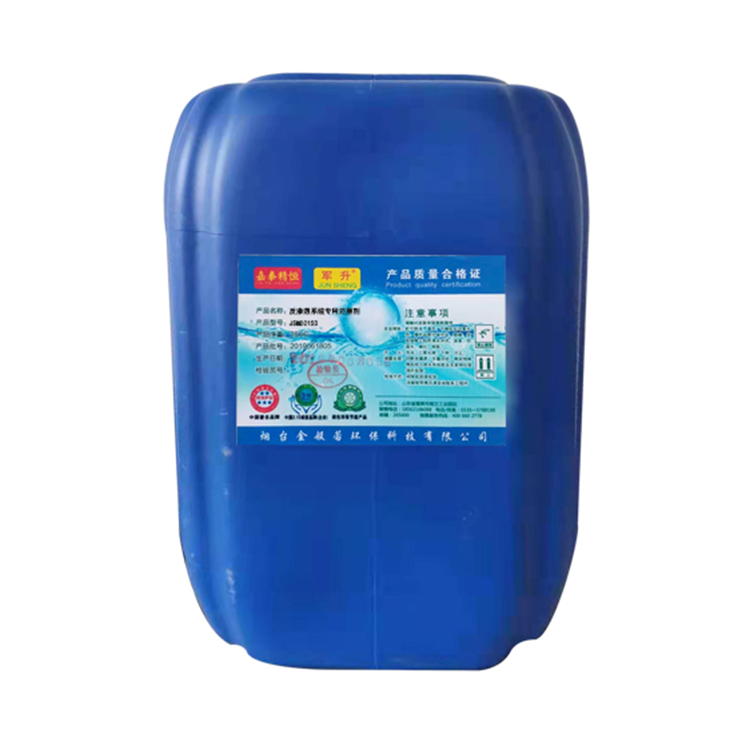 Reverse Osmosis System Regenerant
 Electrophoresis Paint Ultrafiltration Membrane
Product Details


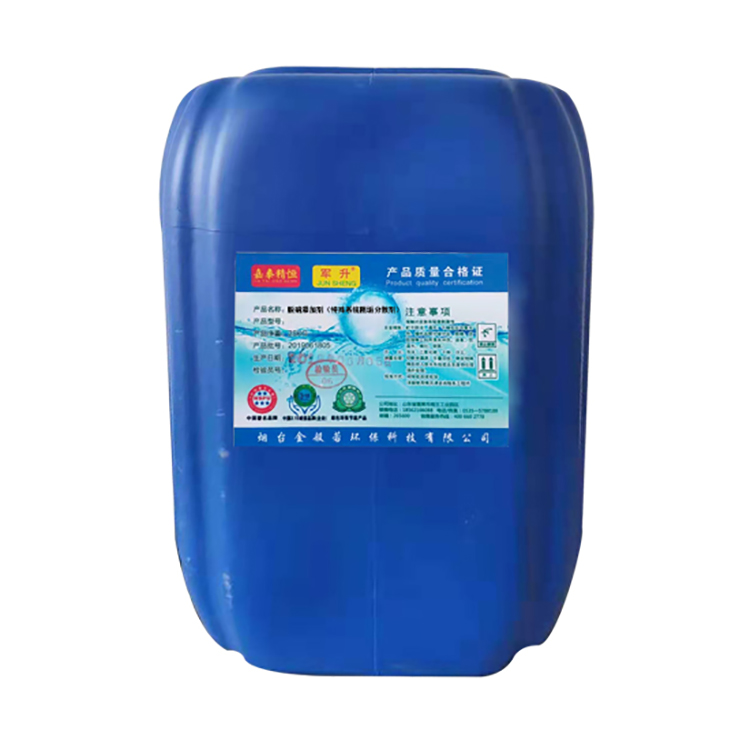
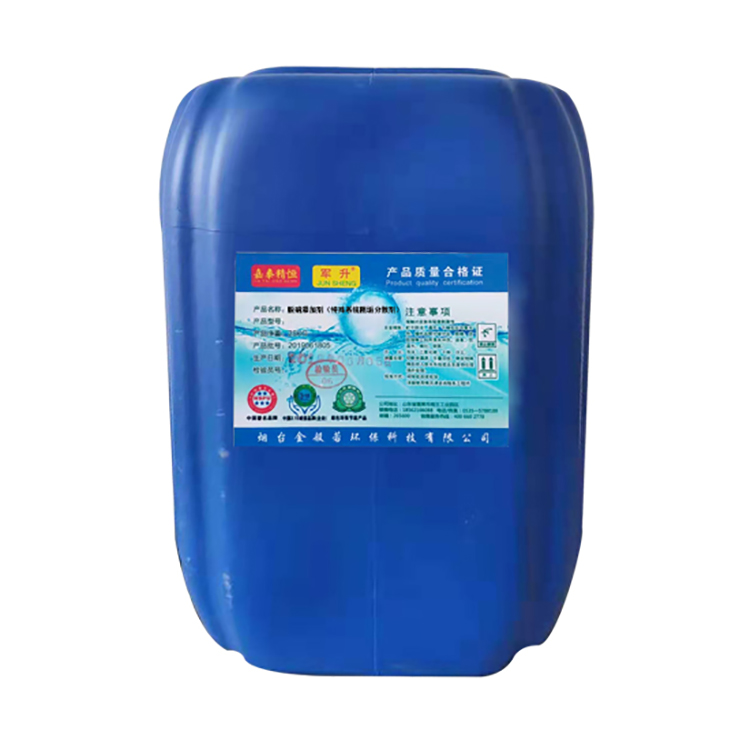
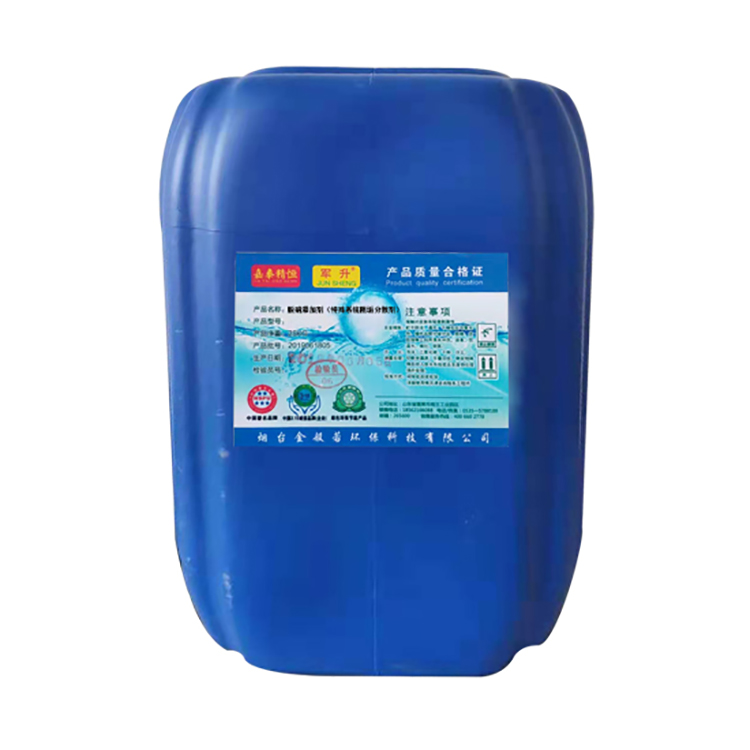
产品Price Negotiable
最小起订Quantity: 供货总Quantity:


Do we support customization? |
|
Specs |
Comprehensive |
Shipment Time |
7 days |
JS-905 Denitrification Additive (Special System Antiscalant Dispersant)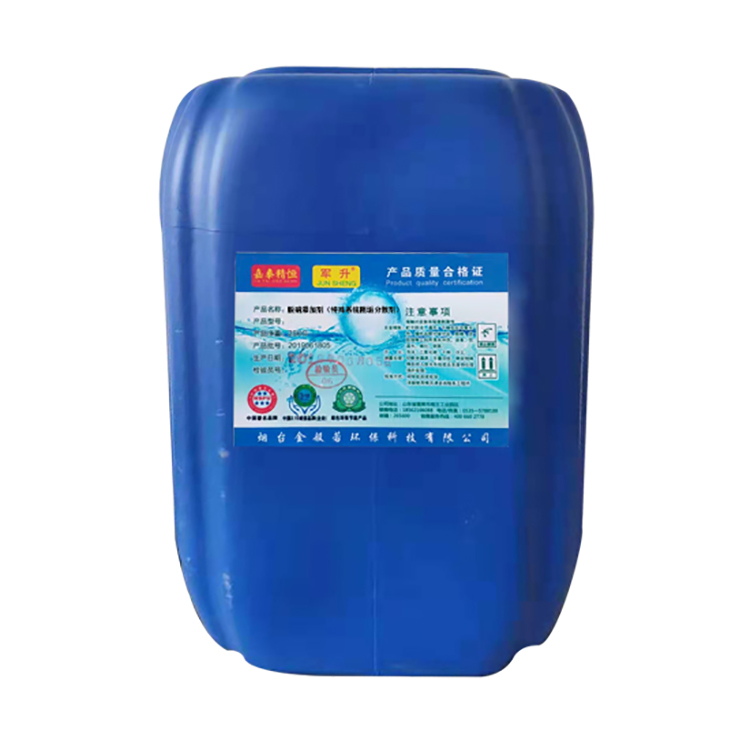
Product Features:
For flue gas denitrification in thermal power plants, most facilities use SCR or SNCR equipment, employing selective catalytic reduction (SCR) or selective non-catalytic reduction (SNCR) processes with reductants to remove NOx from flue gases. The denitrification agent (reductant) is typically ammonia water or dry urea, while catalysts are usually in honeycomb, plate, or corrugated forms. The issue with this process is that catalysts tend to deactivate easily. The main cause of catalyst plugging is the deposition of fine particles of ammonium salts and fly ash in the catalyst pores, obstructing the access of NOx, HNs, and O2 to the active surface of the catalyst, leading to catalyst钝ification. As SCR operates, the denitrification rate continuously decreases. The primary reason for catalyst deactivation and the decline in denitrification rate over time is due to dirt blocking the catalyst. The main components of the dirt include nitrates, carbonates, phosphates, ash, coal particles, oil droplets, etc.
This product is primarily composed of organic carboxylic acids, acrylic copolymers, poly peptides, and other high-performance additives.
The system effectively chelates with scaling ions, forming soluble suspensions in water and maintaining the particle size within a very small range, thereby exerting a descaling effect. It exhibits excellent scale inhibition and dispersing properties for calcium carbonate and calcium phosphate, remaining effective even at pH levels as high as 9.5. This inhibits the premature precipitation of calcium carbonate and calcium phosphate scales within pipes, valves, nozzles, pumps, and heat exchanger surfaces.
This product features a compounded formula, referencing the technology of imported product formulations, and includes special surfactants. It exhibits corrosion inhibition on materials such as carbon steel, stainless steel, copper, and copper alloys. Additionally, it improves the characteristics of droplets at the nozzle outlet, enhances the reaction speed at the gas-liquid interface, and improves the performance of the denitrification system.
The components are well-matched for stability, exhibit excellent high-temperature resistance, and maintain good performance at up to 200°C. This product is a liquid, offering ease of use, low toxicity, and environmental friendliness.
◆Technical Specifications:
Physical State: Liquid
Appearance: Yellow to brown liquid
Odor: Slight
Density (20°Cg/cm): 1.15 ± 0.10
Effective Material Content (%): ≥98
Solubility in water: Soluble
PH (1%): 3.0 ± 1.0
◆ Instructions for Use:
Based on the characteristics of the system medium and the device features, the general dosage is typically 100-300 mg/L. It is recommended to use an automatic dosing system for continuous addition.
◆ Packaging & Storage:
This product is packaged in plastic drums, with a net weight of 25KG per drum. Store in a cool, dry, well-ventilated area indoors. Shelf life is twelve months. Safety Measures: Hand Protection: Wear impermeable gloves, such as rubber gloves.
Skin Protection: Waterproof workwear, aprons, and boots, as contact must be avoided.
Protect eyes: Wear chemical safety goggles.
● Hygiene Recommendations: A safe shower and eyewash station are available in the work area.
◆First Aid Measures:
● Eyes: Immediately flip up the eyelids and rinse the eyes thoroughly with plenty of water for at least 15 minutes.
●Skin: If contact occurs, wash with clear river water and soap, remove contaminated clothing and shoes. Wash clothing before reuse if irritation persists, and exclude contamination.
●Ingestion: Rinse mouth with large amounts of water and induce vomiting.

Phone Consultation