
 Import Reverse Osmosis Scale Inhibitor
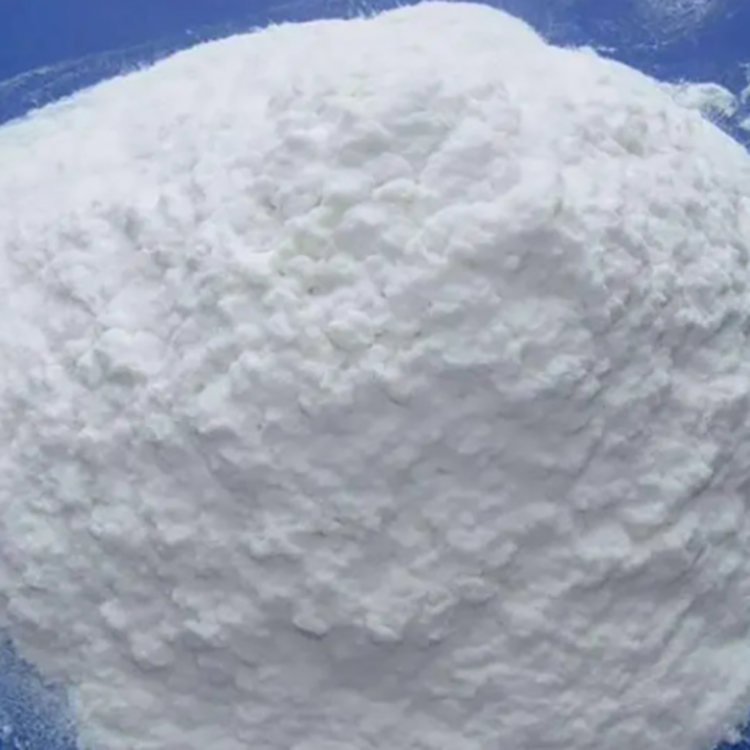 Environmentally Friendly Shell Dust Suppressant
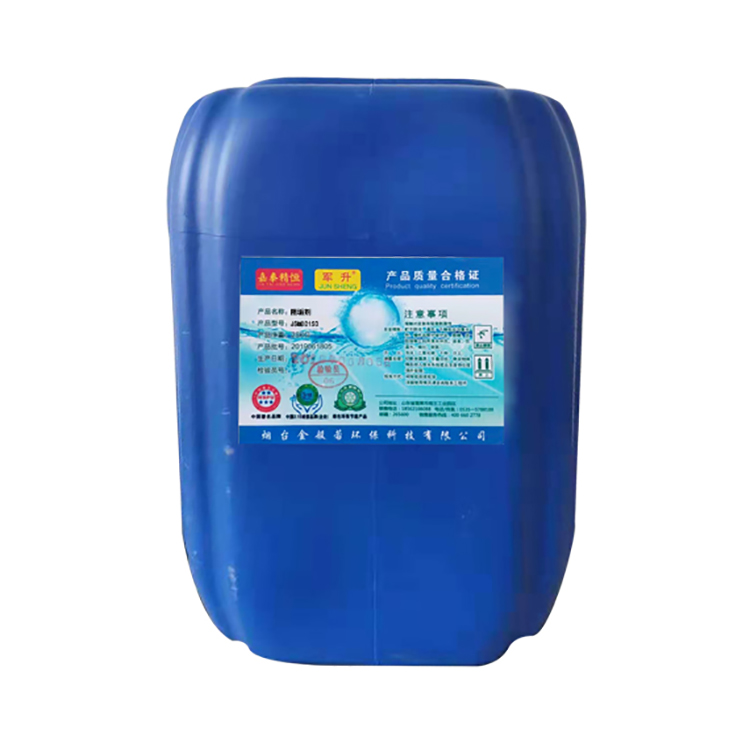 Antifreeze; Heating antifreeze fluid
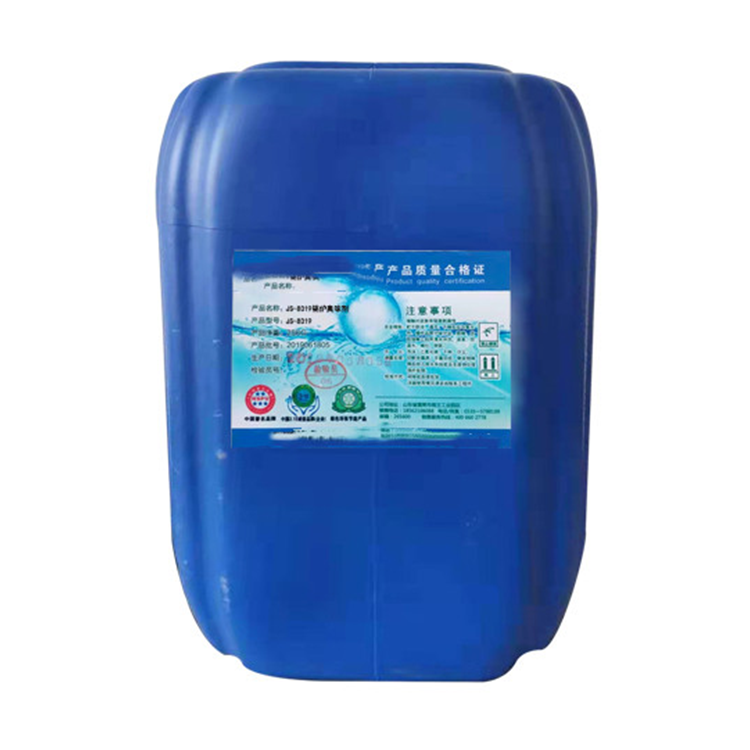 Industrial Equipment Antifreeze
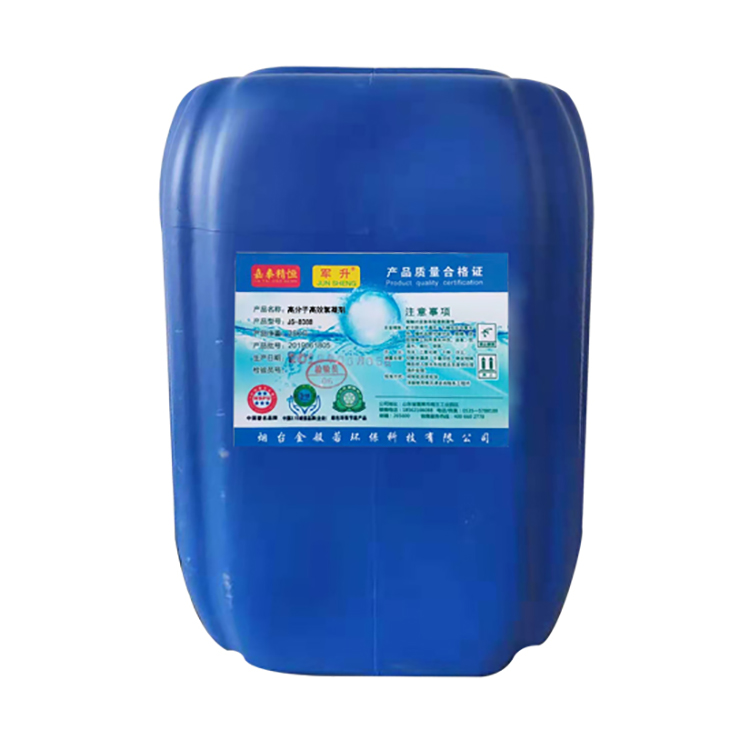 Paint mist coalescent agent
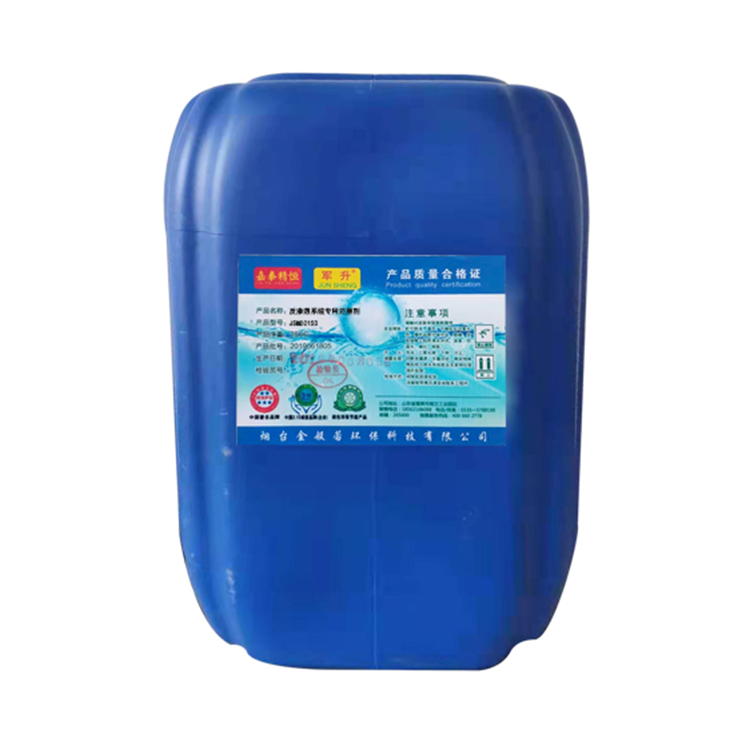 Reverse Osmosis System Regenerant
 Electrophoresis Paint Ultrafiltration Membrane
Product Details


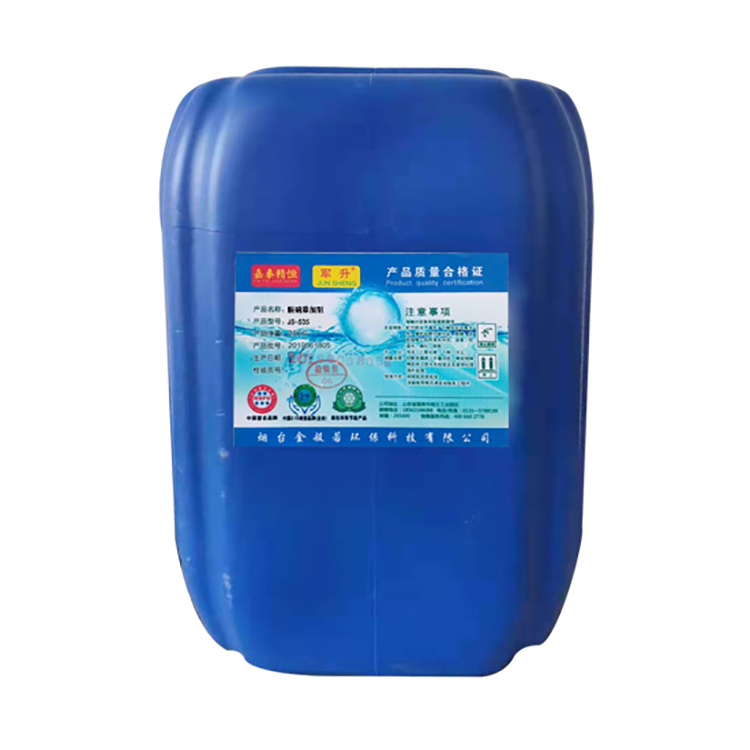
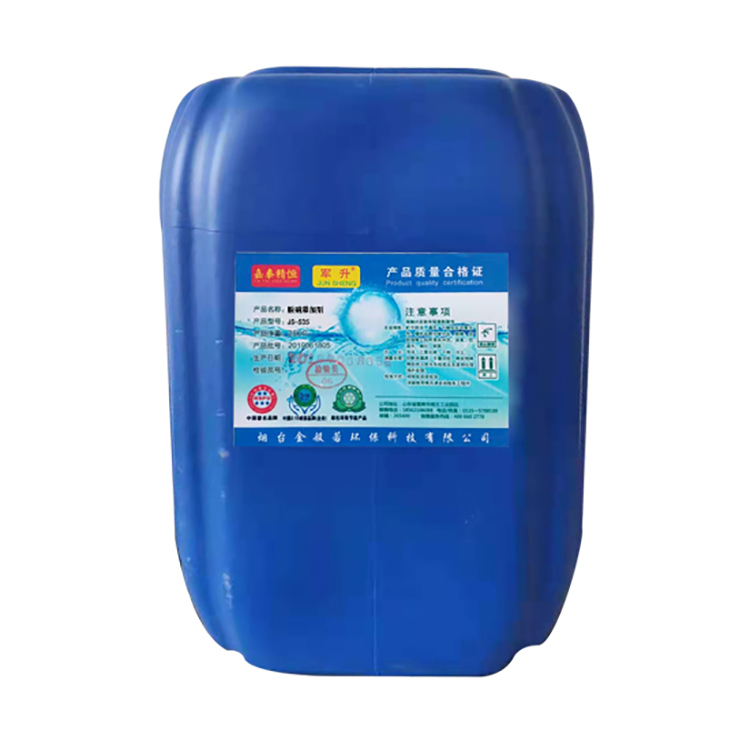
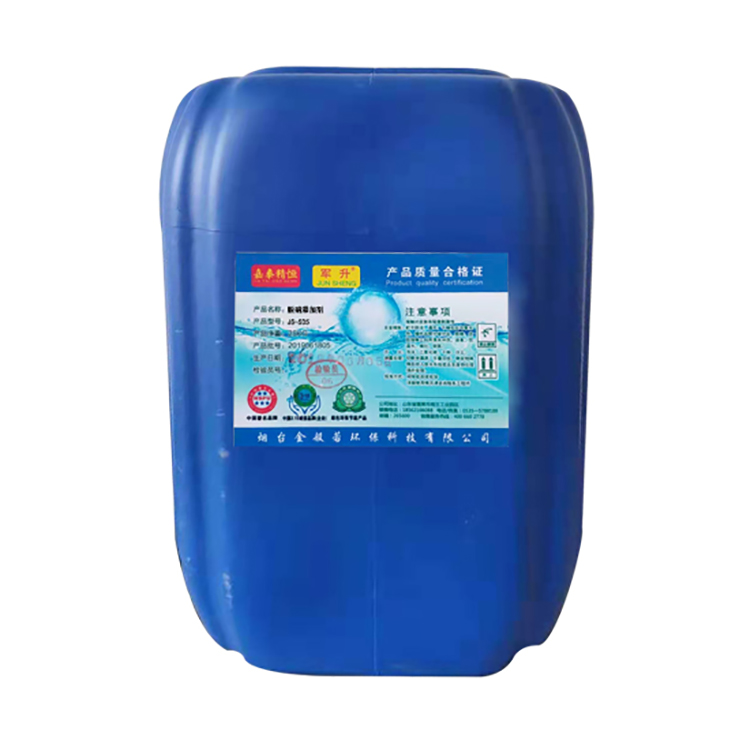
产品Price Negotiable
最小起订Quantity: 供货总Quantity:


Does it support customization? |
|
Specification |
Comprehensive |
Shipment Time |
7 days |
JS-904 Denitrification Additive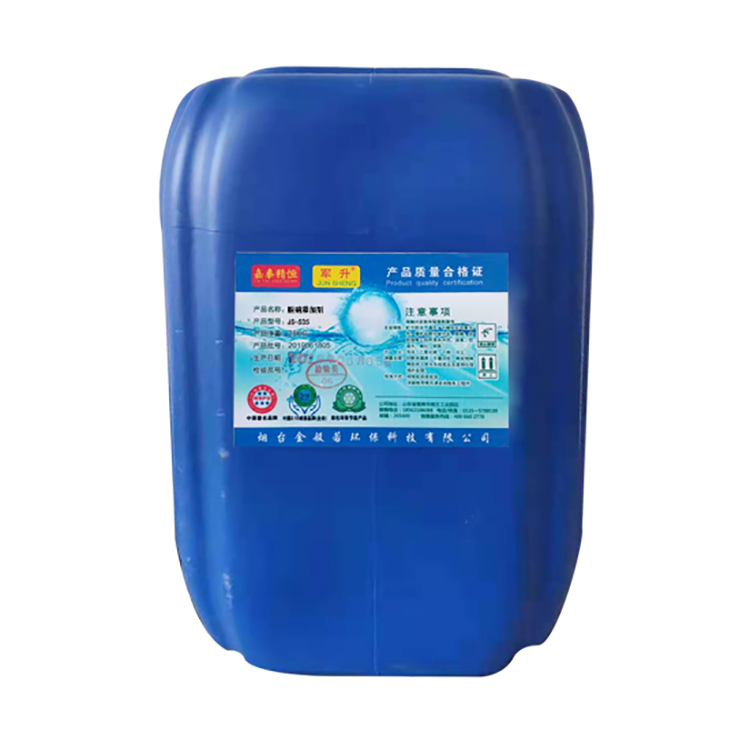
◆ Overview:
Fumes are a mixture of gases and particulate matter, with a complex composition. The gases include SO2, CO, CO2, hydrocarbons, and nitrogen oxides (NOx). The particulate matter includes ash from fuels, coal particles, and high-temperature cracking products. Sulfur dioxide and NOx in the fumes are significant sources of air pollution, and many countries have established stringent emission standards for these pollutants in flue gases.
In the market, most domestic thermal power plants use (SCR) or (SNCR) systems for flue gas denitrification, employing selective catalytic reduction (SCR) technology with reductants to remove NOx from flue gas. The denitrification agents (reductants) commonly used are liquid ammonia, ammonia water, or anhydrous urea, while the catalysts typically come in honeycomb, plate, or corrugated designs. The issue with this process is that the catalysts tend to deactivate easily. The main cause of catalyst plugging is the deposition of fine particles of ammonium salts and fly ash in the catalyst pores, which obstructs the access of NOx, HN3, and O2 to the active surface of the catalyst, leading to catalyst钝ization. As SCR operates, the denitrification rate continuously decreases. The primary reason for catalyst deactivation and the decline in denitrification rate over time is due to soot blocking the catalyst. The main components of the soot include nitrates, carbonates, phosphates, ash, coal particles, oil droplets, etc.
Our company has developed a low-cost, environmentally friendly high-tech denitrification additive in response to market demand. The main component is a mixture of surfactants, scale inhibitors, dispersants, accelerators, and synergists.
◆Its main functions:
1. The ability to effectively disrupt the crystal structure of dirt (such as sulfates, carbonates, phosphates, etc.), thereby softening the dirt.
2. Effectively resolves the clogging of catalysts by dirt, ensuring the catalyst's catalytic effect and improving denitrification rate.
3. Enhance the service life and lifespan of denitrification catalysts, reducing the cost of using denitrification catalysts, improving economic and social benefits, and ensuring ease of use.
Usage Instructions:
Add the reducer aqueous solution (urea or ammonia water) at a ratio of 0.1-0.3% to the reducer and mix evenly.
◆Application Examples:
A power plant in China is operating a 2x600MW thermal power unit flue gas denitrification facility, using JS-904 denitrification additive for denitrification treatment of the power plant's flue gas. The initial denitrification rate is 93.1%, and after 60 days of operation, the denitrification rate is 92.8%.
The initial denitrification rate of the power generation unit without denitrification additive is 93.1%, which drops to 78.2% after 60 days of operation.

Phone Consultation