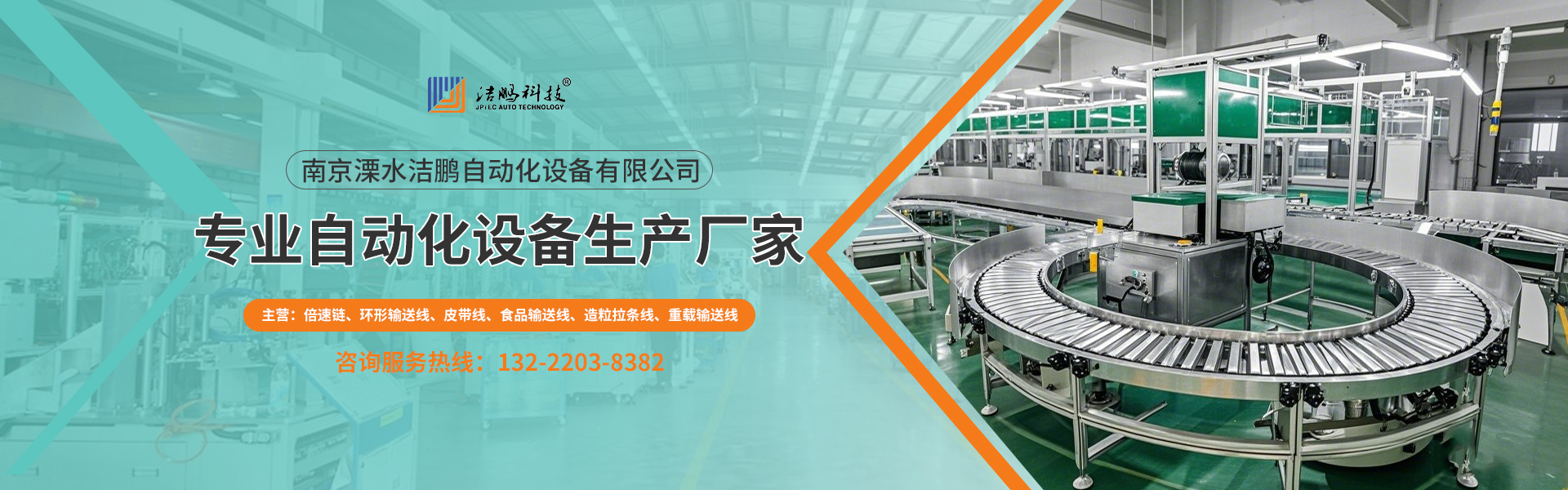
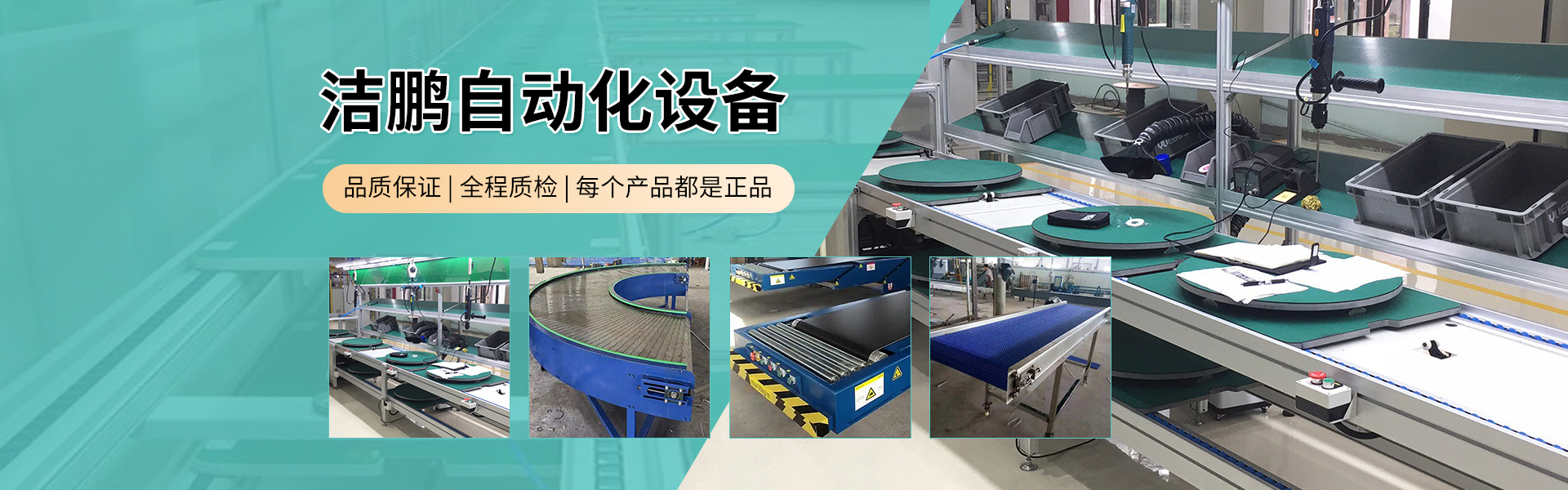
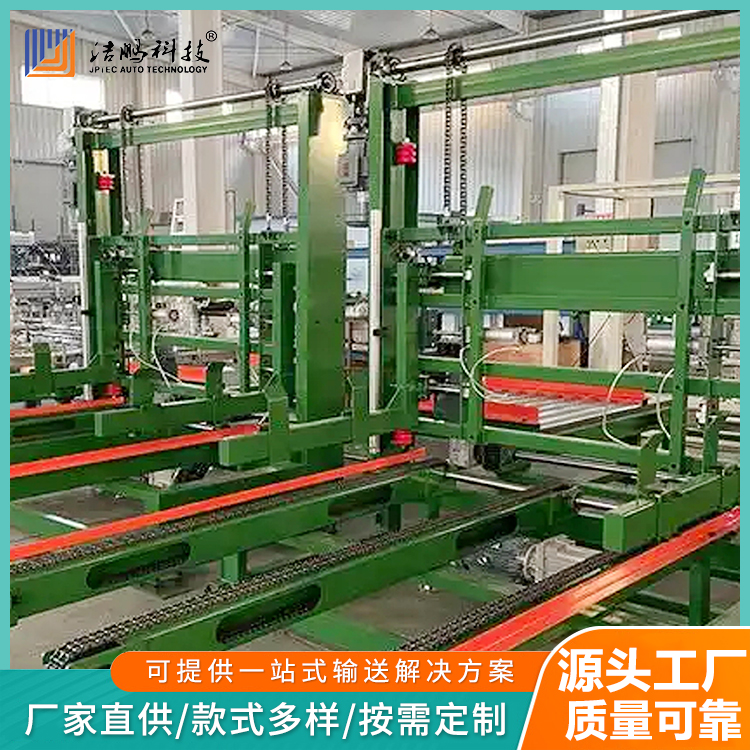
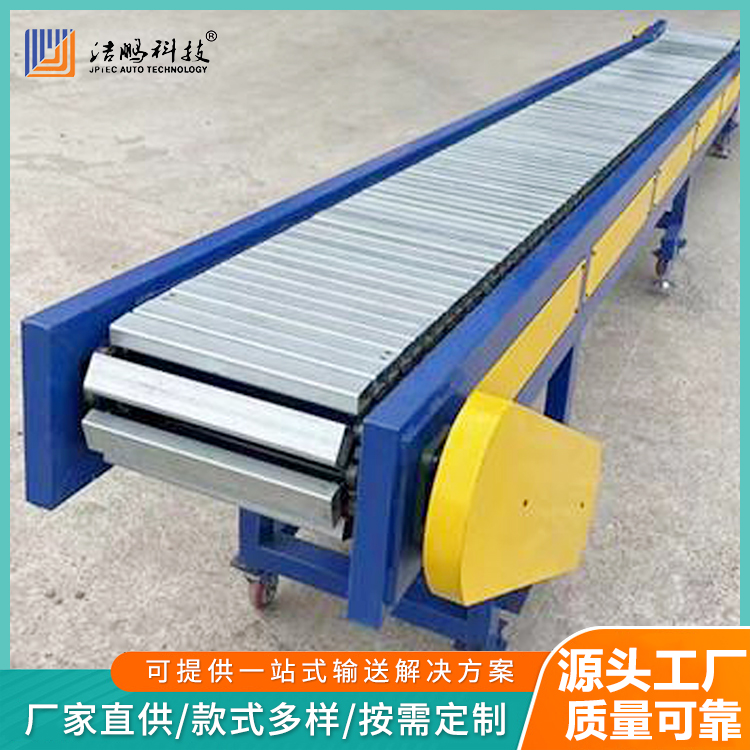
Belt Conveyors, Granulating Pulling Lines, Circular Conve...

The future of assembly line development shows a multi-dimensional trend of transformation. Here are some key directions of development:
Continuous Deepening of Intelligent and Automated Levels
Integration of Advanced Smart Control Systems: Leveraging technologies like the Internet of Things, big data, and artificial intelligence, the production line will be equipped with more advanced control systems, enabling real-time monitoring and in-depth analysis of the production process. Not only can it precisely control parameters and rhythms at each stage, but it also possesses self-learning and optimization capabilities, automatically adjusting work processes based on production data to further enhance production efficiency, product quality, and resource utilization.
The Expansion of Human-Robot Collaboration: The future assembly line will no longer simply replace human labor with machines, but instead will focus on enhanced human-robot collaboration. By introducing collaborative robots and other equipment, the flexibility of humans and the efficiency of machines will be fully integrated. Workers can concentrate on more creative and complex tasks, while robots take on heavy, repetitive labor, jointly driving the efficient operation of the production process and enhancing production flexibility and adaptability.
The convergence of digitalization and networking is accelerating.
Deep Dive into Production Data: With the widespread adoption of digital technology, the vast amount of production data generated on assembly lines will become a valuable asset for businesses. By leveraging big data analysis and data mining techniques, companies can extract valuable insights from this data, such as identifying production bottlenecks, warning of quality issues, and predicting equipment failures, thereby achieving refined management and optimization of the production process. Data-driven decision-making will become a crucial tool for enterprises to enhance production efficiency, reduce costs, and improve quality.
Interconnectivity and Collaboration of Equipment: The future assembly line will no longer be isolated production units, but interconnected and collaborative through the Industrial Internet. Different manufacturers and types of equipment can seamlessly integrate, forming an organic overall production system. Throughout the entire supply chain, from upstream raw material supply, midstream production processing, to downstream product distribution, information between each link will be shared and interacted in real-time, achieving precise scheduling of production plans, optimized inventory management, and efficient logistics distribution, enhancing the collaborative efficiency and competitiveness of the entire industrial chain.
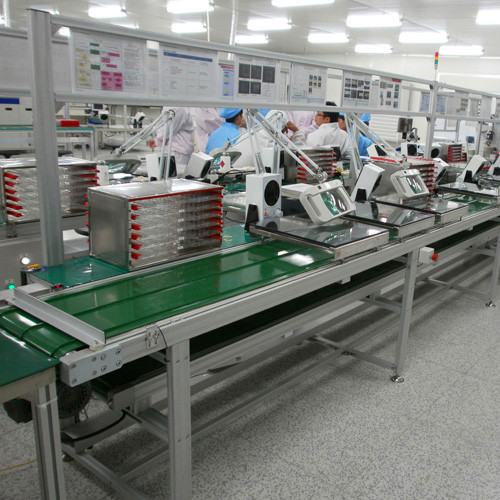
Our commitment to green and environmental sustainability is unwavering.
Energy Conservation and Recovery: Driven by environmental policies, the energy-saving design of production lines will be crucial. Companies will increasingly focus on adopting high-efficiency energy-saving motors, drives, lighting systems, and other equipment to reduce energy consumption during the production process. At the same time, energy recovery technologies will be widely applied, such as recovering and reusing excess heat and pressure generated during production, enhancing the comprehensive utilization efficiency of energy, and minimizing environmental impact.
The Application of Eco-Friendly Materials and Processes: In the construction and operation of future production lines, there will be a greater use of environmentally friendly materials to reduce pollution. In terms of production processes, we will continuously explore and adopt cleaner, low-carbon technologies to decrease emissions of pollutants such as wastewater, waste gas, and waste residue. For instance, the use of eco-friendly paints like water-based and powder coatings, as well as the promotion of lead-free welding and green packaging processes.
Flexible production has become the mainstream.
Quick Mold Changes and Flexible Configuration: To meet the market's demand for diverse, small-batch products, the production line will feature faster product changeover capabilities and more flexible equipment configuration. The quick mold change technology will be further developed and applied, significantly reducing the time required for equipment adjustments between different products. Additionally, the layout of the production line's equipment and the process flow will become more modular and reconfigurable, allowing for rapid adjustments and combinations based on various production tasks, effectively balancing mass and small-batch production.
Customized Production: As the demand for personalized products grows among consumers, the assembly line will better support customized production. With digital technology, personalized consumer requests can be directly converted into production commands, driving the assembly line to produce custom-made goods. From product design, processing to assembly, adjustments can be made flexibly according to specific customer requirements, promoting the popularization of mass customized production models and enhancing the company's market competitiveness.
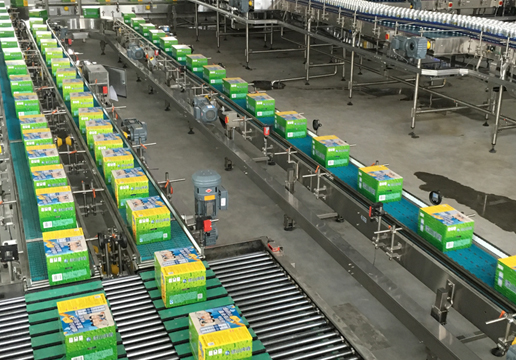
The rise of miniaturized and micro-precision assembly lines
Adapting to the Needs of Distributed Manufacturing: As the manufacturing industry shifts towards a distributed manufacturing model, miniaturized and microfactory assembly lines will see increased application. These lines offer advantages such as small land footprint, low investment costs, and short construction periods, allowing for flexible deployment across various production sites. They cater to the needs of small and medium-sized enterprises, startup teams, and customized production. For instance, in small electronic manufacturing companies, craft production enterprises, and biopharmaceutical research institutions, miniaturized assembly lines will serve as crucial tools for enhancing production efficiency and product quality.
Meeting the Demands of Special Application Scenarios: In certain specialized fields such as aerospace, medical equipment, and high-end electronics, there's a high demand for product precision and quality, with relatively smaller production volumes. Miniaturized and micro-fabrication assembly lines are better suited to these unique requirements, producing high-quality products through controlled and precise manufacturing processes. Additionally, these lines can be integrated with laboratory equipment and research tools, forming an integrated R&D production platform that accelerates the product development and innovation cycle.


b2b.china9.net © Zhongshang 114 Hebei Network Technology Co., Ltd.Address: Room 6009, Oriental New World Center, No.118 East Zhongshan Road, Qiaoxi District, Shijiazhuang City, Hebei ProvincePlatform Service Hotline: 4006299930