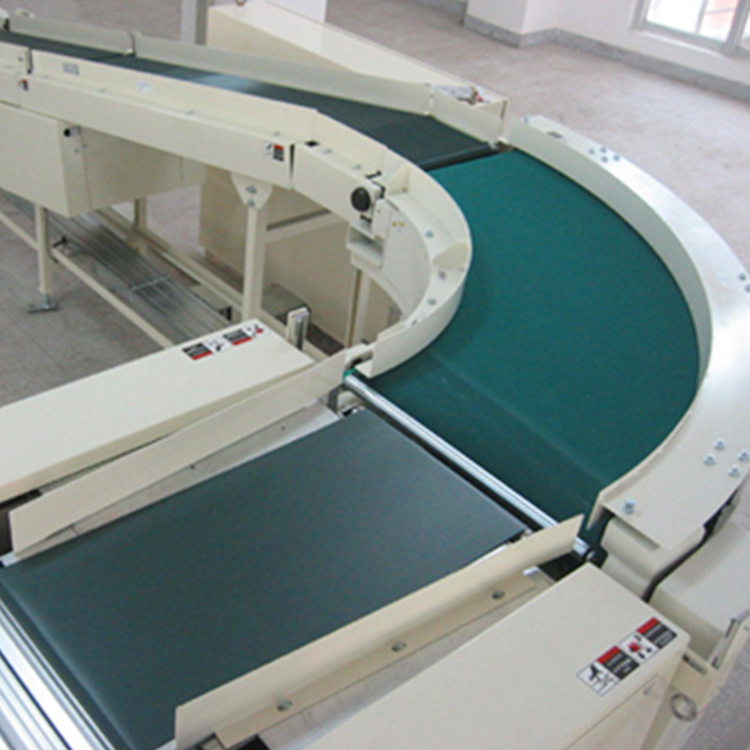
Belt Conveyors, Granulating Pulling Lines, Circular Conve...

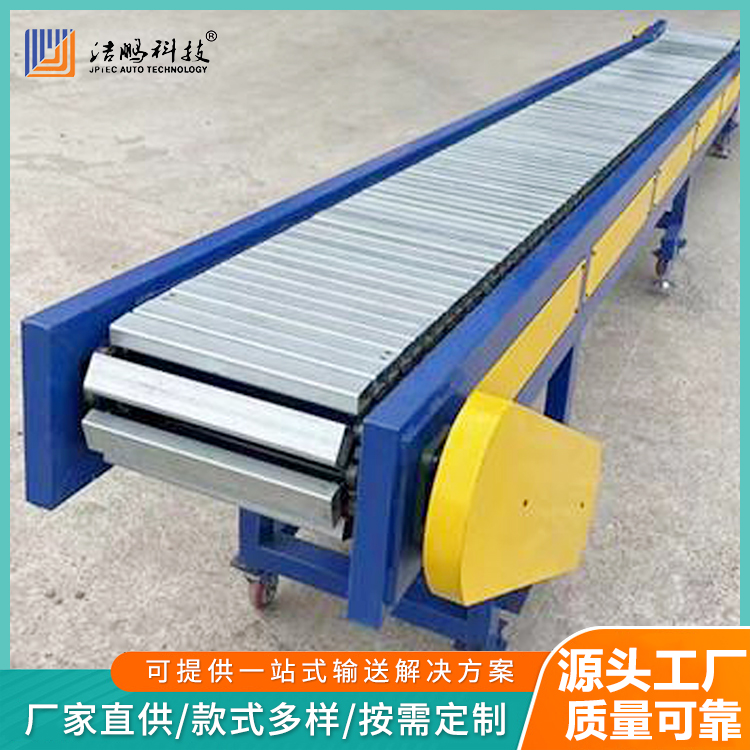
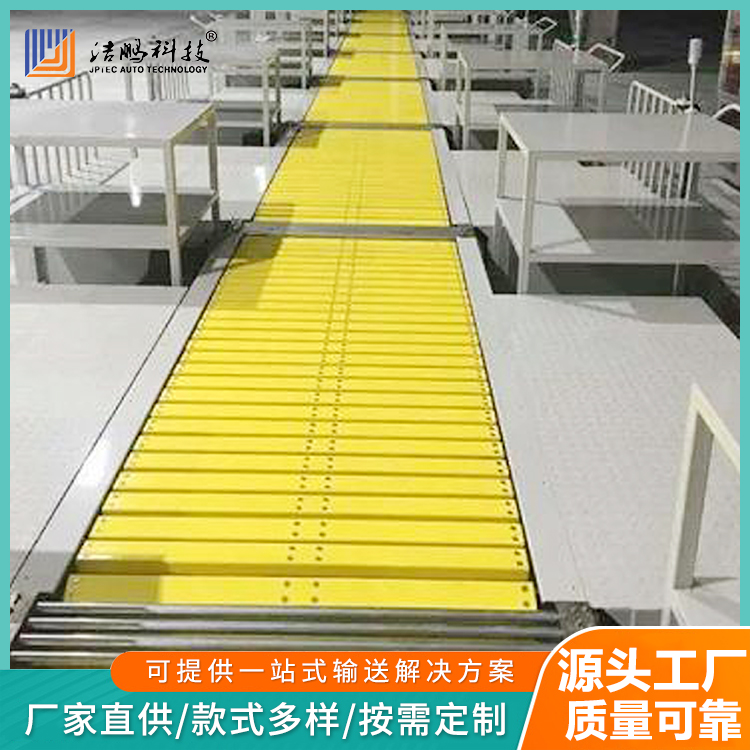
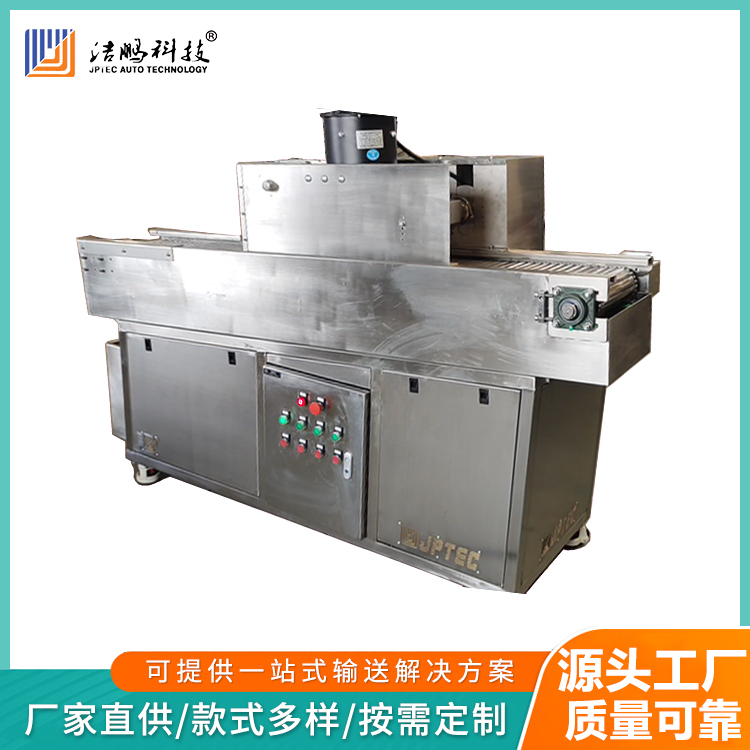
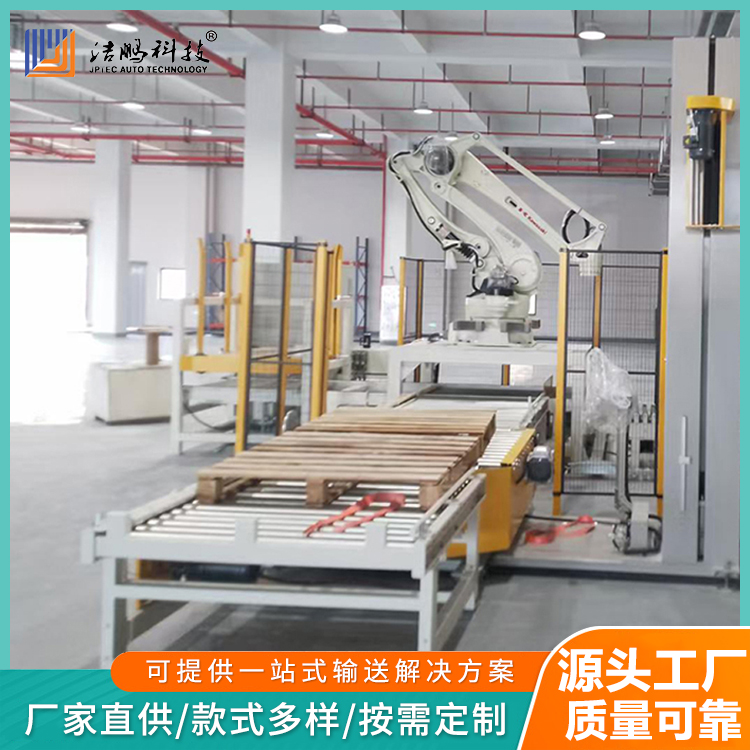
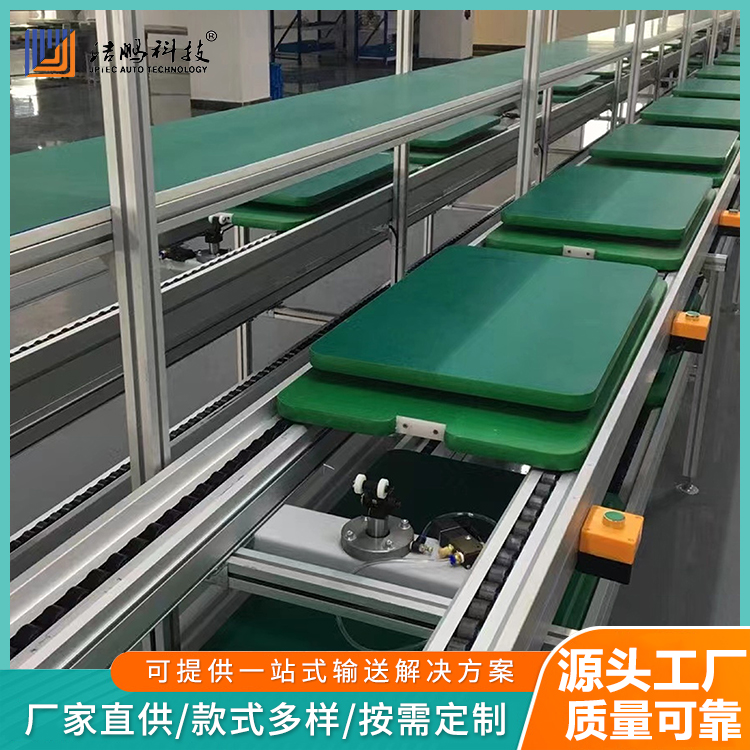
The conveyor belt line boasts strong conveying capacity and plays a significant role in various industries. Below is a detailed introduction:
General range of conveying capacity
Belt conveyor transport capacity varies greatly due to various factors. Generally, the transport capacity of small-scale belt conveyors may only be a few cubic meters or hundreds of kilograms per hour, commonly used in small workshops or laboratories for the transportation of small batches of materials. Large industrial belt conveyors, on the other hand, offer considerable transport capacity, with hourly volumes reaching thousands or even tens of thousands of cubic meters. For instance, in industries such as mining and ports, some large belt conveyors can transport thousands of tons of ore and coal per hour; in the logistics industry, large belt conveyors can transport tens of thousands of packages per hour, meeting the needs of large-scale logistics sorting and transportation.
Advantages over other conveying equipment
Compared to other conveying equipment like scraper conveyors and screw conveyors, belt conveyors have certain advantages in terms of conveying capacity. For instance, scraper conveyors experience significant friction between the scraper and the trough during operation, which can lead to equipment wear and limited conveying volume. Screw conveyors are more suitable for small-scale, low-volume material conveying; their capacity is far inferior to that of belt conveyors for large-scale, long-distance material transport. Belt conveyors, with their continuous conveying, high volume capacity, and smooth operation, excel in long-distance conveying of large volumes of materials, effectively enhancing production efficiency and reducing labor costs.
Factors Affecting Delivery Capacity
Belt Width: Generally speaking, the wider the conveyor belt, the greater its conveying capacity. For instance, a 1000mm wide conveyor belt can carry more materials than a 500mm wide one, demonstrating a significantly higher conveying capacity.
Belt Line Speed: The operation speed of the belt line is also a crucial factor. The faster the speed, the greater the amount of material transported within a given time frame. However, excessive speed may lead to material spillage or significant wear on the equipment. Typically, the running speed of belt lines ranges between 1-5 m/s, with some specially designed high-speed belt lines possibly exceeding this range.
Material Characteristics: The characteristics such as bulk density, particle size, shape, and humidity of the material can affect conveying capacity. Materials with higher bulk density, like iron ore, are heavier for the same volume, requiring higher conveying capacity; materials with smaller particle size and regular shape stack more compactly on the conveyor belt, resulting in higher conveying efficiency; however, materials with high humidity may stick to the conveyor belt, affecting conveying performance and capacity.
Belt Conveyer Inclination: When conveying materials at an angle, the inclination size affects the conveying capacity. Excessive inclination can lead to materials sliding down easily, potentially reducing the conveying volume and even preventing normal conveyance. Generally, for bulk materials, the belt conveyer's inclination between 15°-20° offers a relatively stable conveying capacity.


b2b.china9.net © Zhongshang 114 Hebei Network Technology Co., Ltd.Address: Room 6009, Oriental New World Center, No.118 East Zhongshan Road, Qiaoxi District, Shijiazhuang City, Hebei ProvincePlatform Service Hotline: 4006299930