Belt Conveyors, Granulating Pulling Lines, Circular Conve...

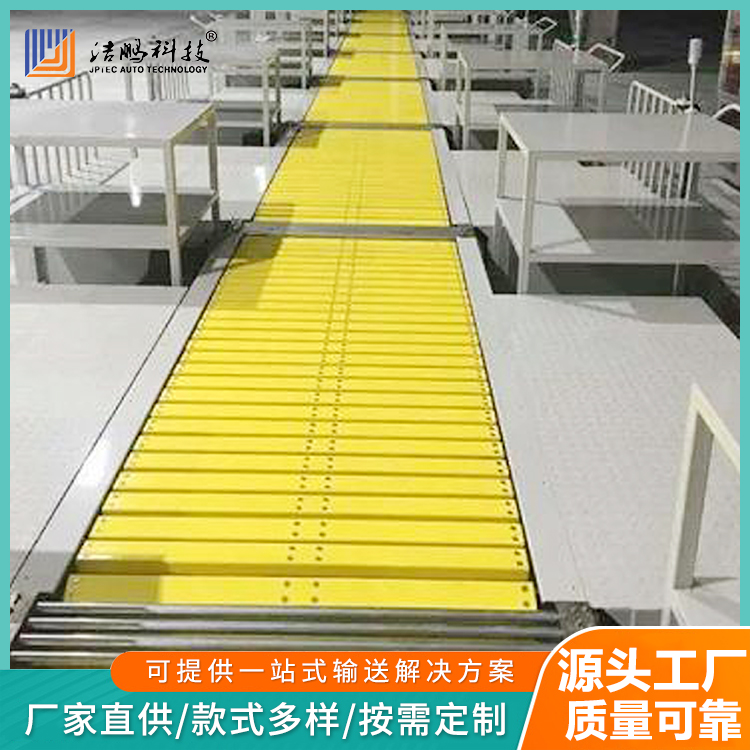
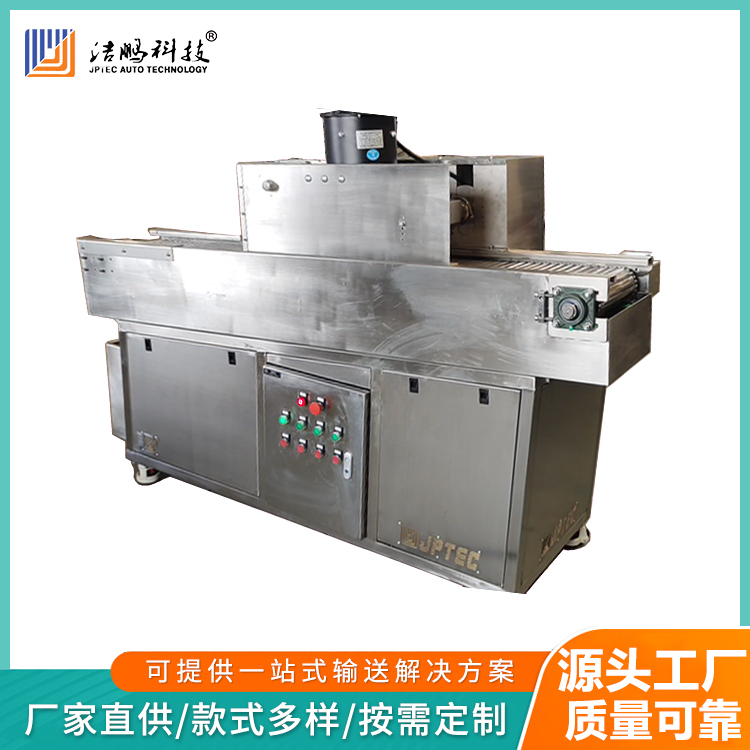
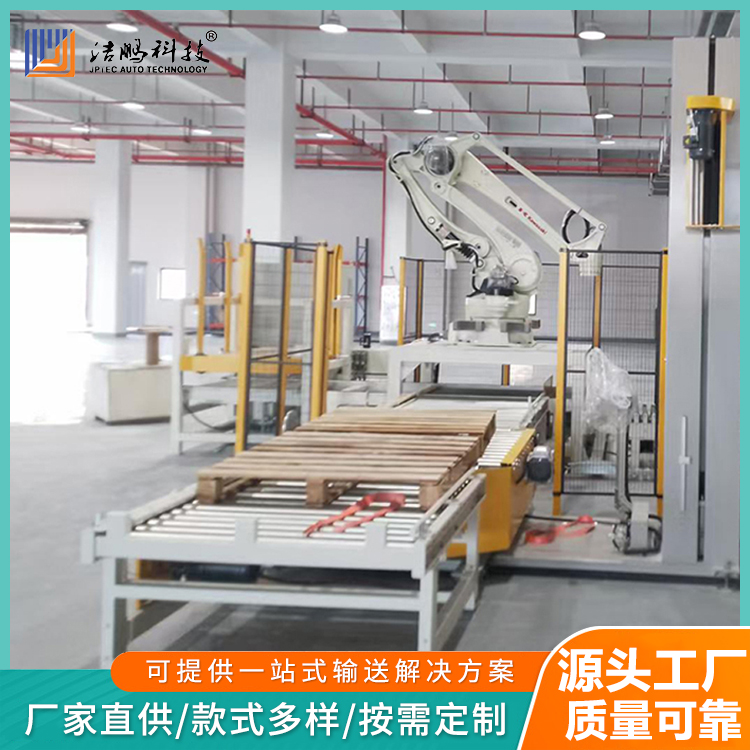
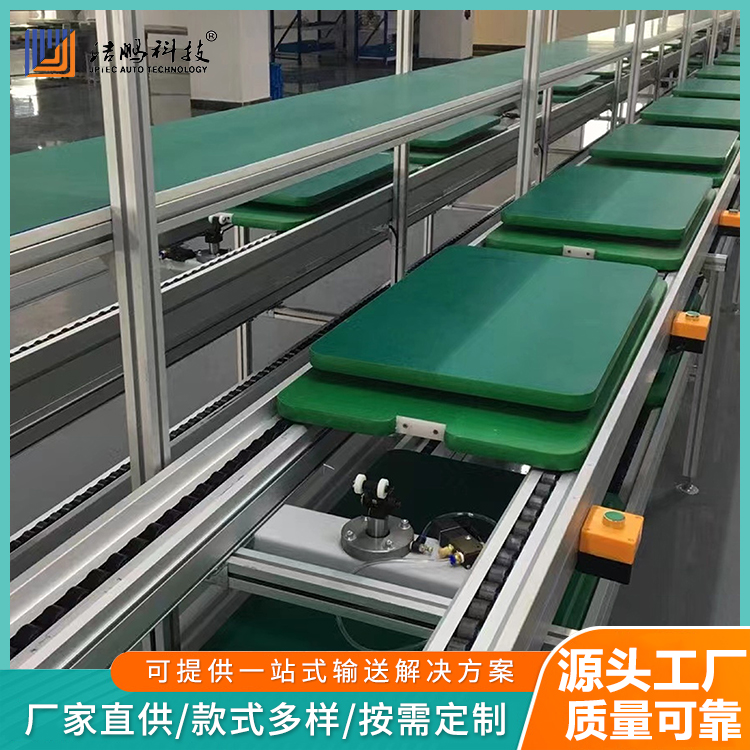
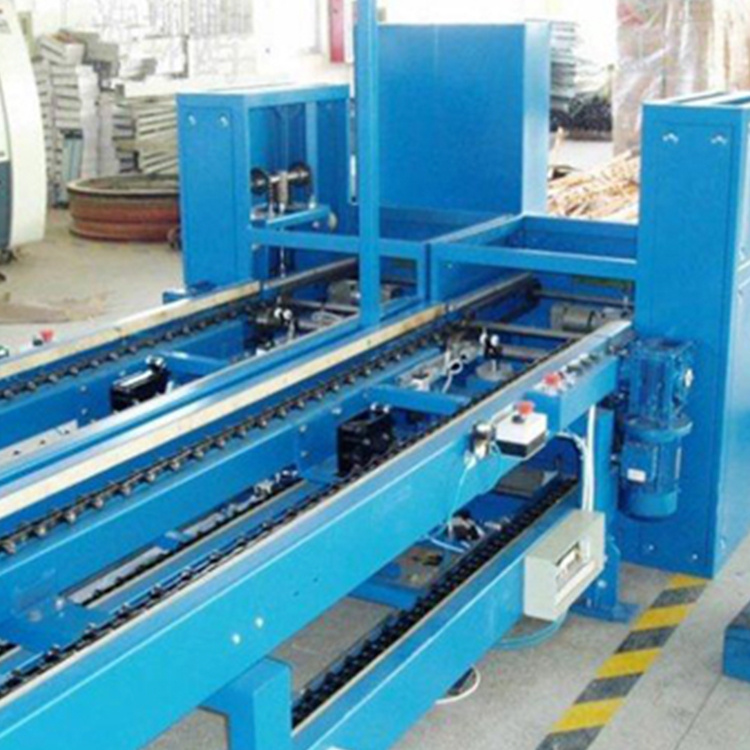
The Belt Conveyer, widely applied in industrial automation production lines, is a critical conveying equipment whose design quality directly impacts production efficiency and operational stability. Below, we systematically analyze its design essentials from four dimensions: core structure, power system, control system, and safety protection.
I. Mechanical Structural Design
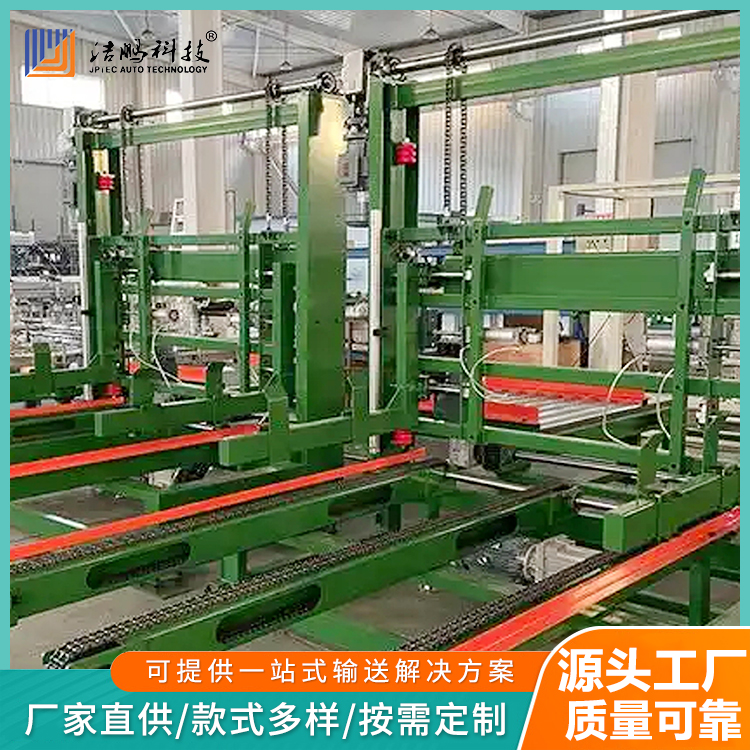
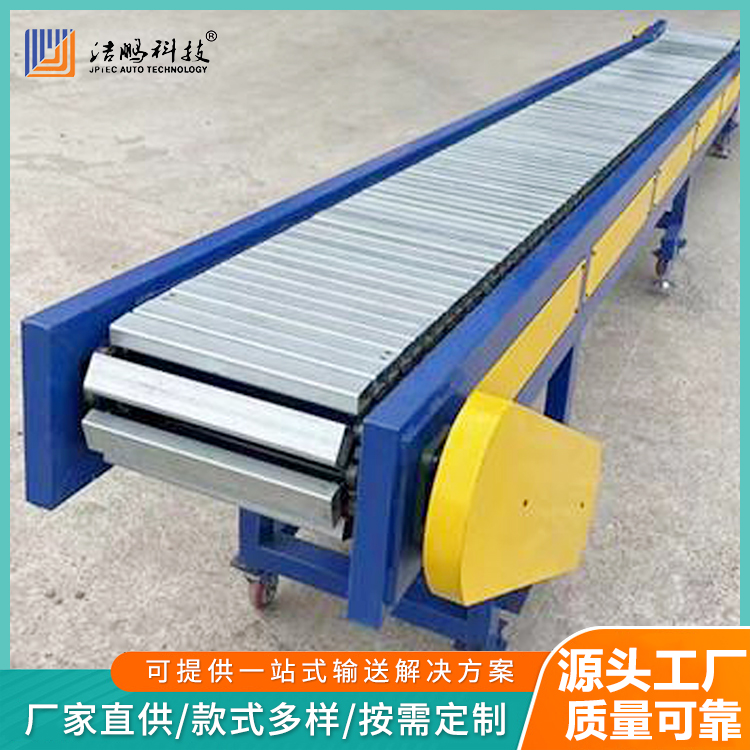
Chain selection and layout
Chain Type Selection: Choose a timing chain with an appropriate pitch based on load characteristics (static load/dynamic load), with a common pitch of 25.4mm or 38.1mm; prioritize precision roller chains with ball bearings to minimize friction loss.
Speed Ratio Design: Achieves a 2.5-3 speed ratio through differential sprocket diameters, requiring the calculation of actual line speed based on conveying rhythm (recommended range: 0.3-1.5m/s).
Chain Tension Control: Utilizing spring or weight-based tensioning devices, ensures chain sag is ≤2% of pitch, preventing chain skipping or jamming.
2. Track System Design
Track Material: Utilizing 45# steel or aluminum alloy profiles, surface hardness HRC40-45
Track Precision: Straightness ≤ 0.5mm/m, Levelness Error ≤ 0.3mm/m
Sleek Design: Small turn radius of ≥3 times the chain pitch, equipped with guide wheel assemblies for smooth transitions.
Section II: Power System Design
Drive Unit Configuration
Motor Selection: Choose variable frequency speed control motors based on total load to calculate driving power (P=μQv/(η*1000)).
Transmission Method: Prioritizing dual sprocket synchronous drive, center distance error controlled within ±0.5mm
Gearbox Matching: Speed ratio range 1:10-1:50, output torque must meet the starting inertia load requirements
Tensioning and Lubrication
Tension Calculation: Initial Tension = (F_max + F_slack) / 2; it is recommended to use a tension sensor for real-time monitoring.
Lubrication System: Equipped with an automatic lubrication unit, oiling is performed once every 500 operating hours using high-temperature chain oil (kinematic viscosity ≥ 46 mm²/s at 100℃).
Control System Design
Speed Control Adjustment
Speed Segments: Set to three modes - Low-speed Start (0.3m/s), Normal Operation (1.0m/s), and High-speed Return (1.5m/s).
Smooth Start and Stop: Utilizing S-shaped acceleration/deceleration curve, acceleration ≤ 0.5 m/s²
2. Status Monitoring
Sensor Configuration:
Photoelectric sensors detect material position
Pressure sensors monitor chain tension
Temperature Sensors Monitor Bearing Temperatures
Fault Warning: Set Overload Protection (Current Threshold 110% of Rated Value), Breakage Alarm (Tension Sudden Change > 20%)
Section 4: Safety Protection Design
Physical Protection
Protective Shield: Utilizes removable sheet metal structure with an opening size ≤12mm
Emergency Stop Device: Red mushroom-shaped emergency stop buttons are set every 5 meters, with response time ≤0.2 seconds.
Electrical Safety
Grounding Protection: System Ground Resistance ≤ 4Ω
Insulation Grade: Motor and control circuit insulation resistance ≥ 10MΩ
Human-Machine Interaction
The operation interface is equipped with a 7-inch color touch screen, displaying real-time speed, load, fault codes, and other information.
Alarm Alert: Sound and Light Alarm Devices Response Time ≤ 1 Second
The design of the speed-change chain conveyor requires a comprehensive consideration of the precision of the mechanical structure, the compatibility of the power system, the intelligence of the control system, and the safety protection. By optimizing key parameters (such as speed-change ratio, track precision) and adopting advanced control technologies (such as variable frequency speed regulation, intelligent monitoring), the conveyance efficiency can be significantly improved (reduction in cycle time by 15-20%) and the operational reliability enhanced (reduction in failure rate by over 30%). Future development trends will extend towards intelligence and modularization, integrating Internet of Things technology to achieve full lifecycle management of the equipment.


b2b.china9.net © Zhongshang 114 Hebei Network Technology Co., Ltd.Address: Room 6009, Oriental New World Center, No.118 East Zhongshan Road, Qiaoxi District, Shijiazhuang City, Hebei ProvincePlatform Service Hotline: 4006299930