


- AllProduct Category
-
Special Equipment
Powder Mixing / Liquid Stirring
Tank Accessories / Powder Conveyance
Eye Wash Station/Breathing Valve
Heat Exchangers/Filter
Blender/Sampler
Emergency Cooling Tower
Lubrication Equipment
Silencer
Water Chopper
Fire Retardant Device
Fiber Demister
Liquified Chlorine Vaporizer
Tornado Separator
Steam Temperature Reducer
Injector
Pipe Reactor
Gas Blender
Tubular Reactor
Blender



Recommended Products

详情描述
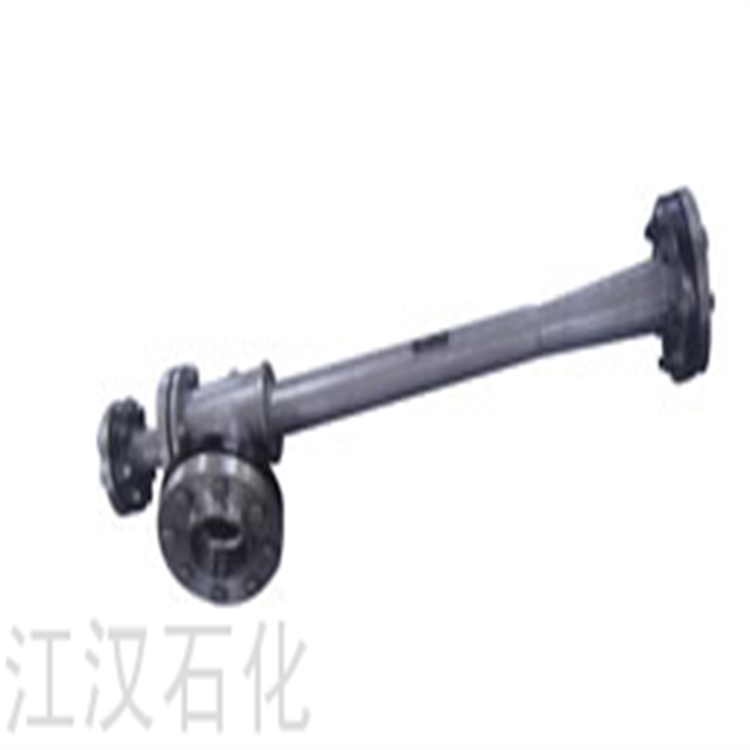
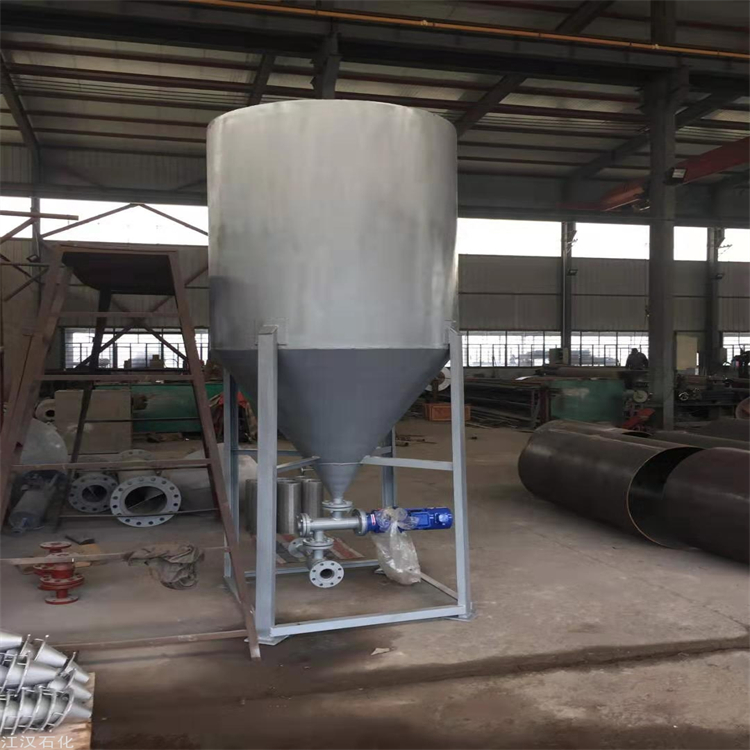
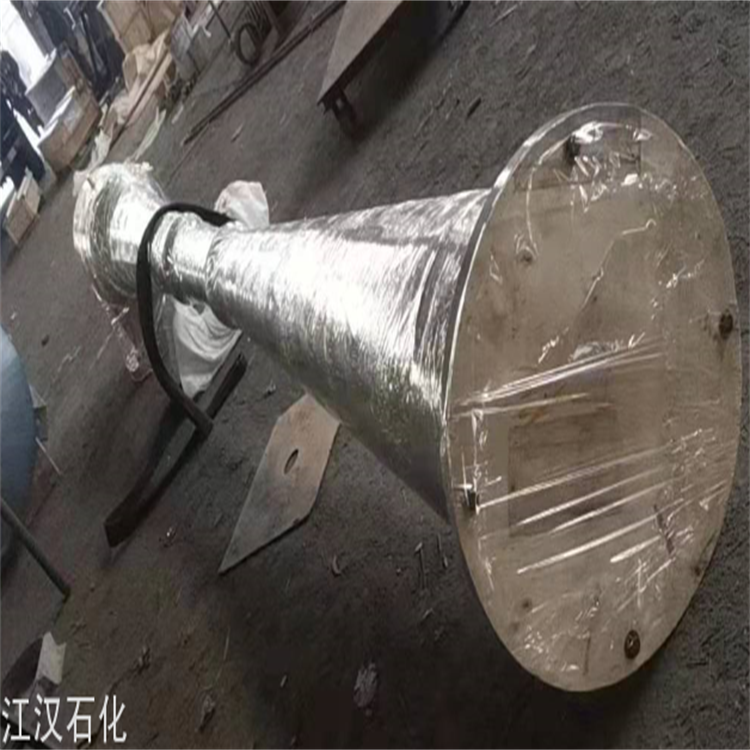
Due to the outstanding performance of the Fenton reactor in wastewater treatment, it has become an important tool in the field of wastewater treatment. The main principle of the Fenton reactor is to utilize the combined action of oxidants and catalysts to convert harmful substances in wastewater into harmless or low-toxic substances, thereby achieving the goal of wastewater treatment. This article will focus on the application of the Fenton reactor in wastewater treatment.
I. Principle of the Fenton Reactor
The Fenton reactor was invented by the American chemist J.H. Fenton in the 19th century. He discovered that exposing wastewater to sunlight could make it clear. Later it was found that this was due to the oxidation of ferrous ions in the water to ferric ions under light conditions, which act as coagulants and can凝聚 suspended and dissolved substances in wastewater into large particles, accelerating their settlement. Therefore, the Fenton reactor is also known as a photochemical reactor or photoelectrochemical reactor.
II. Composition of the Fenton Reactor
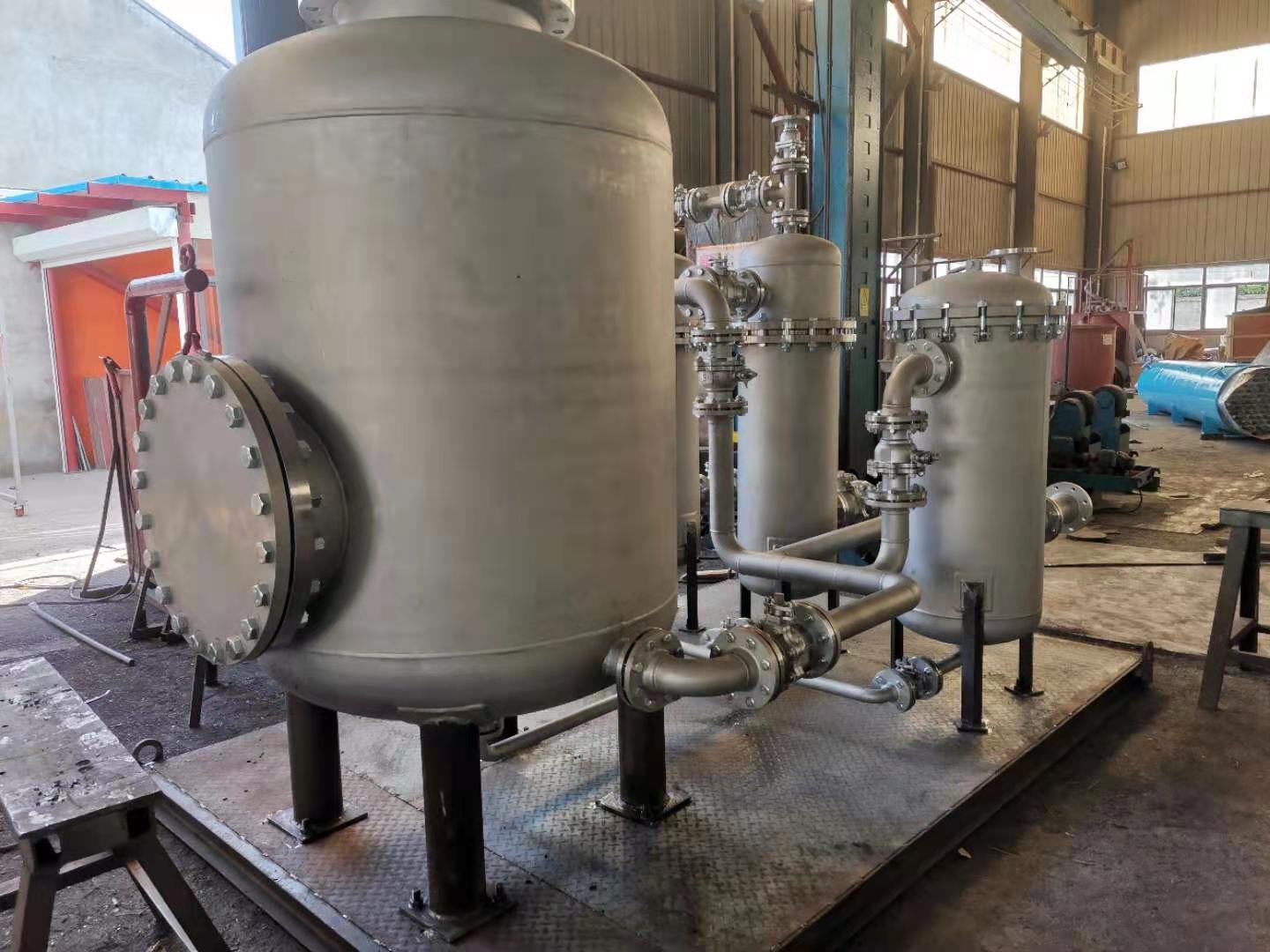
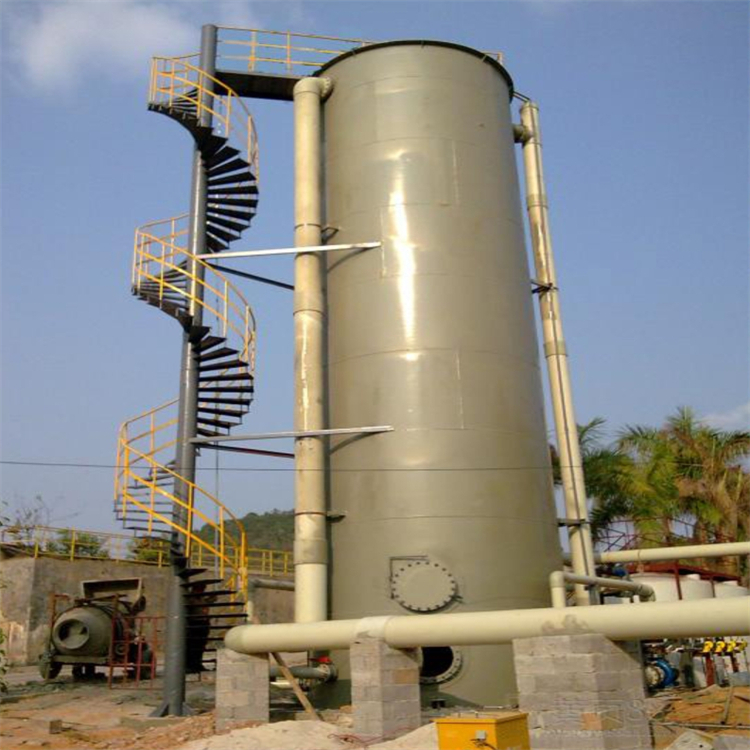
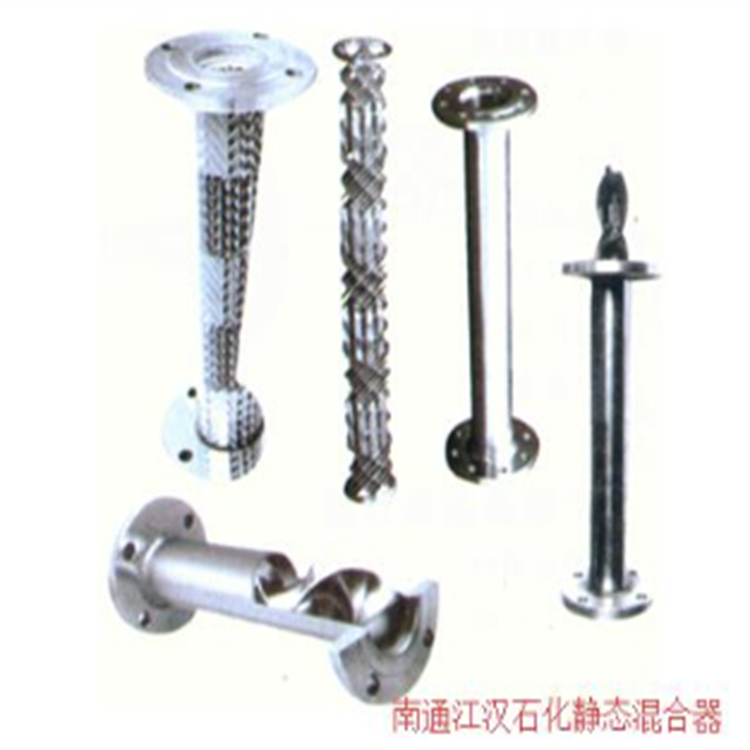
Fenton reactors typically consist of a light source, reactor housing, catalyst, and oxidizing agent. The light source, usually an ultraviolet or visible light lamp, provides energy to initiate the oxidation of ferrous ions in wastewater. The reactor housing is often made of corrosion-resistant materials to ensure the longevity of the equipment. The catalyst's role is to enhance the rate of the oxidation reaction, with titanium dioxide and tungsten trioxide being common examples. The oxidizing agent is a chemical that converts ferrous ions in wastewater into iron ions, with hydrogen peroxide and chlorates being commonly used.
Section 3: Fenton Reactor Applications
The Fenton reactor is widely used in wastewater treatment. For instance, when dealing with dye wastewater, the Fenton reactor can convert the difficult-to-degrade organic matter in the dye wastewater into biodegradable substances, thereby reducing the difficulty of subsequent treatment. Moreover, the Fenton reactor can also be used for treating difficult industrial wastewater such as pharmaceutical wastewater and papermaking wastewater.
In various industrial sectors, Fenton reactors are widely used in the pretreatment and advanced treatment of wastewater. For instance, in the petrochemical industry, Fenton reactors can be employed to remove oil and suspended solids from wastewater; in the power industry, they can be used to eliminate heavy metal ions and organic pollutants from wastewater.
Four: Advantages and Disadvantages of the Fenton Reactor
1. Advantages:
(1) Strong Oxidation Capacity: The Fenton reactor utilizes a combination of strong oxidants and catalysts, which provides robust oxidation power. It can convert organic pollutants in wastewater into harmless substances such as inorganic matter and carbon dioxide.
(2) Versatile: The Fenton reactor is suitable for treating various types of wastewater, capable of handling a range of recalcitrant organic pollutants, enhancing the broad-spectrum efficacy of wastewater treatment.
(3) Simple Operation: The Fenton reactor is easy to operate, control, and maintain, and can be automated.
(4) Small Footprint: The Fenton reactor has a compact structure and a small land area, saving land resources.
2. Drawbacks:
(1) High Energy Consumption: Fenton reactor requires a light source to provide energy, thus necessitating a certain amount of electrical power.
(2) Inconsistent treatment effect for certain specific pollutants: The Fenton reactor may not yield consistent treatment results for certain specific pollutants, and it is recommended to be used in conjunction with other treatment methods.
(3) Higher Equipment Investment: Due to the use of advanced oxidation technology in Fenton reactors, the equipment investment is slightly higher than that of traditional wastewater treatment equipment.
询价单


