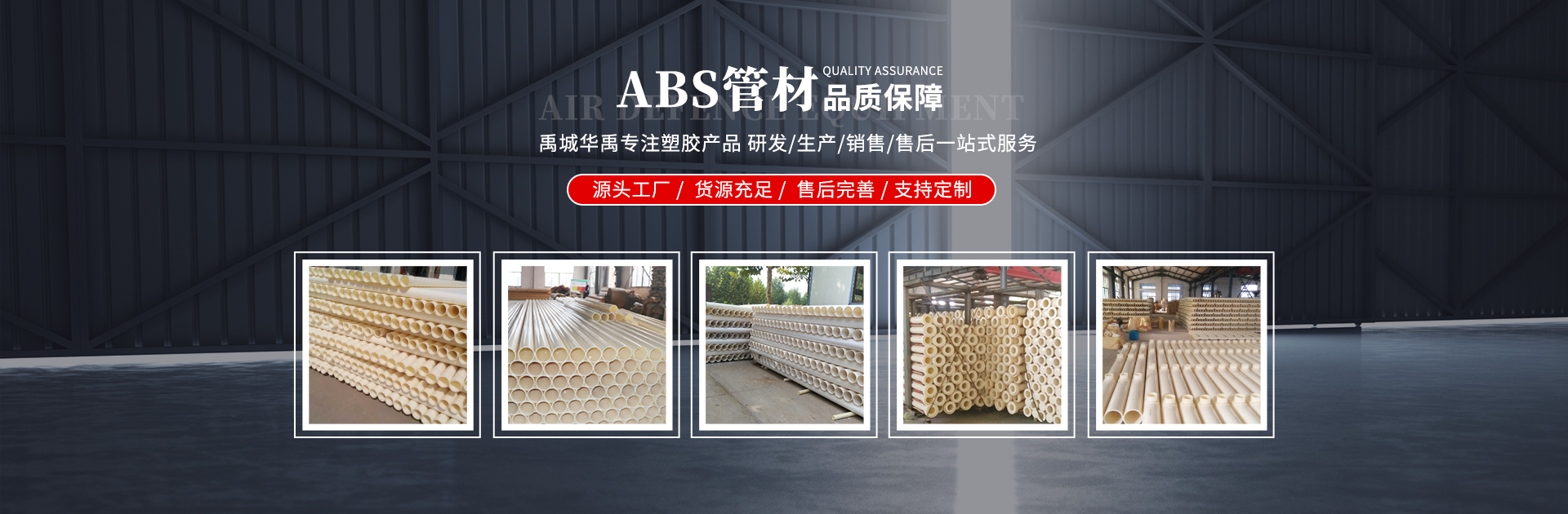
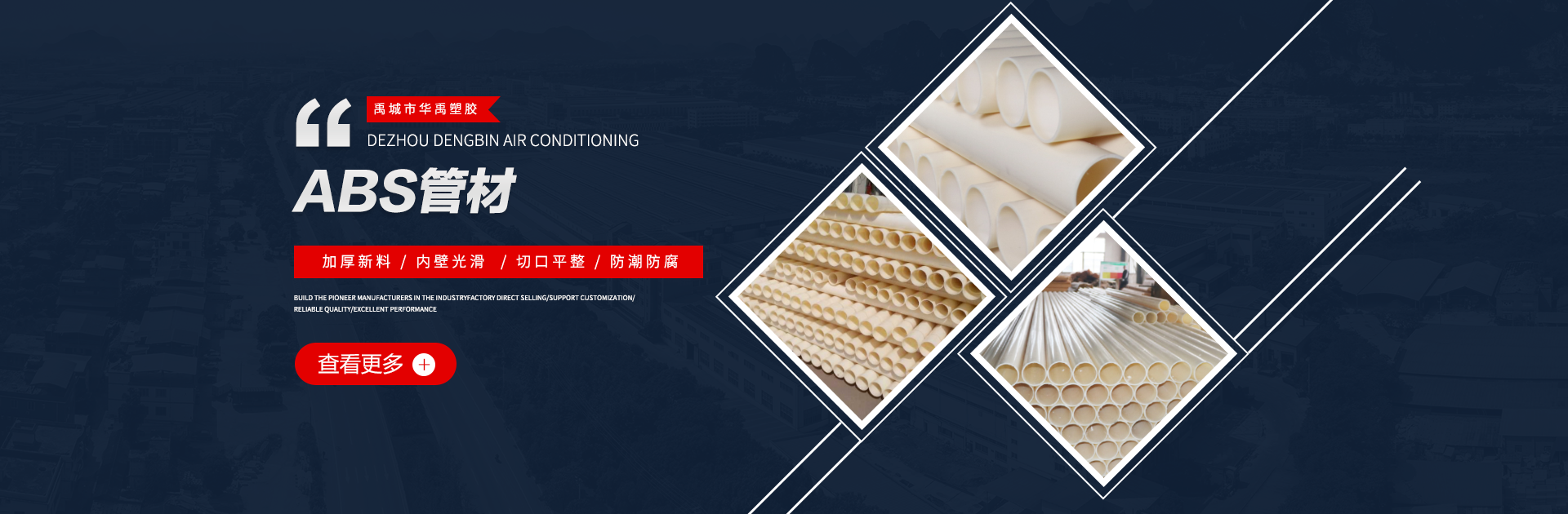
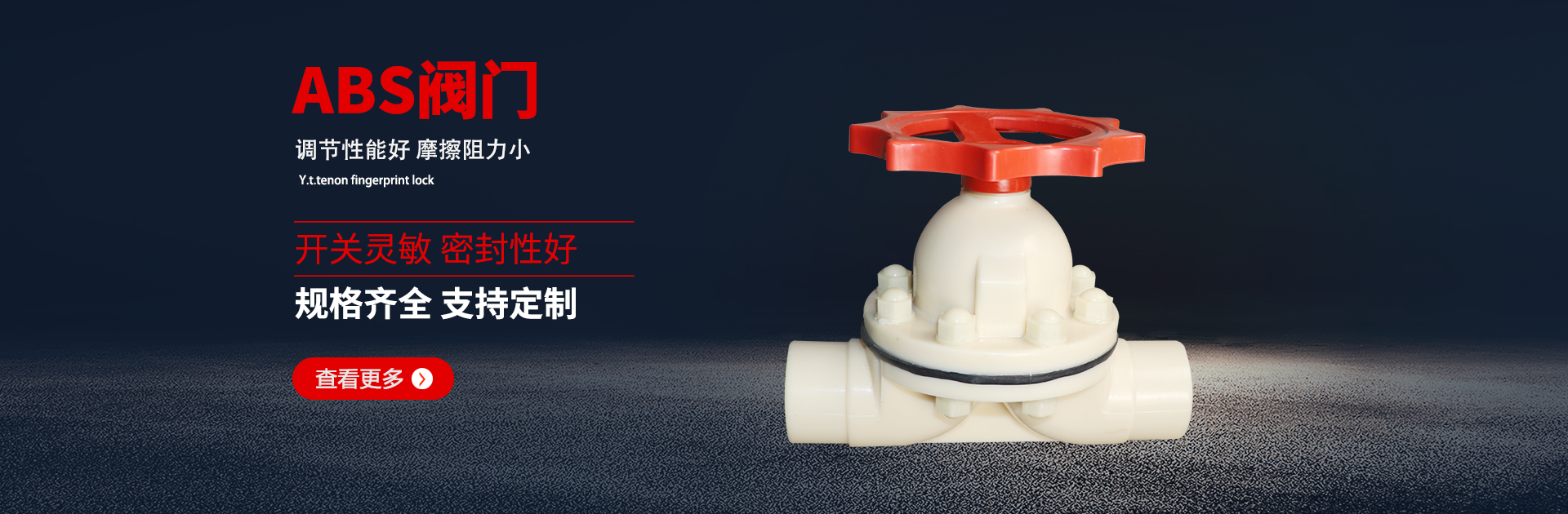
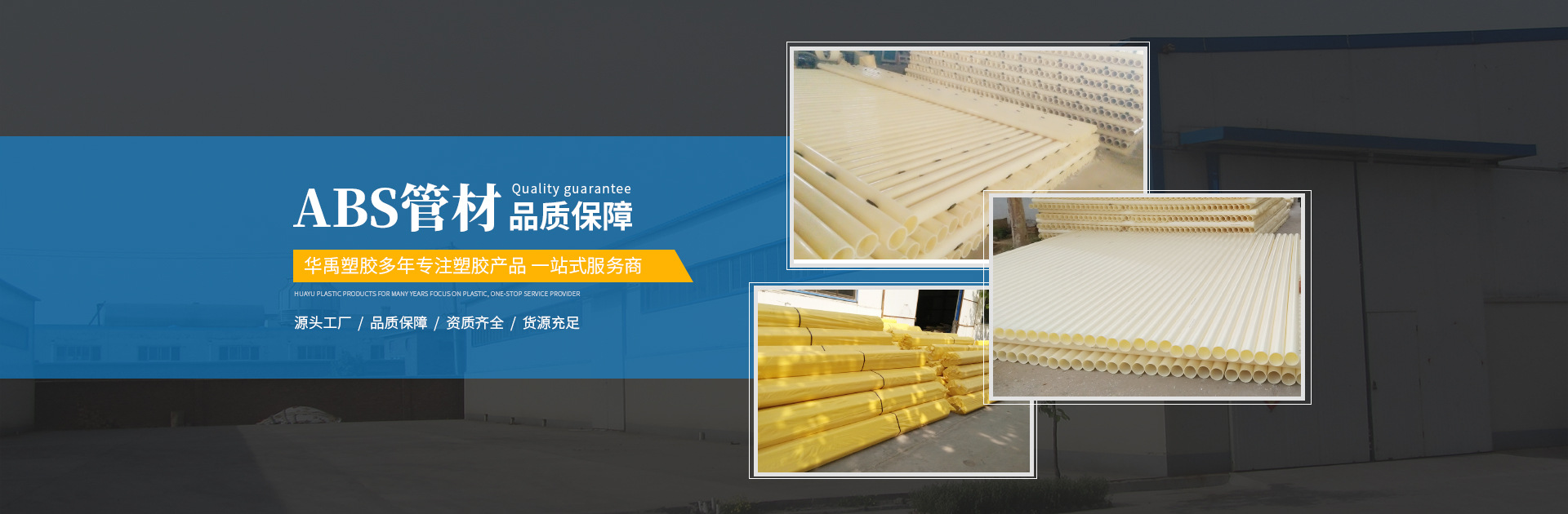
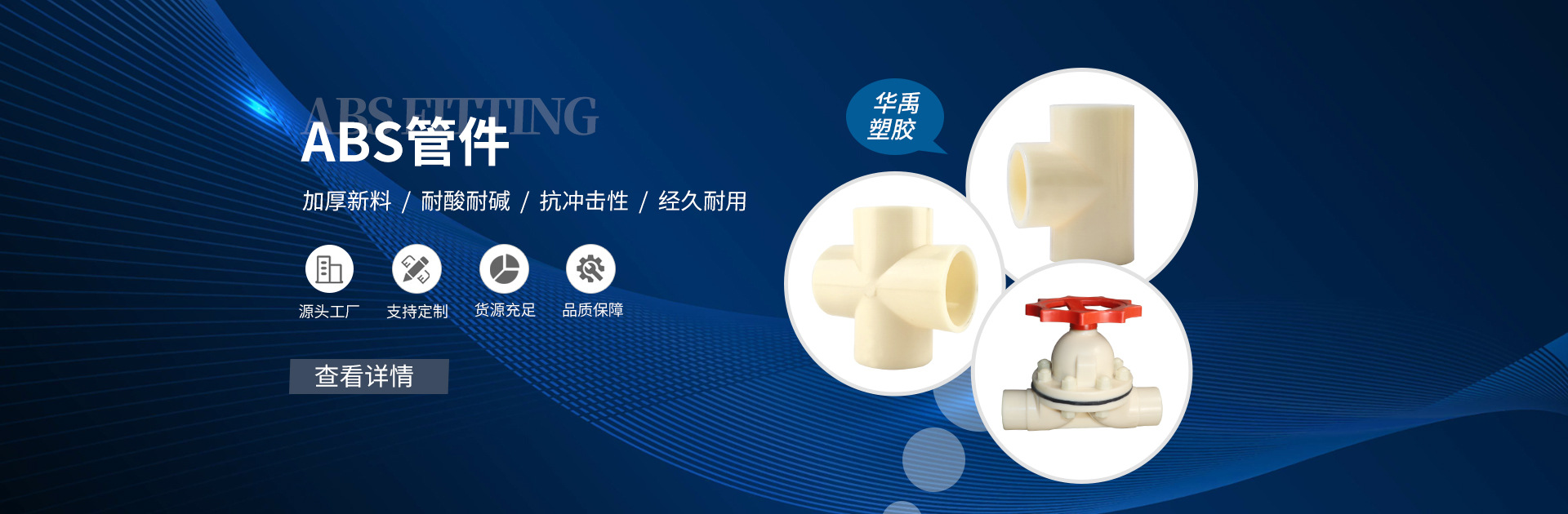
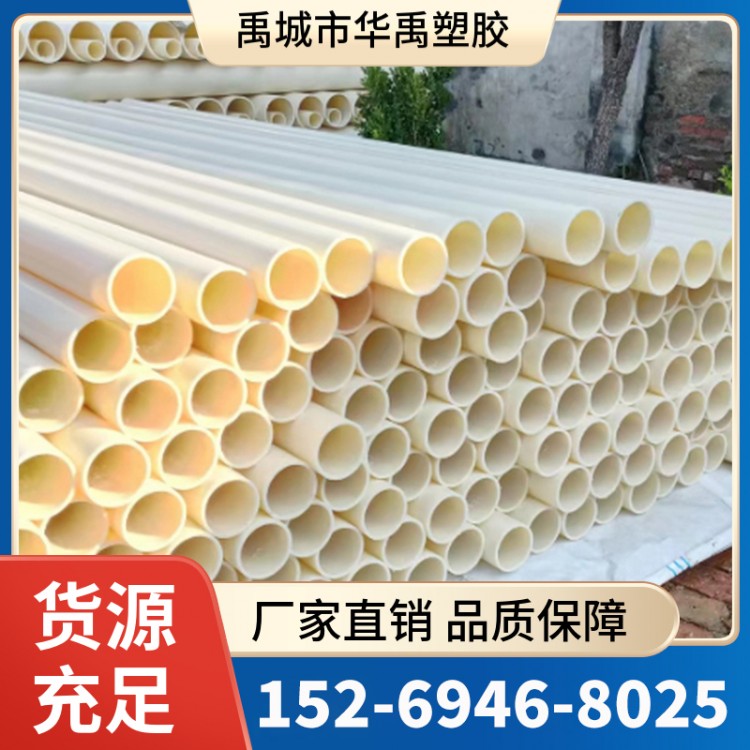
ABS Pipe, ABS Sludge Pipe, ABS Air Sampling Tube, ABS Fla...

Air sampling tubes, in simple terms, are long, slender tubes used for collecting air samples. They operate on a principle similar to a straw, drawing air into the tube with a suction device, where particles or gaseous substances in the air are captured by absorbent material inside. These samples are then sent to a laboratory for analysis, helping us understand the composition of the air, such as dust and volatile organic compounds. Such monitoring is common in factory emissions inspections, indoor environmental assessments, or scientific experiments, with the aim of obtaining objective data rather than being used directly for medical or cosmetic purposes. In regions like Gansu, where industrial development and natural conditions are diverse, the use of air sampling tubes aids in tracking environmental changes and ensuring that the air quality in living and working environments meets basic standards.
ABS material is a commonly used type in air sampling tubes. ABS stands for Acrylonitrile-Butadiene-Styrene copolymer, an engineering plastic. The choice of ABS is due to its balanced properties: it is relatively strong, not prone to breakage, and can withstand certain pressure and temperature changes, while being relatively cost-effective. The price of a standard ABS sampling tube can range from a few to several dozen RMB, depending on the specifications. In Gansu, with its dry climate and large temperature differences, the durability of ABS material is particularly practical. For instance, during outdoor sampling, it can withstand daily wind and sun exposure without aging easily. In contrast, other materials like glass sampling tubes are more fragile, suitable for laboratory precise operations but poor in portability; while metal materials may be more durable, they are heavier and more expensive. Therefore, ABS has become a compromise choice, balancing practicality and economy.
Next, let's delve into the structure and types of ABS air sampling tubes. Generally, these tubes consist of several parts: the tube itself is hollow, with an internal adsorption layer, such as activated carbon or silica gel, to capture specific pollutants; both ends typically have fittings for connecting to a pump or a sealing cap. In Gansu, there are two common types: passive and active. Passive sampling tubes rely on natural air diffusion and are suitable for long-term monitoring, like placing them in a corner of a room for several weeks; active ones require an external pump to actively draw air, allowing for faster sampling and are often used for short-term, fixed-point detection, such as around factories. Depending on the monitoring objectives, ABS tubes can be further categorized into particulate matter sampling tubes and gas sampling tubes, the former for solid particles like dust, and the latter for gaseous substances like formaldehyde. In Gansu, due to potential mining or agricultural activities in the region, the design of the sampling tubes considers local characteristics, such as enhanced dust-proof performance. The process of use is straightforward: first, check the integrity of the tube, then install it onto the sampler, set the time, start the process, and seal it for testing after sampling is complete. The entire process emphasizes accuracy and avoids contamination, such as cleaning hands before sampling to ensure a stable environment.
b2b.china9.net © Zhongshang 114 Hebei Network Technology Co., Ltd.Address: Room 6009, Oriental New World Center, No.118 East Zhongshan Road, Qiaoxi District, Shijiazhuang City, Hebei ProvincePlatform Service Hotline: 4006299930