



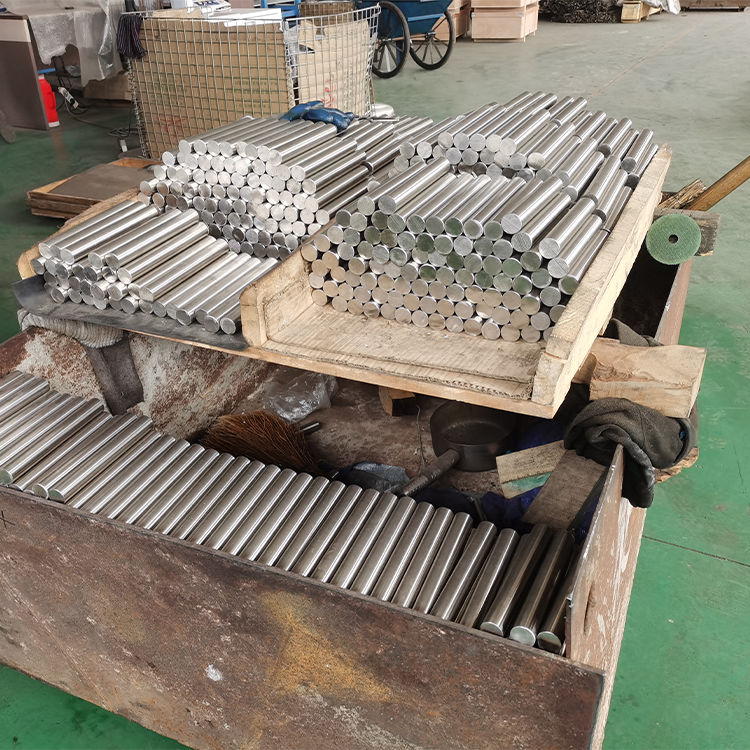
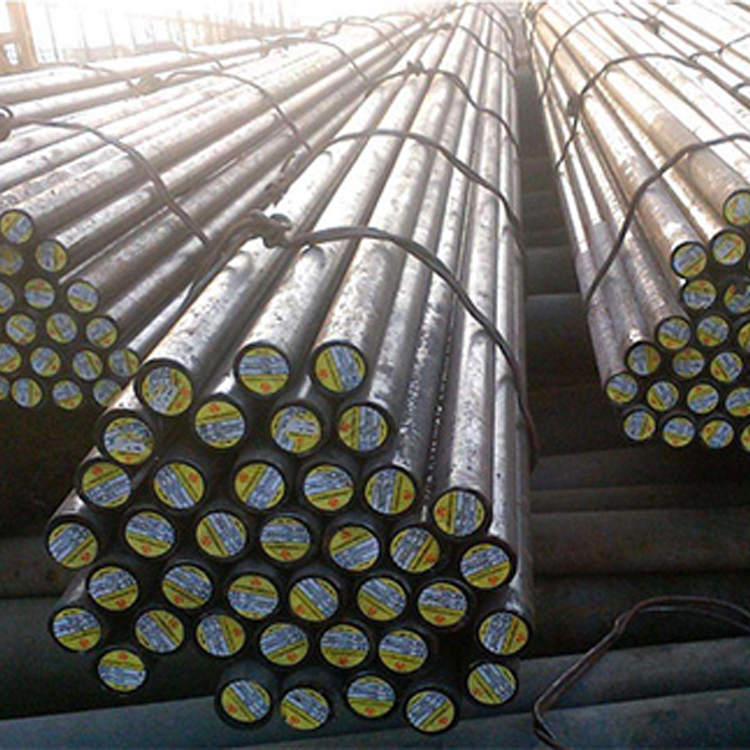

 16CrNi4
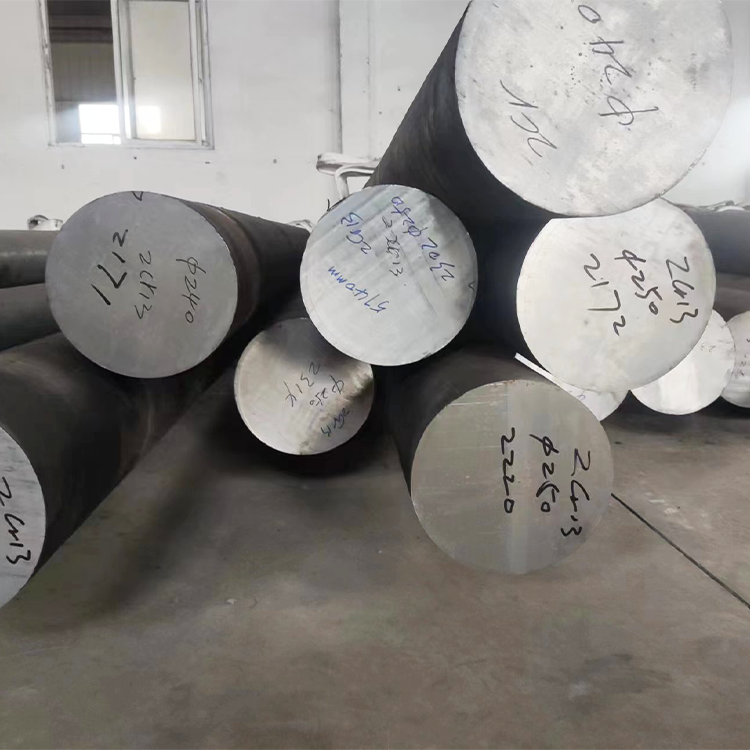 2Cr13
2Cr13
 20CrNi2Mo
 40CrNi2Si2MoVA
 3Cr13
3Cr13
 31CrMoV9
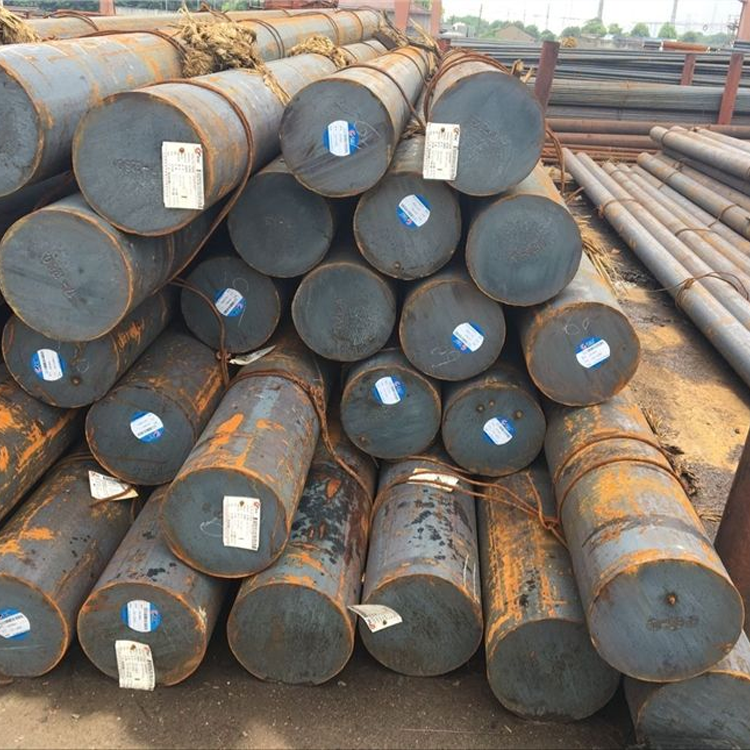 1Cr13
1Cr13
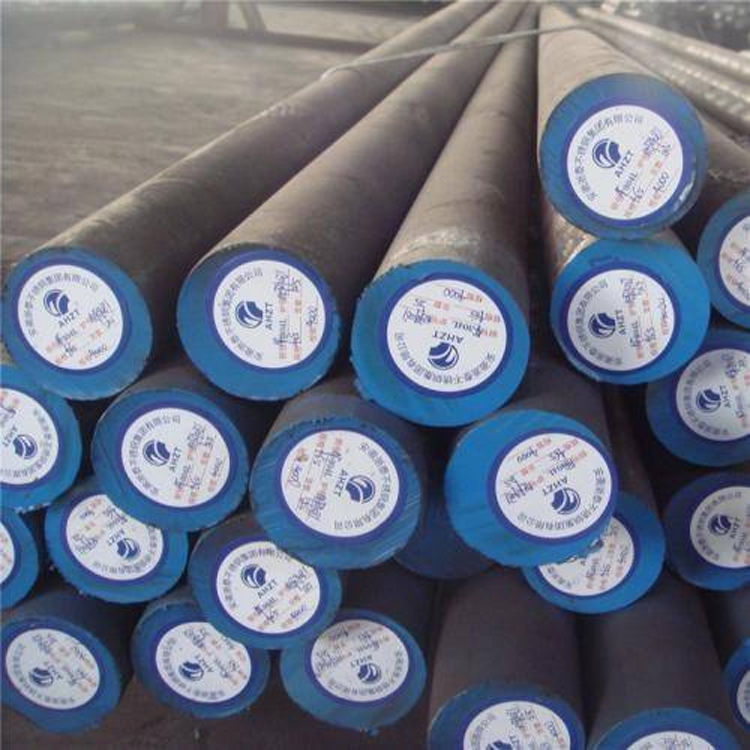 17Cr2Ni2Mo
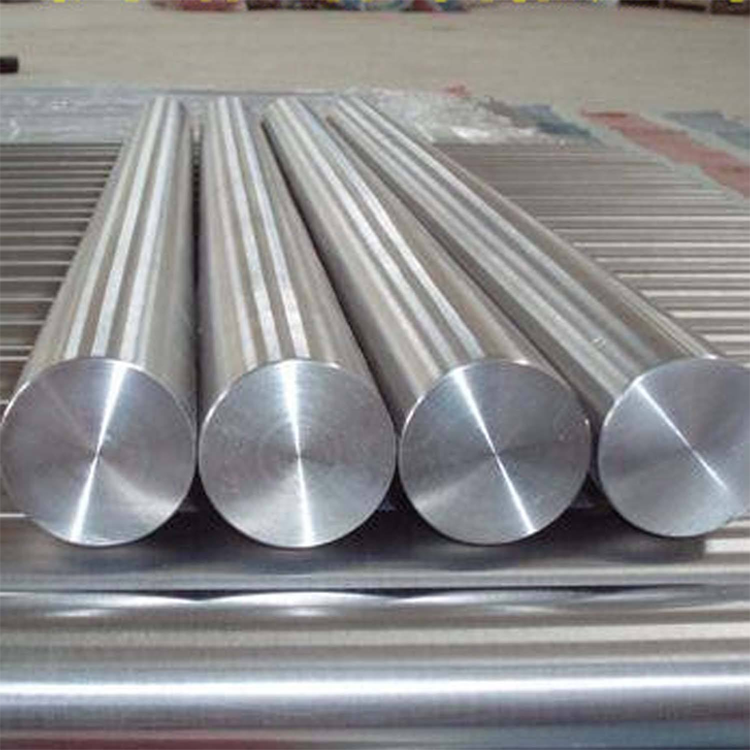 316Ti
316Ti

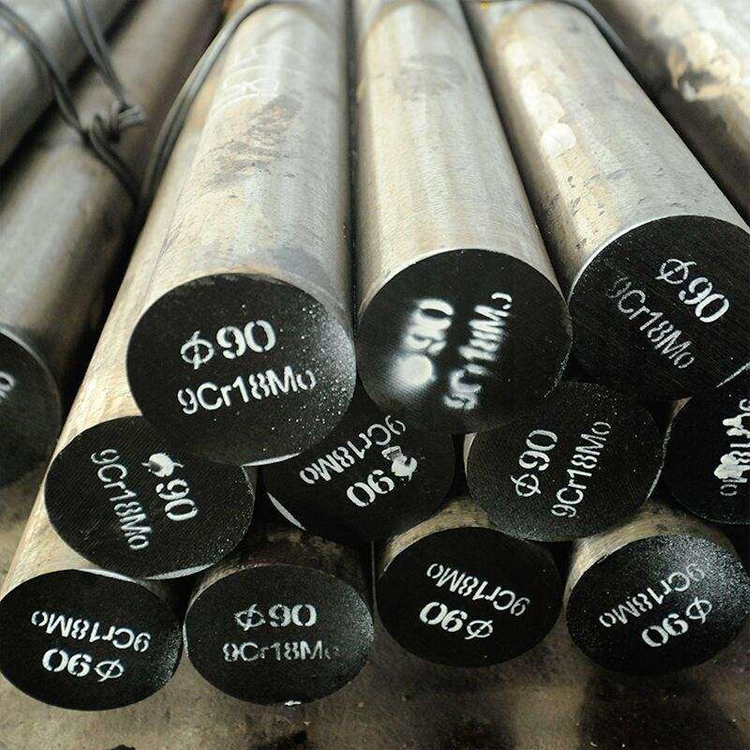
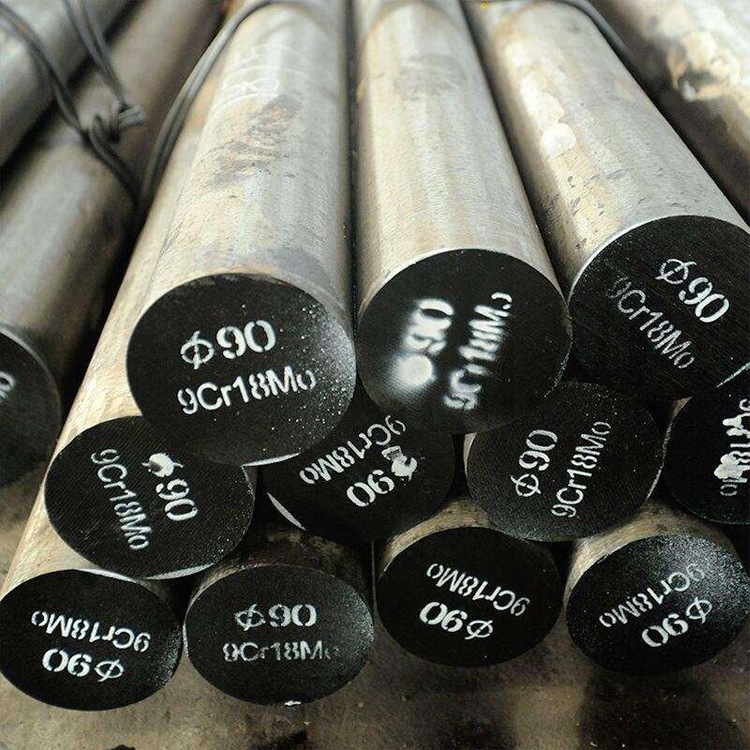
9Cr18Mo stainless steel is a high-carbon, chromium stainless steel used for manufacturing bearing rings and rolling elements. It is also employed in the production of stainless steel cutting tools for slicing machinery, shearing knives, and highly wear-resistant equipment components. In the standard GB/T1220-2007, the grade 9Cr18Mo has been changed to 102Cr17Mo. Therefore, when encountering the grade 102Cr17Mo, it should be recognized as the previous 9Cr18Mo.
Chinese Name: 9Cr18Mo English Name: 440C
Standard: GB/T 1220-1992
Carbon C: 0.90~1.00
Manganese (Mn): ≤0.80
Chromium (Cr): 16.00~18.00
Introduction
JIS G4311:1991, ASTM A959 2004, EN10088-1, ISO 4955:2005(E) Characteristics and Application Range: 9Cr18Mo [1] Stainless Steel - 9Cr18Mo is a high-carbon chromium stainless steel used for manufacturing bearing bushes and rolling elements. It is employed in stainless steel cutting tools, shearing blades, high-wear equipment components, and more. 9Cr18 is a high-carbon chromium martensitic stainless steel for bearings. After quenching, it boasts high hardness and wear resistance, as well as good high and low-temperature dimensional stability. The characteristics and applications of 9Cr18Mo are essentially the same as those of 9Cr18 steel, but it offers higher hardness and temper resistance after quenching. Molybdenum enhances the passivation effect of stainless steel. High-carbon chromium stainless steel balls, such as 9Cr18 and 9Cr18Mo, are used for: Suitable for manufacturing bearings in corrosive media like seawater, river water, nitric acid, steam, and marine environments. This includes bearings in ship components, submersible pump parts, petroleum and chemical machinery, and marine instrument bearings.
Chemical Composition
Chemical Composition: Carbon C: 0.9-1.0, Silicon Si: ≤0.80, Sulfur S: ≤0.030, Chromium Cr: 16.00-18.00, Phosphorus P: ≤0.035, Nickel Ni: Allowable content ≤0.60, Molybdenum Mo: May add ≤0.75
Mechanical properties
Mechanical Properties: Hardness: Annealed, ≤255HB; Quenched and tempered, ≥55HRC
Heat Treatment
Heat Treatment Specifications and Microstructure: - Heat Treatment Specifications: 1) Annealing, slow cooling at 800~920℃; 2) Quenching, oil cooling at 1000~1050℃; 3) Tempering, oil or air cooling at 200~300℃. - Microstructure: Characterized by martensitic structure. - Delivery Condition: Generally delivered in the heat treated state, with the type of heat treatment specified in the contract; if not specified, delivered in the non-heat treated state.
Features
Higher hardness and moderate wear resistance; however, it has a strong adhesive quality and heats up quickly during polishing.
Usage
Suited for utensils (knives) and turbine blades with excellent corrosion resistance (magnetic) after quenching, hardness is increased compared to 440A steel (magnetic), including blade edges, pipe nozzles, valves, rulers, and cutlery (scissors).
