



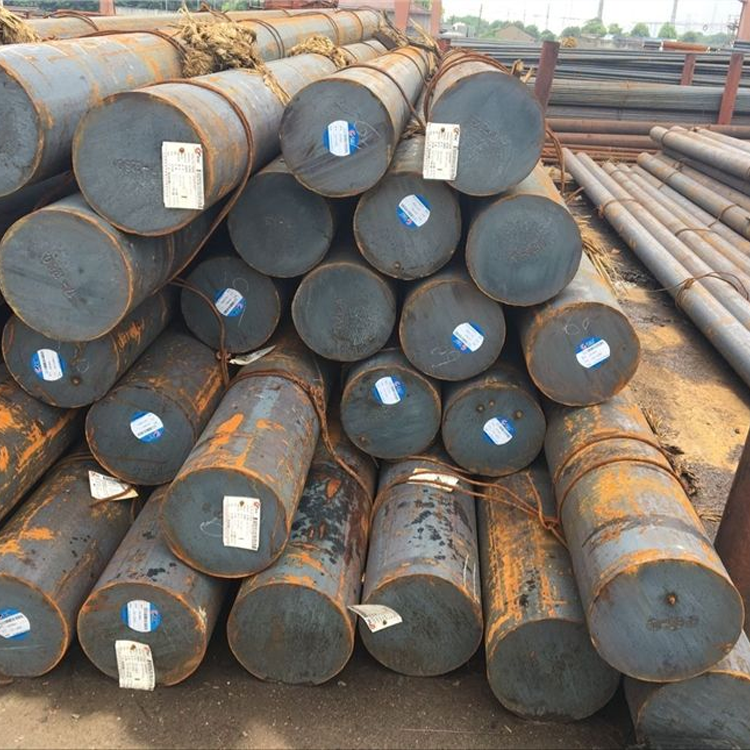
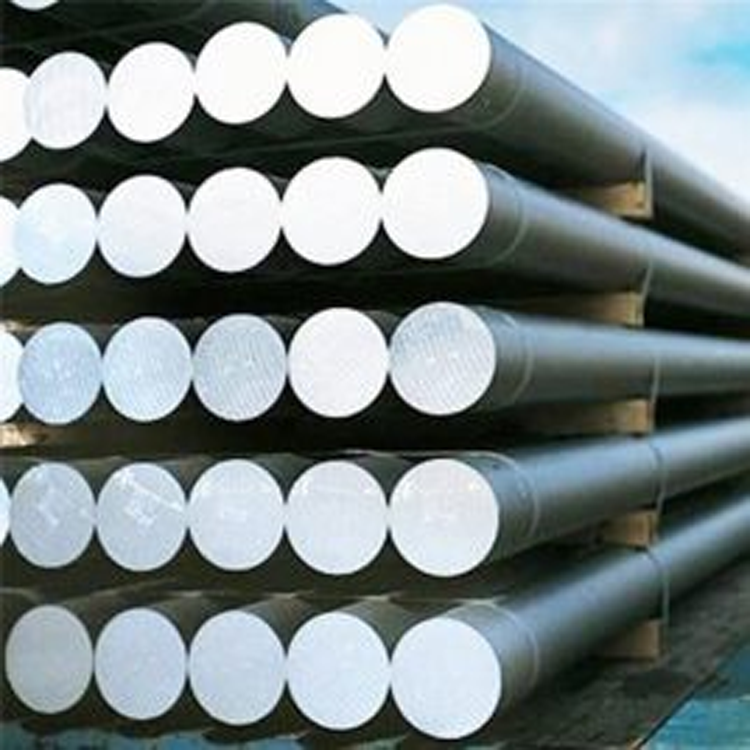
 30CrMnSiA
 6CrW2Si
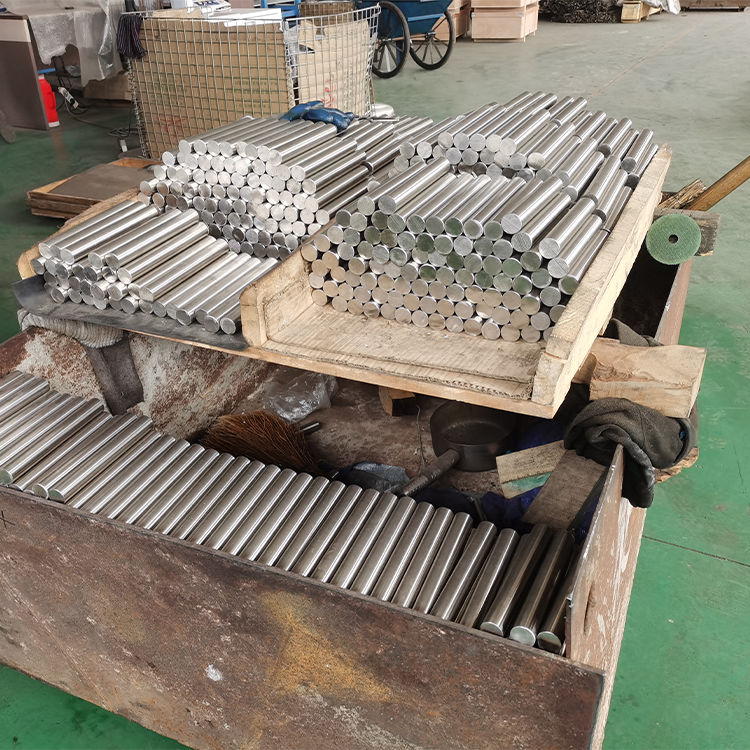 21CrMoV5-7
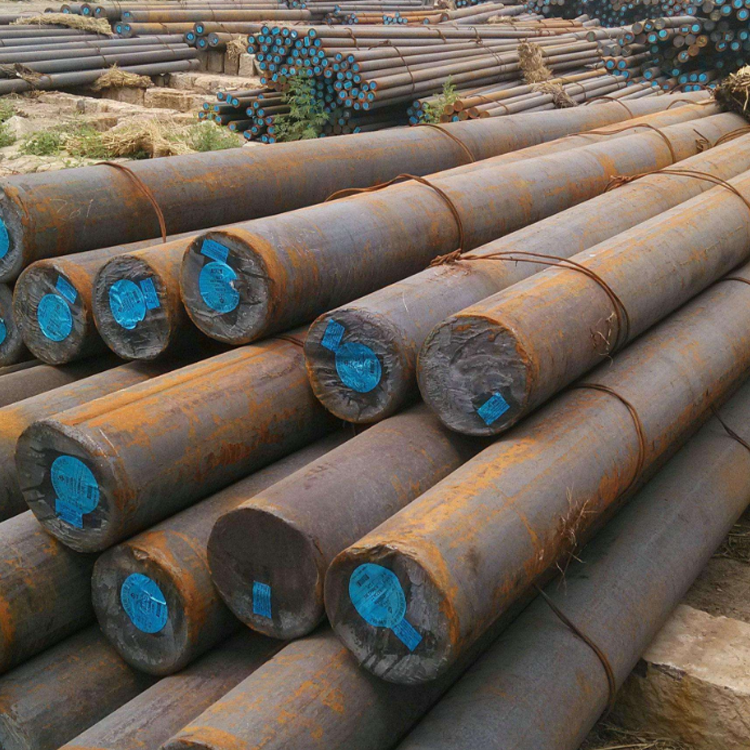 5CrW2Si
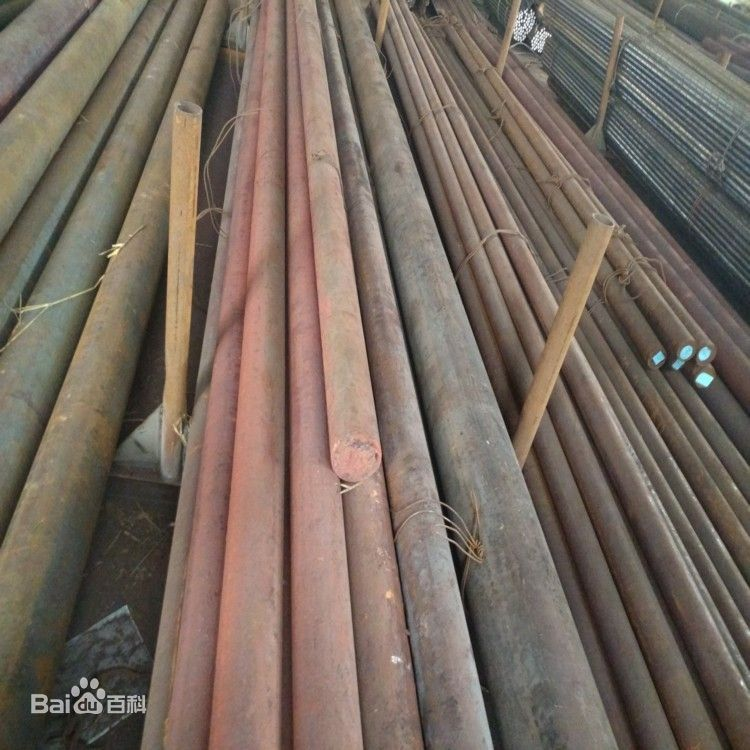 304 stainless steel
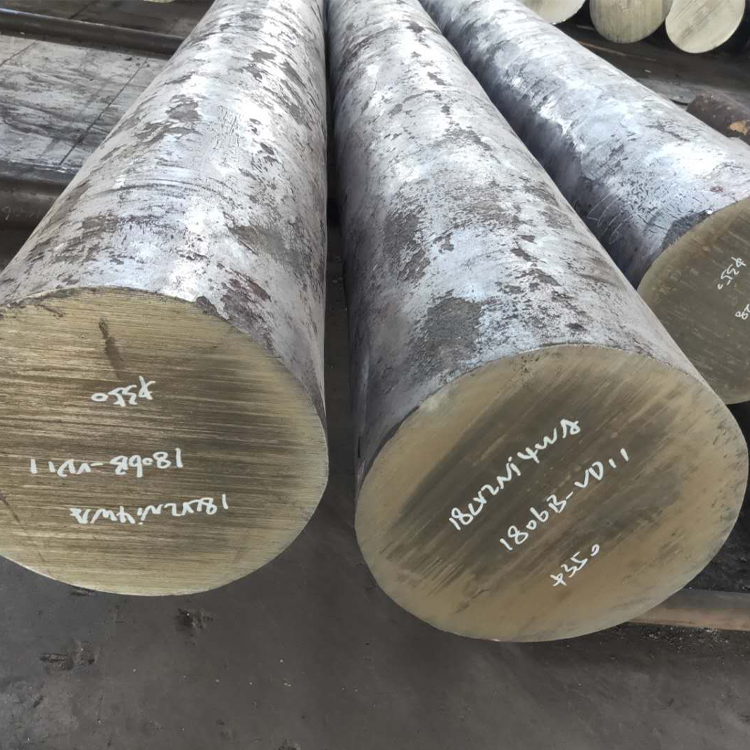 18Cr2Ni4WA
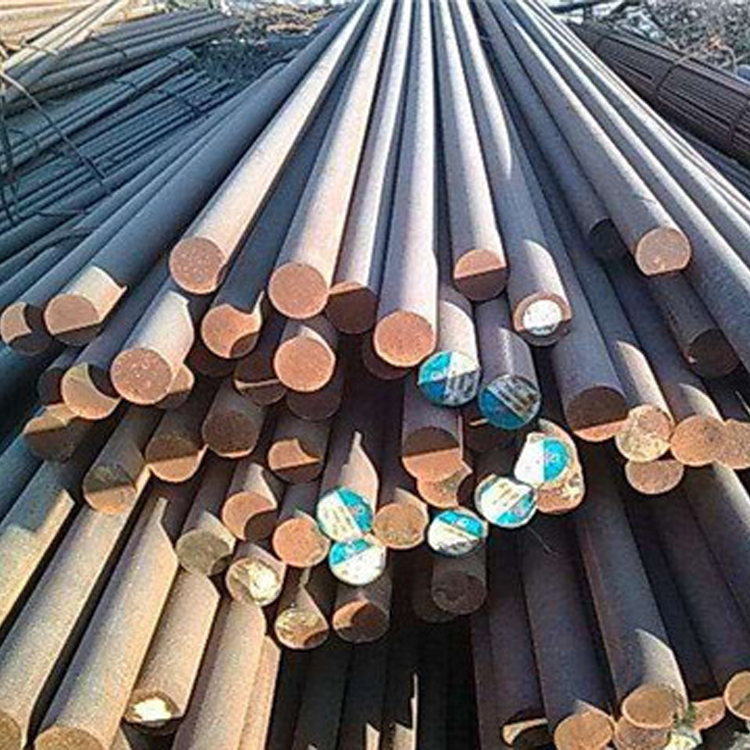 17CrNiMo6
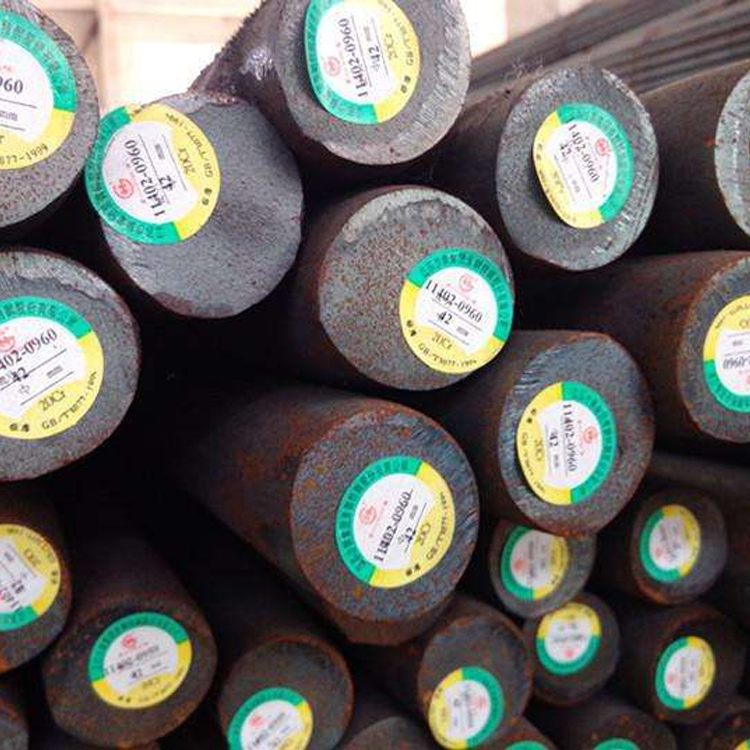 20Cr
20Cr
 20CrMnTi
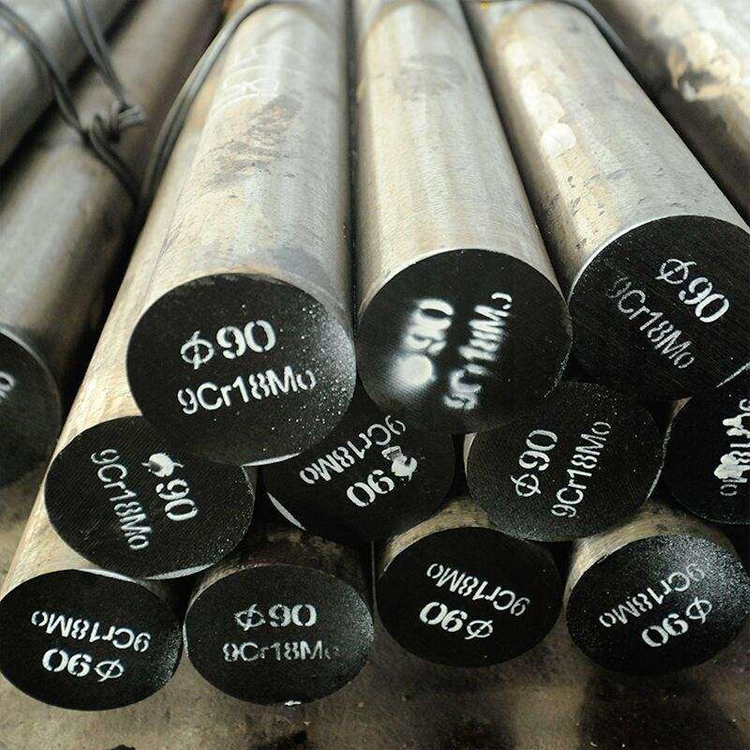 9Cr18Mo
4Cr13

4Cr13 is a stainless steel material known for its high hardness and excellent wear resistance.
40Cr13 (old: 4Cr13)
Standard: GB/T 1220-1992
Digit Code: 1.4031
Corresponding German Brand: X39Cr13
German Brand Equivalent: X39Cr13
Features
4Cr13 characteristics: After quenching, it has slightly higher hardness than 3Cr13 and good corrosion resistance. The quenching hardness is generally above HRC48.
Usage
Industrial Applications: Suitable for discharge and grinding processes, ideal for high mirror finish and high precision injection mold cores and cavities. After heat treatment, they offer high hardness and toughness, and can also be used for stamping mold accessories and templates. They are required for fixtures and molds that come into contact with product surfaces. Applicable in general scenarios requiring high-temperature corrosion and rust prevention.
Civilian applications: Can produce dining cutlery and outdoor knives.
Corresponding German Brand: X39Cr13
Features
4Cr13 characteristics: After quenching, it has slightly higher hardness than 3Cr13 and good corrosion resistance. The quenching hardness is generally above HRC48.
Usage
Industrial Applications: Suitable for discharge, grinding processing, ideal for high mirror finish and high precision injection mold cores and cavities. After heat treatment, it offers high hardness and toughness. Also usable for stamping mold accessories, templates, etc., where there are requirements for fixtures and molds that come into contact with product surfaces. Applicable to general scenarios requiring high-temperature corrosion and rust prevention.
Civilian Use: Can produce dining knives and outdoor knives.
Chemical Composition
Carbon C Silicon Si Manganese Mn Sulfur S Phosphorus P Chromium Cr Nickel Ni
0.36 to 0.45 ≤ 0.60 ≤ 0.80 ≤ 0.030 ≤ 0.035, 12.00 to 14.00, allows up to ≤ 0.60.
Mechanical Properties
Hardness: Annealed, ≤201HB, indentation diameter 3.9~4.3mm; Quenched, ≥50HRC
● Heat Treatment Specifications and Metallographic Structure:
Heat Treatment Specifications: 1) Annealing, cooled slowly at 800~900℃ or rapidly at about 750℃; 2) Quenching, oil-cooled at 1050~1100℃.
3) Annealing, followed by quenching at 200-300°C.
Metallographic Structure: Characterized by Martensitic morphology.
