


- AllProduct Category
-
Standard Regulations
Corporate Qualifications
Service Case Studies
Technical Proficiency
Geosynthetic Material Performance Testing
Soil Pollution Survey and Assessment
Landfill Environmental Safety Assessment
Long-Term Online Leak Monitoring System
Landfill Liner Integrity Testing
Geotextile Membrane Leak and Damage Detection




详情描述

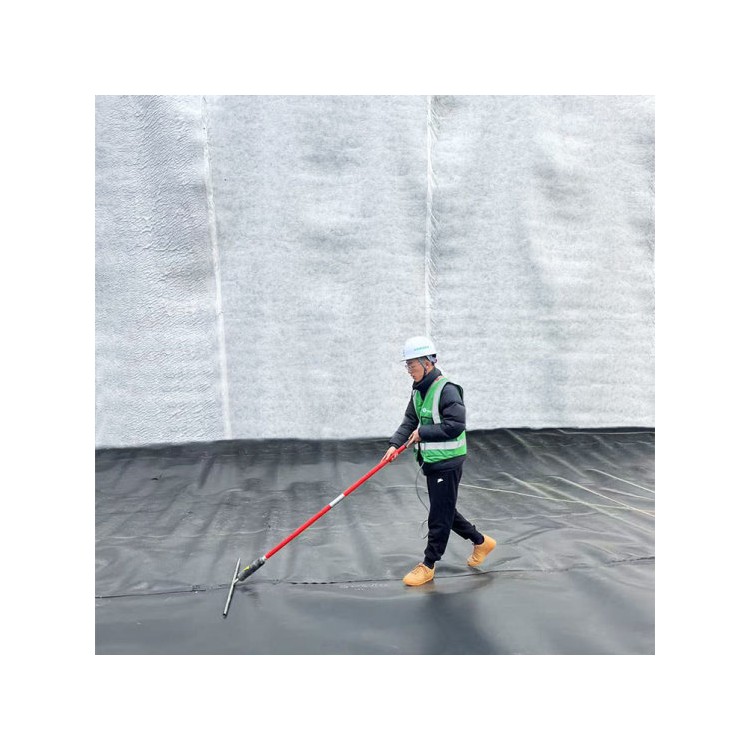
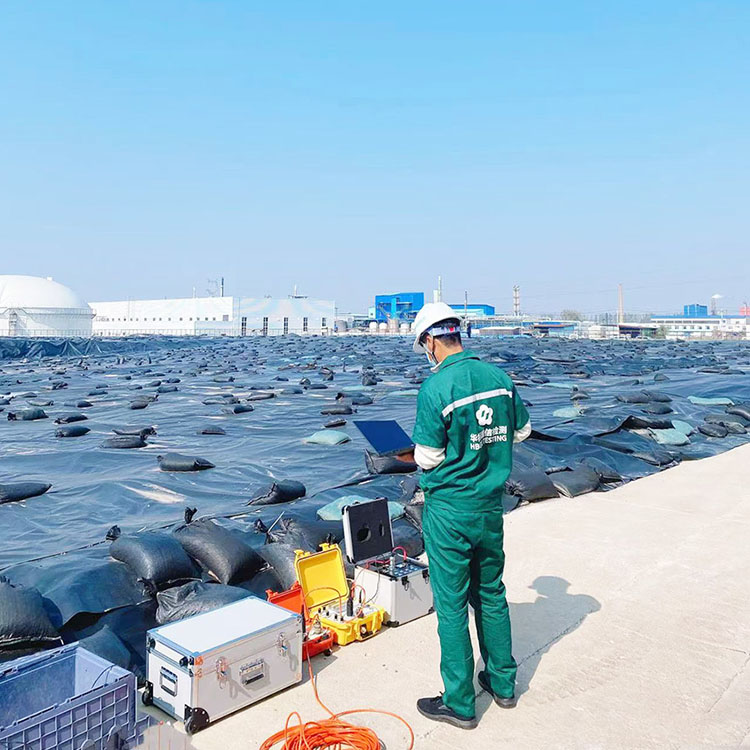
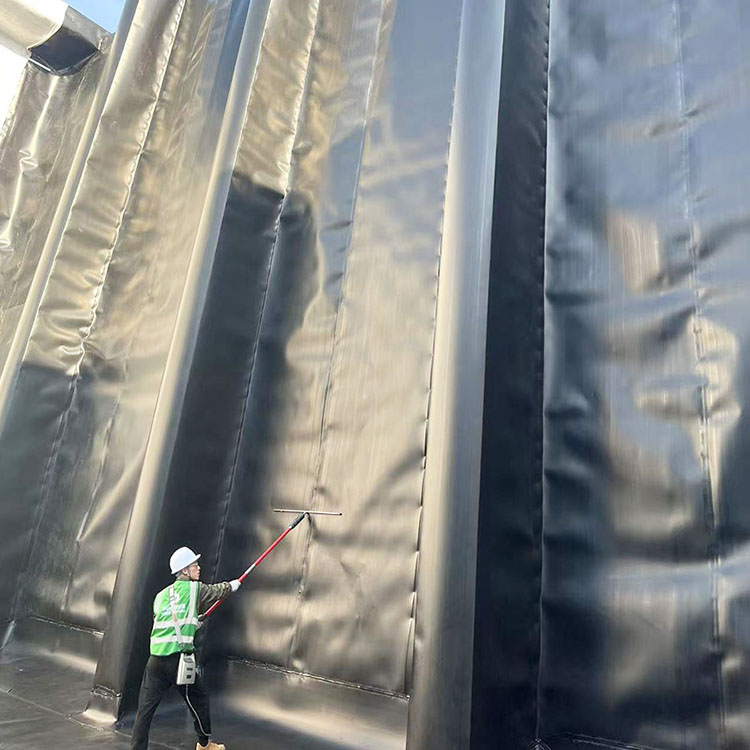
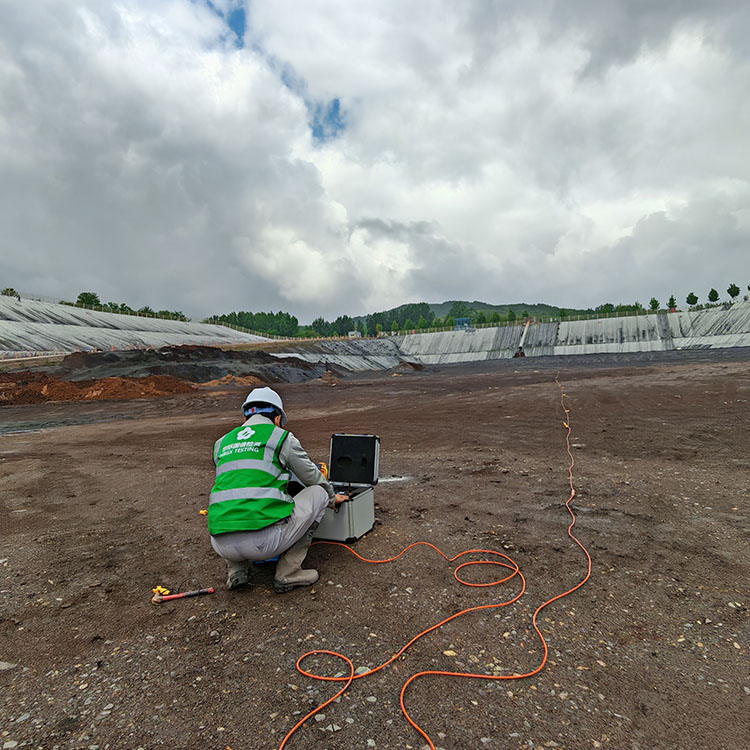
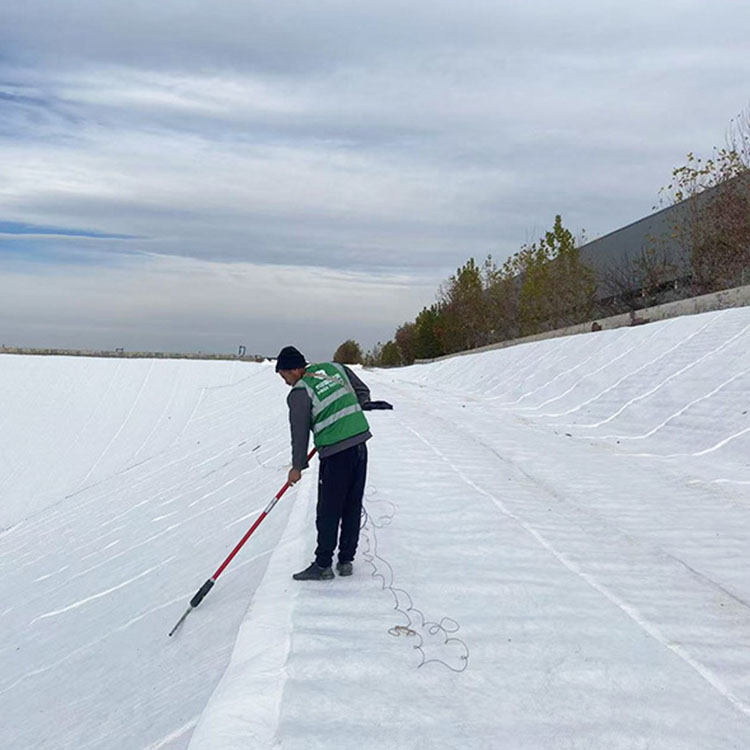
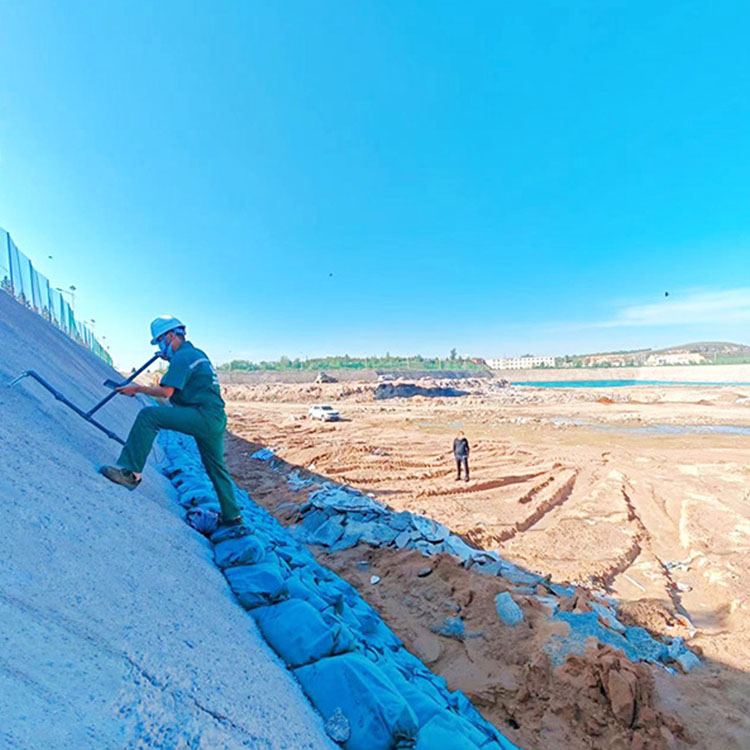
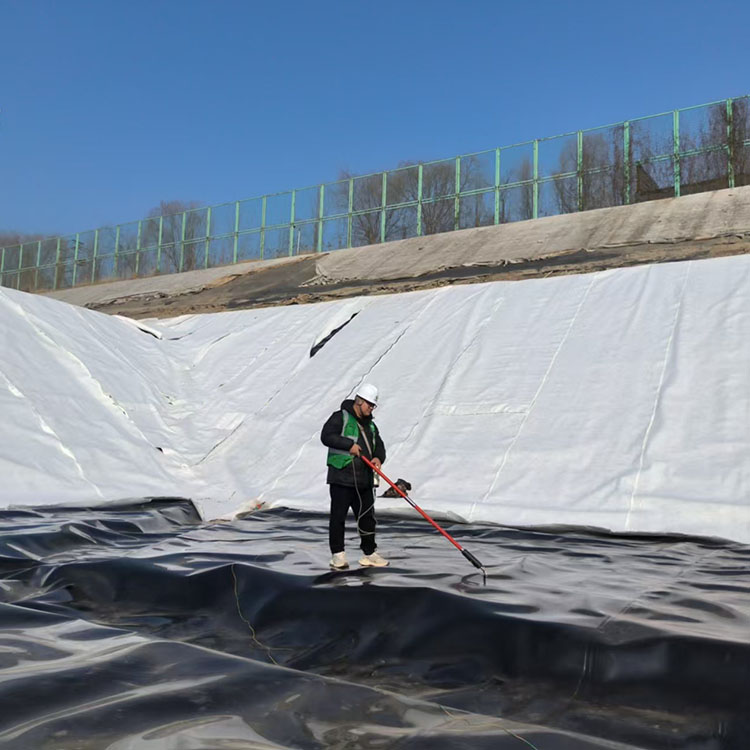
Geosynthetic material performance testing involves laboratory and on-site testing methods to systematically evaluate the critical properties of geosynthetic materials (such as geotextiles, geomembranes, waterproof blankets, drainage grids, geogrids, geonets, drainage boards, waterproof panels, geocells, flexible permeable pipes, plastic blind drains, waterstops, PE pipes, corrugated pipes, and waterproof membranes) in specific engineering applications, including physical, mechanical, hydraulic, and durability aspects. The purpose is to ensure the materials meet design requirements and engineering specifications, ensuring the safety and long-term stability of the project.
I. Inspection Objects and Classification
Geosynthetic materials are primarily categorized into the following major types, with testing to be conducted based on their functional characteristics:
Permeable materials:Geotextiles (non-woven, woven), drainage mesh, geotextile filters, etc., require testing for filtration and water conveyance properties.
Waterproof material:Geotextiles (HDPE, LDPE), composite geomembranes, waterproof blankets, waterproof boards, etc., require testing for permeability and puncture resistance.
Reinforced material:Geotextile grids, geocells, etc., require testing for tensile strength and interface friction characteristics.
Protective materials:Geotextile bags, geotube bags, etc., require testing for erosion resistance and aging resistance.
II. Core Performance Indicators and Testing Methods
Physical Performance Specifications
Unit Area Weight (g/m²)Measure standard size sample weight to reflect material uniformity (e.g., geotextiles).
Thickness (mm)Measure material thickness under specific pressure, affecting permeability or impermeability.
Aperture (O₉₀/O₉₅)The filtration performance of geotextiles is determined through dry sieving or wet sieving methods.
2. Mechanical Performance Specifications
Tensile Strength and ElongationTest the material's tensile strength (kN/m) and elongation (%) under uniaxial stretching.
Tear Strength (Trapezoidal or Tongue Method)Resistance to partial tearing of simulated materials.
Tensile Burst Strength (CBR Burst Test)Evaluate the material's resistance to localized concentrated loads (e.g., geotextile's resistance to penetration under碎石).
Interface friction coefficientDirect shear test determines the friction characteristics between the material and soil (a key parameter for reinforced engineering).
3. Hydrological Performance Indices
Pervious Coefficient (Vertical Permeability)Measure the permeability of geotextiles or composite materials (e.g., constant head method).
Flow Rate (Plane Permeability)Evaluate the horizontal water conductivity of drainage materials (e.g., geotextile drainage mesh).
Permeance resistance (geotextile)Pressure testing or electrical testing to detect leakage points and static water pressure resistance of the waterproof membrane.
4. Durability Performance Indicators
Ultraviolet (UV) Aging ResistanceUV lamp accelerated aging test, measuring the material's strength retention after exposure.
Antioxidation and Chemical CorrosionSoaked in acidic, alkaline, or saline solutions to test performance changes (such as landfill leachate environment).
Creeper characteristicsMaterial deformation stability under long-term load (a key factor for long-term safety of reinforced structures).
Section 3: Inspection Standards and Regulations
China Standard:Geosynthetic Materials - Staple Spunbond Needle-punched Nonwoven Geotextile (GB/T 17639), Geosynthetic Materials - Polyethylene Geomembrane (GB/T 17643), Geosynthetic Materials - Plastic Geogrid (GB/T 17689), Geosynthetic Materials - Nonwoven Geomembrane Composite (GB/T 17642), High-Density Polyethylene Geomembrane for Landfill (CJ/T 234), Sodium Bentonite Waterproof Mat (JG/T 193)
International Standards:ASTM D4632 (Geotextile Tensile Strength Test), ISO 12958 (Geotextile Permeability Test), GRI GM13 (HDPE Geomembrane Impermeability Test)
IV. Inspection Process
Sampling and Pre-treatmentStandard cut samples, balanced in a controlled temperature and humidity environment for 24 hours.
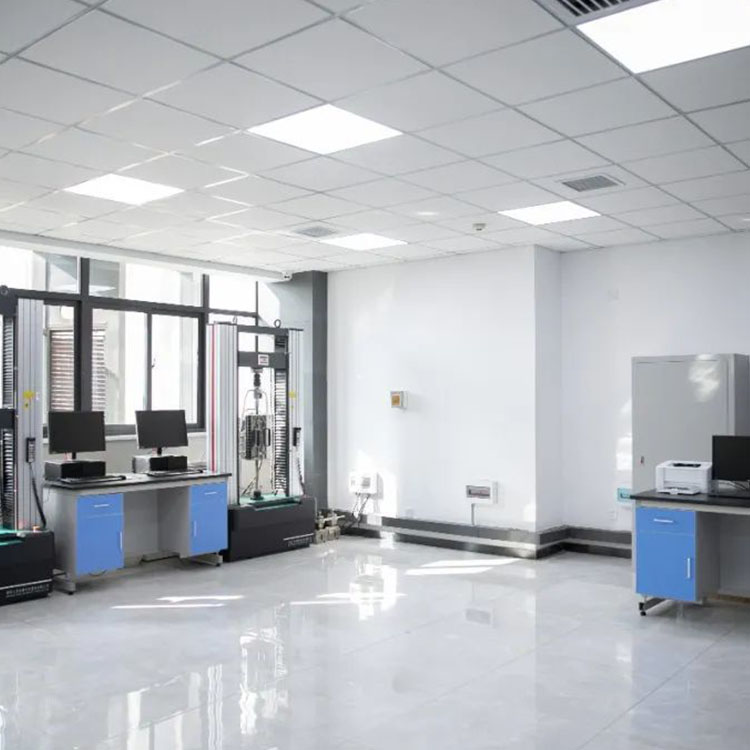
Lab TestingSelect the corresponding equipment (such as universal testing machine, penetrator, aging chamber) based on the indicators.
Data AnalysisCompare the material to the design value or standard limit to determine its qualification.
Report CompilationRecord original data, testing methods, and conclusions, along with certification information from the testing institution.
V. The Importance of Inspection
Engineering SafetyAvoid failure of reinforced structures or rupture of the waterproofing layer due to insufficient material strength.
Quality ControlScreen out defective products to ensure batch consistency of materials (e.g., thickness deviation ≤ 5%).
Design OptimizationBy adjusting theoretical models with actual measured parameters, enhance engineering economic efficiency.
Compliance RequirementsMeets the acceptance standards of environmental protection, water conservancy, transportation, and other departments.
Summary
Geosynthetic material performance testing is a core aspect of engineering materials science, ensuring materials are "used correctly and effectively" through quantified data. From the lab to the construction site, precise testing technology provides reliable protection for infrastructure development and reduces lifecycle risks.
询价单


