


- AllProduct Category
-
Standard Regulations
Corporate Qualifications
Service Case Studies
Technical Proficiency
Geosynthetic Material Performance Testing
Soil Pollution Survey and Assessment
Landfill Environmental Safety Assessment
Long-Term Online Leak Monitoring System
Landfill Liner Integrity Testing
Geotextile Membrane Leak and Damage Detection




详情描述

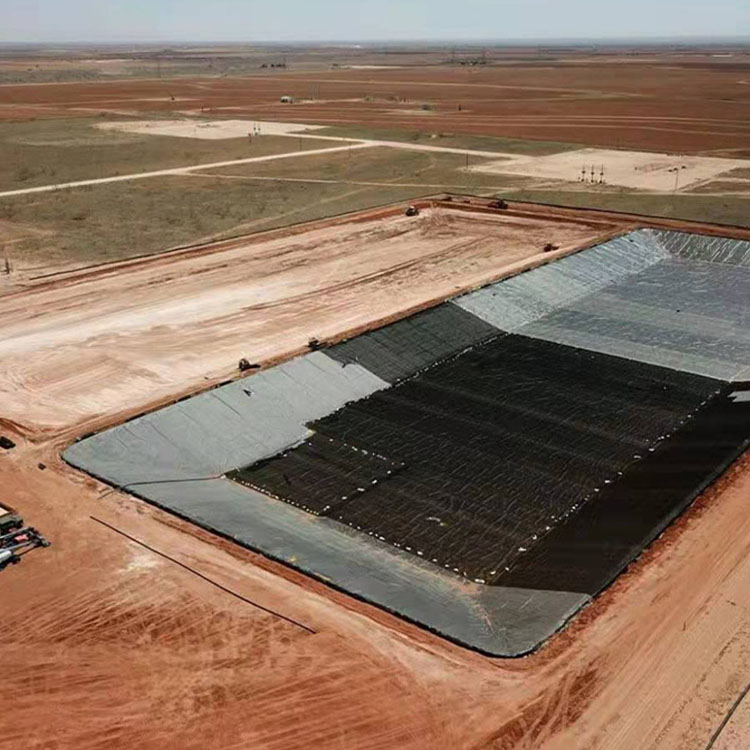
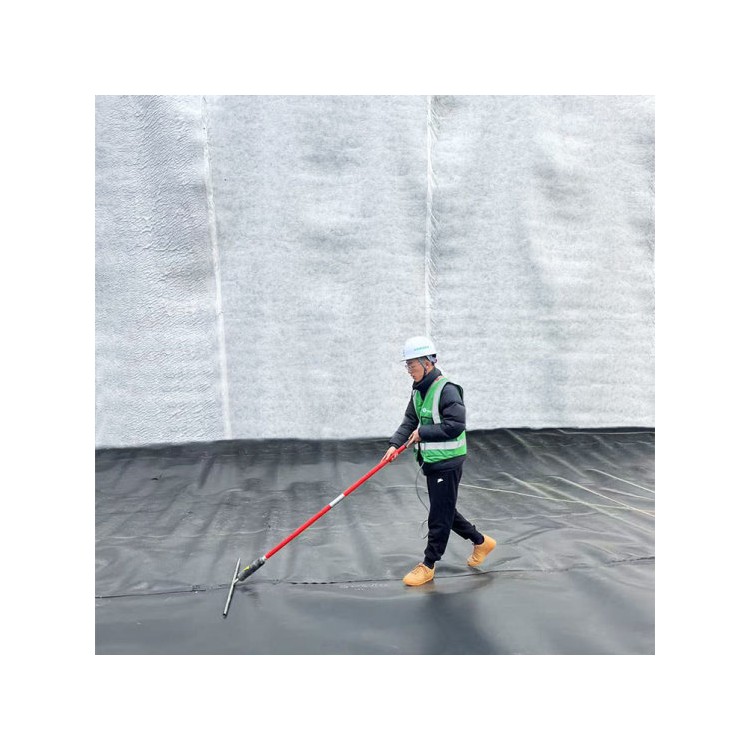
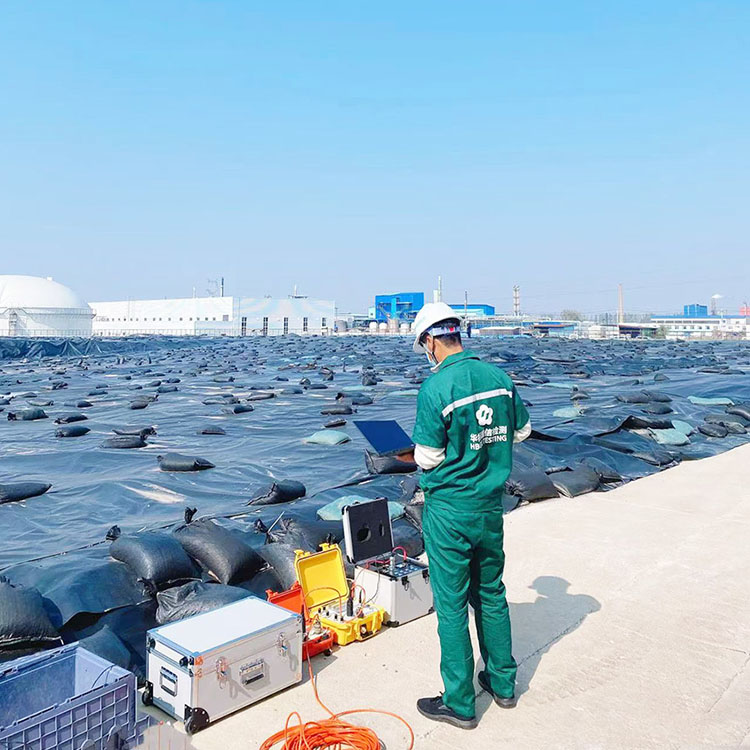
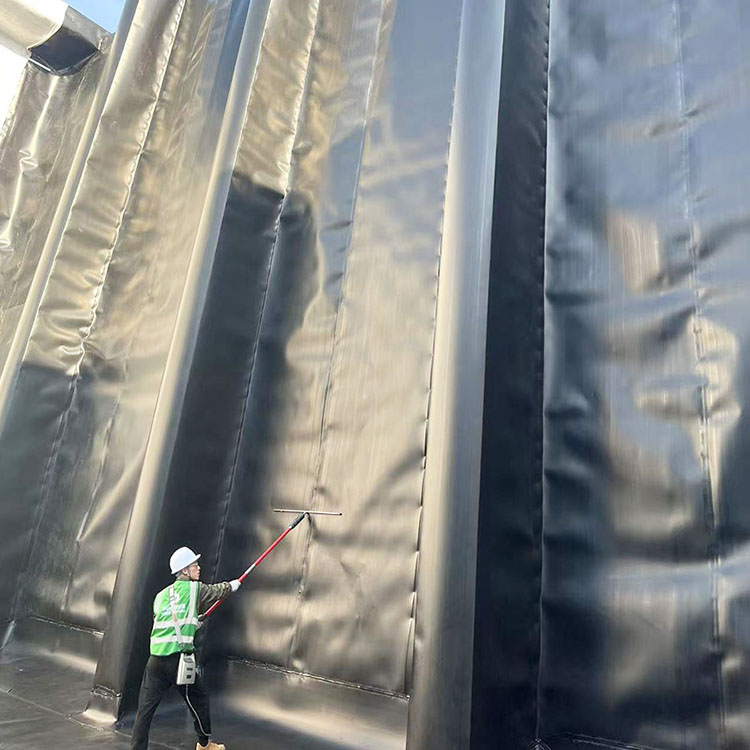
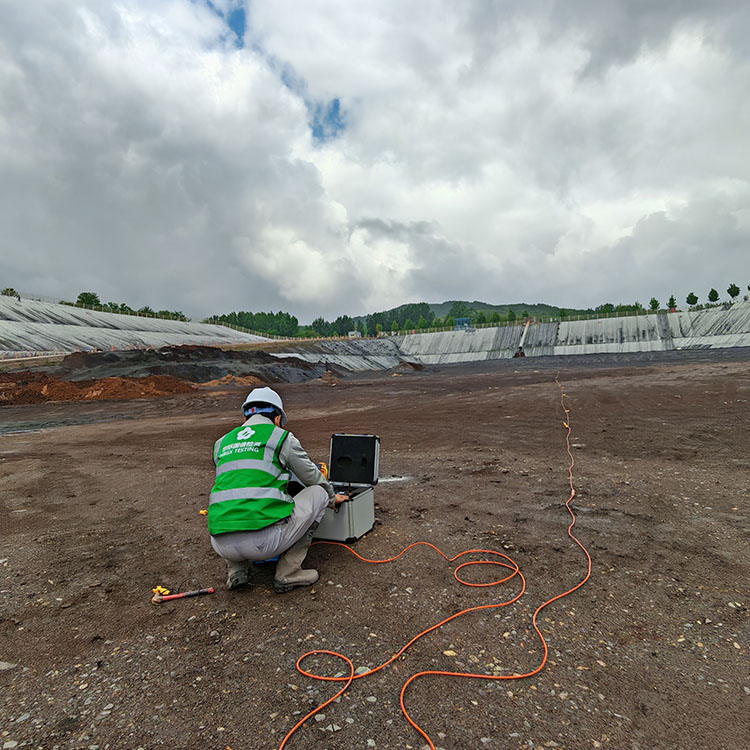
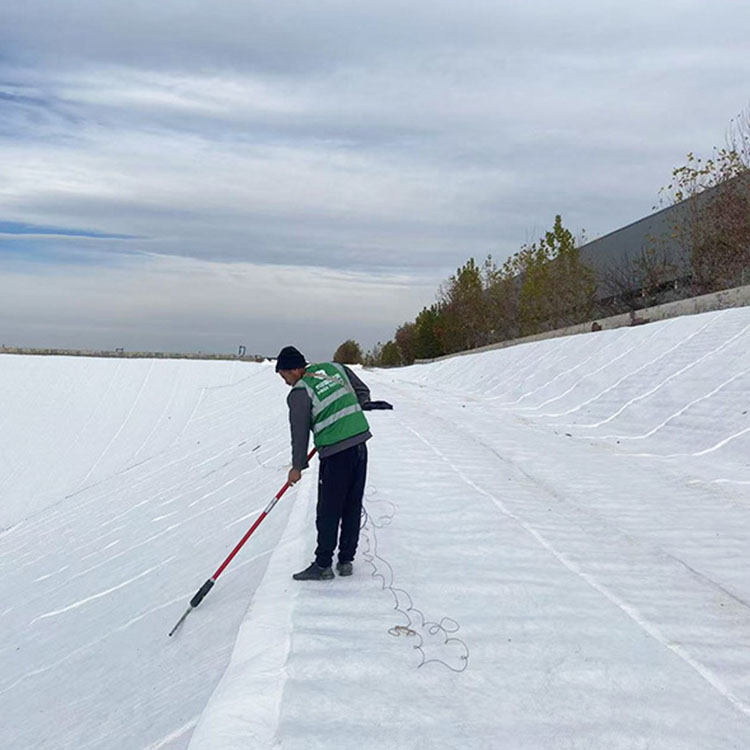
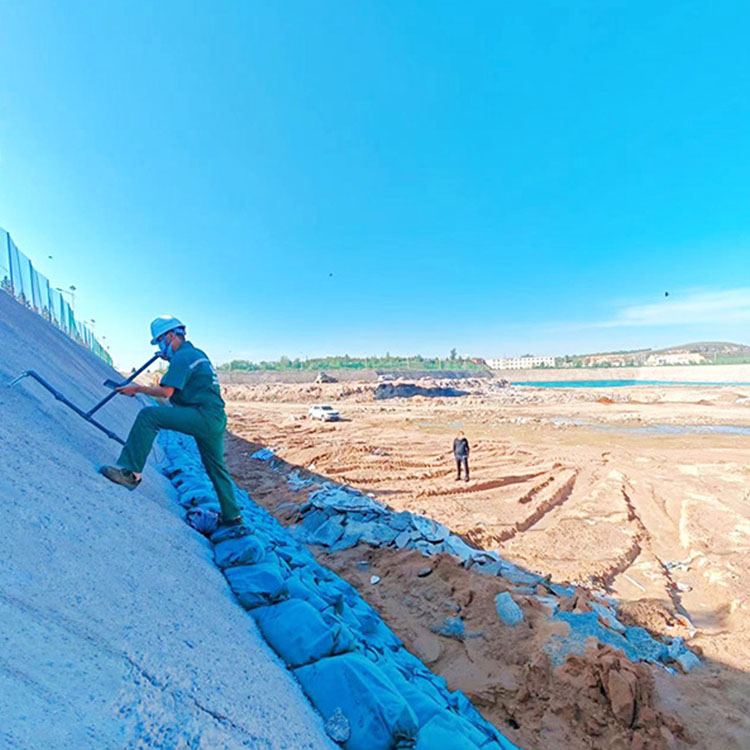
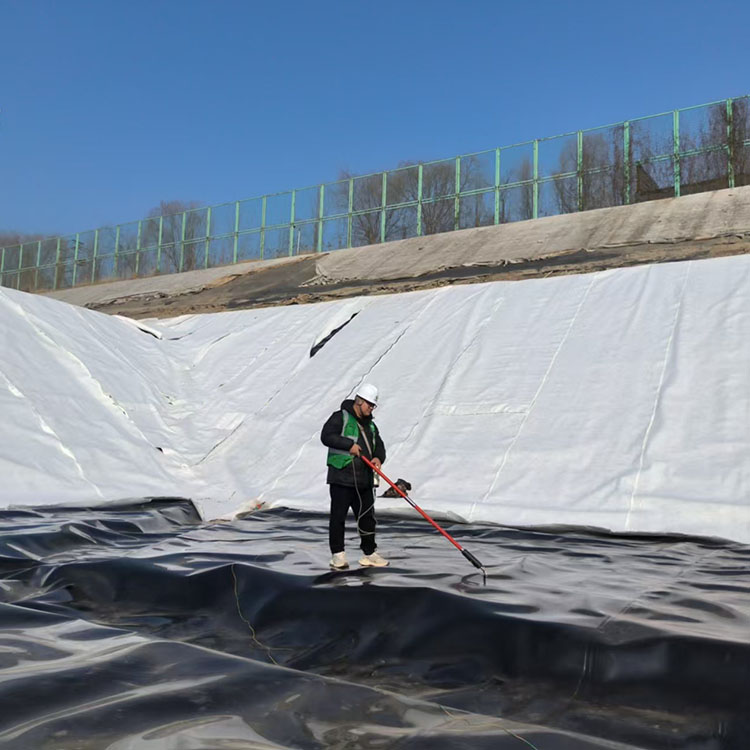
Long-term online leakage monitoring of an anti-seepage system refers to the dynamic surveillance of the integrity of anti-seepage facilities (such as landfill sites for garbage, industrial solid waste, hazardous waste, fly ash, tailings, and petrochemical storage tanks) through real-time, continuous technical means, ensuring no leakage occurs or timely detection of leakage risks. Its core objective is to prevent pollutant leakage, safeguard soil and groundwater from contamination, and meet environmental protection regulations.
I. Basic Components of the Impermeable System
Waterproofing layerHDPE film, clay lining, composite impermeable materials, etc.
Leachate drainage layerCollect and drain any liquids that may penetrate the impermeable layer.
Monitoring LayerInstall sensors or detection equipment for real-time monitoring of leakage conditions.
Long-term Online Leak Monitoring Core Technology
Sensor Network
Electrical Monitoring MethodDetect current changes caused by the damage of a waterproofing layer with the use of electrodes (e.g., conductive geotextile membranes).
Pressure Monitoring MethodMonitor pressure differential changes on both sides of the waterproofing layer using a pressure sensor to determine the leakage location.
Fiber Optic Sensing TechnologyReal-time temperature, strain, or vibration signal detection through distributed optical fibers (DTS/DAS) to locate leak points.
Data Collection and Transmission
Real-time collection of sensor data, transmitted to the cloud or monitoring center via IoT technology.
Smart Analysis and Early Warning
Combine AI algorithm analysis of data trends to automatically trigger leak alarms and locate fault areas.
Section 3: Application Scenarios
LandfillMonitor the integrity of the bottom impermeable membrane to prevent leachate from contaminating groundwater.
Chemical Industrial Park Storage Tank AreaMonitor the integrity of the anti-seepage layer of tanks or pipelines in real-time.
Mine tailings damPrevent heavy metal wastewater from leaking into the surrounding environment.
Underground oil storage facility/gasoline stationPrevent oil leakage from causing soil and groundwater contamination.
Section 4: Technical Challenges and Trends
Challenge
Complex environmental interferences (such as temperature changes, mechanical stresses) may affect sensor accuracy.
The渗漏 prevention system has a long lifespan (decades), ensuring the long-term stability of the monitoring equipment is essential.
Trend
Multotechnology integrationIntegrating fiber optics, the Internet of Things, and AI algorithms to enhance monitoring reliability.
Predictive maintenancePredict aging or potential risks of waterproofing layers through big data analysis.
Low-cost solutionDevelop low-power wireless sensors for large-scale deployment.
V. Regulations and Standards
ChinaThe "Standard for Pollution Control of Landfill for Municipal Solid Waste" (GB 16889-2024) requires the installation of a leakage detection layer in landfills, as does the "Standard for Pollution Control of Storage and Disposal of General Industrial Solid Waste" (GB18599-2020), and the "Standard for Pollution Control of Landfill for Hazardous Waste" (GB18598-2019).
United StatesThe EPA's Resource Conservation and Recovery Act (RCRA) requires that hazardous waste facilities be equipped with a leakage monitoring system.
Six, Significance
Environmental SafetyPrevent leakage of pollutants that could lead to irreversible soil and groundwater contamination.
Economic benefitsEarly detection of leaks can significantly reduce repair costs (the cost of cleanup after pollution spreads may increase by 10 times or more).
Compliance AssuranceComply with environmental regulatory requirements and avoid legal risks.
Through long-term online leakage monitoring, the anti-seepage system shifts from "passive protection" to "active prevention and control," becoming a key technical means for modern environmental risk management.
询价单


