




- AllProduct Category


Recommended Products

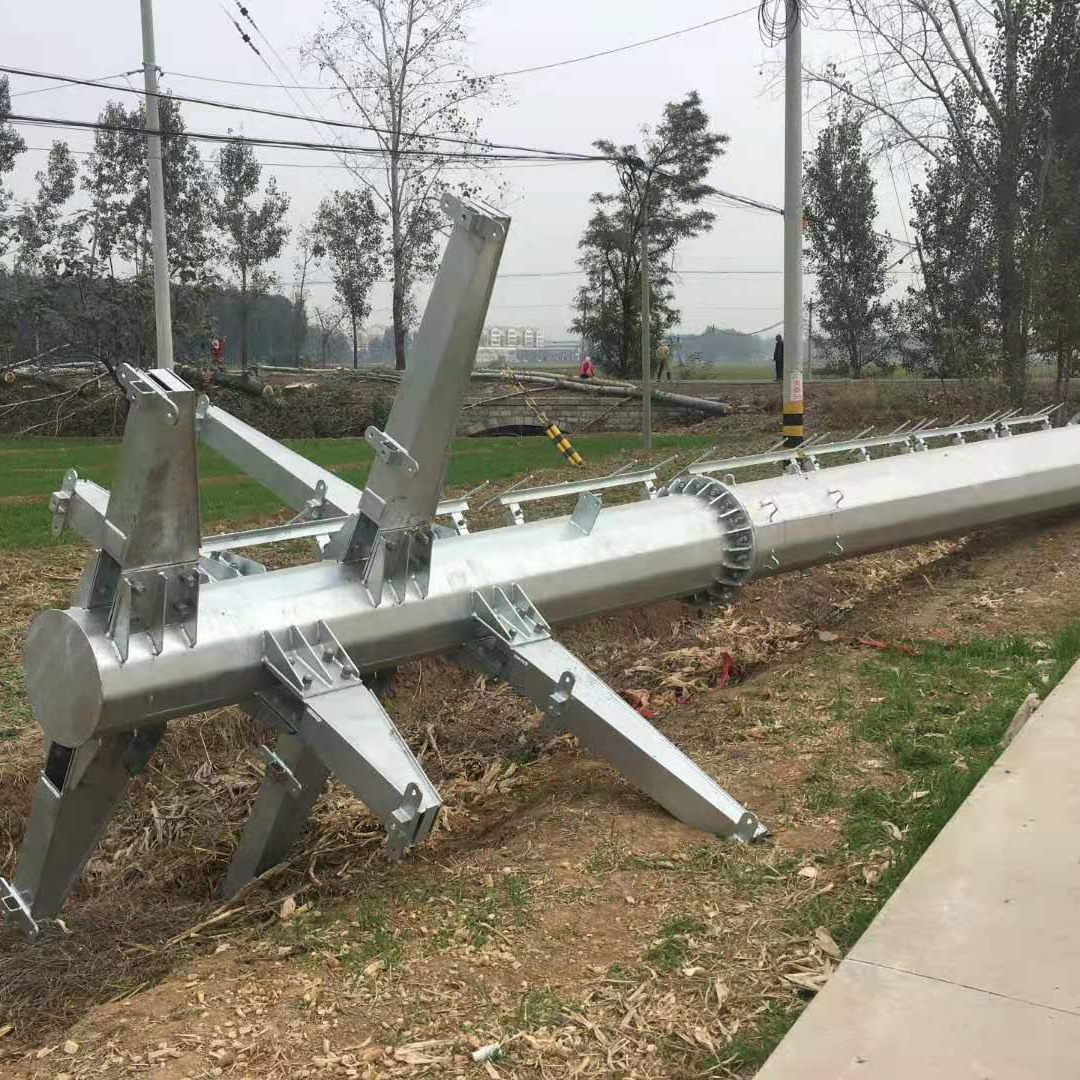
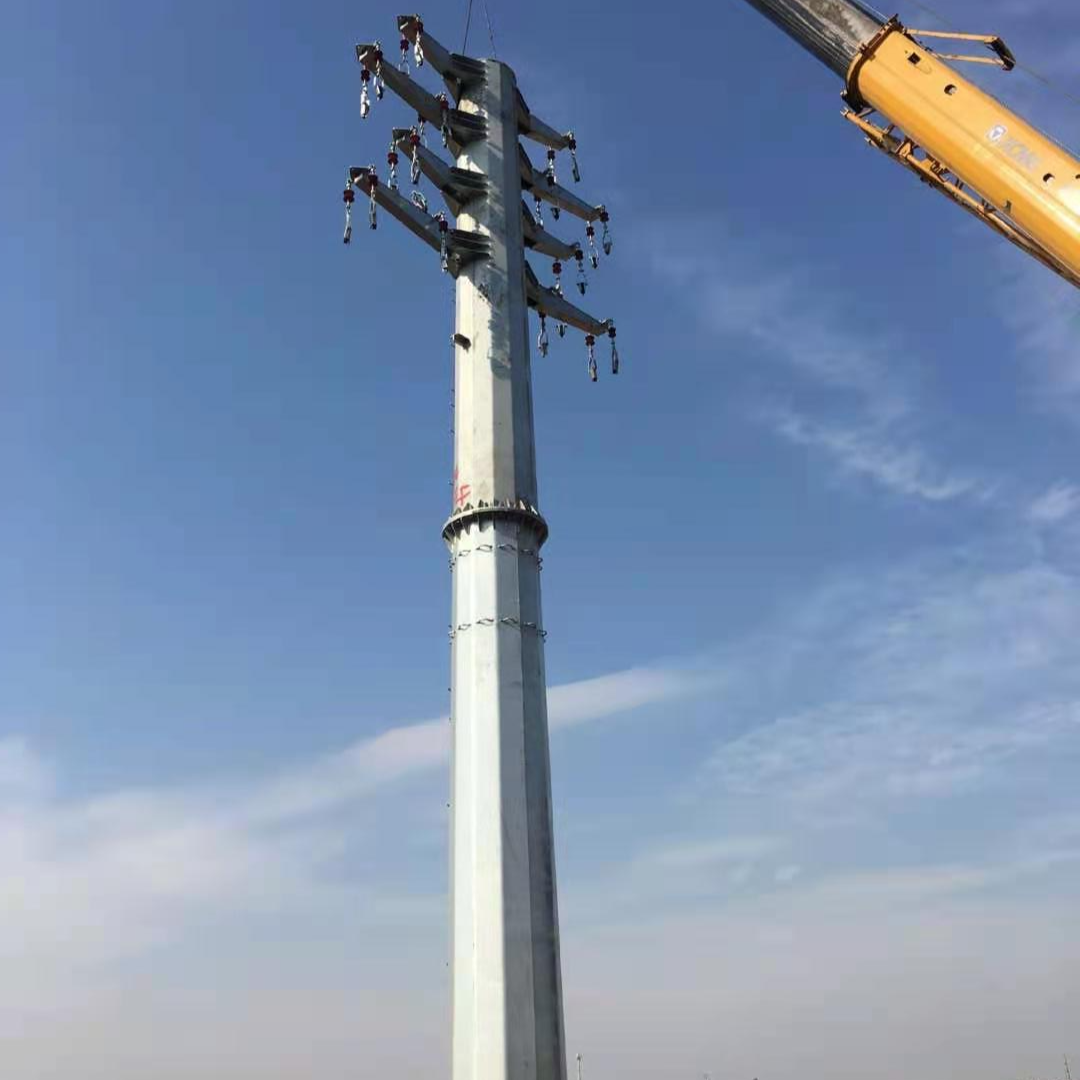
详情描述
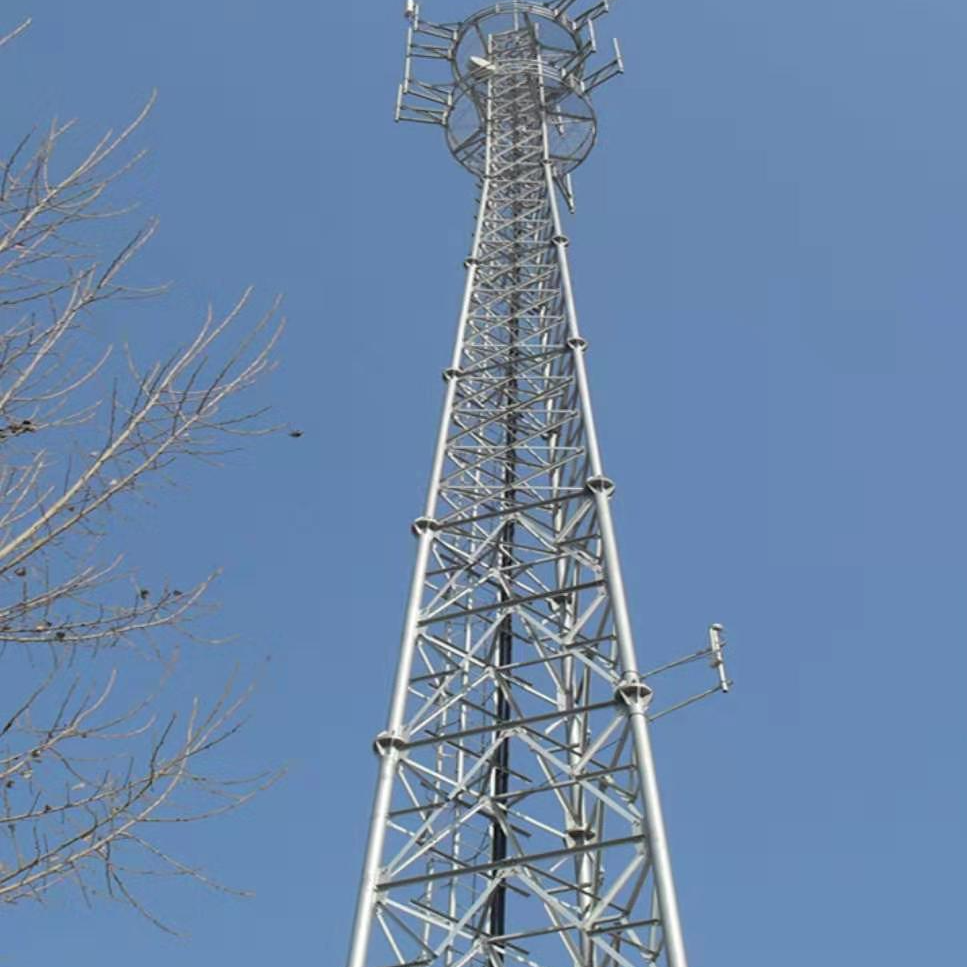
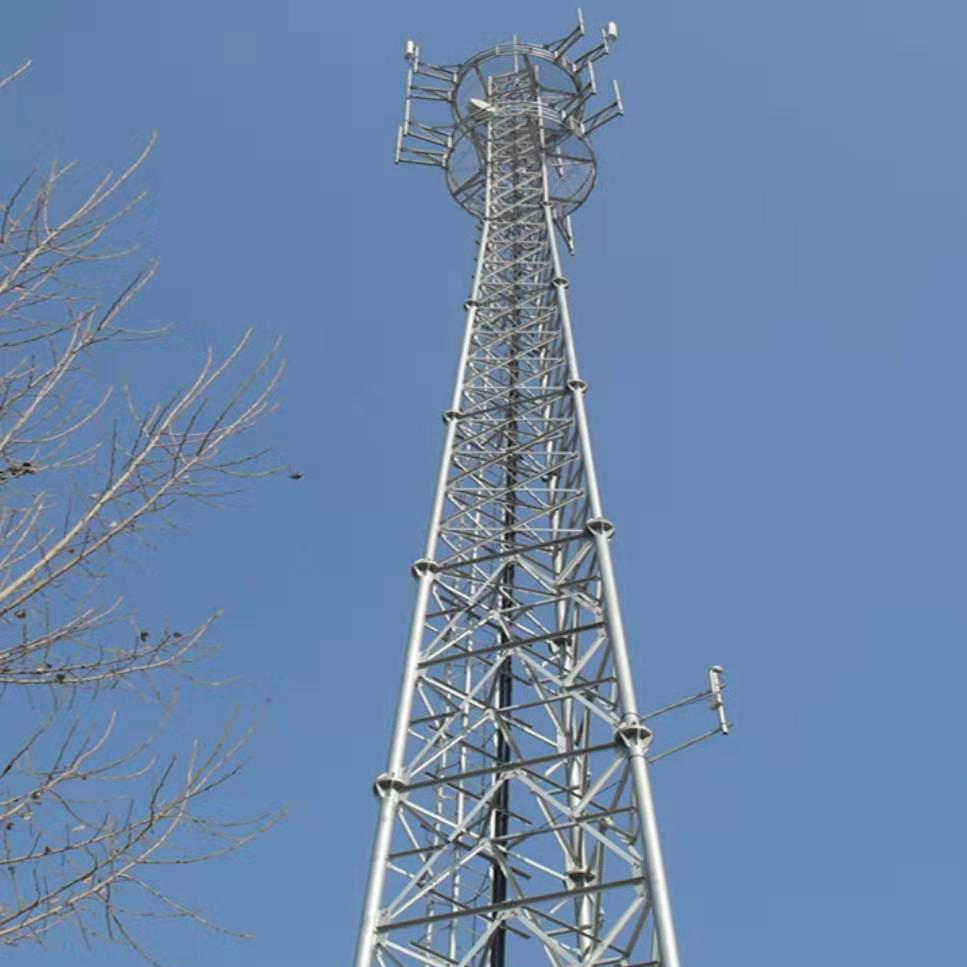
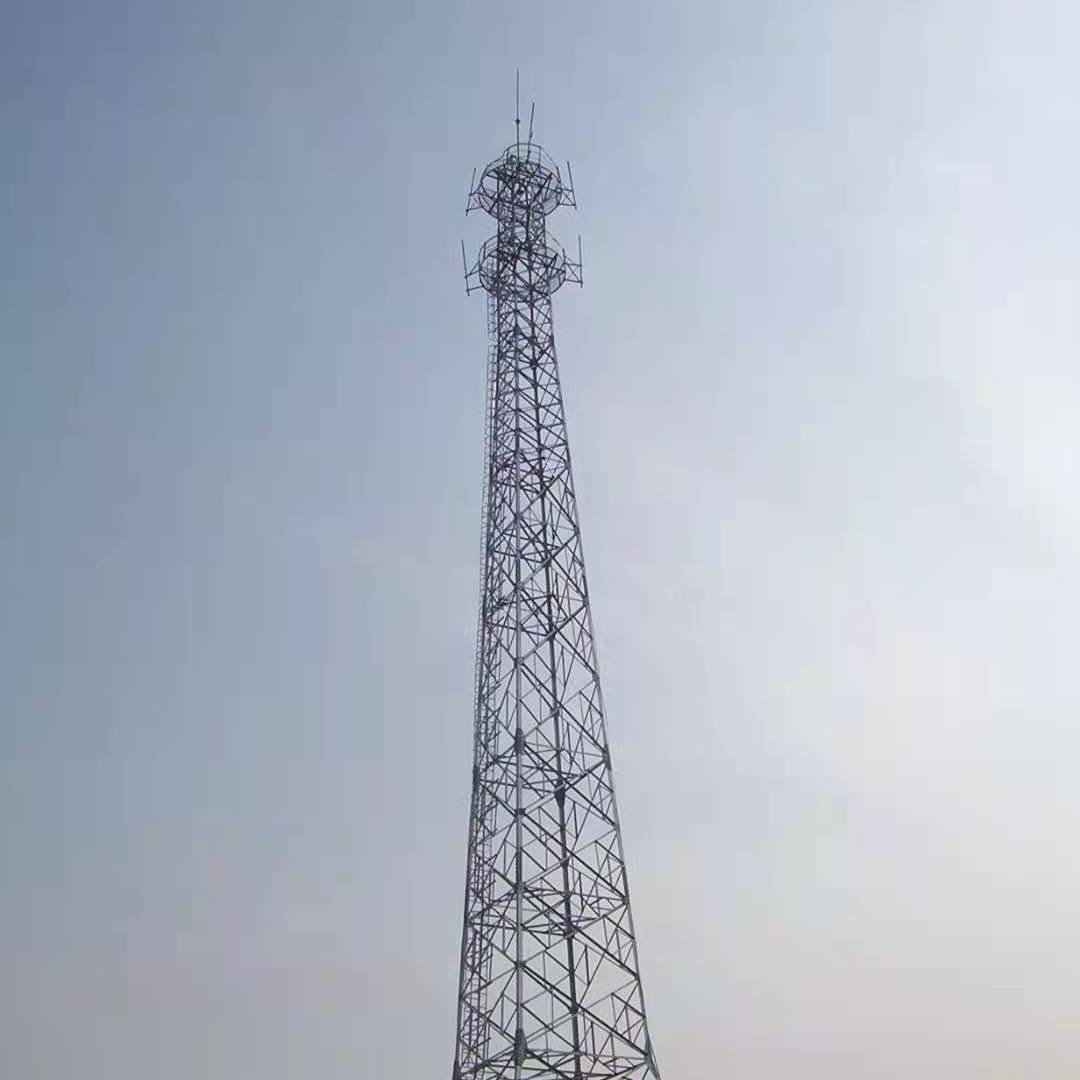
A three-column tower is a self-supporting tall steel structure widely used in the communication field. The following is a detailed introduction to its definition, structural characteristics, application scenarios, technical advantages, as well as installation and maintenance.
I. Definition and Structural Features
Definition: The tower column of a three-tube tower is made of steel pipes, with a triangular cross-section. It falls under the category of self-supporting tall steel structures and is a type of communication tower distinct from the angle steel tower.
Structure Composition: Includes tower base, tower column, cross member, diagonal brace, antenna mount, lightning rod, and column sleeve joints.
Material and Connection: The tower columns are made of seamless steel pipes, connected via external flanges, with bolts under tension, making them less prone to damage and reducing maintenance costs.
II. Technical Advantages
Wind-resistant: Utilizes seamless steel pipes for tower columns, with a low wind load coefficient, offering excellent wind resistance performance.
Resource Conservation
Steel: Triangular arrangement of tower columns, saving steel consumption.
Land: Small root opening, compact area, conserves land resources, convenient location.
Base Cost: Light tower weight, using a new three-blade foundation plate, reducing base cost.
Easy transportation and installation: Truss structure design for convenient transportation and installation, with a short construction period.
Structural Safety and Reliability: Designed in compliance with national steel structure design codes and tower design specifications, with smooth lines and resistance to rare natural disasters, minimizing human and animal casualties.
Section 3: Application Scenarios
Geographical Area: Suitable for urban suburbs, county towns, townships, fields, hills, mountainous areas, etc., with low landscape requirements and easy land acquisition.
Site Conditions: Particularly suitable for areas with smaller proposed site areas and considerations for land conservation.
Section 4: Specifications and Parameters
Applicable Height: Generally 40 meters, 45 meters, or 50 meters, adjustable according to customer requirements, but not exceeding 55 meters.
Design Standards: Complies with national standards such as the "Code for Design of Steel Structures," "Code for Load Design of Building Structures," and "Code for Design of Steel Tower and Mast Structures for Mobile Communication Engineering."
Design Wind Speed: 25 m/s to 38 m/s, applicable wind pressure ≤ 0.65 kN/m².
Seismic Performance: Seismic fortification is based on the fundamental intensity of the location, with a design service life of 50 years and a structural safety grade of Level 2.
5. Installation and Maintenance
Installation Process: Includes four-party handover, safety and technical briefing, tower material inspection upon arrival, tower installation and completion check, tower verticality testing, lightning protection grounding, and tower base encapsulation, totaling five steps.
Maintenance Points: Regularly inspect the tower structure, protective coating, and auxiliary facilities to ensure safe operation.
Six: Pros and Cons
Advantages:
Good economic performance, reduced number of components.
Compact footprint, simple structure, easy transportation and installation.
Structurally safe and reliable with a smaller wind load coefficient.
Shortcomings:
Stiffness is relatively weak; the height should not exceed 55 meters.
No scenic function, single structure has poor anti-torsion ability.
A large number of components and nodes make relocation and reuse challenging.


