




- AllProduct Category


Recommended Products

详情描述
Luminous Lighthouses: Definition, Structure, Function, and Application
I. Definition and Overview
A lighthouse is a multifunctional tall structure that combines lighting, navigation, and communication, commonly situated along coastlines, ports, waterways, or remote areas, providing safe guidance for ships, aircraft, or land traffic. Its core functions include:
Night Lighting: Illuminates designated areas with high-intensity光源 to ensure safe navigation or operation.
Navigation Signs: Visual landmarks to assist users in locating or avoiding hazards.
Communication Aids: Some beacons are equipped with signal transmitters, supporting wireless communication or radar detection.
Section II: Structural Composition
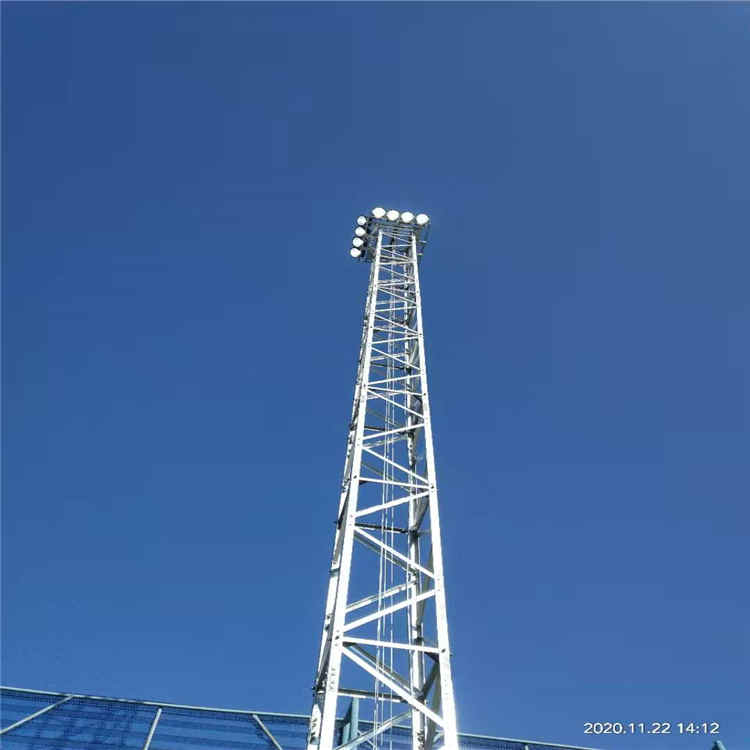
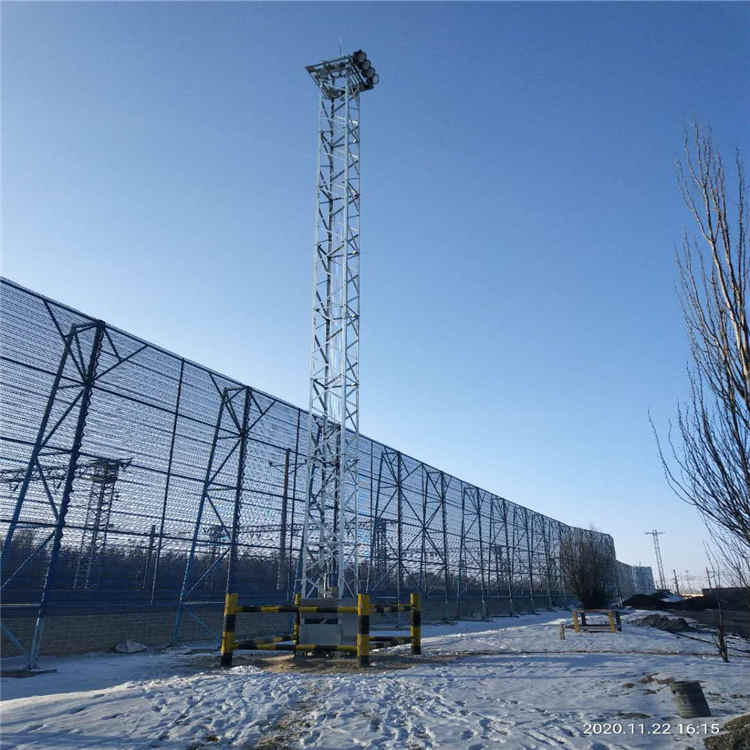
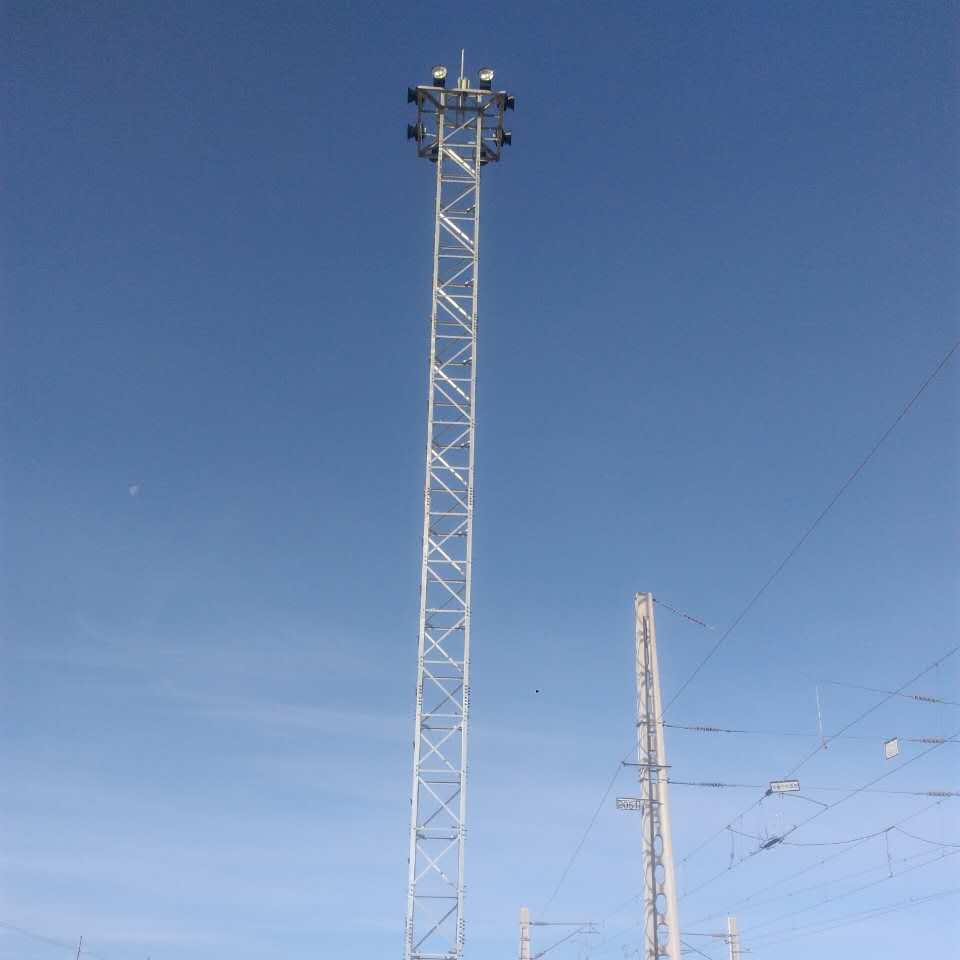
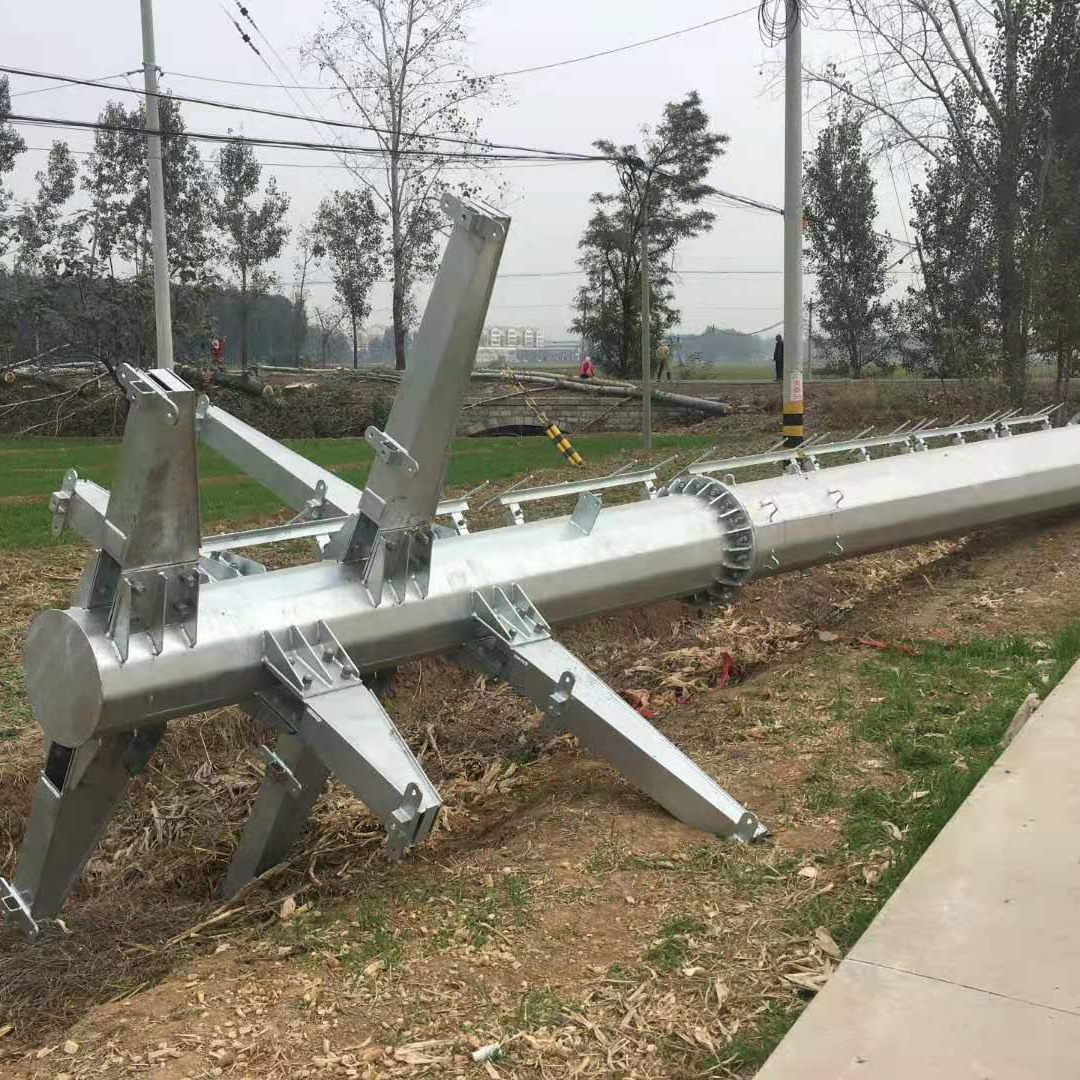
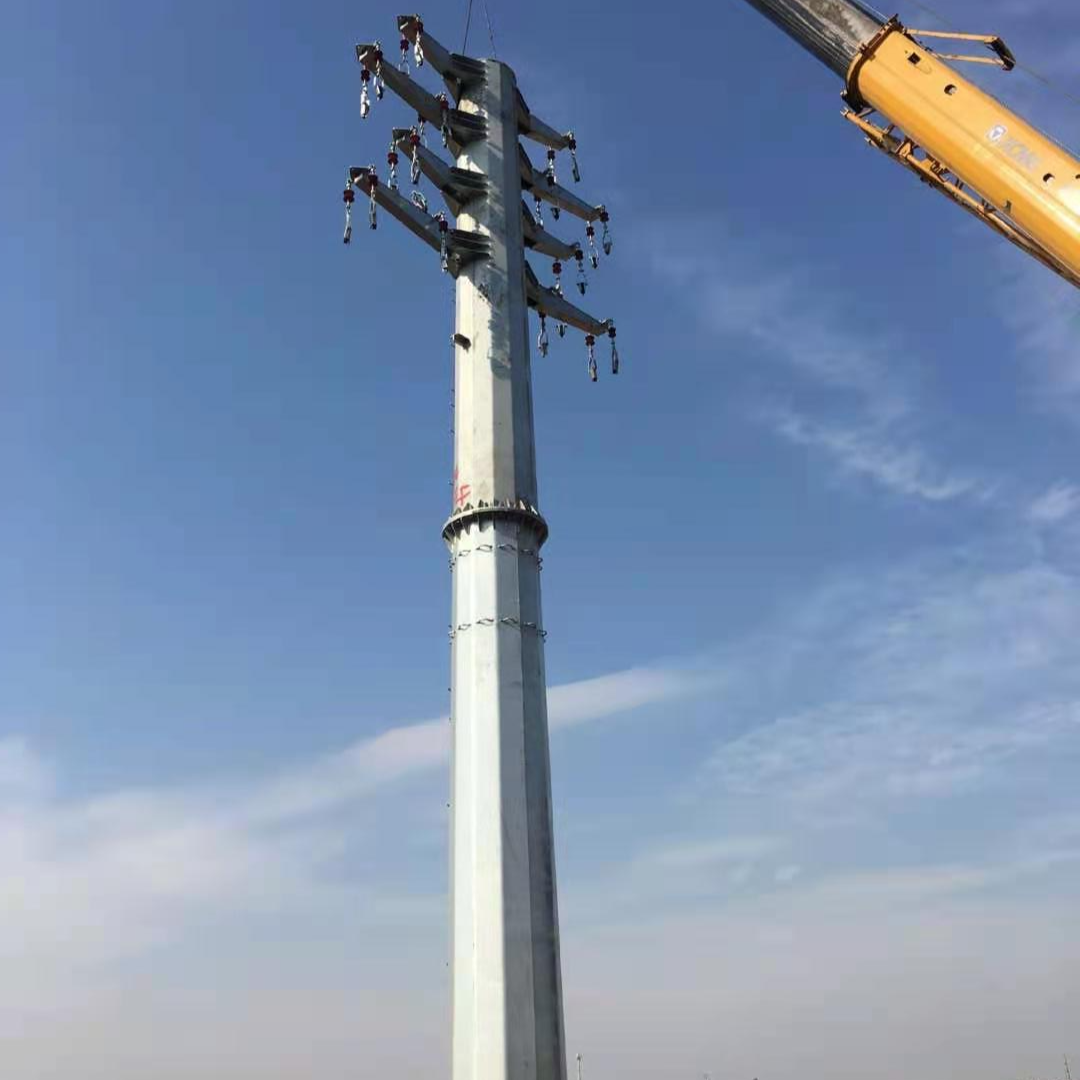
Tower
Material: Reinforced concrete, steel structure, or composite materials, with high strength and wind and earthquake resistance.
Height: Typically 10-50 meters, with height directly proportional to coverage range.
Shape: cylindrical, polygonal, or conical; design must consider aerodynamics to minimize wind resistance.
Lighting System
Light Source: LED, halogen, or Xenon lamps, with LED becoming the mainstream due to its high energy efficiency and long lifespan.
Luminosity and Color Temperature: Adjusted according to application, e.g., beacon lights must comply with the International Maritime Organization (IMO) standards (such as white, red, or green).
Swivel Mechanism: Some beacons are equipped with rotating light covers for 360° illumination coverage.
Ancillary facilities
Solar Panels: Powering lighthouses in remote areas, reducing reliance on the power grid.
Surge Protection System: Includes lightning rods, down conductors, and grounding devices.
Surveillance System: Integrated with cameras and sensors, real-time monitoring of equipment status.
III. Features and Application Scenarios
Maritime Navigation
Channel Lighthouse: Provides navigation guidance for ships, reducing the risk of grounding.
Harbor Lighthouse: Assists vessels in docking, enhancing port operational efficiency.
Land Applications
Border Lighthouse: Provides illumination in remote areas, ensuring border security.
Airport beacon: Guides aircraft for takeoff and landing, enhancing safety during low visibility conditions.
Emergency Rescue
Disaster Warning: Emergency information conveyed through light signals.
Search and Rescue Aids: Provide location identification in marine or mountainous accidents.
Section 4: Technical Requirements and Standards
Lighting Standards
Light Intensity and Color: Must comply with international standards (such as IMO Grade A, Grade B light intensity requirements).
Energy Efficiency & Lifespan: LED sources must meet low energy consumption and long lifespan (typically over 50,000 hours).
Structural Safety
Wind Resistance: Must withstand typhoons of 12 levels or above.
Seismic design: Meets local earthquake intensity requirements.
Environmental Protection and Sustainability
Solar-powered: Achieve off-grid operation in areas without grid electricity.
Material Recycling: The tower material must be recyclable and reusable.
V. Trending Developments
Smart upgrade
Remote Monitoring: Real-time monitoring of equipment status through IoT technology.
AI-Assisted: Optimize lighting strategies with AI algorithms to reduce energy consumption.
Green Energy Integration
Wind + Solar: Multi-energy complementary power supply system, enhancing self-sufficiency in energy supply.
Energy Storage Technology: Combining battery storage to cope with extreme weather conditions.
Multi-functional integrated
5G Base Station: Install 5G antennas atop the lighthouse to expand communication capabilities.
Weather Monitoring: Integrated weather sensors, providing real-time environmental data.
Six, Case Studies
Malacca Strait Lighthouse: Powered by solar energy and LED lighting, providing continuous navigation for passing ships 24/7.
Arctic Research Station Lighthouse: Operates stably year-round in extreme conditions, utilizing frost-resistant materials and heat recovery technology.


