




- AllProduct Category


Recommended Products

详情描述
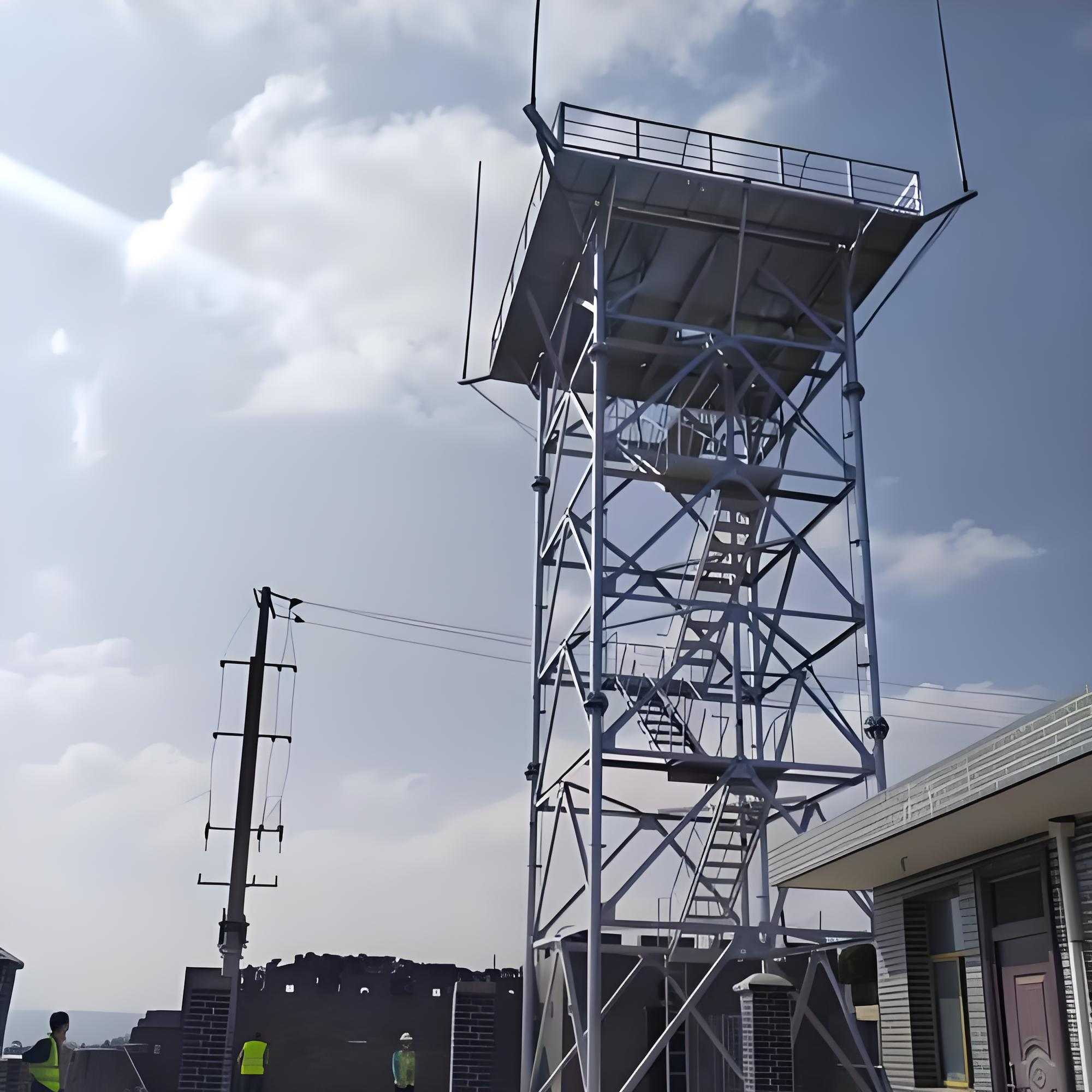
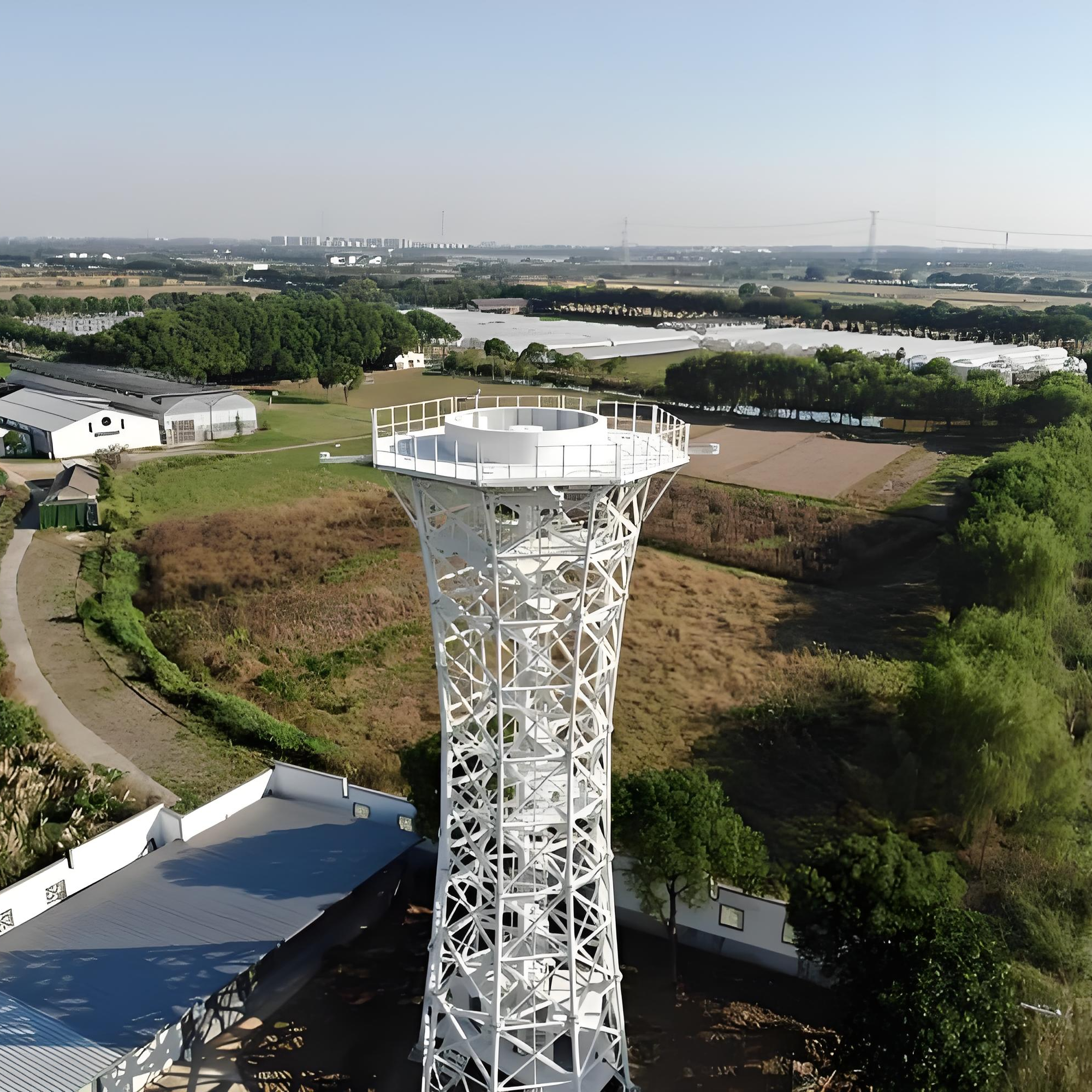
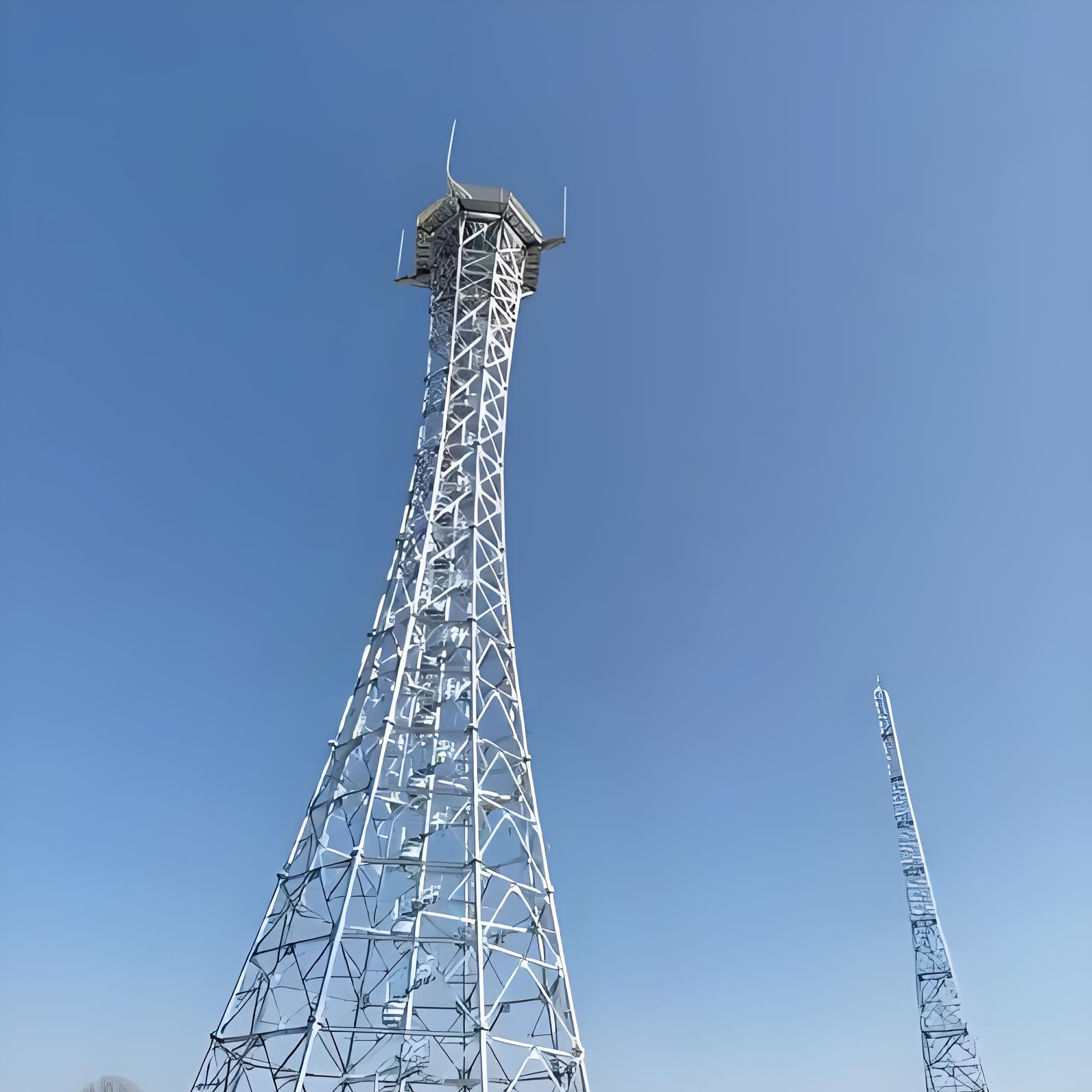
A watchtower is a tower structure used for surveillance, observation, or specific functions (such as navigation, astronomical observation, scenic viewing, etc.), commonly constructed from materials like steel, concrete, wood, or glass. It is widely applied in fields such as communication, forest fire prevention, navigation, astronomical research, and tourism.
I. History and Evolution
The history of watchtowers dates back to ancient times, with China already having "watchtowers" or "beacon towers" used for surveillance of enemy movements as early as the Warring States period. Along the Great Wall, watchtowers were positioned at regular intervals to observe enemy movements and convey messages. In Egypt, watchtowers were used to monitor the Nile River's water levels and flood conditions. As times evolved, the functions of watchtowers expanded from defense to navigation, astronomical observations, and tourism.
II. Types and Functions
Observation Tower
Primarily used for defense, monitoring enemy movements, warning of war, and conveying information. Modern watchtowers are typically equipped with advanced observation and communication equipment, serving as key information nodes in modern warfare.
Lighthouse
Watchtowers used for guiding ships at sea are typically tall and bright, aiding navigation to prevent collisions and navigational errors.
Astronomical Observatory
Observation towers used for monitoring celestial movements, primarily for astronomical research. Astronomical observatories typically feature telescopes and equipment for observing celestial bodies and recording data.
Observation Tower
Observation towers designed for scenic views, primarily used for tourism and sightseeing. These viewing towers are typically constructed on mountain peaks or elevated ground, offering panoramic vistas of the surrounding landscape to allow visitors to admire the beautiful natural scenery.
Forest Fire Observation Tower
To promptly detect and monitor fire risks, safeguarding the security of forest resources. These tower structures are typically constructed at high points within the forest to better observe fire situations and promptly organize rescue and firefighting efforts.
Section 3: Structure and Construction
The structural design of the observation tower should be determined based on the usage and environmental conditions. Common structural types include:
Steel Structure Tower: Constructed with steel, easy to disassemble and durable.
Square self-standing: Stands firmly on its own base, no additional guy lines required.
Square guy wire system: Installed symmetric guy wires at the top or body of the tower for stable support; occupies a larger area, yet offers better stability.
In construction materials, steel is widely used for primary supporting structures due to its high strength and corrosion resistance; concrete is used for the foundation and body of the tower, offering good durability and compressive strength; glass is commonly used for observation windows in modern watchtowers, providing a wide field of view; wood and aluminum alloys are employed for decorative or auxiliary structures in specific scenarios.
IV. Modern Applications
Modern observation towers not only retain traditional functions but also incorporate more technological elements. For instance, these towers utilize advanced observation and communication technology to become information nodes; observatories are equipped with high-precision telescopes and instruments to aid astronomical research; and scenic viewing towers, designed uniquely and creatively to meet tourism demands, have become iconic structures in cities or tourist areas.
V. Maintenance and Management
The maintenance of the observation tower should be based on the material and usage. For instance, steel structures require regular anti-corrosion treatment, concrete structures need to be inspected for cracks and erosion, and glass windows should be cleaned and maintained. Additionally, the equipment's operational status should be checked regularly to ensure the tower's functionality.
Below are videos related to watchtowers, which provide information on their composition, construction process, and structural materials for your reference:


