



- AllProduct Category


Recommended Products

详情描述
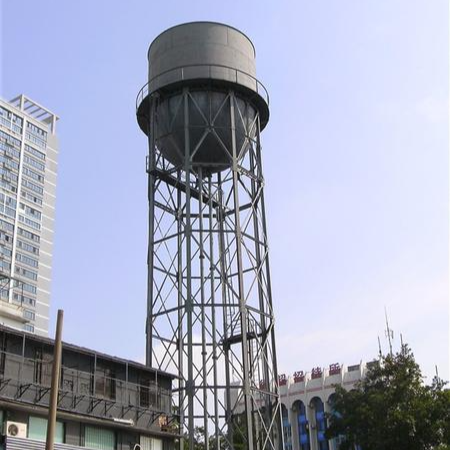
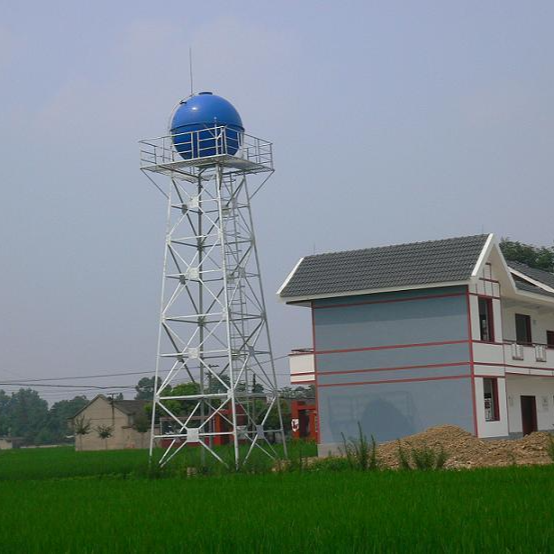
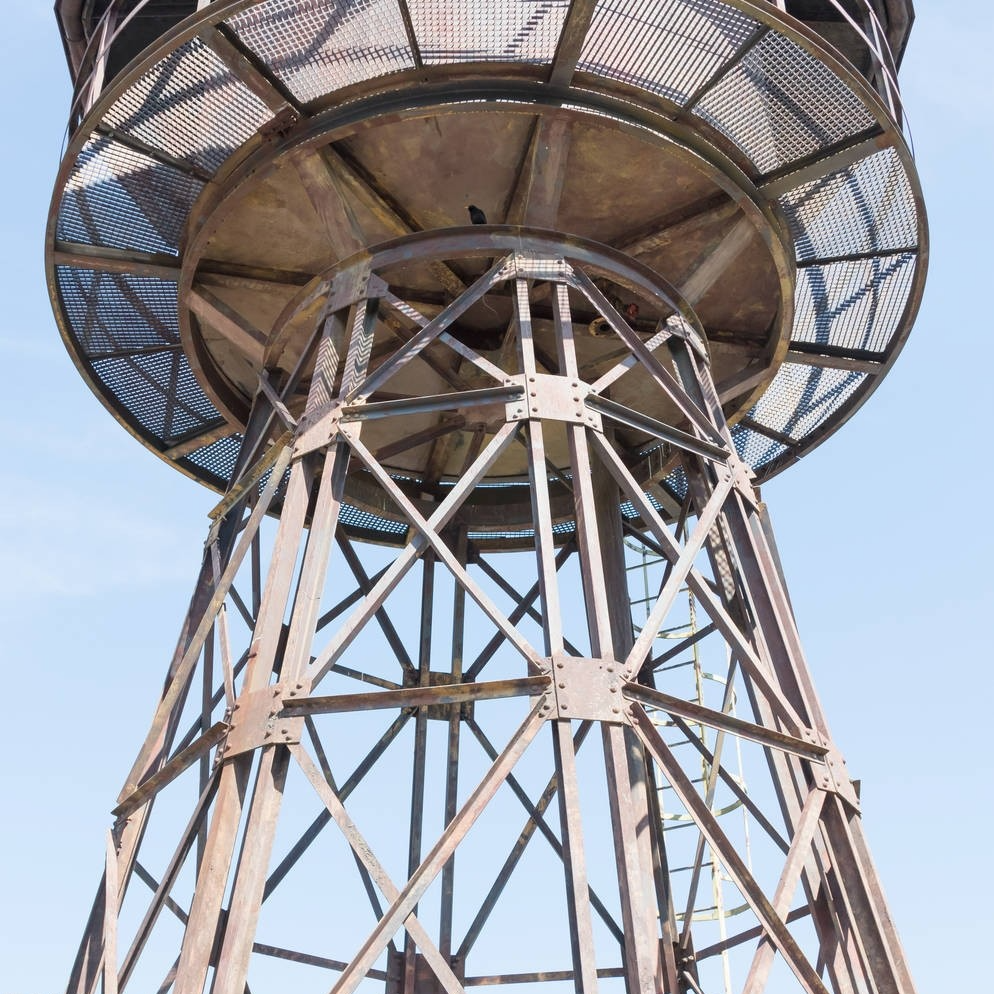
A steel frame water tower is a tall water storage facility primarily composed of a steel structure, widely used in both industrial and residential building sectors. It features light structure, convenient construction, and strong applicability. The following introduction will cover four aspects: structural composition, construction key points, application advantages, and maintenance suggestions.
I. Composition Structure
The steel framed water tower is primarily composed of the water tank, the foundation, and the steel brackets connecting them.
Water tank: Used for storing water, typically cylindrical or inverted cone-shaped, with capacity designed according to requirements.
Base: Bears the entire weight of the water tower, design must be based on geological conditions to ensure stability.
Steel bracket: Welded or bolted from shaped steel (such as channel steel, angle steel) to form a spatial frame structure, supporting the water tank and transferring loads to the foundation.
II. Construction Key Points
Material Selection
Steel must have sufficient strength and corrosion resistance, commonly using Q235 or Q345 steel, which requires anti-corrosion treatment on the surface (such as hot-dip galvanizing or applying anti-corrosion paint).
Structural Design
Steel support brackets must be calculated based on parameters such as water tower height, wind load, and seismic effects to ensure structural safety. Typically, a spatial truss structure is employed, with the arrangement of diagonal bracing and crossbars optimized to enhance overall stability.
Construction Method
Foundation Construction: Select an appropriate foundation type (such as expanded foundation, pile foundation) based on geological conditions to ensure load-bearing capacity.
Steel bracket installation: Utilize section lifting or whole hoisting method to ensure secure connections of all components.
Water Tank Installation: Can be pre-fabricated on-site and then hoisted into place, or assembled and welded on-site.
Corrosion Treatment: A comprehensive corrosion protection process is required for the steel支架 after construction to extend its service life.
Section 3: Application Advantages
Lightweight structure: High steel strength with low self-weight, reducing the volume of foundation engineering and lowering costs.
Construction Convenience: Steel components can be pre-fabricated in the factory and assembled on-site, shortening the construction period.
Adaptable: Can adjust structural forms according to terrain and requirements, suitable for various scenarios.
Excellent seismic performance: Steel structures have good elongation properties and superior seismic performance compared to concrete structures.
Four: Maintenance Recommendations
Regular inspections: Check for corrosion on steel brackets and repaint or replace severely rusted parts promptly.
Corrosion Treatment: Regular maintenance of anti-corrosion coatings on steel structures to extend service life.
Safety Monitoring: Inspect the water tower's structural stability following extreme weather events (such as strong winds, earthquakes).
Water Quality Maintenance: Regularly clean water tanks to prevent water contamination.
V. Cautionary Notes
Steel framed water towers require special attention to the rust prevention of the steel, particularly in damp or corrosive environments, where enhanced corrosion protection measures are necessary.
Welding quality must be strictly controlled during construction to ensure the connection strength of the steel brackets.


