




- AllProduct Category


Recommended Products

详情描述
Substation architecture is an indispensable part of the power system. Below, we provide a detailed introduction from aspects such as definition, components, types, design principles, construction methods, maintenance requirements, and automation and intelligence.
1. Definition
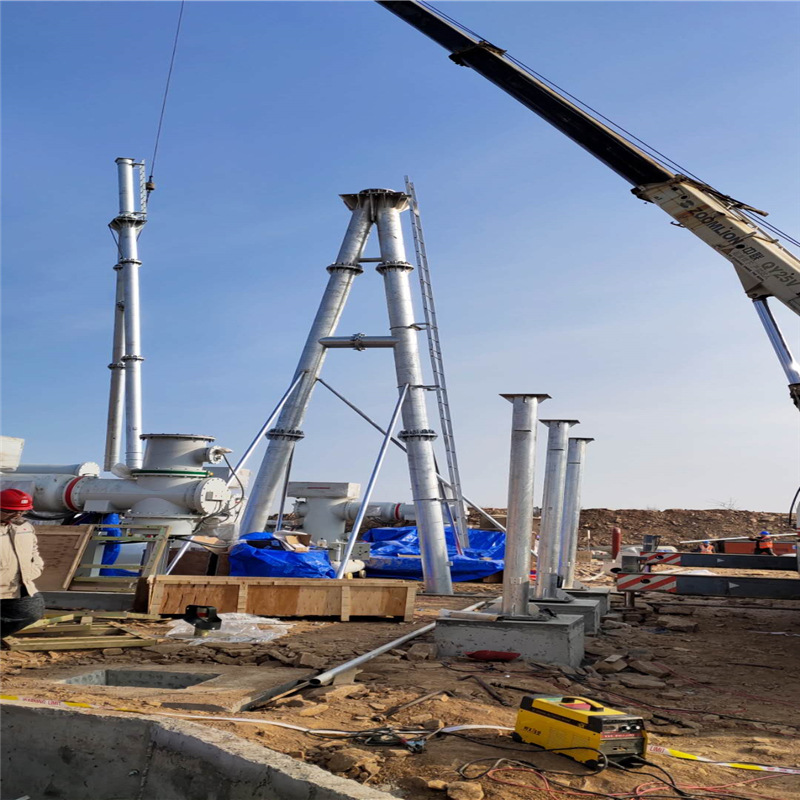
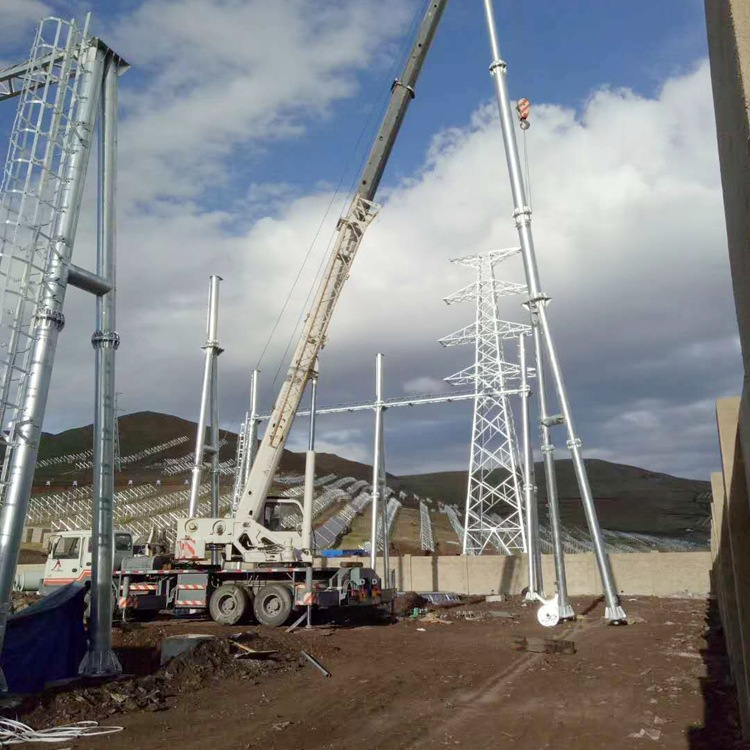
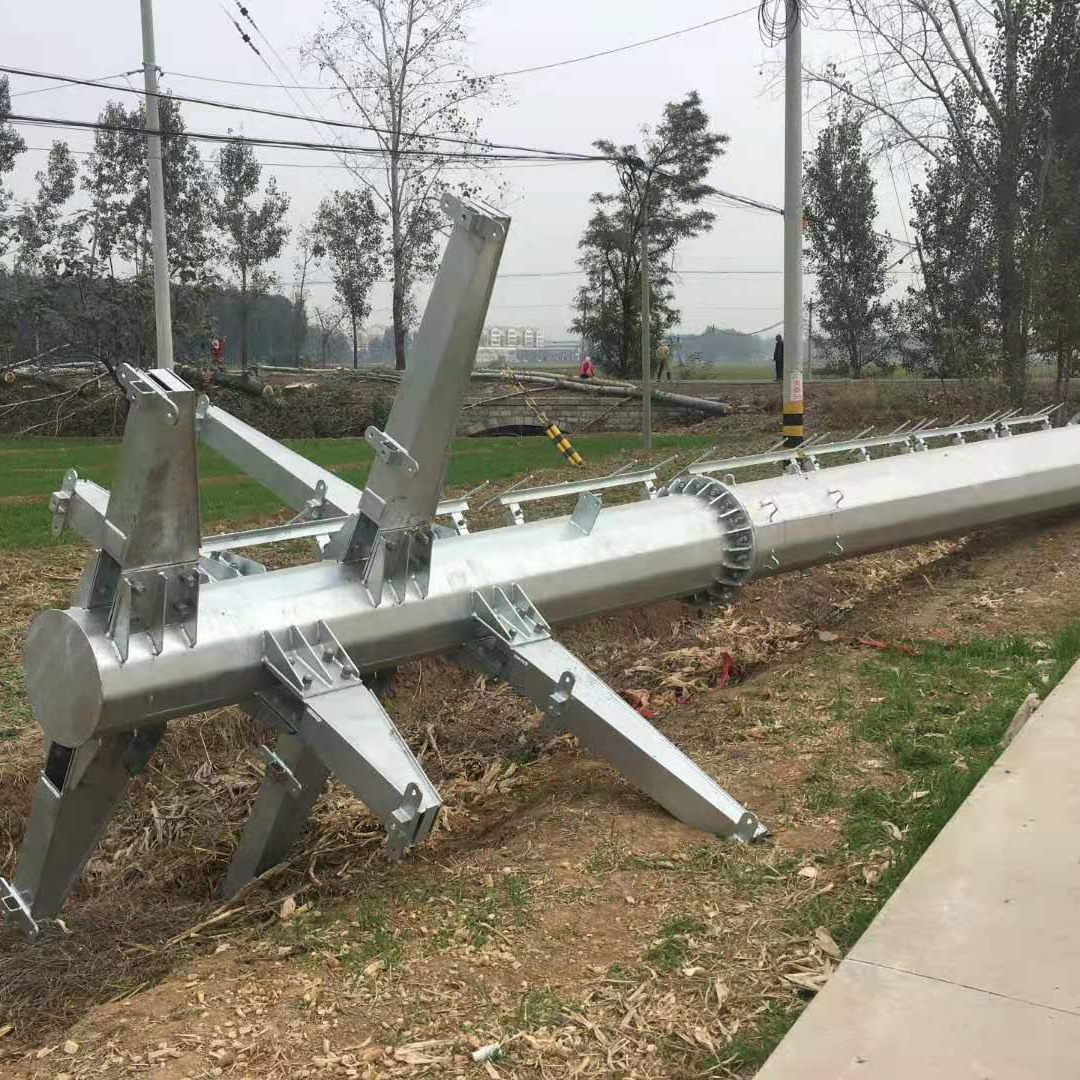
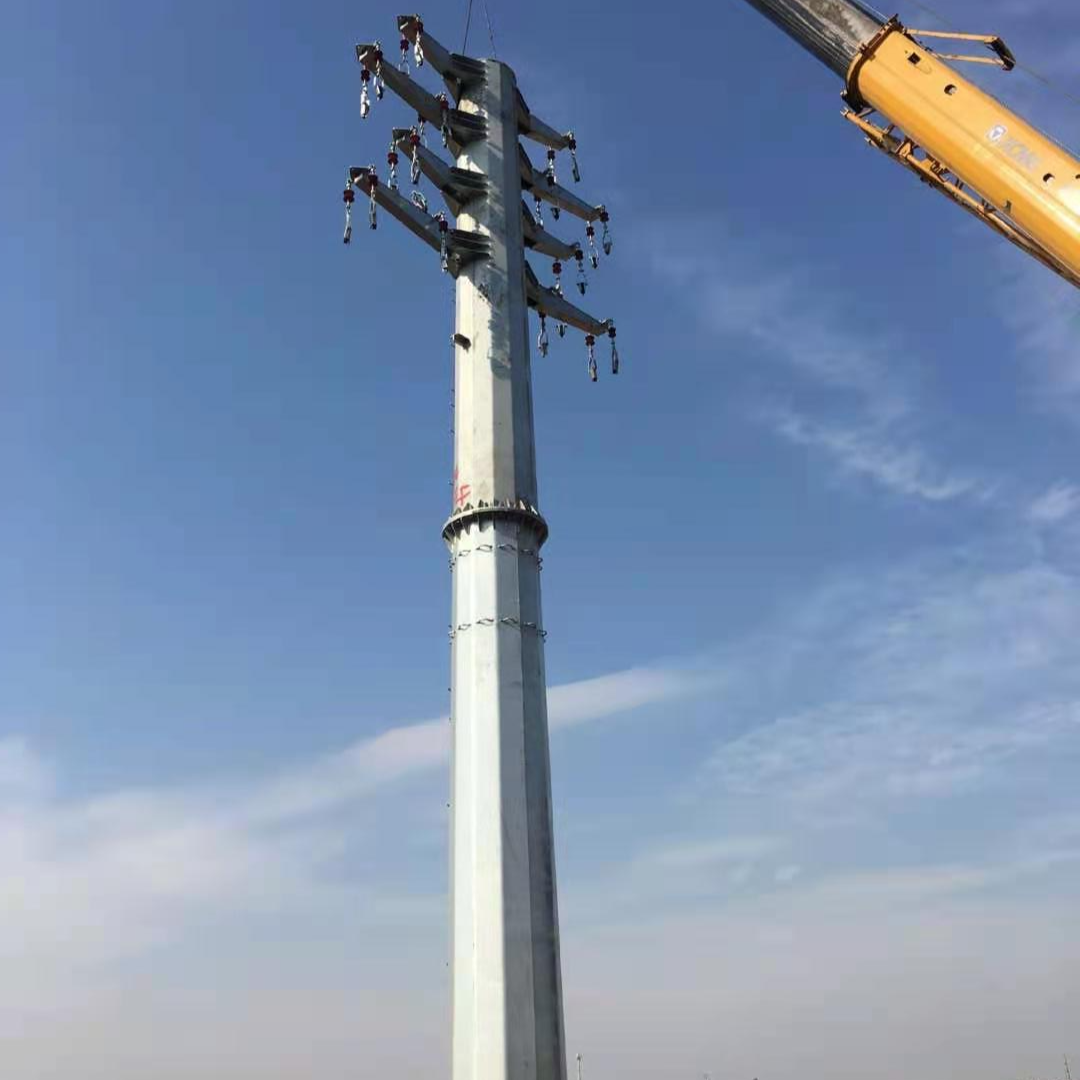
Substation structures are a general term for the main supporting structures of outdoor conductors and equipment in transformer stations and substation complexes. They are determined based on the voltage level, scale, equipment layout, construction and operation conditions, as well as the local climatic conditions of the transformer station. Substation structures are characterized by tall columns with slender cross-sections, belong to structures with high flexibility, and are used for rigid frameworks that suspend conductors, support conductors, or switchgear, as well as other electrical equipment.
2. Components
- One-time equipment: Includes transformers, circuit breakers, and isolators, responsible for voltage transformation and circuit switching.
- Secondary equipment: Includes relay protection devices, automatic devices, measuring instruments, control signal devices, etc., responsible for monitoring, controlling, and protecting primary equipment.
- Support Structure: The substation structure serves as a support structure for a rigid framework assembly, used to suspend conductors, support conductors, or switchgear, as well as other electrical equipment.
3. Type
- By Function Category:
- Hub Substation: Located at a critical point in the power system, used to connect different voltage levels of the power grid.
- Terminal Substation: Located at the end of the power system, it converts high-voltage electricity into low-voltage electricity for direct use by consumers.
- Step-up substation: Used to convert low-voltage electricity to high-voltage electricity for long-distance transmission of power.
- Step-down substation: Converts high-voltage electricity to low-voltage electricity for direct use by consumers.
- By voltage grade classification:
- Extra-high voltage substation: Voltage level of 1000kV and above.
- Ultra-high voltage substation: voltage levels of 330kV, 500kV, 750kV, etc.
- High-voltage Substation: Voltage levels include 220kV, 110kV, etc.
- Medium and low voltage substation: Voltage levels include 35kV, 10kV, 6.3kV, etc.
- By structural type:
- Outdoor Substation: Equipment is arranged outdoors, occupying a large area, but with lower construction costs.
- Indoor Substation: Equipment is housed indoors, with a small land area required, but higher construction costs.
- GIS Substation: Utilizes gas-insulated switchgear, occupying less land, with high reliability, although with a higher construction cost.
4. Design Principles
- Safety Principles: Substation design should prioritize safety, including measures to prevent electric shock, fire, and explosion.
- Reliability Principles: Ensure equipment operates smoothly under various working conditions to prevent power outages.
- Economic Principle: Consider the total construction, operation, and maintenance costs to achieve investment returns.
- Flexibility Principle: Adaptable to the evolving needs of the power system and future expansion plans.
- Maintainability Principles: Reasonable equipment layout, unobstructed maintenance pathways, and ease of inspection and maintenance.
- Site Selection and Planning: Consider geological conditions, natural environment, surrounding buildings, and future development needs to ensure adequate space for equipment layout, maintenance, and expansion.
- Electrical Design: Based on power system planning, load forecasting, and power balance analysis, determine voltage levels, capacities, and equipment selection, and reasonably arrange primary and secondary equipment.
- Mechanical structural design: Select appropriate materials and structural forms based on local climatic conditions to ensure robustness and durability.
- Architectural Design: Meets functional and aesthetic requirements, considering issues such as ventilation, heat dissipation, lighting, fire protection, and drainage.
- Environmental Protection: Opt for energy-saving and eco-friendly equipment, minimize land use, and reduce noise and electromagnetic radiation impact on the surrounding environment.
5. Construction Method
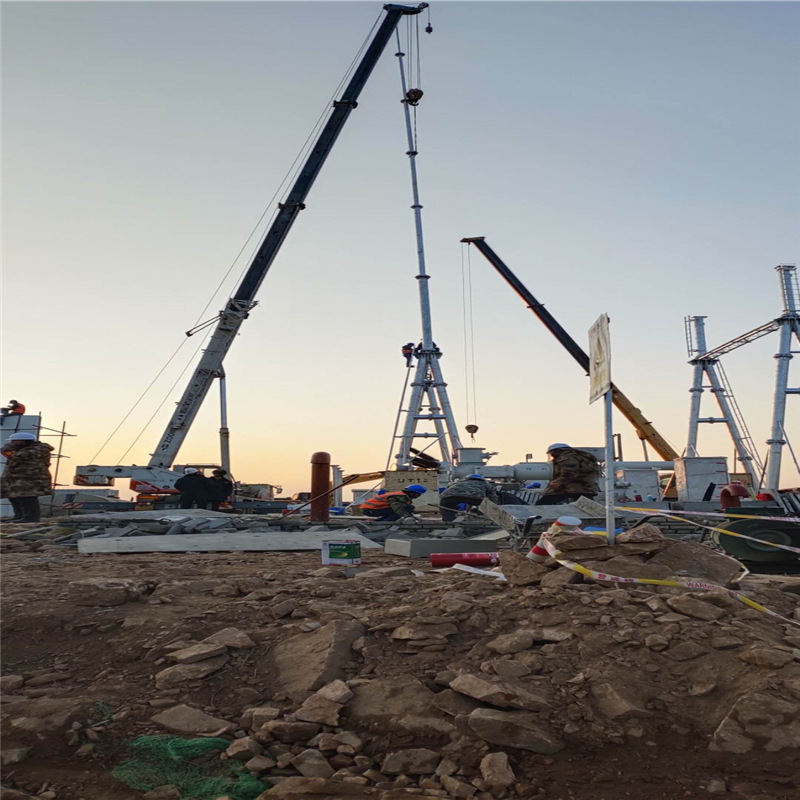
- Construction Process: Includes planning and design phase, site preparation, foundation construction, structural construction, electrical equipment installation, grounding system installation, and power system debugging.
- Equipment Installation: In compliance with standards and manufacturer requirements, the equipment's rotating points move flexibly and accurately, with good contact and correct indications.
- Busbar Installation: Soft busbars are free from looseness, broken strands, and damage, bending naturally with consistent curvature; tubular busbars have parallel axes and uniform elevation.
- Monitor Cabinet Installation: Flat screen surface, small gaps, securely fastened, and good grounding.
- Grounding installation: The grounding body burial depth meets the requirements, using lap welding, with reliable connection.
- Cable Laying: Cables are not exposed, protective pipes are vertically aligned with the ground, cables are laid straight and smooth, with consistent bending radii at turns.
- Fireproof Sealing: Implement fireproof sealing at cable trenches, entrance of conduits, cable shafts, etc., with standardized firewall construction.
- Secondary Wiring: Cable ends are tightly and neatly arranged, identification tags are clear and accurate, secondary cores are straight, and connections are securely fastened.
6. Maintenance Requirements
- Operations staff: Possess solid electrical professional knowledge, extensive practical experience, and a strong sense of responsibility; subject to regular training and assessments.
- Equipment inspection and patrol: Daily patrols are conducted according to specified routes and time intervals, focusing on checking equipment appearance, sound, temperature, pressure, and other parameters.
- Equipment maintenance and inspection: Includes cleaning, lubrication, and tightening of equipment. Inspections are scheduled based on the equipment's operating years, failure conditions, and results of preventive tests.
- Safety Management: Establish comprehensive safety management systems, define safety responsibilities for all levels of personnel, enhance safety training and education, and set up safety warning signs.
- Operation and Record Management: Detailed documentation of equipment operation parameters, operation logs, patrol records, fault records, etc., to establish and maintain a comprehensive equipment file.
- Environmental Conditions: Maintain cleanliness and hygiene within the substation, free from debris accumulation. Pay attention to ventilation and moisture prevention, and guard against external factors affecting the facility.
7. Automation and Intelligence
- Automation: Substation Automation is a comprehensive automation system that utilizes microcomputer technology to recombine and optimize the functions of secondary equipment in substation, enabling automatic monitoring, control, measurement, and coordination of the substation. It features functions such as remote signaling, remote measurement, remote control, and remote adjustment, with a structure that can be centralized or hierarchically distributed.
- Intelligent Substation: An advanced, reliable, integrated, and environmentally friendly intelligent substation that meets the basic requirements of fully digitalized information across the station, networked communication platforms, and standardized information sharing. It automatically performs fundamental functions such as information collection, measurement, control, protection, metering, and detection. Additionally, it is equipped with advanced functions to support real-time automatic grid control, intelligent adjustment, on-line analysis and decision-making, and collaborative interaction. The structure is divided into process layer, interval layer, and station control layer.


