




- AllProduct Category


Recommended Products

详情描述
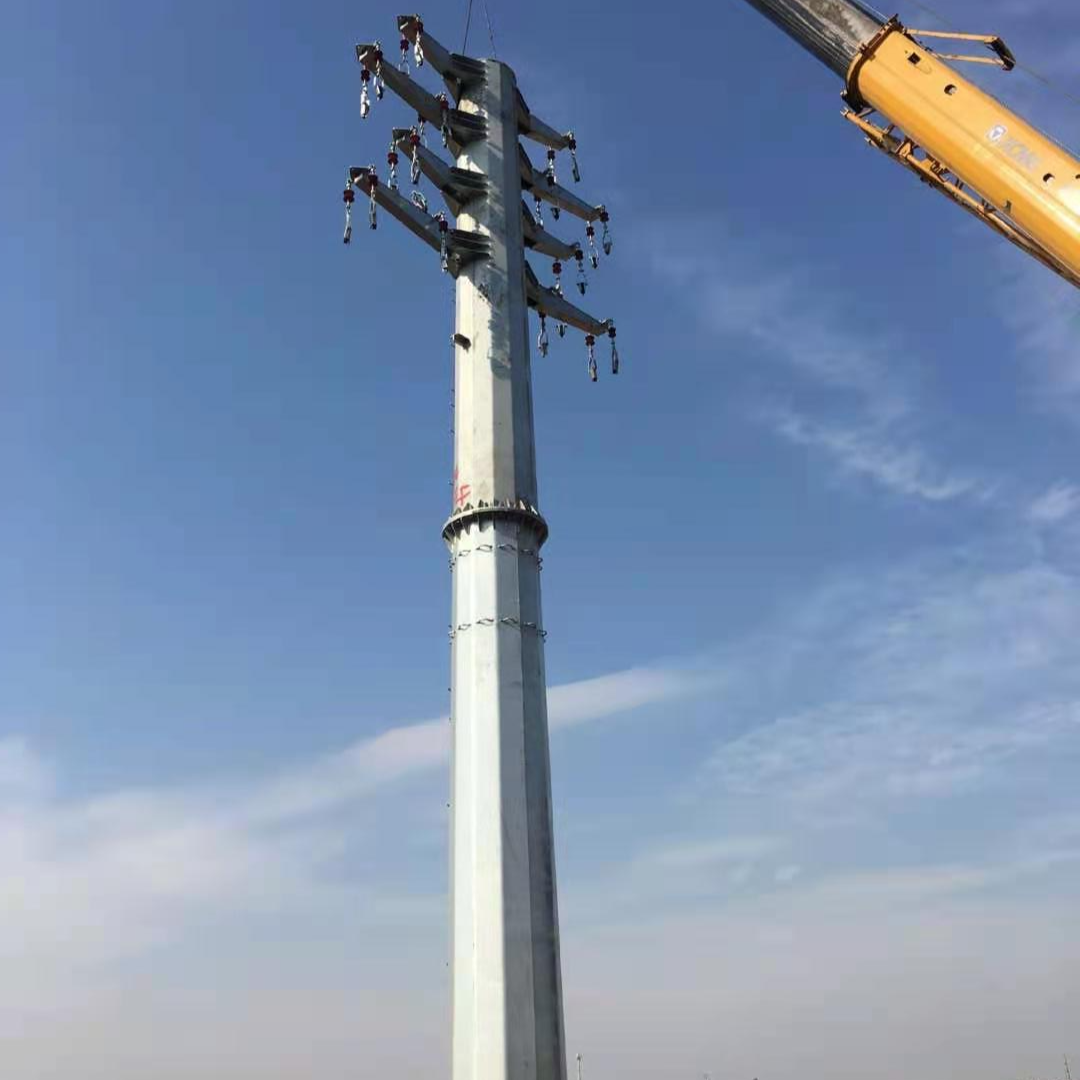
The GFL Lightning Rod Tower is a tall metal structure specifically designed to protect buildings, equipment, and personnel from lightning damage. Below, we'll detail it from various aspects, including definition, structural features, technical parameters, working principle, installation steps, maintenance requirements, and application scenarios.
1. Definition and Usage
GFL Lightning Rod Tower, also known as a lightning rod or lightning rod tower, is a tall metal structure designed to protect buildings, equipment, and personnel from lightning damage. It safely channels lightning currents into the ground, thereby preventing direct strikes on the protected objects.
2. Structural Features
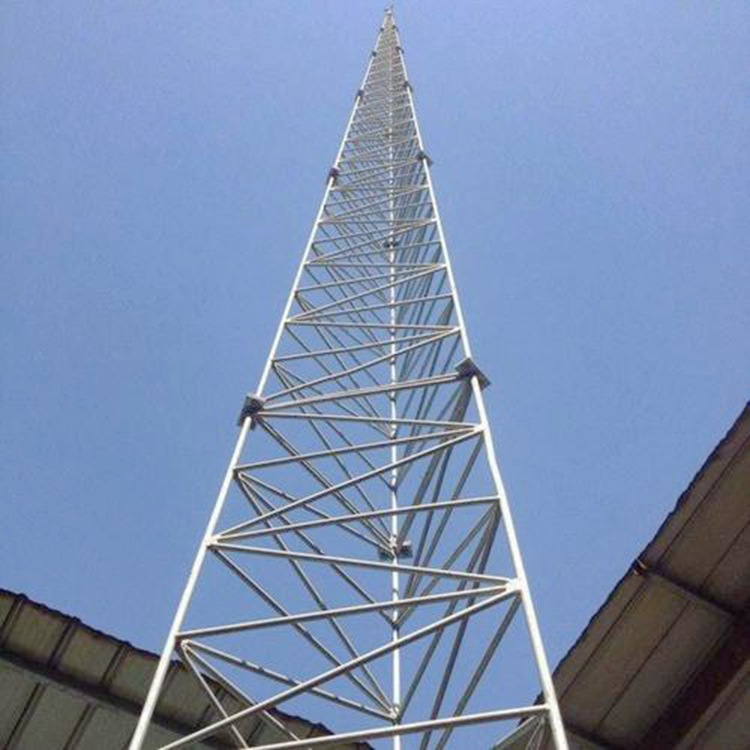
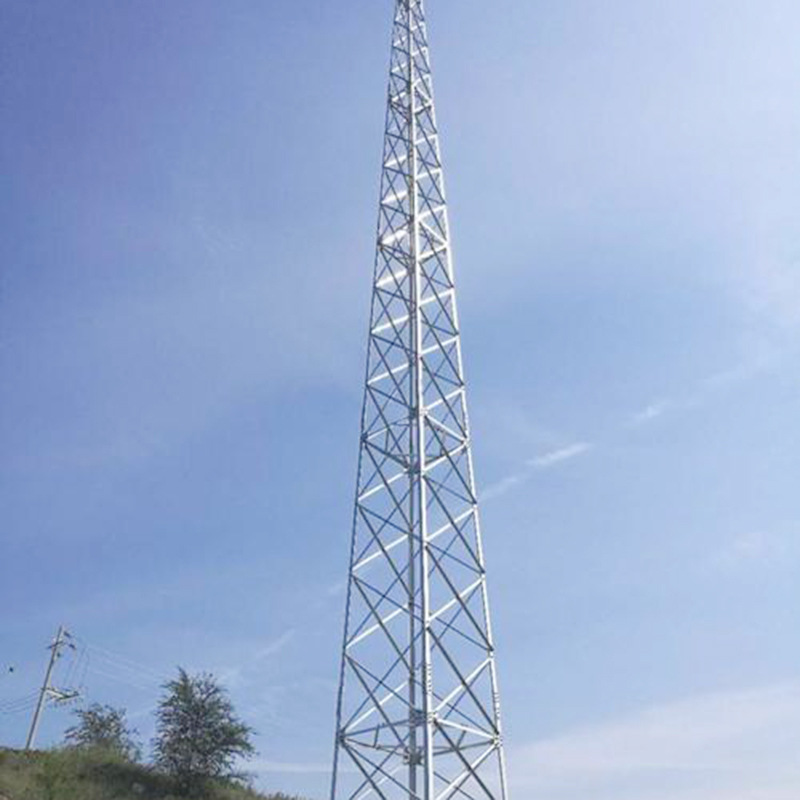
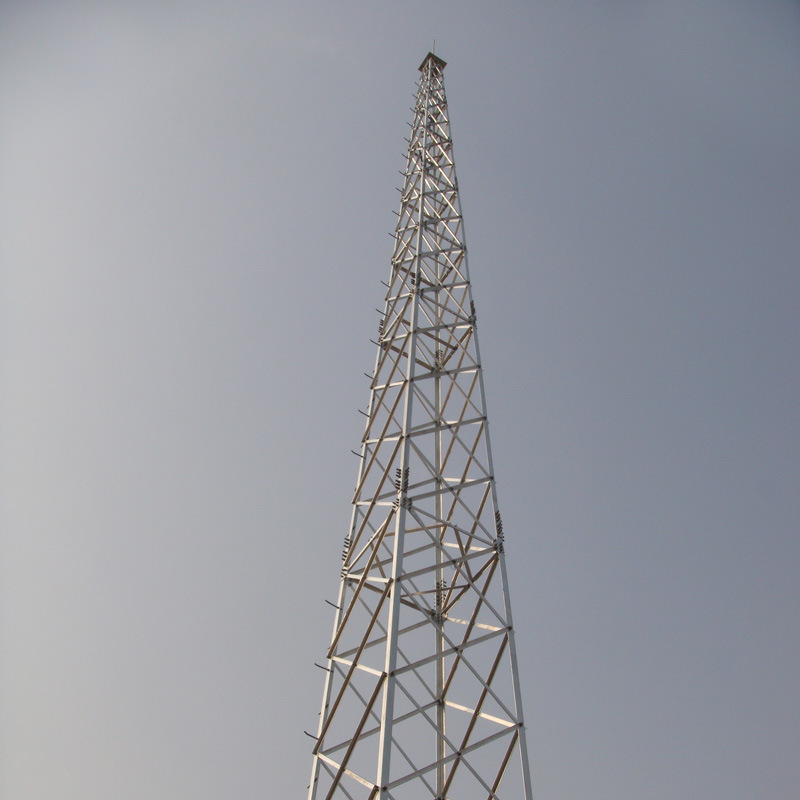
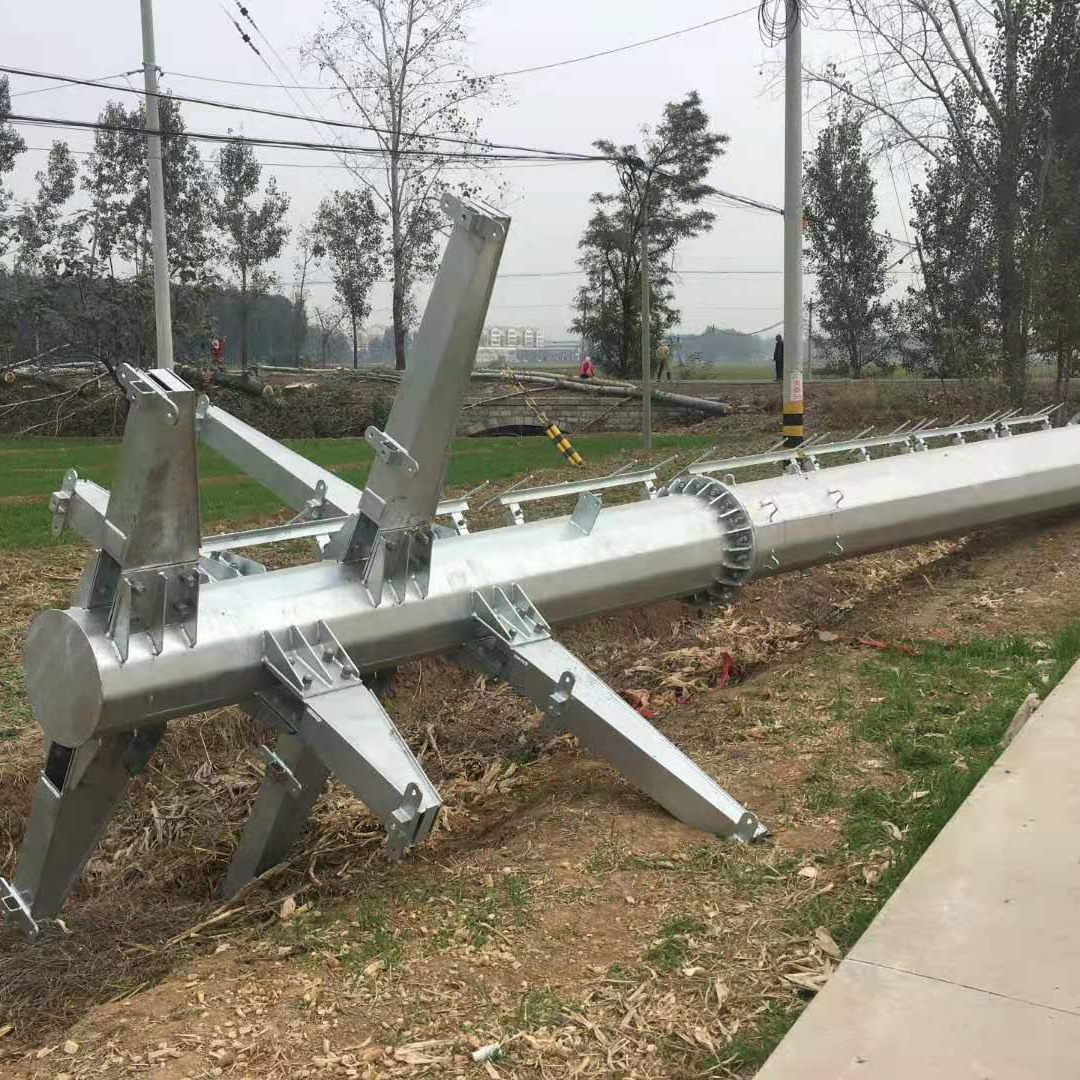
Frame Structure: The GFL lightning rod tower usually features a four-post structure, consisting of four angle steel columns and a lightning rod. The posts are connected by crossbeams, forming a stable rectangular structure. This design can withstand strong winds and lightning strikes.
Material: The tower is mainly made of hot-dip galvanized angle steel or steel pipe, such as Q235 or Q345 steel, which boasts excellent corrosion resistance and a service life of up to 30 years.
Connection Method: The four upright posts are reinforced with crossbars and diagonal bracing, enhancing overall stability. The tower columns are connected using external flanges, with bolts under tension, making them less prone to damage. Additionally, this design saves on steel and occupies less land area.
3. Technical Specifications
Height: The GFL lightning rod towers range in height from 15 meters to 40 meters, available for customization as per requirement.
Basic Wind Pressure: Typically 0.4 KN/㎡ or 0.7 KN/㎡, capable of withstanding various wind intensities.
Seismic Intensity: Suitable for areas with an earthquake intensity of 8 degrees or less.
Ice Thickness: Capable of withstanding up to 10mm of icing.
Corrosion Treatment: Utilizes hot-dip galvanizing process to enhance corrosion resistance.
Ground Resistance: The ground resistance is typically 1-10 ohms to ensure that lightning currents can be smoothly channeled into the earth.
Service Life: Up to 30 years under normal use and maintenance conditions.
4. Working Principle
The GFL lightning rod operates on the principles of sharp discharge and Faraday cage. Its top is designed in a pointed shape, which causes a rapid increase in the electric field strength when thunderclouds approach, ionizing the air to form a conductive path, thereby attracting lightning to the lightning rod. The lightning rod releases the overvoltage of lightning through the down conductor connected to the grounding system, achieving lightning protection and lightning prevention effects.
5. Installation Steps
Location Selection: Choose an appropriate location for the lightning rod tower based on the building's features and lightning protection requirements.
Prepare materials: Prepare the lightning rod tower main structure, lightning rods, lightning arrestors, grounding devices, and other materials.
Foundation Construction: Construct the foundation based on the specifications and requirements of the lightning rod tower, ensuring a stable foundation.
Tower main installation: Mount the lightning rod tower main onto the foundation, ensuring its verticality and stability.
Lightning Rod Installation: Mount the lightning rod at the top of the lightning rod tower, ensuring it is securely fastened and properly connected to the tower.
Grounding System Installation: Install the grounding system according to the design plan, including grounding grids and rods, ensuring all components are securely connected.
System Testing and Acceptance: After full installation, conduct testing and acceptance of the lightning rod to ensure all performance criteria meet requirements.
6. Maintenance Requirements
Regular Inspections: Check for corrosion on the tower body, and re-zinc plating should be applied if necessary; inspect the bolt tightness to ensure stability of the tower.
Clear surrounding debris: Keep the area around the lightning rod clear and clean to prevent mechanical damage or chemical corrosion to the tower structure.
Professional Maintenance: During use, be cautious to avoid mechanical damage or chemical corrosion to the tower to ensure its lightning protection effectiveness and service life.
7. Application Scenarios
GFL lightning rods are widely used in various locations requiring lightning protection, such as:
Petroleum & Petrochemical Industry: Refineries, gas stations, chemical plants, etc.
Electric Power Industry: Substations, power plants, high-voltage transmission lines, etc.
Transportation Industry: Airports, communication base stations, radar stations, etc.
Other Locations: Warehouses, outdoor venues, construction sites, etc.


