


- AllProduct Category
-
Smart Flow Control Well
Smart Diversion Equipment
Regulation Pond Cleaning Equipment
Anti-backflow Equipment
Waste Water Screening Equipment
Building Rainwater and Sewage Separator
Integrated Pre-Made Pump Station
Smart Water Management Cloud Platform





详情描述
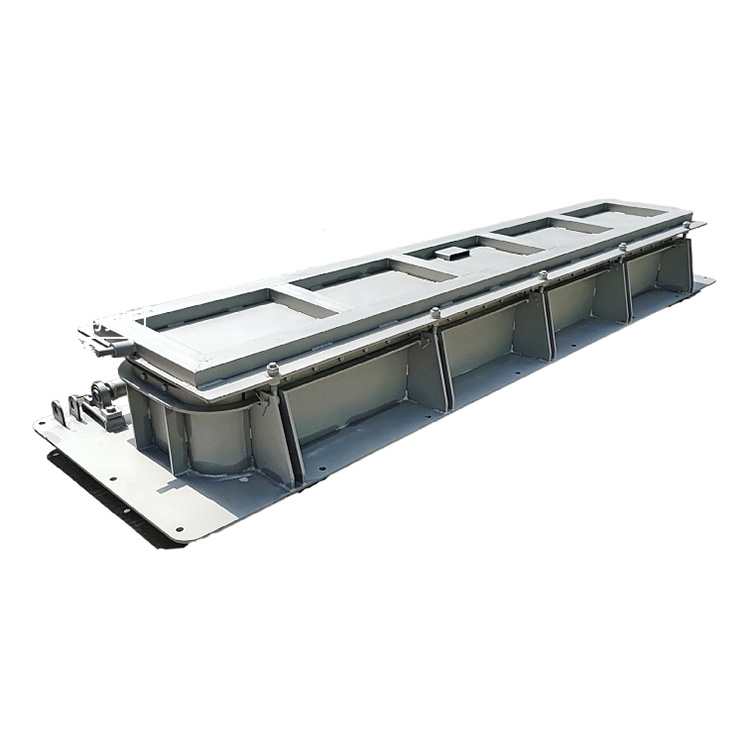
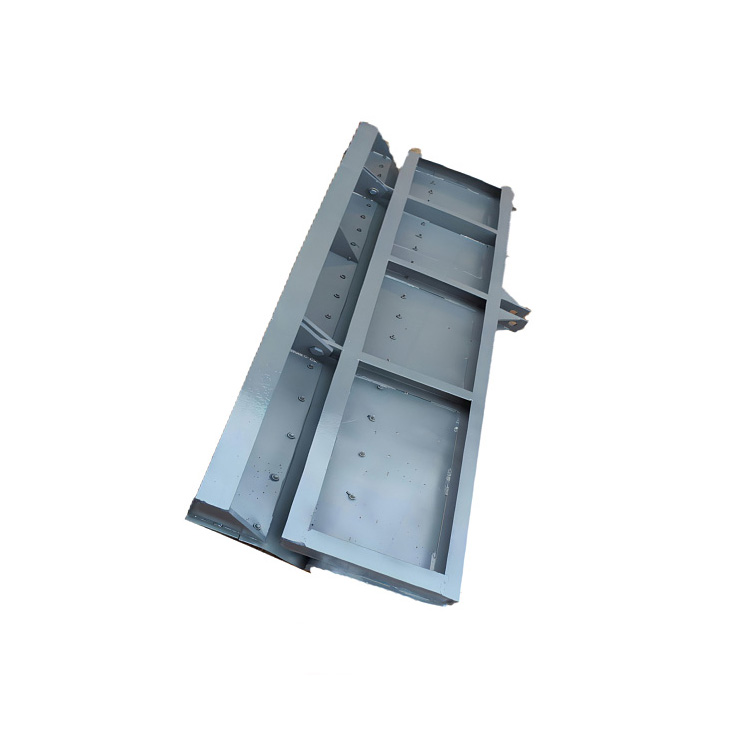
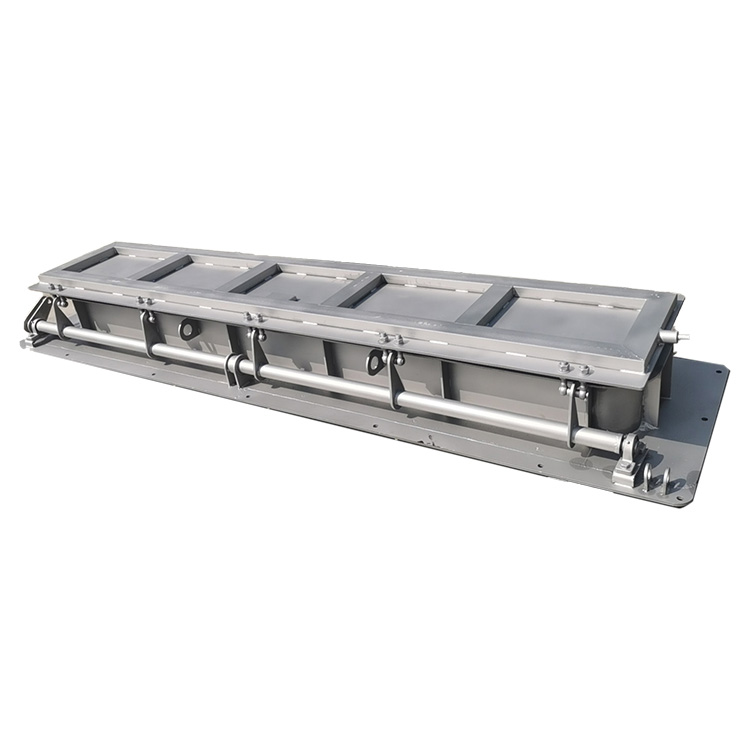
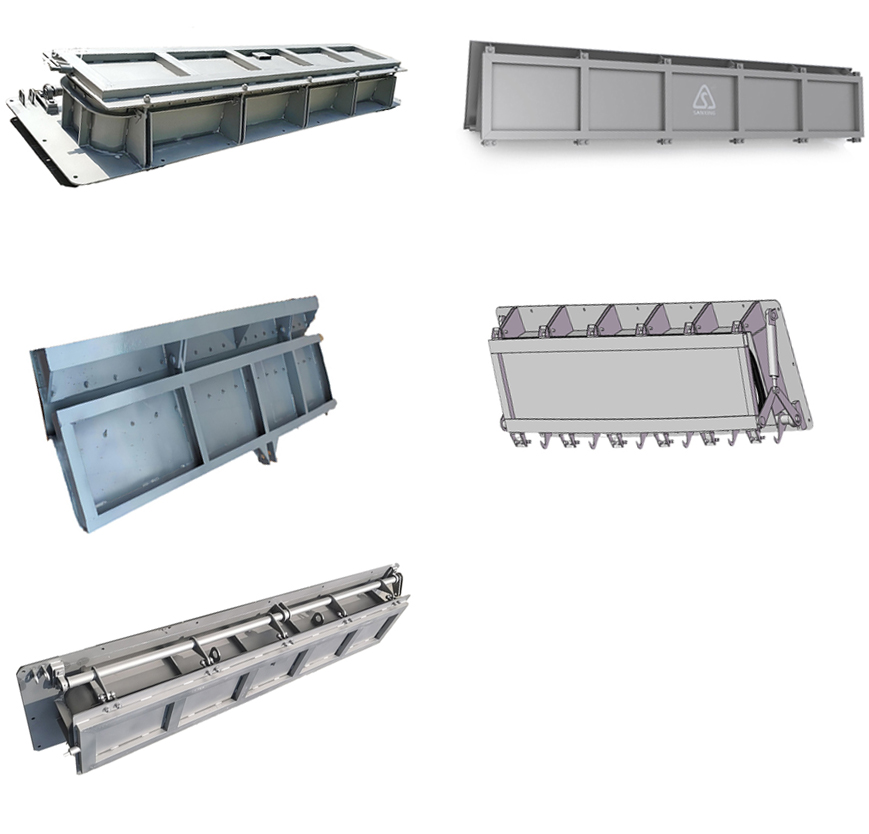
Hydraulic flushing door
Operating Principle
(1) Water Storage: The flushing channel of the rainwater retention pond is separated from a single storage room, which is used to store incoming water during regular inflow and serves as a flushing water source for cleaning the retention pond.
(2) Open the flushing door: When pollutants settle at the bottom of the pool and require cleaning, first drain the air conditioning storage pool. Then, activate the hydraulic system through the PLC control system to open the flushing door and begin cleaning the corridor.
(3) Flush: After the flush door is opened, a powerful flushing water flow is generated from the water source within the storage room, flushing the bottom of the regulating pool. Once the flushing is complete, the flush door returns to its original position, ready for the next water storage and flushing cycle.
Technical Advantages
(1) Excellent flushing performance, with an effective flushing length exceeding 100m in a single flush.
(2) Submerged non-electrical components, featuring automatic control by hydraulic systems.
(3) Noise-free operation, no external power required, environmental protection and resource-saving equipment.
(4) On-site real-time monitoring, PLC remote control
(5) Made of stainless steel, the structure is sturdy and durable.
Application Scope
Suited for storm inlets or drainage ditches
Rainwater can be used as a flushing medium, hence no separate water supply is required.
The design of the flushing system is to provide a 3.0-meter high flushing column. These gates have undergone a 4-meter water pressure test in the factory.
The water tank capacity will not be reduced due to the flushing chamber.
The gate will only close when water flows into the tank/trough. This prevents damage to the seal that may occur due to the gate closing in most cases. Thus, maintaining the efficiency of the system over a longer period.
The door's operation does not require electricity.
Gate equipped with a special self-retaining mechanism for safe closure
Quick-hole-making mechanism with long holes on the piston rod.
Principle
The gate flushing system utilizes the stored water in the regulating pond. When the pond is emptied, it instantly releases the stored water, forming a powerful, sweeping jet of kinetic energy at the bottom of the gate. This jet effectively washes the pond without any external power or complex control systems. The waves created by the jet lift up the sediment at the bottom of the pond, carrying it to the collection pump at the end of the pond, where it is then pumped away or removed by other means. The stored water is entirely from the pond's own water body, or an external water source can be chosen. After each change from high to low water level, a flushing process is triggered. The storage of water is controlled by the flushing gate. The number of flushing gates is designed based on the size of the regulating pond. Instantly opening the flushing gates produces a strong water flow to clean the channel. A large volume of flushing water can effectively wash away any dirt in the channel.
The gate flushing system operates as follows:
Divide the rainwater storage pond into several long rectangular flushing corridors. At the beginning of each corridor, a storage pond (located to the left of the flushing gate in the diagram) and a flushing gate are installed, while at the end, a water collection pit is set up.
During the reservoir's empty condition, the pool is devoid of water, and the flushing door is in a relaxed pool-open state. In heavy rain, rainwater enters the reservoir, causing the water levels in both the reservoir and the storage pool to rise. Once the water level in the pool reaches the set value, the flushing door closes via control signals from the pool's level sensor. When the rainwater reservoir is emptied, solid sediments such as mud, debris, and fragments remain at the bottom. As the water level in the collection pit drops to the set value, the flushing door opens via control signals from the pool's level sensor, instantly releasing the stored water from the storage pool. The bottom of the flushing door喷射出a powerful, surfing-style jet stream. The waves formed by the jet stream lift up the sediments at the bottom, flushing them to the collection pit at the end of the rainwater reservoir, and then they are pumped out through the drainage pump.
After rinsing, the rinsing door closes slowly by its own weight, assisted by the damper, until the next cycle.
Design Parameters
Channel width for washing: approximately 2-5m
Channel length for rinsing: 100m
Washing Door Width: 2800mm
Hydraulic pipeline length: Not exceeding 150 meters
Total installed power: 0.75 kW
Water Tank Inclination: 1:10 - 1:5
询价单


