
 Spiral Pipe - Shantou Bridge Support Spiral Pipe Manufacturer
 Bridge Support Spiral Pipe, Jieyang Piling Spiral Pipe Manufacturer
 Q235B steel casing, Shenzhen large diameter steel casing processing factory
 Q235B Spiral Pipe, Wan Ning Spiral Welded Pipe Manufacturer
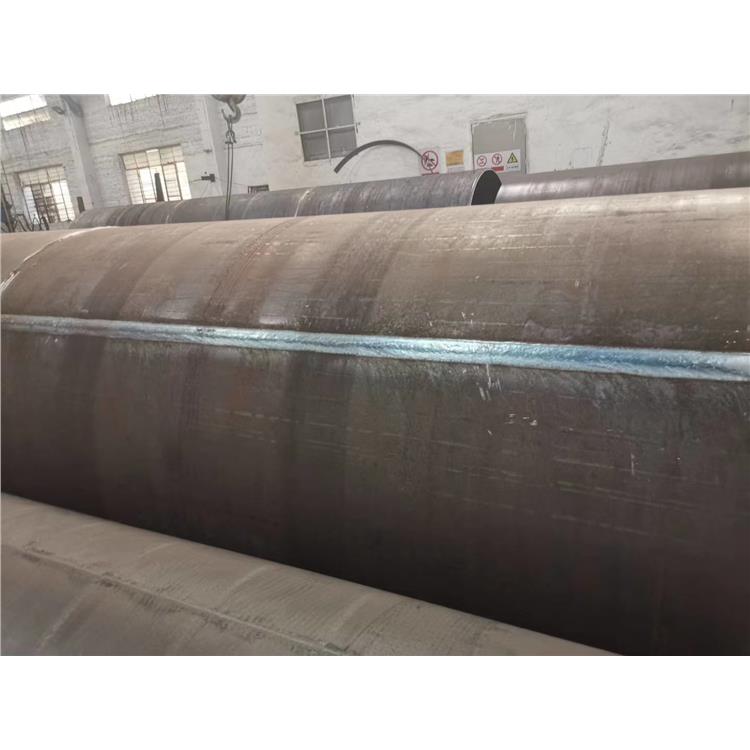 Welded Steel Pipe, Wanming Welded Steel Pipe Price List
 Spiral Pipe, Maoming Q235B Spiral Pipe Price List
 Welded Steel Pipe - Zhanjiang's Leading Manufacturer of Welded Steel Pipe
Product Details

Spiral Pipe Manufacturer, Welded Steel Pipe Manufacturer, Steel Casing Manufa...
Soule Star Diamond Member
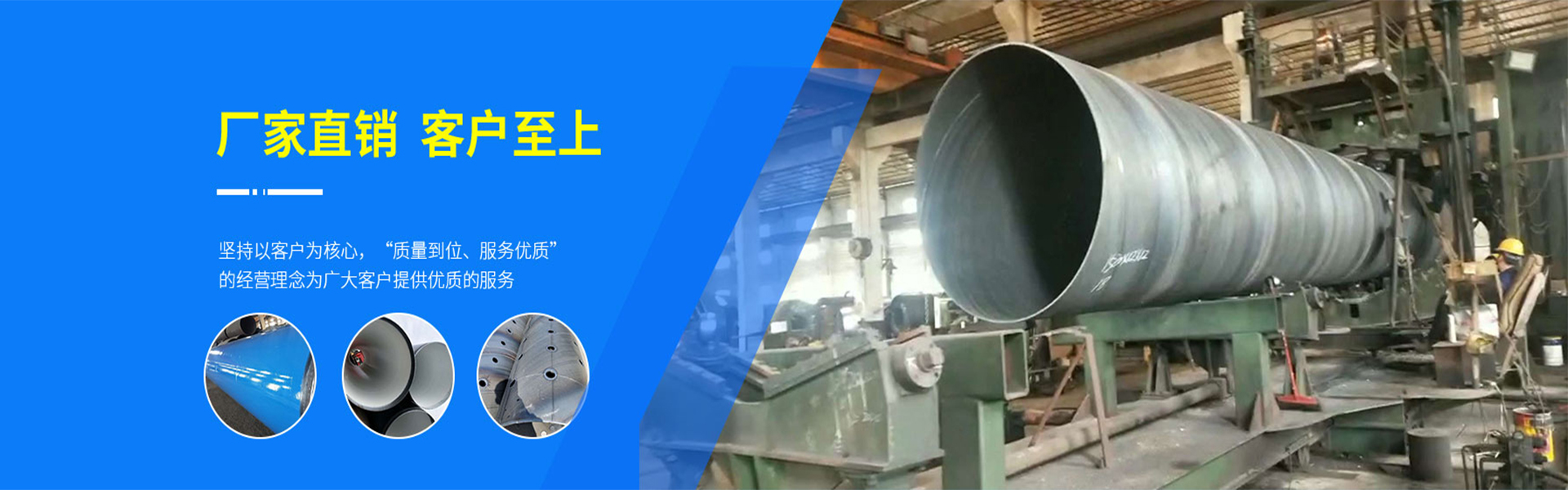
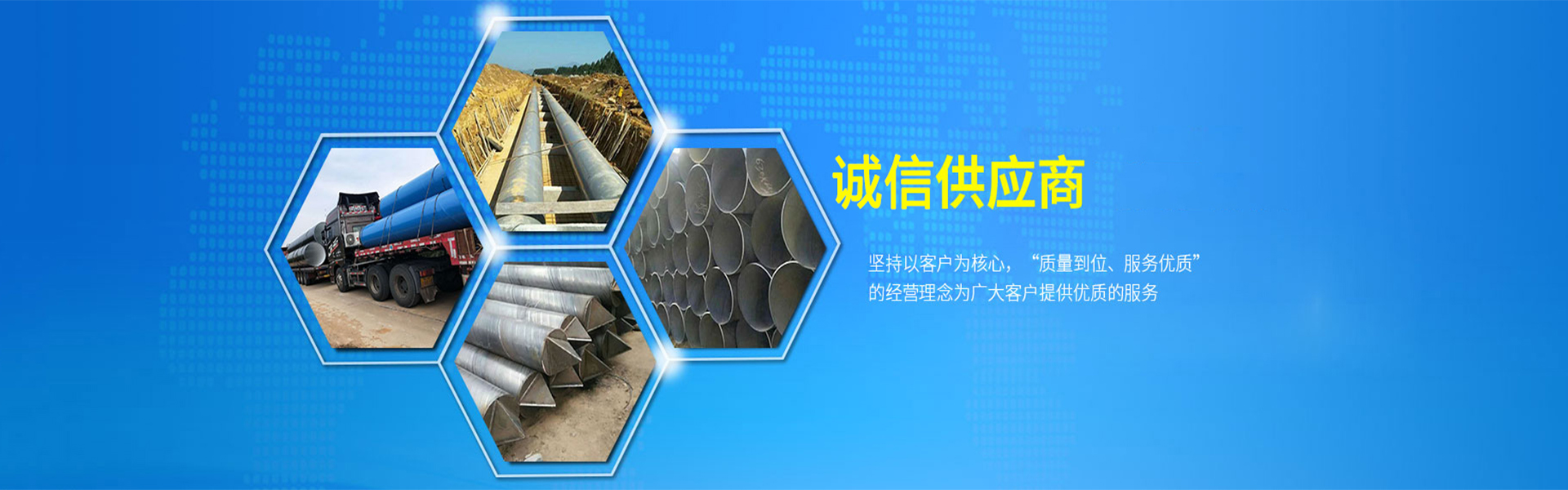


产品Price 3300.00/ton
最小起订Quantity:1 ton 供货总Quantity: 1000 ton


Steel sleeve engineering quantity calculation factors: 1. In the steel casing quota, the turnover and allocation for dry placement are calculated based on the design quality of the casing, and no additional calculation is allowed when using the quota. For underwater placement, the full design quality of the casing is included in the quota, and the recycling amount can be used to calculate the recycling amount according to the design (usually not calculated, as recycling the casings buried in regular water bodies can incur significant costs, akin to picking up sesame seeds while losing watermelons). 2. As the定额for placing steel casing in dry areas accounts for amortization (budgeted for 10 amortizations), the calculation in water is based on the full design quality, and the recoupment amount is calculated according to the design-specified recoupment quantity. Therefore, it is necessary to calculate the quantity and quality of the steel casing in both dry and water areas based on the actual water level survey (usually, this level of detail is not considered by the lazy). 3. The定额 for protective sleeves includes the consumption of materials and equipment used for burying the sleeves on land, such as clay, and for positioning in water with guide frames, as well as ironwork, mortar, and other materials for steel or reinforced concrete sleeve joints. No separate calculation is allowed when using the定额. 4. When constructing using island cofferdams or in-water island methods, the steel sheet piles can be buried as per dry land calculations. 5. Steel casing tubes should be buried in dry conditions, with a control of 2m per pile. Generally, each section of the casing is made to be 2m long (the actual length is based on requirements and calculated accordingly). When burying the casings in dry areas, the design typically requires a depth of 1.8m into the ground, with 0.2m of clay compacted around it (already accounted for in the quota), making the total length 1.8m + 0.2m = 2m. 6. When using grass bag cofferdams, the top of the steel protective tube should be elevated 0.5-1m above the cofferdam top, and the bottom should generally penetrate the original ground level. The depth into cohesive soil should not be less than 2m, and for sandy soil, it should be at least 3m. 7. The inner diameter of the steel casing in water is generally 20-30cm larger than the pile diameter, and for piles with large bore diameters, it should be at least 40cm larger. The length of the casing must be calculated based on the construction plan, with the top generally 1.5-2.0m above the construction water level (this figure differs from some textbooks; it is recommended that teachers who compile textbooks visit the site more often), and the bottom should penetrate the permeable layer (within a water depth of 5m, the soil depth should generally not be less than 3m; the specific depth will be provided by the design). 8. The quantity of steel casing is calculated based on the design quality, which includes the finished product quality after processing, plus the weight of all steel components such as stiffeners and connection flanges. If the design does not provide the steel casing quality, refer to the "Highway Engineering Budget Quotas" (JTG/T B06-02-2007) P340 for the per-meter quality table (the data in this table was based on the national average level at the time of the 07 quota compilation, and the wall thickness of the current steel casing is thicker than before). 9. If the pile diameter varies, most people would interpolate the calculation based on the P340 per-meter weight table. However, this is not rigorous because steel casing with different inner diameters have varying wall thicknesses and actual inner diameter expansion values. How to bury steel casing during rotary drilling construction: The steel casing embedding is the beginning of the rotary drilling rig construction. The steel casing should be accurately positioned and vertically aligned. The area around the steel casing and the base should be tightly sealed and waterproof. During the embedding of the steel casing, a control pile should be used for layout to mark the drilling position at the bottom of the hole. Steel casing precautions: 1. The inner diameter of the sleeve should be 20-40cm larger than the pile diameter. The central vertical line of the protective sleeve should align with the center line of the pile. Unless otherwise specified in the design, the allowable plane error is 50MM, and the vertical line slope should not exceed 1%. The location can be measured in dry areas, while in water areas, it can rely on the guide frame for alignment. 3. For land reclamation and island construction, the protective casing can be buried by digging a pit; the clay soil filled at the bottom and around the casing must be compacted layer by layer. 4. The placement of waterway protection sleeves should strictly adhere to the flat positioning, vertical inclination, and the connection quality of the two sections of the sleeves, all of which must meet the aforementioned requirements. During the immersion process, methods such as weighting, vibration, hammering, and the assistance of soil removal inside the sleeve can be employed. 5. The protective casing should be elevated 0.5 meters above ground level or 1.0 to 2.0 meters above water level. When there is pressurized water inside the borehole, it should be higher than the stabilized pressurized water level by more than 2.0 meters. If the pressurized water level is unstable or significantly higher than the groundwater level after stabilization, a trial pile should be conducted first to assess the feasibility of using bored pile foundations in such areas. In areas affected by tidal waters, the casing should be elevated 1.5 to 2.0 meters above the high construction water level, and measures to stabilize the water head inside the protective casing should be adopted. 6. The embedment depth of the casing should be determined based on design requirements or the hydrogeological conditions of the pile location. In clay, it should not be less than 1.0m, and in sandy soil, it should be no less than 1.5m. Generally, the embedment depth should be between 2 to 4 meters, and it should be increased as necessary to ensure the smooth progress of drilling and concrete pouring. For riverbeds affected by erosion, the casing should be sunk below the local erosion line by at least 1.0 to 1.5 meters. For bored piles affected by water level fluctuations or underwater construction, the height and depth of the casing should be increased, and if necessary, it should be driven into the impermeable layer. 7 The joint of the sleeve should have no protrusions inside, and it should be resistant to tension and pressure, as well as leak-proof. Steel casing is used during the process of artificial excavation of pile holes due to unstable soil conditions, as it presents significant difficulty in constructing reinforced concrete walls. Therefore, steel casing is adopted to protect the pile holes, preventing collapse and ensuring the progress and safety of the construction.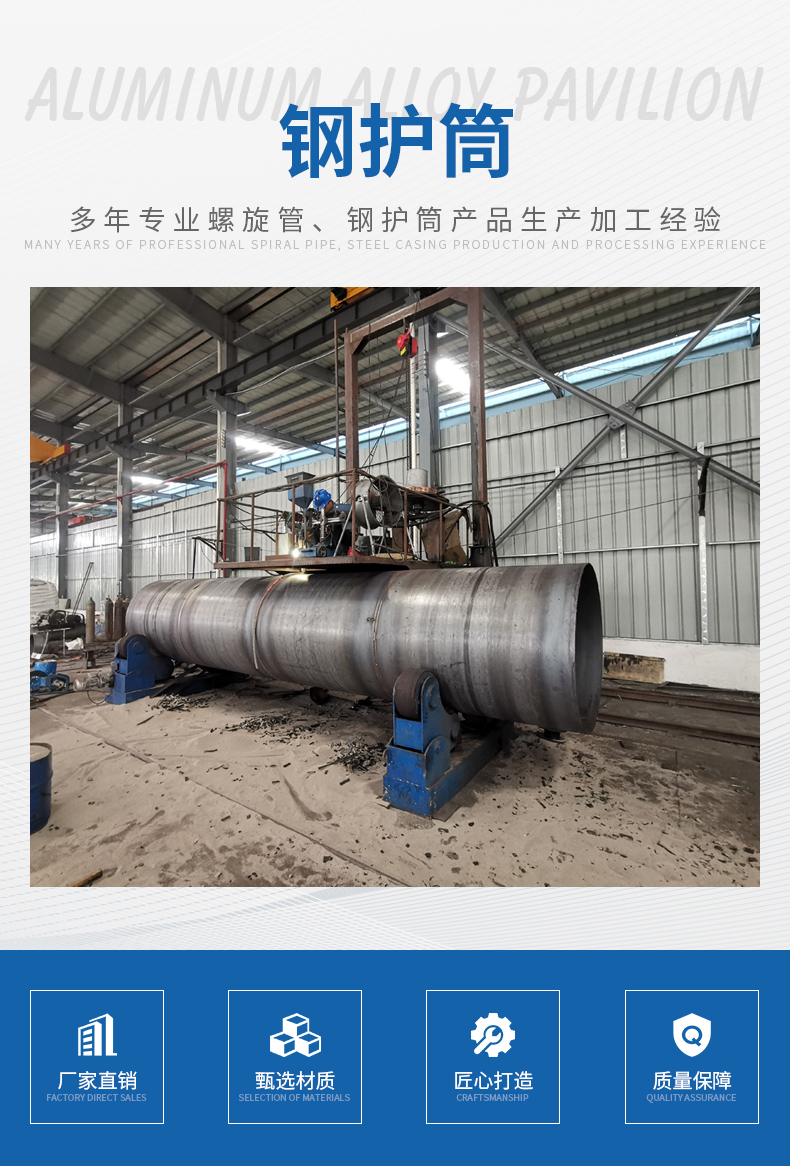


Phone Consultation