
 Spiral Pipe - Shantou Bridge Support Spiral Pipe Manufacturer
 Bridge Support Spiral Pipe, Jieyang Piling Spiral Pipe Manufacturer
 Q235B Spiral Pipe, Wan Ning Spiral Welded Pipe Manufacturer
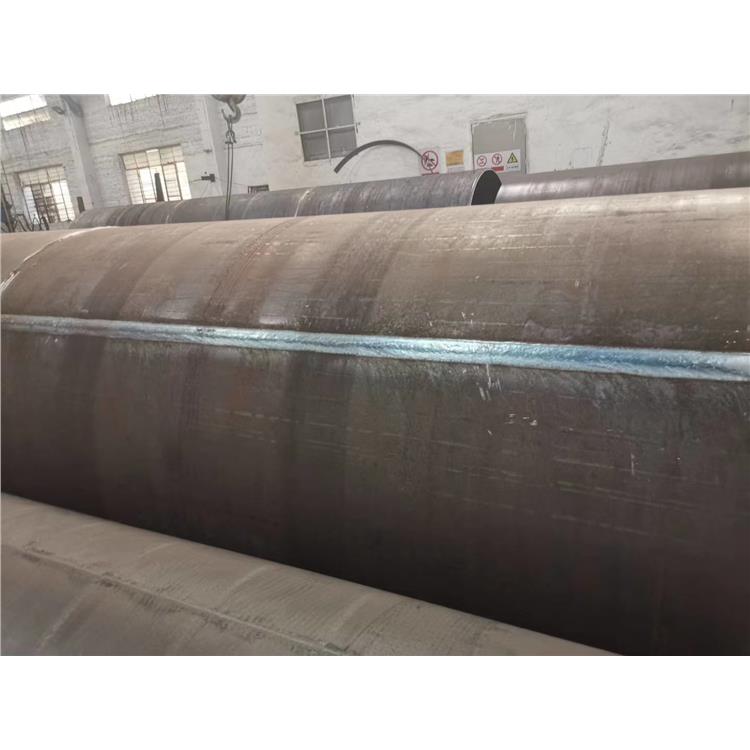 Welded Steel Pipe, Wanming Welded Steel Pipe Price List
 Spiral Pipe, Maoming Q235B Spiral Pipe Price List
 Welded Steel Pipe - Zhanjiang's Leading Manufacturer of Welded Steel Pipe
Product Details

Spiral Pipe Manufacturer, Welded Steel Pipe Manufacturer, Steel Casing Manufa...
Soule Star Diamond Member


产品Price 3300.00/ton
最小起订Quantity:1 ton 供货总Quantity: 1000 ton


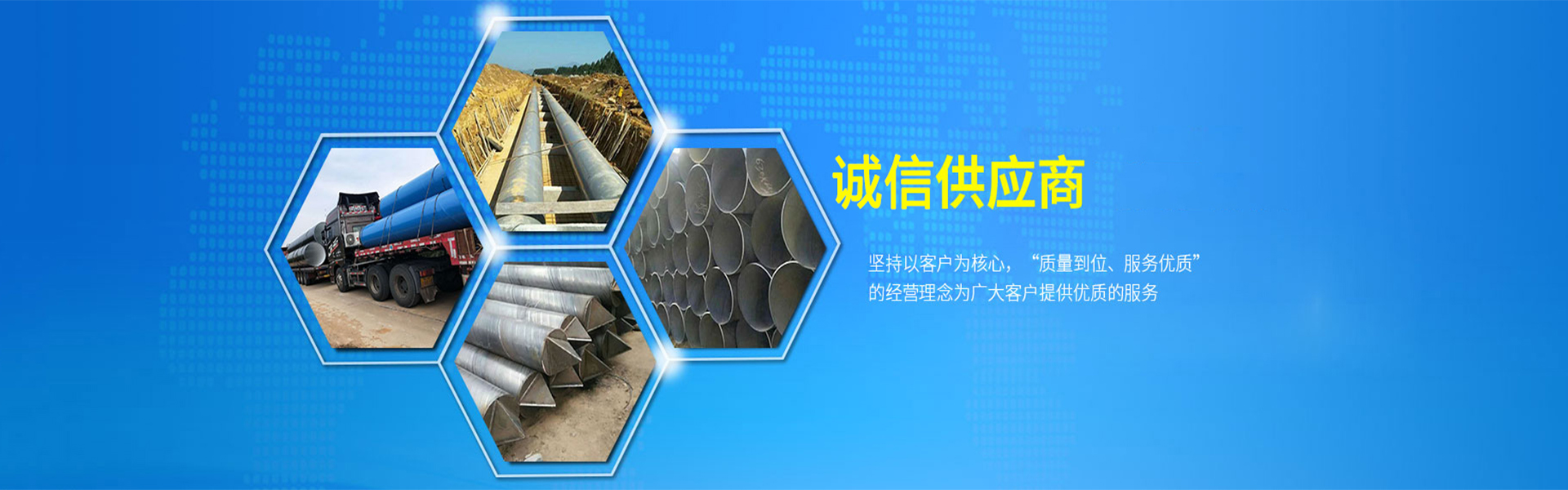
Steel casing is a hollow cylindrical drum made by wrapping iron sheets around a hole pile of a certain size, usually 20-40cm larger than the pile diameter. The burial depth is determined by the soil characteristics, with the deviation in the plane position not exceeding 5cm and the slope less than 1%. Steel pipe casing manufacturing: According to construction requirements, protective sleeves are manufactured using 10mm thick steel plates, rolled to a diameter of 150cm and each section is 1.8m tall. To reinforce the sleeves against deformation upon encountering hard objects during the sinking process, a 10mm thick, 30cm wide steel strip is welded at both the top and bottom openings. The sleeves are rolled and section-welded at the factory (with individual lengths generally not exceeding 10 meters), and then transported to the platform. Steel casing function: It can stabilize the hole wall, prevent collapse, isolate surface water, guide the drill bit, fix pile position, and protect the original working surface, etc. Steel casing properties: Generally larger than pile diameter by 20-40 cm, burial depth is determined by soil characteristics, the deviation in plane position must not exceed 5 cm, and the slope must be less than 1%. Steel casing project quantity calculation considerations: 1. In the steel casing定额, dry placement is included in the quota based on the turnover of the casing design quality, and no additional calculation is allowed when using the quota; underwater placement is included in the quota based on the full design quality of the casing, and the recycling amount determined by the design can be used to calculate the recycling amount (usually not calculated, as the cost of recycling the casing commonly buried in water is also substantial, akin to picking up sesame seeds while dropping watermelons). 2. Since the定额for embedding steel casing in dry areas accounts for turnover amortization (with a定额of 10 amortization installments), the quantity is calculated based on the full design quality in water, and the recycling amount is determined according to the design-specified recycling quantity. Therefore, it is necessary to calculate the quantity and quality of the steel casing in both dry and water areas based on the actual water level survey (usually not something a lazy person would consider in detail). 3. The定额 for the protective sleeve includes the consumption of materials and equipment for in-situ burial, such as clay for land burial, guide frames for underwater burial positioning, and ironwork, mortar, etc. for the joints of steel or reinforced concrete sleeves. The consumption of these materials and equipment shall not be separately calculated when using the定额. 4. When constructing using island cofferdams or islands in water, the steel sleeve can be buried at the dry location for calculation purposes. 5. Steel casing tubes are buried in dry locations, with a control of 2 meters per pile. Generally, each section of the casing is made to a length of 2 meters (actual length depends on requirements), when burying the casings in dry locations, the design usually requires a depth of 1.8 meters into the ground and filling the surrounding area with 0.2 meters of clay (which is already accounted for in the quota), totaling 1.8m + 0.2m = 2m. 6. When using grass bag cofferdams, the top of the steel shield tube should be elevated 0.5-1m above the cofferdam top, and the bottom should generally pass through the original ground level. The depth into cohesive soil should not be less than 2m, and into sandy soil, not less than 3m. 7. The inner diameter of steel casing in water is generally 20-30cm larger than the pile diameter, and for large-diameter bored piles, it should be at least 40cm larger. The length of the casing must be calculated based on the construction plan, with the top generally 1.5-2.0m above the construction water level (note: this figure may differ from some textbooks; it is recommended that teachers who compile textbooks visit the site more often), and the bottom should penetrate the permeable layer (within 5m of water depth, the soil depth should generally not be less than 3m; the specific depth will be provided by the design). 8. The quantity of steel casing is calculated based on the design quality, which refers to the finished product quality after processing, including the quality of stiffeners and connecting flanges, etc., all of the steel. When the design does not provide the quality of the steel casing, refer to the "Highway Engineering Budget Quotas" (JTG/T B06-02-2007) P340 for the per-meter quality table for calculation (the data in this table was taken from the national average level during the compilation of the 07 quotas, and the wall thickness of the current steel casing is thicker than before). 9. If the pile diameter varies, most friends would interpolate calculations based on the P340 per-meter weight table, but this is not rigorous, as steel casing with different internal diameters have varying wall thicknesses and actual internal width increments.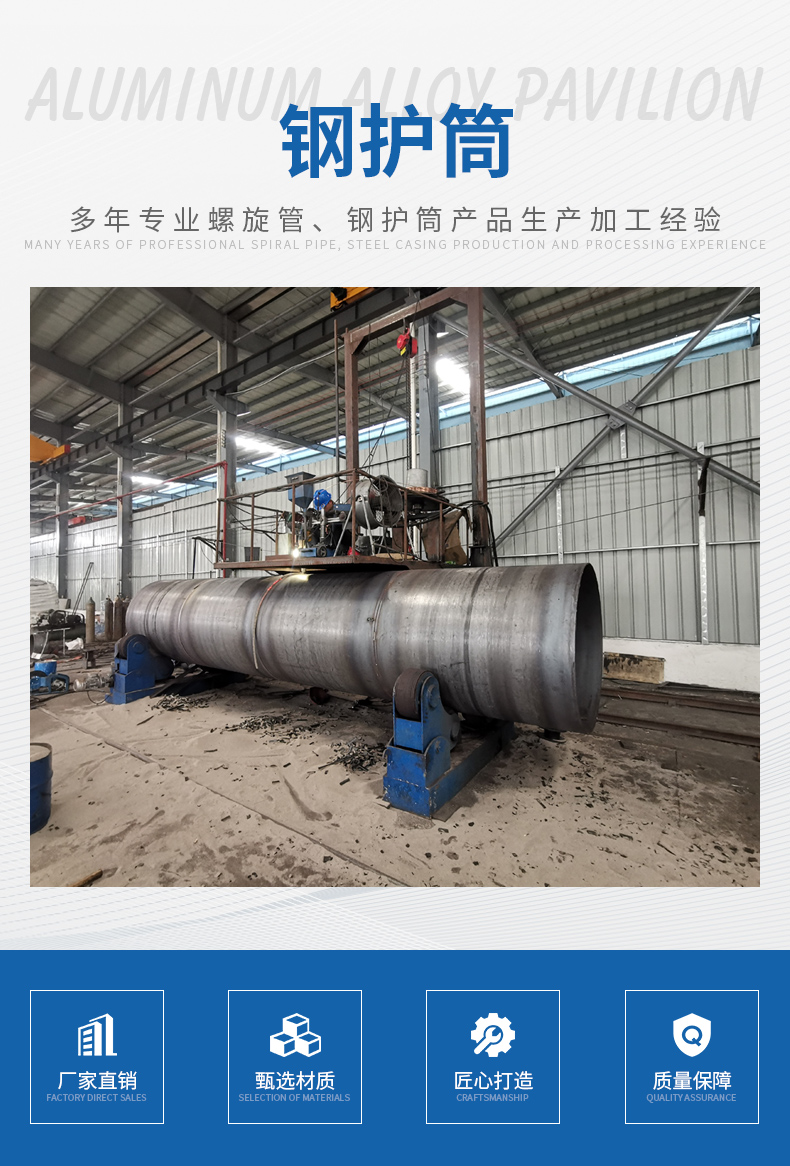

Phone Consultation