


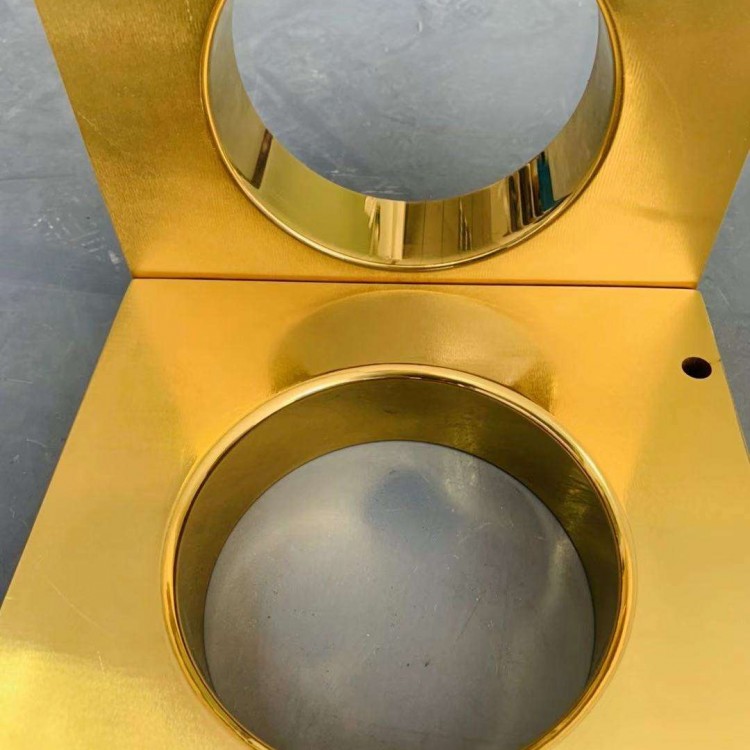
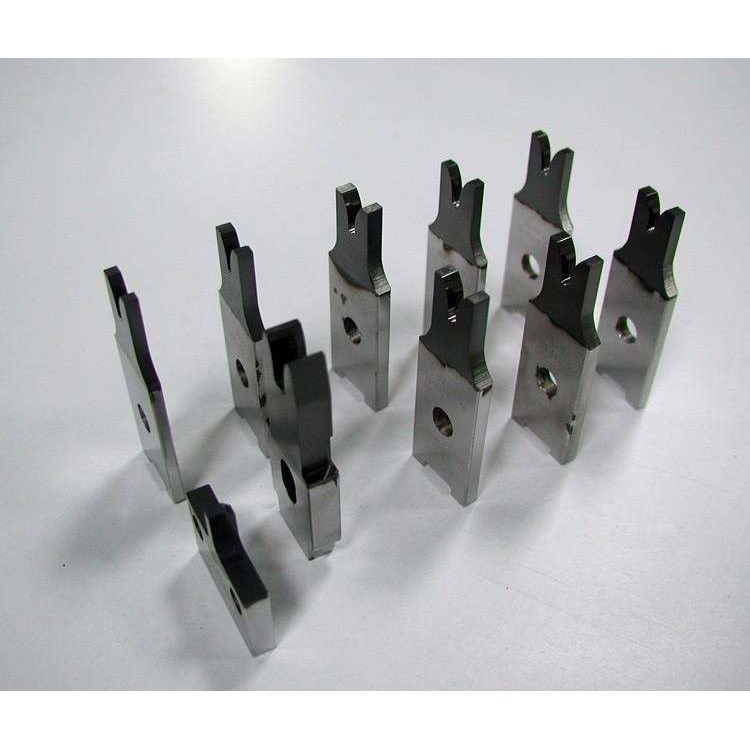
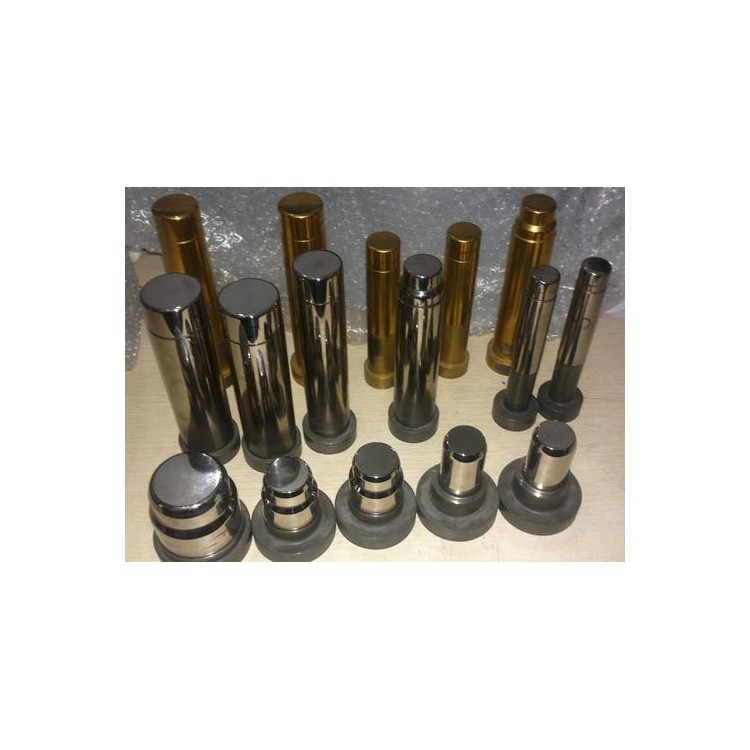
Titanium plating processing can protect the high mirror finish molds, which have high processing costs. Suitable high-gloss, high-hardness coatings, such as mold titanium plating, ensure that the surface finish is not affected while also reducing the cost of repairs.
Titanium Plating Manufacturer Shares Application Instructions Post Titanium Coating
Titanium PVD (Physical Vapor Deposition) film technology was initially applied in the late 1970s to enhance the mechanical properties of hard coatings. The resulting films offer high hardness, low friction coefficients, excellent wear resistance, and chemical stability. The successful application of vacuum镀钛膜 in high-speed steel sparked significant interest across the global manufacturing industry. As people develop high-performance, high-reliability coating equipment, vacuum镀钛膜 is also being further researched for its coating applications in hard alloys and ceramics. The PVD process for vacuum镀钛膜 has no adverse environmental impact, aligning with the modern trend of green manufacturing.
What is "nano" in nano titanium plating processing?
What does "nano" mean in nano-titanium plating? "Nano" is the English pronunciation of "nanometer," a unit of measurement in physics, which is one billionth of a meter; it's the length equivalent to 45 atoms lined up. To put it simply, it's one ten-thousandth the thickness of a hair. The plating factory believes that just like millimeters and micrometers, nano is a standard concept without physical meaning. When a material reaches the nano-scale, roughly between 1 to 100 nanometers, its properties undergo a dramatic change and exhibit special functions. Materials with these special properties, which are different from the atoms and molecules in their original composition and also different from microscopic substances, are referred to as nanomaterials.
1. Improve mold demolding properties, reduce adhesion between products and molds, enhance product quality, and avoid product contamination from release agents. Increase mold surface hardness, and minimize damage to the molding surface.
2. The coating boasts high hardness, making it highly resistant to damage from high-pressure rinsing and abrasives, thereby extending the mold's lifespan.
3. Protect High-Reflective Molding
Mirror mold processing costs are high; an appropriate coating ensures that the surface finish is not affected while also reducing repair costs.
4. Protecting Machined Surfaces (e.g., Precision EDM Machining Surfaces)
A substantial number of products require a rough surface for functional purposes, which increases the processing costs of the injection mold forming surface. However, an effective coating can protect the labor-intensive and time-consuming work surface.
5. Mold accessories feature oil-free lubrication
The ejector pins of the injection mold can achieve oil-free lubrication after coating, which not only prolongs the mold's lifespan but also eliminates the need for secondary product cleaning.
6. Significantly increase the mold life for materials with added grinding agents and glass fibers.
The addition of injection molding production with these hard materials, as different materials are subject to erosion and action wear that accelerate mold wear-out, the application of a hardness coating can completely solve this issue.
Die casting mold PVD coating
