



- AllProduct Category
-
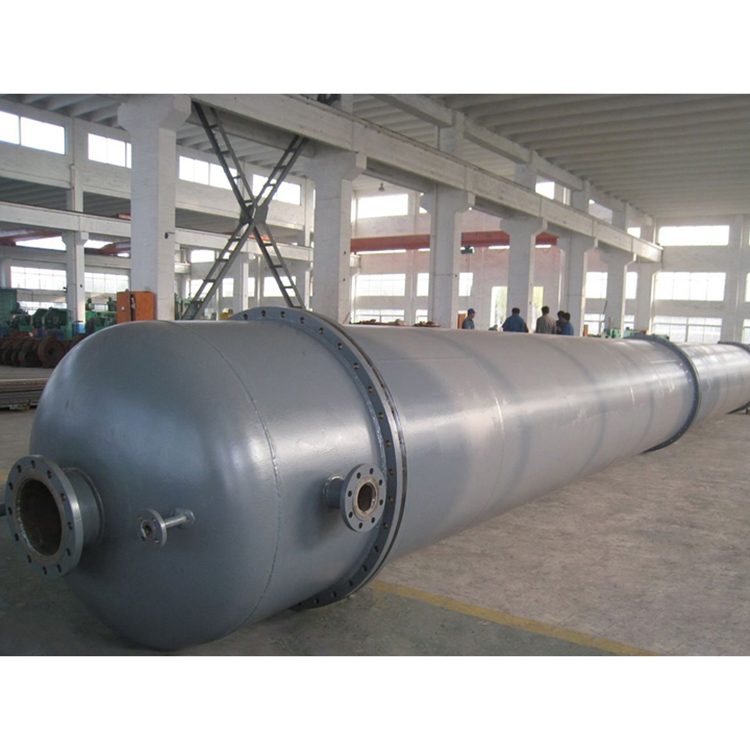
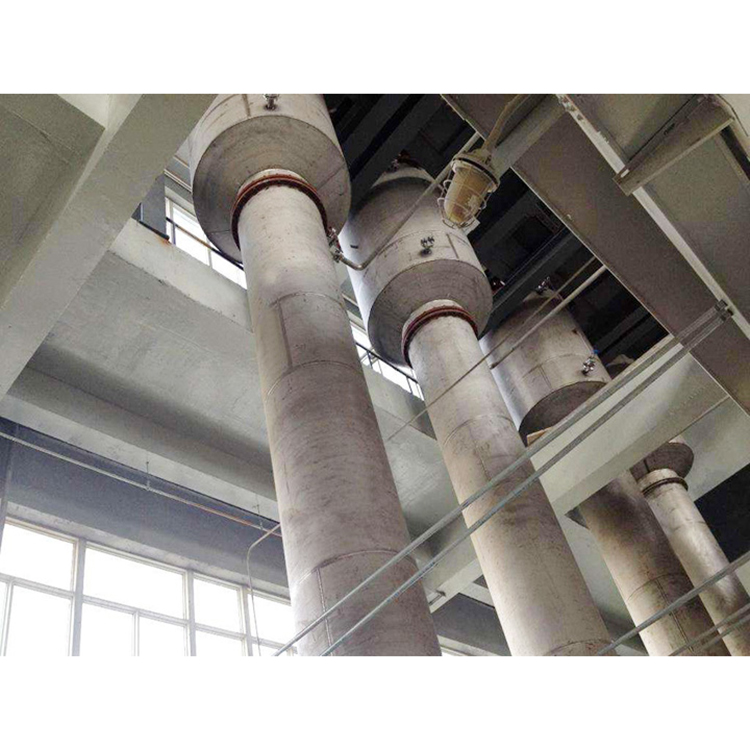
Extraction Tower
Rotary Extract Tower
DMF Recovery Tower
Tower Equipment
Biodiesel Equipment
Reactive Equipment
Heat Exchanger Equipment
Fermentation, Extraction, Filtration Equipment
Drying, Dispersing, Mixing Equipment
Concentration Equipment
Furfural Equipment
Anhydrous Ethanol Equipment





详情描述
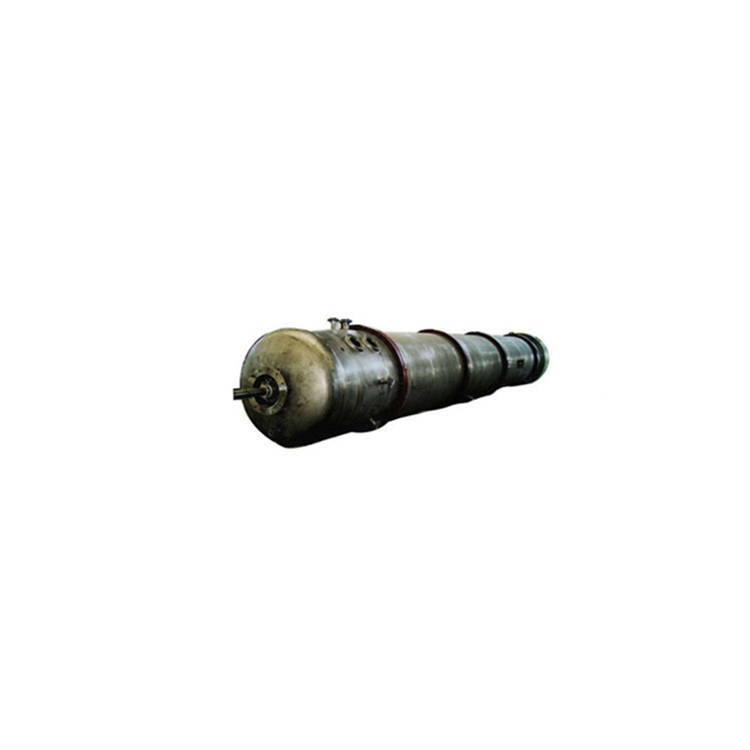
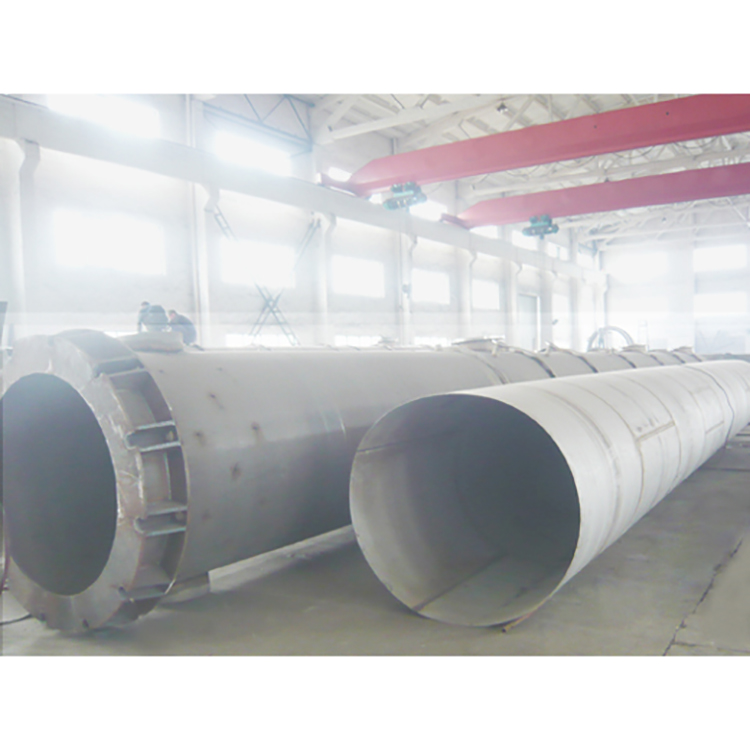
Liquid-Liquid Countercurrent Extraction Tower
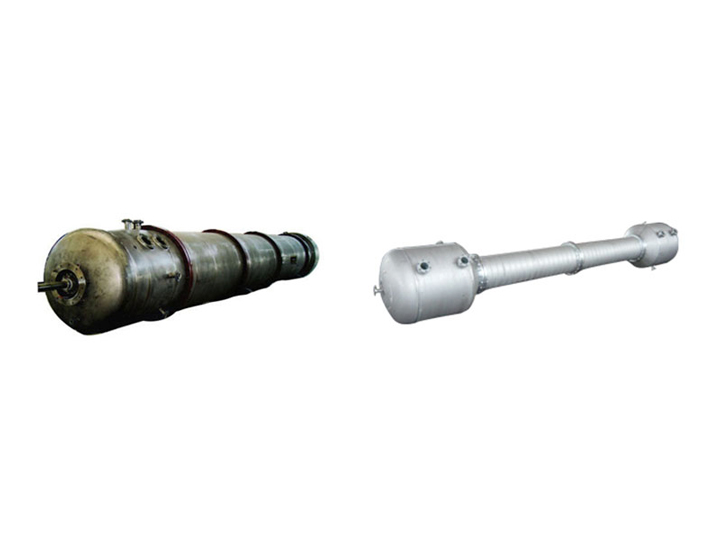
Liquid-Liquid Countercurrent Extraction Tower Overview
Liquid-liquid extraction, also known as solvent extraction, involves adding a liquid solvent that is not completely miscible with the liquid mixture to create two phases. This process separates the active components by utilizing the different distribution relationships of certain components between the two liquid phases. It is a mass transfer process between liquids.
Liquid-liquid extraction features large processing capacity, excellent separation performance, high recovery rate, continuous operation capability, and ease of automatic control. It has been widely applied in the fields of petrochemicals, hydrometallurgy, environmental protection, and food industries.
Extraction Applications
The Difference Between Distillation and Extraction: Distillation: It is a separation process that utilizes the different volatilities of the components in a mixture; Extraction: It is a separation process that takes advantage of the differences in solubility of a component in different solvents.
Liquid-liquid extraction is primarily used in the following situations:
1. The boiling points of the various components in the solution are close together, meaning the relative volatility of the components is nearly 1, making distillation economically unfeasible.
2. The solution contains a large amount of low-boiling point substances, or the latent heat of vaporization of the low-boiling point components is high. When recovering by distillation, a substantial amount of heat energy is required.
3. Certain components in the solution form a constant-boiling mixture, making it difficult to separate using distillation methods.
4. The components to be recovered from the solution are thermosensitive materials, which are prone to decomposition, polymerization, or other chemical changes during distillation.
询价单


