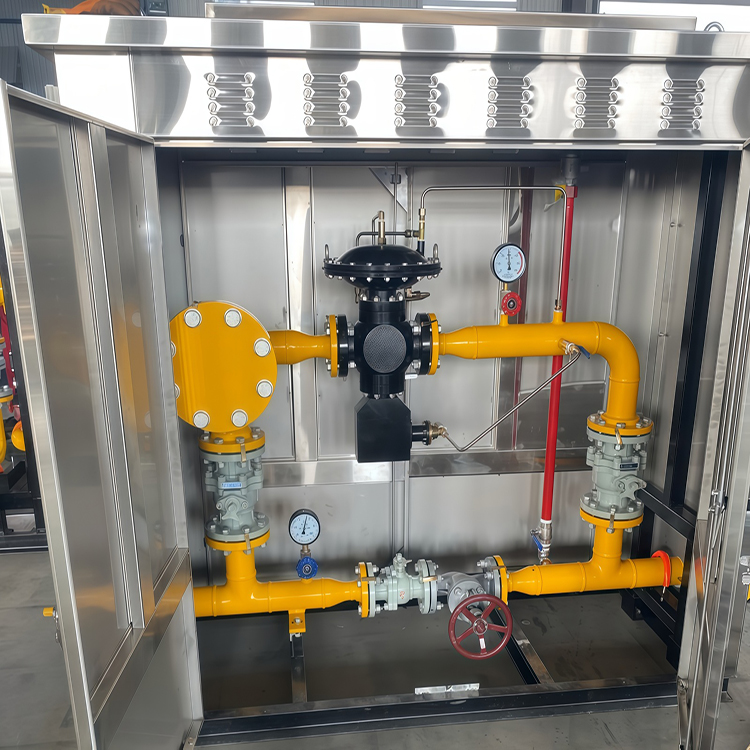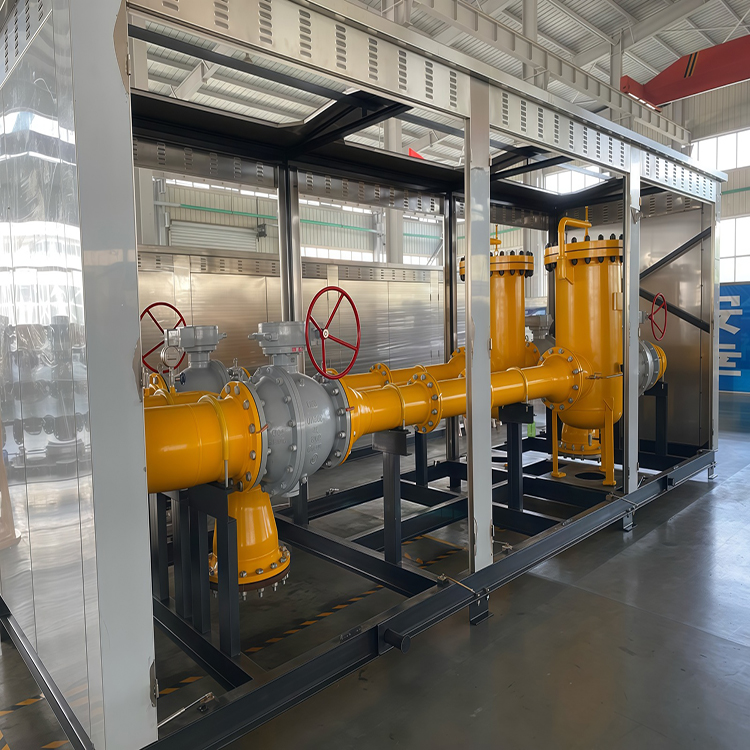
Specializing in the production of CNG pressure reducing e...

I. Core Equipment: Key Differences Between Pressure Regulating Boxes and Pressure Regulating Cabinets
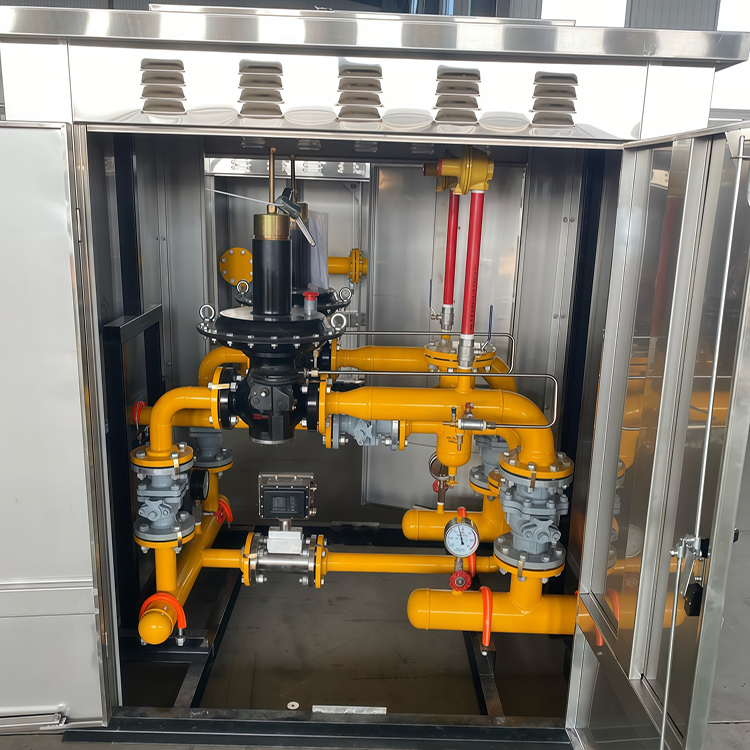
The Gas Pressure Regulator Boxes come in wall-mounted and floor-standing models, featuring a compact size. They integrate basic components such as regulators, filters, and safety valves. They are designed for decentralized gas usage scenarios like residential buildings and small shops, offering advantages of flexible installation, minimal footprint, and low cost. The Gas Pressure Cabinet adopts a cabinet-style structure, capable of integrating multi-loop pressure regulation, metering, and alarm functions, making it more suitable for centralized gas supply needs in hotels, hospitals, small factories, and industrial parks. It boasts strong protection and easy maintenance, ensuring stable supply for medium-scale gas usage scenarios.
The pressure regulating box is primarily used for single-family residential buildings or small commercial shops. The wall-mounted type can be installed on the building's exterior wall or in the corridor, at least 0.5 meters away from any fire source; the floor-standing type requires no complex civil engineering, and can be installed and put into use within 1-2 days. When installed outdoors, proper rain and sun protection measures must be taken.
The pressure regulating cabinet is suitable for medium-sized commercial and industrial users as well as park centralized gas supply. Outdoor installation requires choosing an open area, at least 1.5 meters away from building doors and windows; for indoor installation, a separate machine room must be set up. Regardless of outdoor or indoor installation, it is necessary to keep away from flammable and explosive environments to ensure safe use.
When selecting equipment, determine the flow rate based on "maximum gas consumption × 1.2," and match the upstream and downstream gas pressure grades. For outdoor use, prioritize rainproof and explosion-proof models. During installation, ensure the regulators are horizontally placed and equipped with filters with an accuracy of no less than 5μm. After installation, conduct an airtightness test at 1.5 times the working pressure, and maintain pressure for 30 minutes without leakage before operation.
During daily maintenance operations, it is necessary to inspect equipment pressure daily for normalcy and leaks; filter cores should be cleaned every 3-6 months, and pressure regulators and safety valves should be calibrated annually; unauthorized modification of equipment parameters is strictly prohibited. Warning signs such as "Gas Equipment, No Smoking" should be posted around the equipment, and emergency contact information should be clearly displayed.


b2b.china9.net © Zhongshang 114 Hebei Network Technology Co., Ltd.Address: Room 6009, Oriental New World Center, No.118 East Zhongshan Road, Qiaoxi District, Shijiazhuang City, Hebei ProvincePlatform Service Hotline: 4006299930