





- AllProduct Category
-
Submersible Pump
Self-Priming Pump
Axial Flow Pump
Chemical Pumps
Mixed Flow Pump
Magnetic Pump
Desulfurization Pump
Screw Pump
Press Filter Pump
Slurry Pump
Multi-Stage Pump
Vortex Pump





详情描述
I. Overview of FJX-II Type Chemical Axial Flow Pump
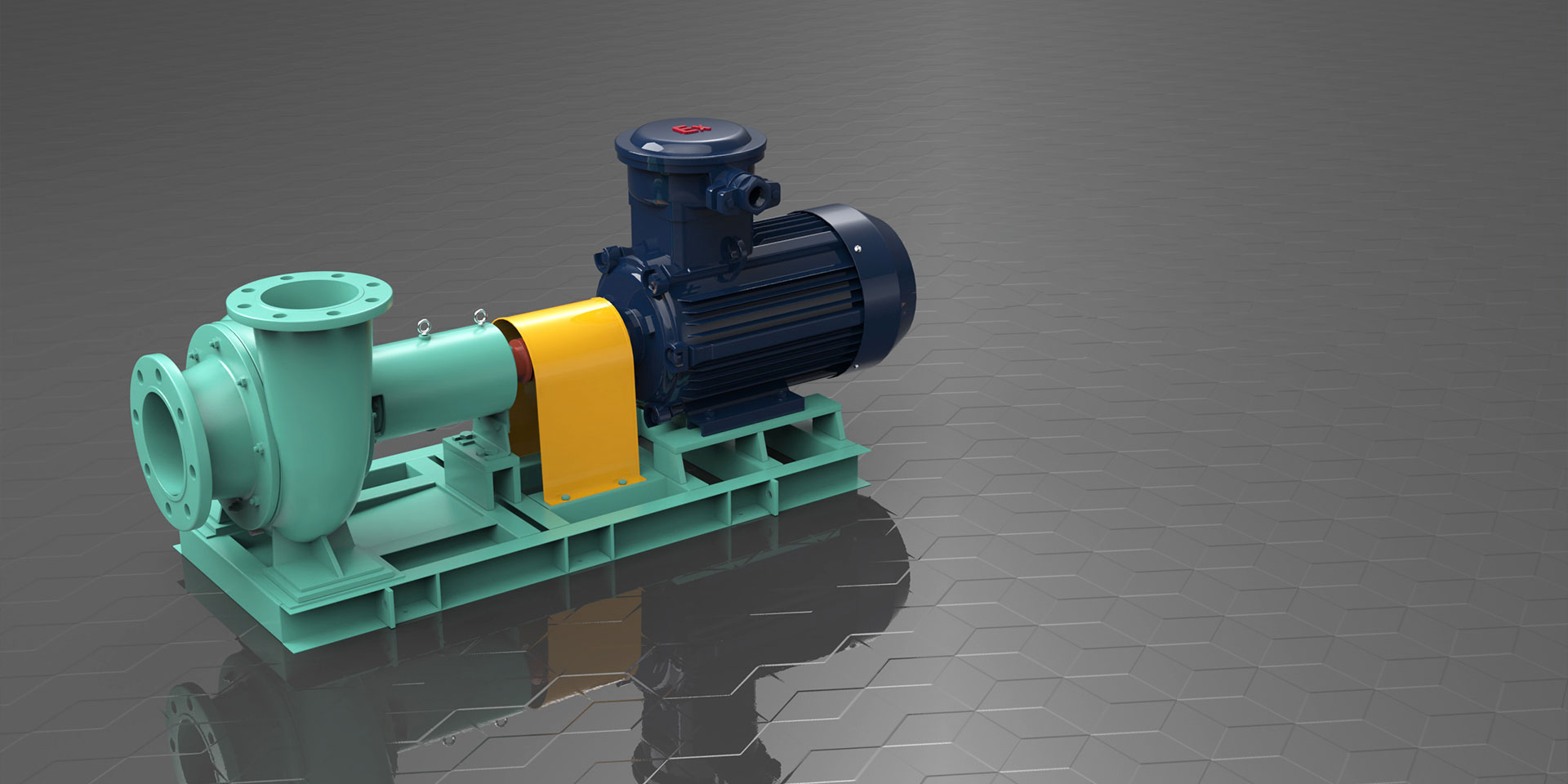
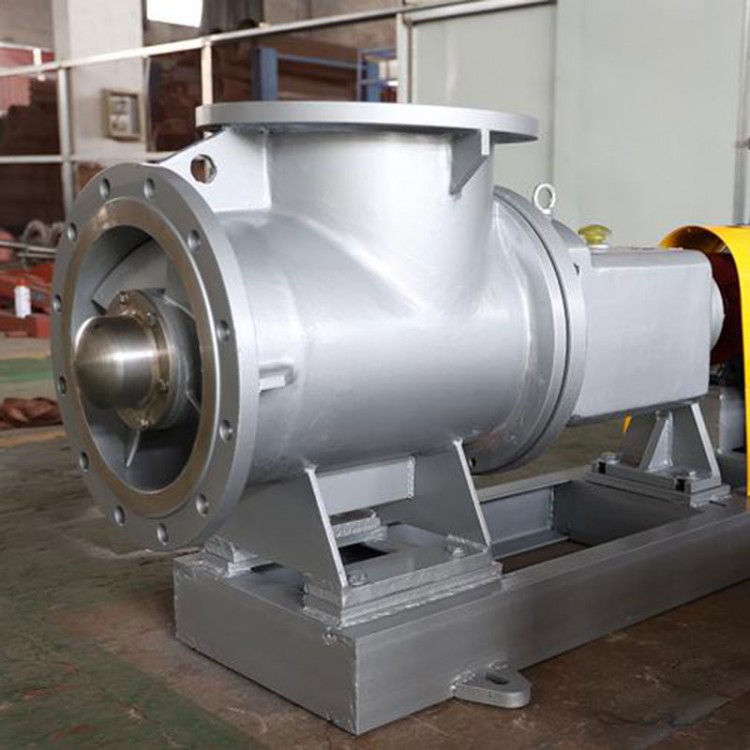
This series of axial flow pumps boasts high reliability and ease of maintenance, specifically designed for the evaporation circulation processes in chlorine alkali and salt production. The FJX-Ⅱ series draws on successful technologies within the industry and incorporates its own design strengths. With an optimized transmission design, it features minimal vibration and low noise, significantly enhancing the operational reliability and balance of the axial flow pumps, thereby greatly increasing the maintenance cycle and service life. The high operational reliability doubles the maintenance cycle and extends the lifespan by 20%. The HZW forced circulation pumps are more efficient and energy-saving, saving a substantial amount of electricity for users annually.
The HZW series chemical axial flow pumps are primarily used in high flow rate, low head applications, particularly suitable for forced circulation processes involving corrosive media. Examples include forced circulation for caustic soda production and salt making, as well as in the production sectors such as phosphate fertilizers, petroleum, chemical fibers, and papermaking.
FJX-Ⅱ Titanium Alloy Axial Flow Pump
(1) Cantilevered rotor with a front-opening design, featuring simple structure and easy maintenance, without the need to disassemble the pump body and pipeline.
(2) The impeller is matched with the suction conduit, allowing for the replacement of the conduit only when transporting erosive materials, thereby extending the pump's lifespan. The shaft seal can be equipped with a liquid-retaining type packing seal and a double-end mechanical seal, ensuring the pump operates without leaks and is safe and reliable.
(3) This series of pumps can meet various performance and installation requirements across different workstations, offering transmission methods such as direct connection, belt drive, and reducer drive, as well as installation options including horizontal, vertical, and suspended mounting.


