


The hazard of road cracks lies in water entering the subgrade through the cracks, which softens and damages the road base, leading to a decrease in road bearing capacity and the formation of mud gushes and network cracks, accelerating road damage. If road cracks are not timely treated with crack filling sealant, patching strips, and other crack repair materials, and water from rain or snow seeps into the subgrade, long-term vehicle traffic will cause subgrade erosion and severe structural damage, significantly reducing the service life.
The role and characteristics of transportation roads determine the importance and uniqueness of highway maintenance management. Ensuring effective maintenance of highways is a long-term and arduous task. Currently, there are many methods for repairing concrete road cracks. Next, we will focus on one of the main materials for repairing cracks in cement concrete roads: sealant adhesive.
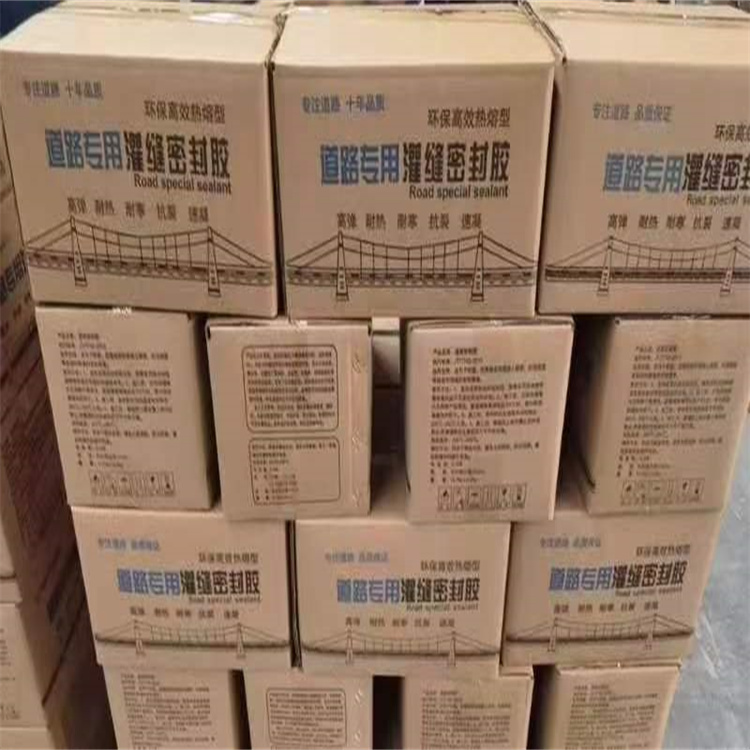
[Material Name] Sealing Compound
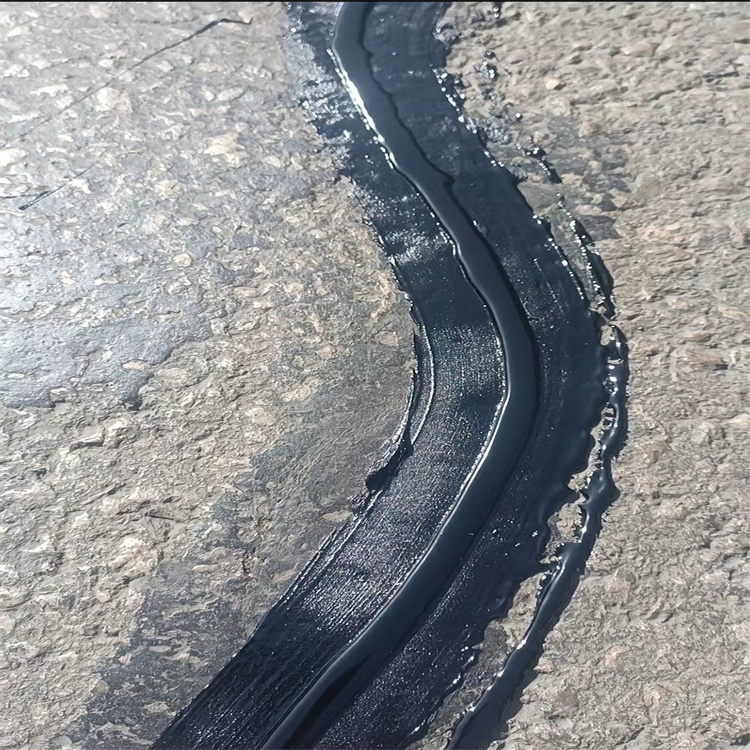
[Sealant Composition] The sealant is a single-component, new type of oil-based cold sealant material. It is a flexible material with special resistance to displacement changes and waterproof properties. It absorbs moisture from the air for curing, exhibits excellent weather resistance. After curing, it will not flow even under high temperatures and will not crack at temperatures below -20°C. It can be applied between 50°C and -25°C. The material will not peel off before or after rain and maintains its elasticity. The color of the sealant is typically gray, suitable for sealing cracks and expansion joints in cement concrete pavements.
[Sealant Properties] Single-component, ready to use upon opening; self-leveling in liquid form at room temperature; no additional operation required; color is generally gray.
[Application Range] Adaptable for asphalt concrete pavement cracks (mainly using asphalt crack filling sealant for better cost-effectiveness), surface cracks of cement concrete pavements, suitable for expansion joints, settlement joints, cutting joints, and construction joints of newly laid cement pavements in squares, airport runways, rooftops, and basements, as well as bonding and sealing of cracks (and joints).
[Key Features] Simple seam filling process, ready to use upon opening (with a dedicated injection nozzle), fast curing time, immediate traffic opening, high bonding strength and good flexibility after curing. Suitable for application between -20°C and 80°C, excellent resistance to acids and alkalis, waterproof, oilproof, and dustproof, as well as resistance to humidity and aging. Offers good tensile, pressure resistance, and bonding strength.
[Usage Instructions]
1. Cleaning: Prior to grouting, use a metal hook to clear debris from cracks wider than 3mm. The crack and both sides should be clean with no dirt, fragments, or weeds.
2. Expansion Joints: For cracks less than 3mm wide, use an expansion joint machine. The expanded width is typically 4 to 6 mm, and the depth is 6 to 10 mm.
3. Dust Removal and Cleaning: Utilizing a dust removal machine to ensure thorough dust removal, followed by using an elastic steel brush to remove loose concrete debris left in the gaps after expansion.
4. Filling: For wider and deeper cracks, fill the cleaned crack with gravel or elastic foam strips with particle sizes larger than the crack width before injecting the sealant. Leave a space of 0.5-1cm above for the sealant injection.
5. Filling with Adhesive: For cracks less than 3mm wide, first use a crack widening machine to expand the crack before filling with adhesive. The expanded crack should be 6-8mm wide and deep. The reason for widening is that due to the narrow width of the crack, the inherent surface tension of the filling adhesive cannot achieve self-leveling of the adhesive, thus preventing smooth filling into the crack. After widening, each kilogram of adhesive can fill 20-30 meters. For cracks wider than 3mm.
6. New concrete road construction joint sealing: After cutting, the joint width is generally 1 cm and the depth is 7 cm. During the sealing process, sand and gravel or elastic foam strips can be used to fill the crack. Leave a space of 0.5 cm above for the sealant. Each kilogram of joint sealant can seal a joint 15 meters long.
7. Open Traffic: The surface drying time of the crack sealant is less than 1 hour at temperatures above 15°C; the drying time is relatively extended at temperatures below 15°C. For cracks less than 1 cm wide, traffic can be reopened directly after the sealant is applied.

