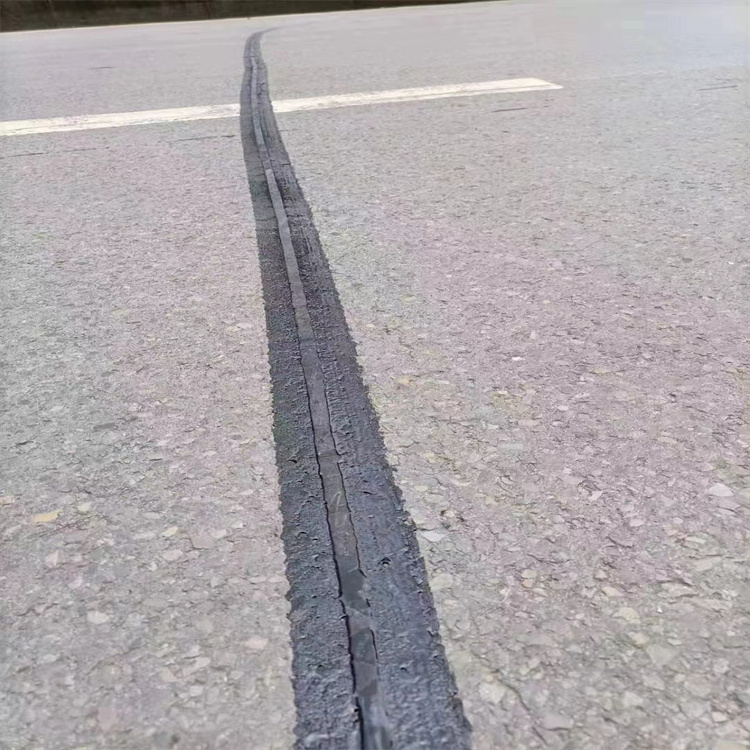
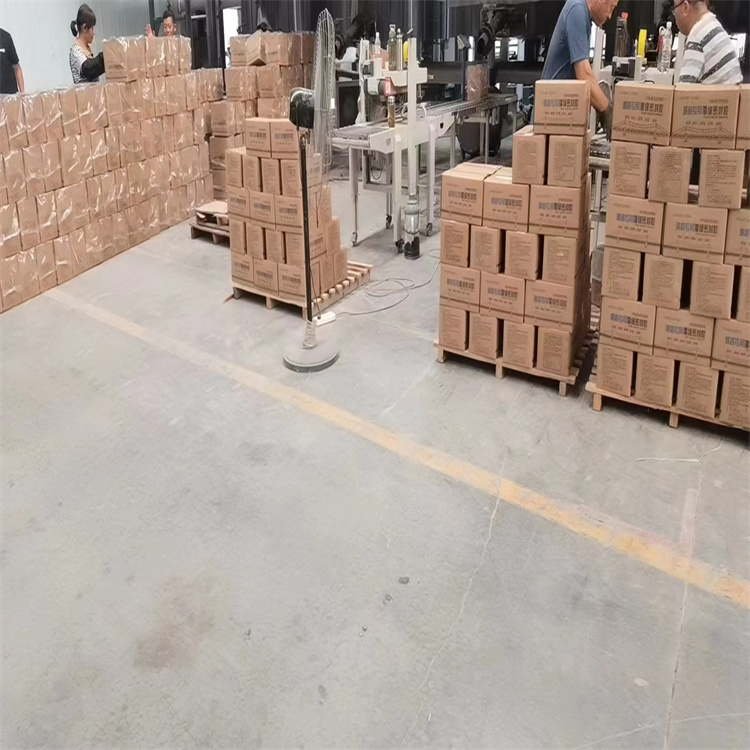
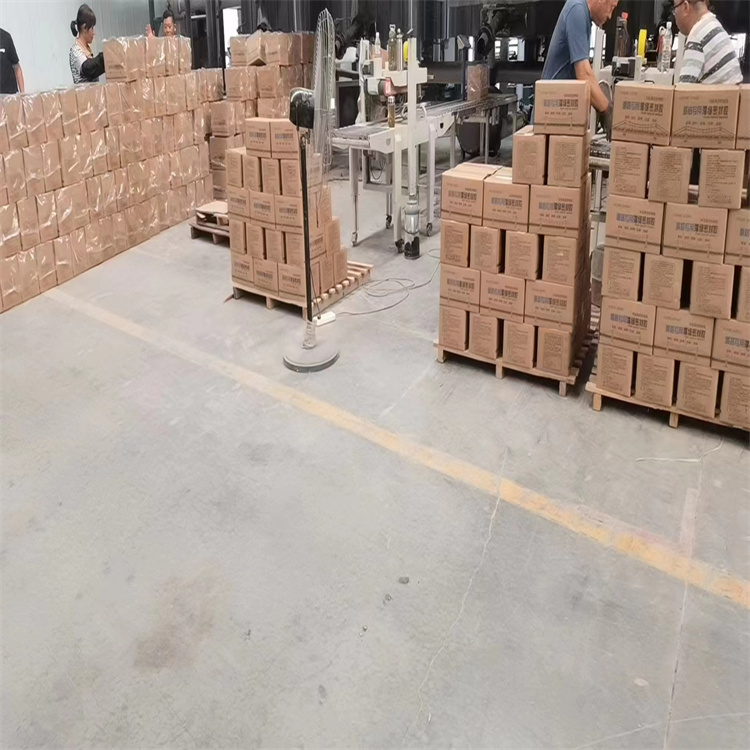

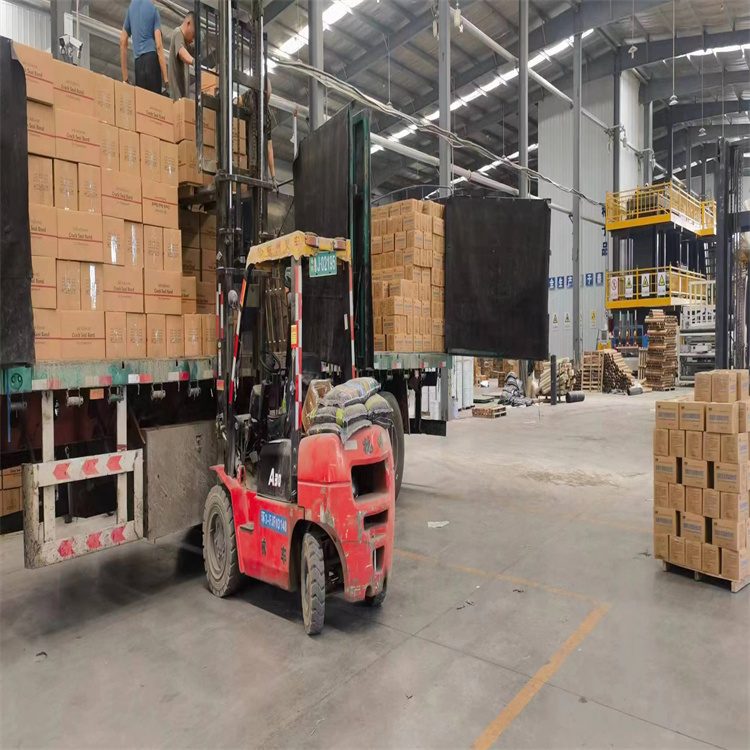
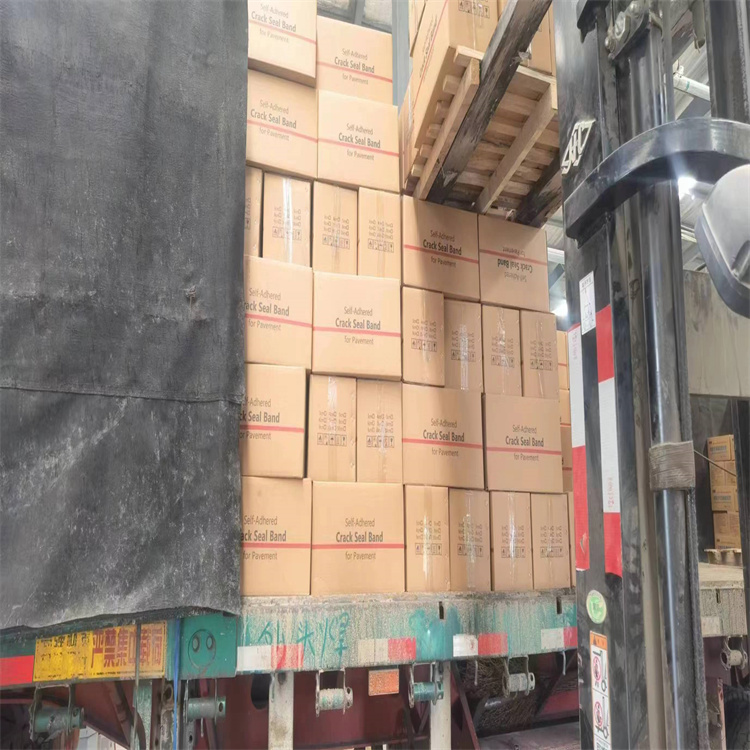
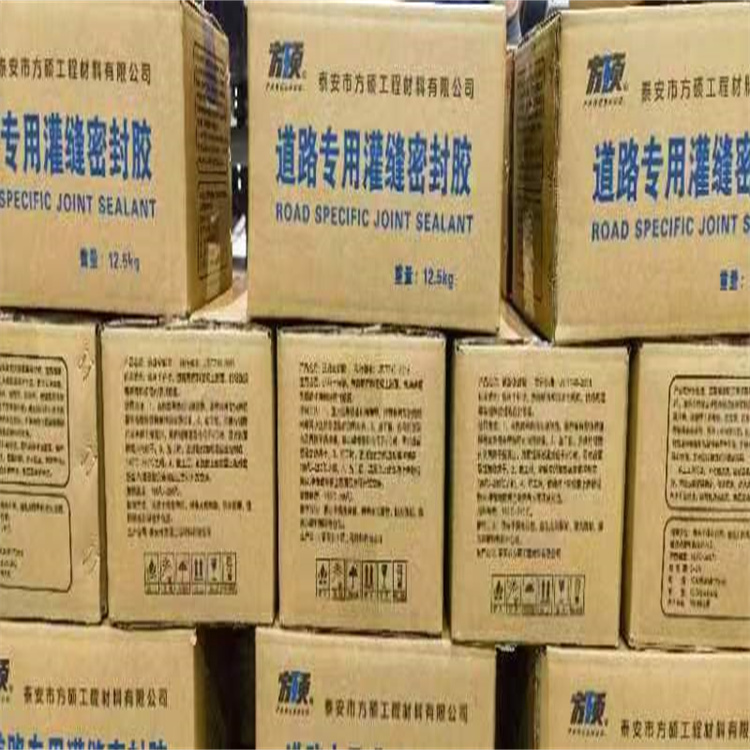
Series of pavement crack filling materials; during the process of repairing road surface cracks, whether it is the selection of crack filling materials or construction stages, learn more about the performance characteristics of the crack filling adhesive, construction process, dosage precautions, etc., to better perform preventive maintenance and crack repair on road surfaces.
Taian Fangshuo Engineering Materials Co., Ltd. is a specialized company focusing on the production and research of geosynthetic materials, asphalt pavement crack sealing tapes, crack prevention strips, road-specific sealant adhesives, and new composite materials. Since the establishment of the sealant adhesive manufacturer, we have continuously expanded and innovated, providing customers with innovative and practical products based on market demand. The crack prevention strip manufacturer primarily produces road sealant adhesives, crack sealing tapes, crack prevention strips, cold patching materials, sealant machines, and non-tyre self-adhesive crack sealing strips.
Sealant injection technique replaces the traditional asphalt injection method for road surface cracks, marking a significant improvement in highway maintenance technology. Traditional methods are limited by the low-temperature brittleness and high-temperature softening of asphalt materials, causing repaired cracks to re-open after a year's surface expansion and contraction with temperature changes. This issue increases the workload and material costs for road maintenance. However, the sealant injection technique overcomes the deficiencies of traditional asphalt materials in terms of material performance.
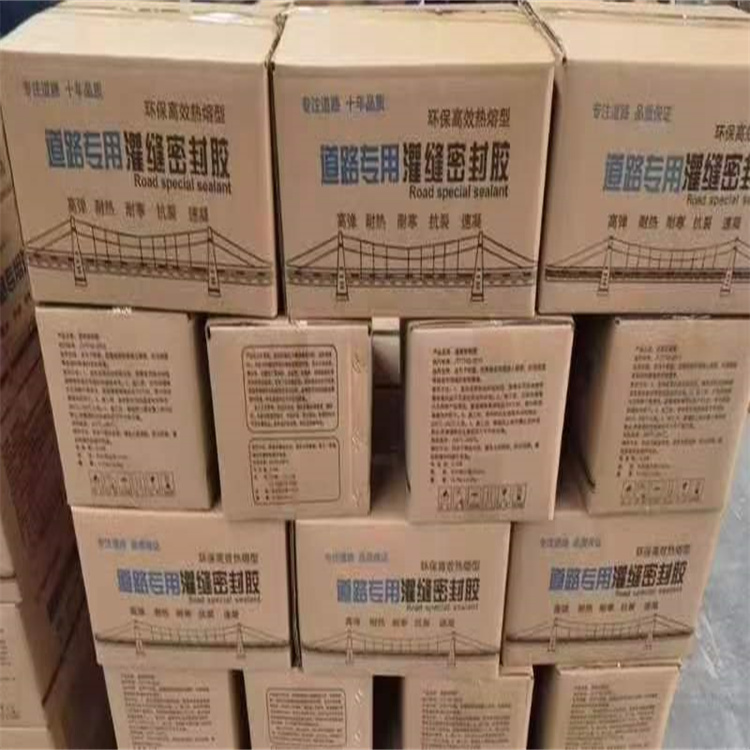
Sealant, mainly composed of high molecular weight modified asphalt polymer. It features low viscosity at high temperatures and high elasticity at low temperatures, adapting to the environmental temperatures of the region in use. This sealant material is categorized into high-temperature, standard, low-temperature, cold, and extreme cold types; based on the heating method, it can be divided into heated and room temperature application types (distinguishing from cold-applied polyurethane sealant).
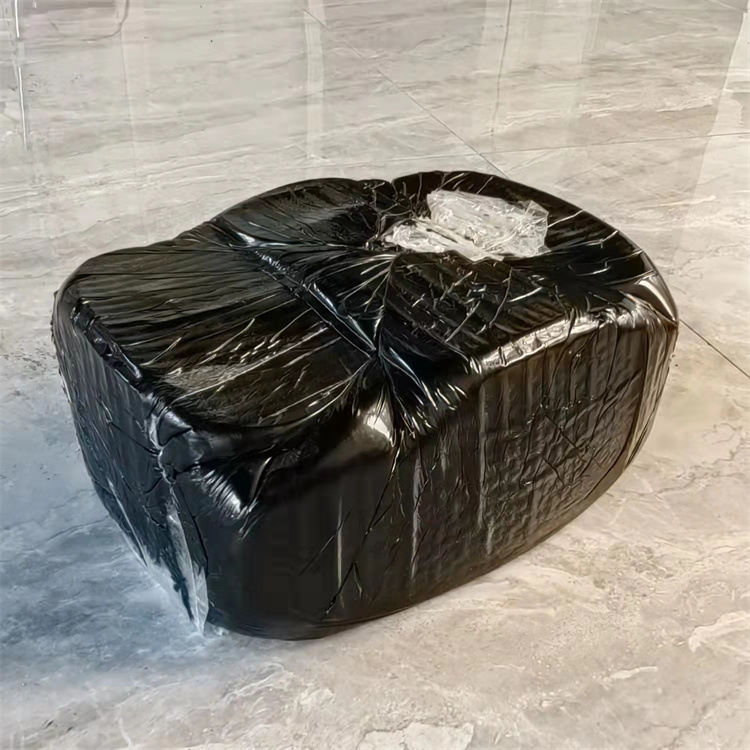
Sealant for filling gaps is currently mainly sold in the heated type, which is solid at room temperature. It melts quickly, has strong adhesion, and exhibits excellent deformation recovery properties. Compared to other types of road sealant, this road sealant features low viscosity, making it easy to seep into various cracks. In summer, its high-temperature softening point reaches up to 102°C; in winter, its low-temperature resistance can reach -40°C, making it more suitable for temperate environments with a wide temperature range. The performance characteristics of the road sealant can be summarized as follows:
1) Strong adhesion and high elasticity;
2) Excellent high-temperature stability and low-temperature crack resistance;
3) Enhanced water resistance and aging resistance. Compared to traditional sealant materials, the joint sealant is convenient, durable, and environmentally friendly, effectively extending maintenance cycles and reducing the frequency of maintenance.
Application Range: Sealant for Filling Gaps
Pavement crack filling sealant is used for repairing and treating cracks, expansion joints (expansion joints, expansion gaps, contraction joints, etc.), on cement, asphalt, concrete pavements, and airport runways. Application temperature of pavement crack filling sealant: 185°C-204°C.
Road Crack Filling Adhesive Key Points:
The temperature of the road joint sealant during construction should reach 185°C, but not exceed 204°C.
2) Slot dimensions must meet design requirements, i.e., width ≥ 1 cm, depth ≥ 1.3 cm.
3) Prior to sealing, ensure the groove and both sides are clean.
4) The road surface temperature during construction should be maintained above 4°C; otherwise, preheating should be conducted.
5) Ensure adequate cooling time for the road crack sealant prior to opening traffic.
6) During the heating process of pavement joint sealant, ensure it is heated evenly. It is recommended to use heating equipment with thermal oil or hot air as the medium to prevent the sealant from burning. Therefore, when there is no equipment like a thermal melting pot that can guarantee even heating of the material, do not use a cooking pot for heating asphalt or other open-flame heating devices to heat the pavement joint sealant.
Road Crack Sealing Operation and Storage Precautions:
Do not use water when on fire; use carbon dioxide powder or foam instead.
2) Wear protective clothing, goggles, or other equipment during working hours.
3) Keep children and non-employees away from heating equipment or hot materials.
4) Store in a dry, cool place.
5) To ensure construction, traffic control should be implemented first, in accordance with the provisions of the "Highway Maintenance Technical Specification" regarding traffic control for highway maintenance operations, and set up cone signs and move
Move the mobile sign vehicles and appoint a dedicated person to oversee traffic control and promptly relocate construction signs as the work progresses.
More road maintenance and road maintenance materials (sealant, crack tape, cold patching material, crack prevention tape, cold patching additive), equipment, material prices, equipment prices, construction plans, application cases, and other related issues can be resolved through the website's search box, or you can directly consult Tai'an Fangshuo's 24-hour toll-free customer service.