




- AllProduct Category
-
Stainless Steel Rods/Grinding Rods
Austenitic Stainless Steel
Martensitic Stainless Steel
Sintered Hardening Steel
Duplex Stainless Steel
High-Temperature Alloys
Aluminum Plate Series





详情描述
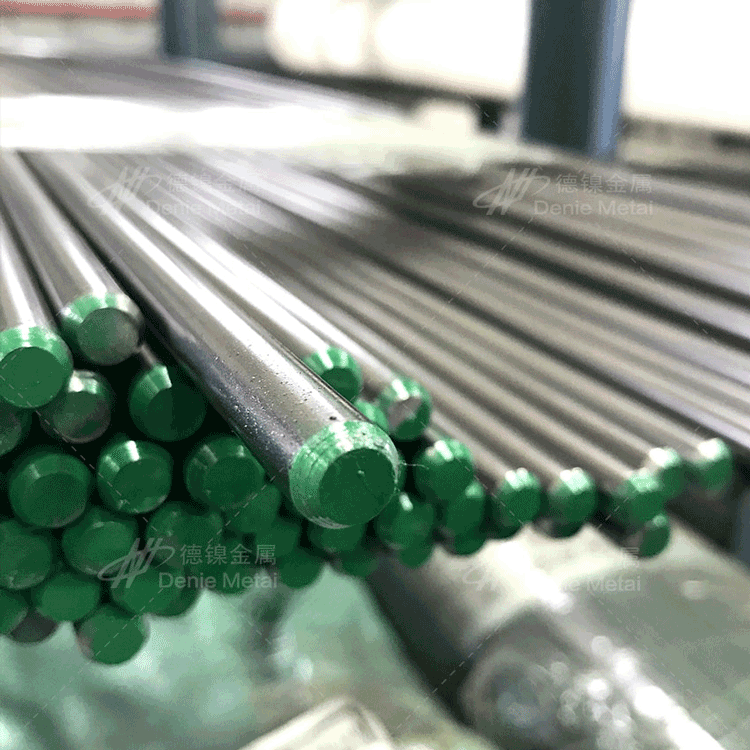
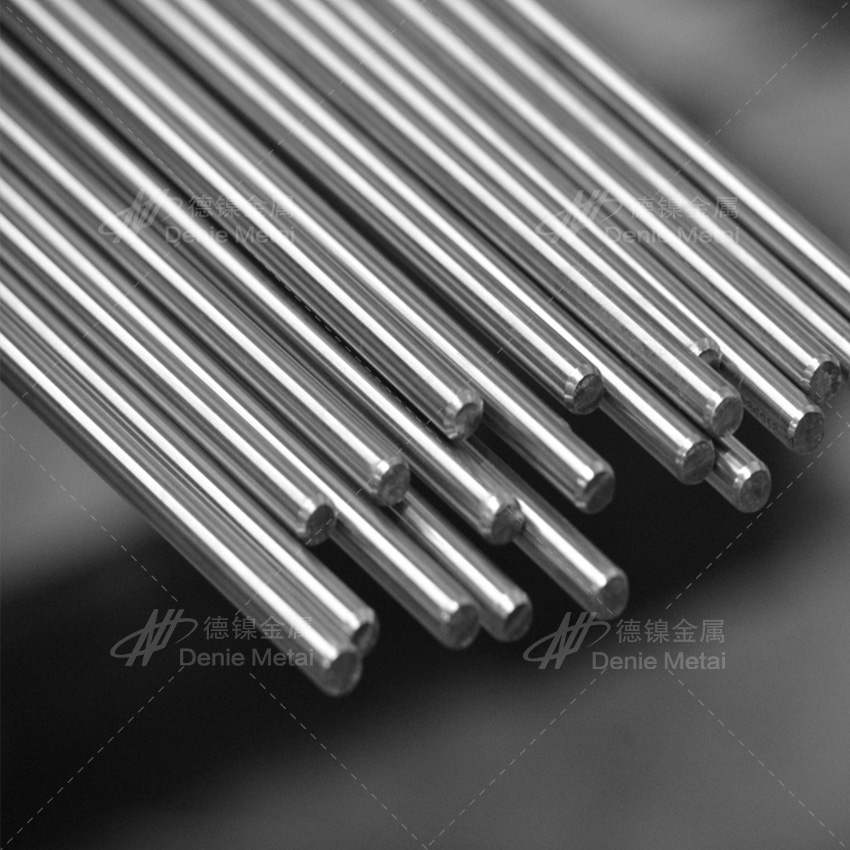
17-4PH stainless steel bar
Product Overview
17-4PH stainless steel is a precipitation-hardened, quenched, and tempered stainless steel, with this grade boasting high strength, hardness (up to 300°C/500°C), and corrosion resistance. After heat treatment, the product exhibits excellent mechanical properties, achieving a tensile strength of up to 1100-1300 MPa (160-190 ksi). This grade is not suitable for temperatures above 300°C (572°F) or low temperatures; it offers good corrosion resistance against atmospheric conditions and diluted acids or salts, with its corrosion resistance comparable to 304 and 430 grades.
17-4PH Stainless Steel Standard
ASTM.....................A693 grade 630(AMS 5604B)UNS S17400
EURONORM...........1.4542 X5CrNiCuNb 16-4
AFNOR...................Z5 CNU 17-4PH
DIN.........................1.4542
17-4PH Stainless Steel Corrosion Resistance
17-4PH alloy offers superior corrosion resistance compared to any standard hardenable stainless steel plate. In most cases, its corrosion resistance is equal to or better than 304.
If stress corrosion cracking is a risk, the curing temperature must be above 550°C (1022°F), ideally at 590°C (1094°F).
Tempering temperature in chloride medium ranges from 550°C to 1022°F.
Tempering temperature in H2S medium ranges from 590°C to 1094°F.
This alloy is prone to corrosion or cracking corrosion in static seawater.
It has the same corrosion resistance as grade 304L in the petrochemical, food processing, and papermaking industries.
17-4PH Stainless Steel Chemical Composition
Ingredients (Weight %)
17-4PH Stainless Steel Mechanical Properties
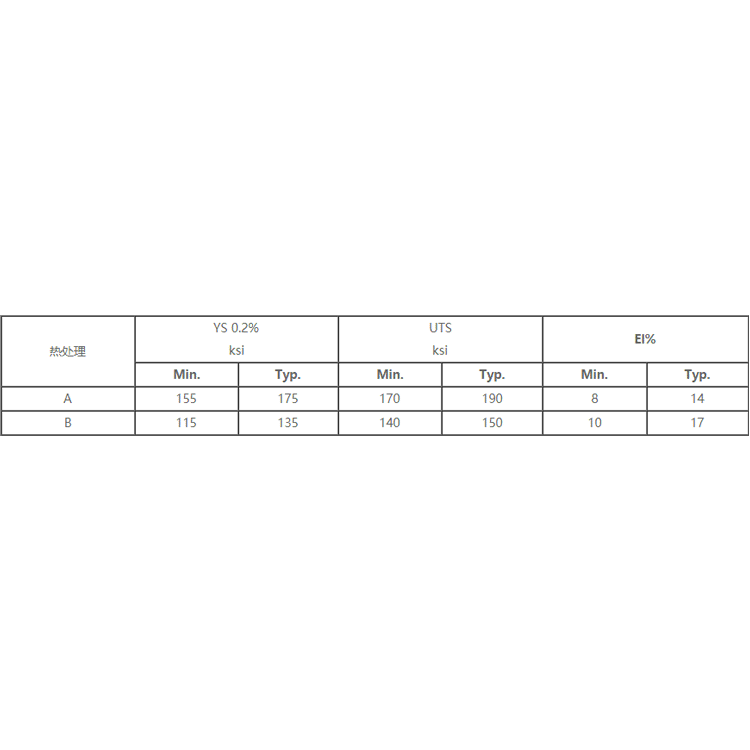
Room Temperature Properties - Longitudinal
Refer to the ASTM A693 hot-rolled plate standard, thickness ranging from 3/16" to 3"


Hardened at 496°C (925°F) for 4 hours - air cooled
Hardened at 593°C (1100°F) for 4 hours - air cooled
Here are two examples of heat treatment.
If you have any other requirements, please contact us.
High-temperature characteristics
Low-value reference hot rolled sheets according to EN 10088.
EN characteristics are guaranteed effective within a thickness range of 3/16” - 3”.

Heat Treatment: Hardening at 590°C (1094°F) for 4 hours - air cooled
Here's an example of heat treatment.
If you have any special requirements, please contact us.
Room Temperature Impact Minimum Value
Min Refer to ASTM A693 Hot Rolled Sheets
ASTM guaranteed values are effective for thicknesses ranging from 3/16” to 3”.

Room Temperature Hardness Min Value
Room temperature Min value refers to ASTM A693 for hot-rolled plates
ASTM guaranteed values are valid within the thickness range of 3/16” to 3”.

Surface treatment of stainless steel rod oxidation scale: The oxidation process of iron is Fe-FeO-Fe3O4-Fe2O3, and as the temperature rises, the oxidation rate also gradually increases. Within the temperature range of 600-800 degrees, the formed iron oxide scale can effectively hinder the diffusion of iron and oxygen atoms, thus the oxidation rate does not continue to increase. When the temperature exceeds 800 degrees, the iron oxide scale's ability to hinder diffusion significantly decreases, leading to an increase in oxidation rate. Due to the increased temperature, the oxidation rate accelerates, and consequently, the thickness of the iron oxide scale on the surface of stainless steel rods increases with the rise in oxidation temperature. Similarly, a high rolling speed can reduce the contact time of stainless steel round bars with air at high temperatures, thereby decreasing the thickness of the iron oxide scale. Therefore, to minimize the thickness of the iron oxide scale, hot-rolled stainless steel round bars should be rolled at the lowest possible temperature and the highest possible rolling speed.
From the structure of the ferric oxide scale, when the final rolling temperature is between 700-900 degrees Celsius, the ferric oxide scale formed contains 80%-90% FeO and 10%-20% Fe4O4. At temperatures above 900 degrees Celsius and with increased oxidation or oxidizing gas, iron will oxidize, and Fe2O3 can form at high temperatures. At this point, in addition to Fe3O4, FeO will not be present in the ferric oxide scale, and Fe3O4 will start to form on the surface of the scale, covered by a very thin layer of Fe2O3. Increasing rolling speed can reduce the thickness of the ferric oxide scale, but excessively high rolling speeds will increase the coiling temperature and cause the ferrite in the ferric oxide scale to transform into Fe3O4, making it difficult to remove the ferric oxide scale from the surface of stainless steel round bars later. Therefore, accurately controlling rolling speed is a key factor in achieving effective pickling.
询价单


