



- AllProduct Category
-
Stainless Steel Rods/Grinding Rods
Austenitic Stainless Steel
Martensitic Stainless Steel
Sintered Hardening Steel
Duplex Stainless Steel
High-Temperature Alloys
Aluminum Plate Series





详情描述
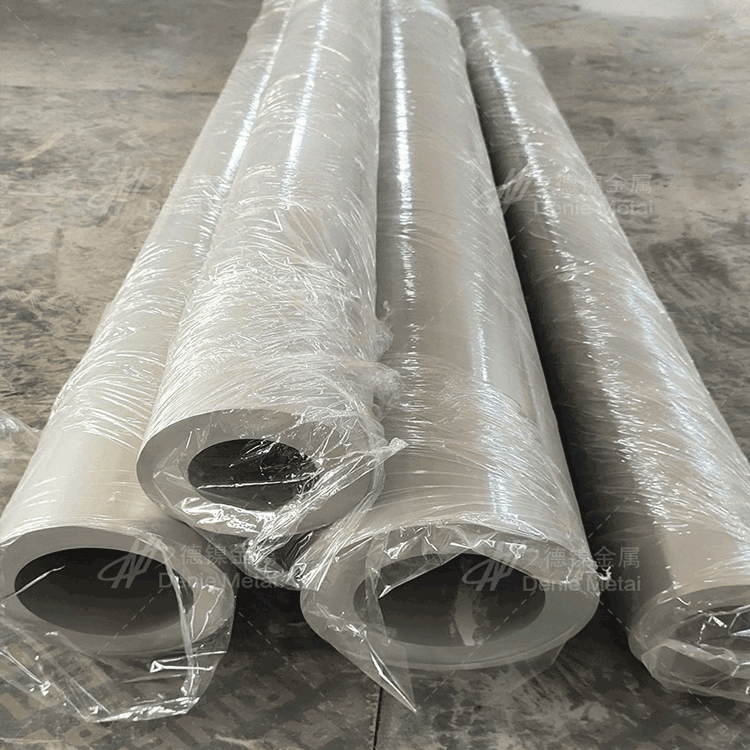
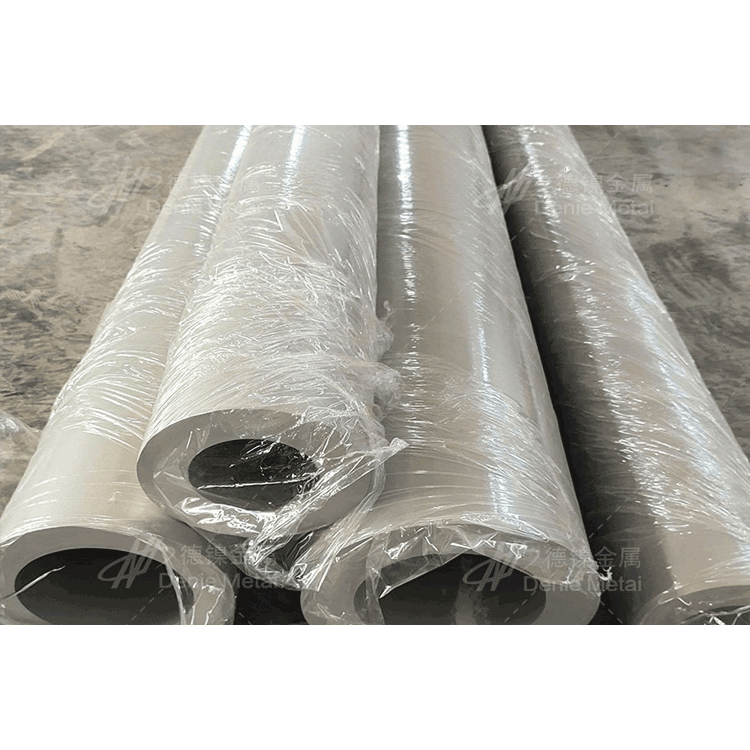
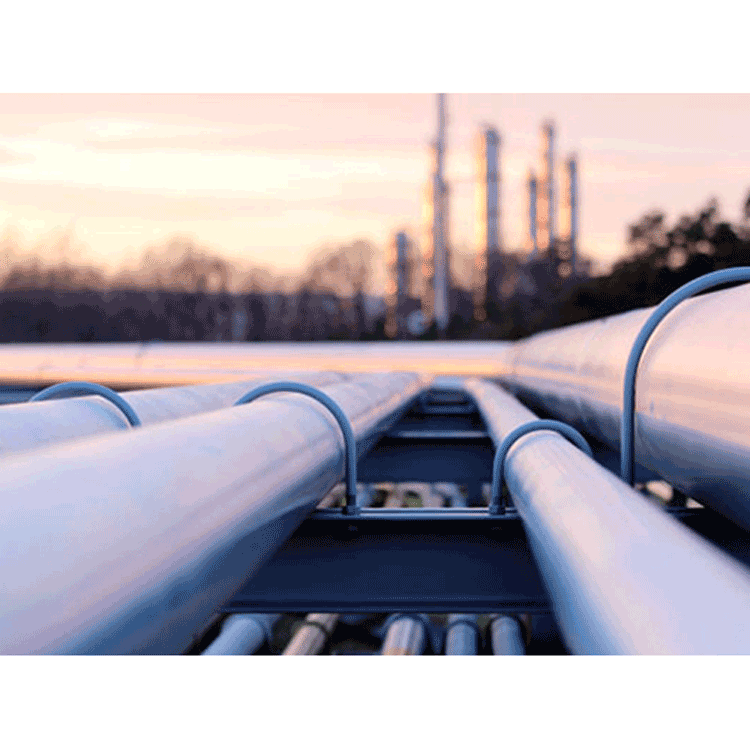
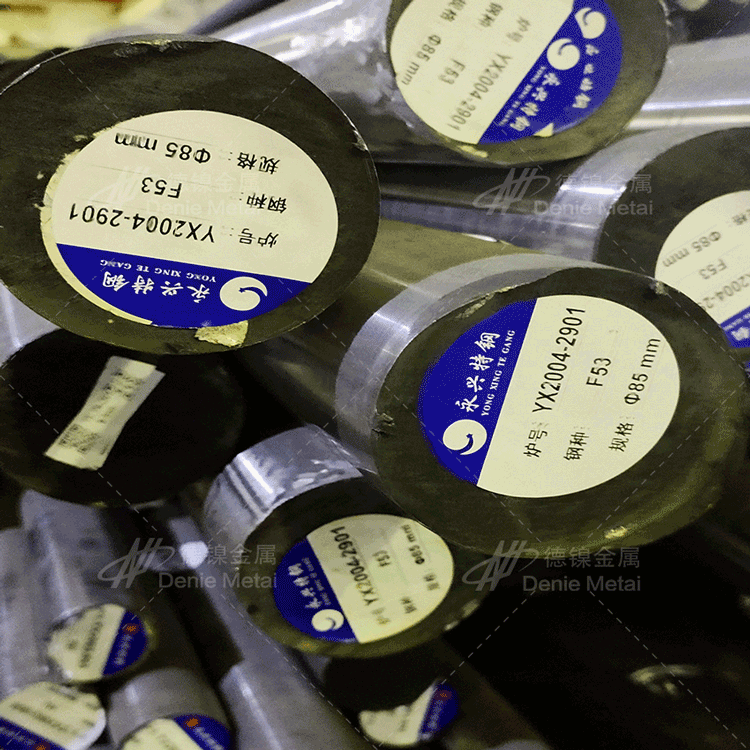
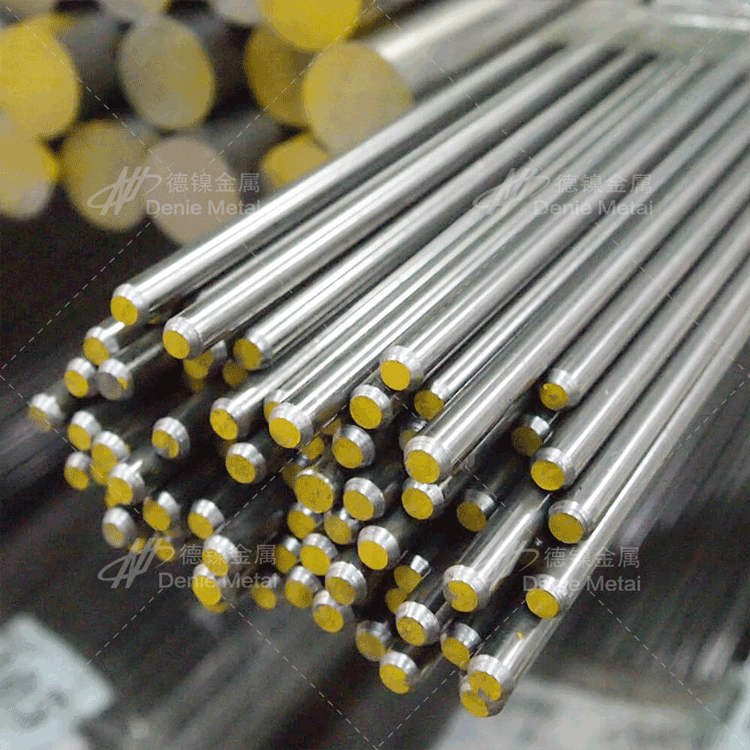
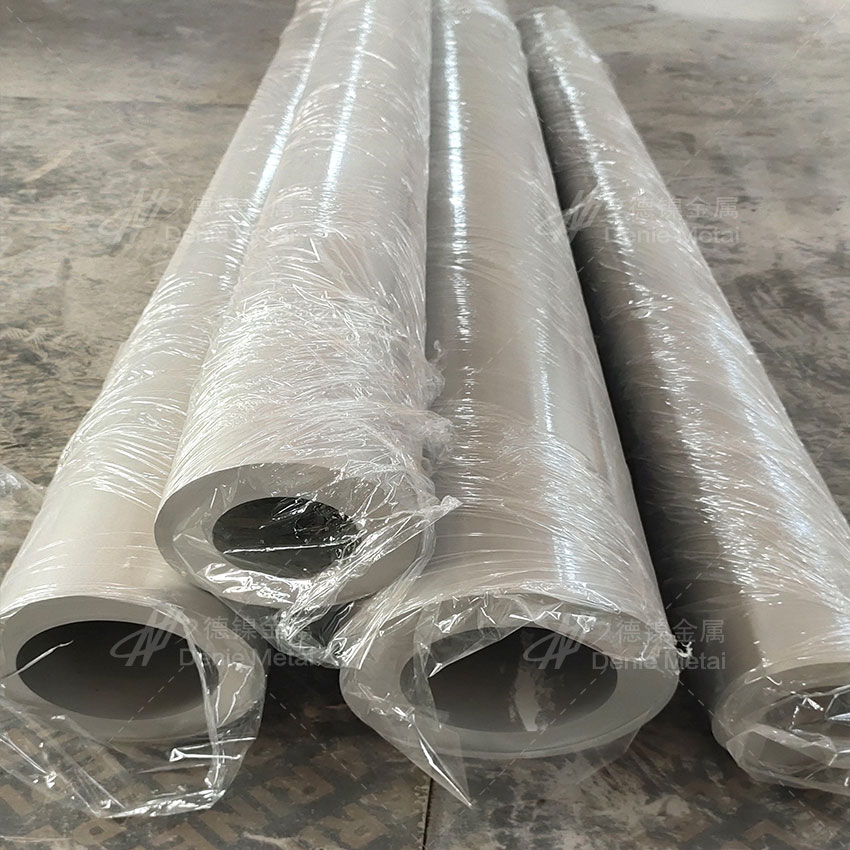
1.4462 Steel Pipe
Product Introduction
1.4462 stainless steel plate is a dual-phase stainless steel containing 22% chromium, 3% molybdenum, 5-6% nickel, and nitrogen. It boasts excellent resistance to general, localized, and stress corrosion, along with high strength and superior impact toughness.
1.4462 stainless steel plate offers superior pitting and crevice corrosion resistance compared to 316L or 317L austenitic stainless steels in almost all corrosive media. It also boasts high corrosion and erosion fatigue properties, as well as a lower coefficient of thermal expansion and higher thermal conductivity than austenitic stainless steels.
1.4462 stainless steel plate is particularly suitable for applications with a temperature range of -50°F / +600°F. Temperatures outside this range may require some restrictions, especially for welded structures.
Application Fields
Pressure vessels, storage tanks, pipelines, and heat exchangers in the chemical processing industry
Pipe and heat exchangers for gas and oil processing
Wastewater Treatment System
Digesters, bleaching equipment, and inventory handling systems for the pulp and paper industry
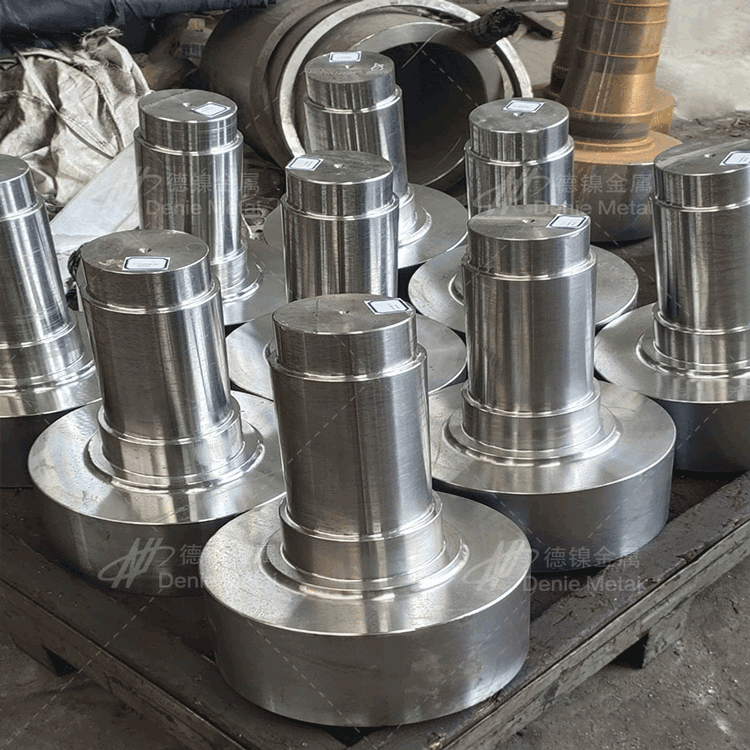
Rotors, fans, shafts, and pressure rolls requiring both strength and corrosion resistance.
Ship and truck cargo tanks
Food Processing Equipment
Biofuel factory
Corrosion resistance
General Corrosion: Due to its high chromium (22%), molybdenum (3%), and nitrogen (0.18%) content, the 1.4462 stainless steel sheet offers superior corrosion resistance in most environments compared to 316L or 317L.
Local Corrosion: Chromium, molybdenum, and nitrogen impart strong resistance to pitting and crevice corrosion in oxidizing and acidic solutions.
Equal Corrosion Curve: The equal corrosion curve in a solution containing 2000 ppm sulfuric acid at a rate of 4 mpy (0.1 mm/year).
Stress Corrosion Resistance: The duplex microstructure is known to enhance the stress corrosion cracking resistance of stainless steel.
Corrosion Fatigue Properties: 1.4462 stainless steel sheets combine high strength with excellent corrosion resistance, offering high corrosion fatigue strength. They can be beneficial in applications where equipment is simultaneously exposed to erosive environments and cyclic loading, leveraging the performance of the 1.4462 stainless steel sheets.
Organizational Structure
The chemical analysis of the 1.4462 stainless steel plate has been optimized, allowing for a typical 50% austenite/50% ferrite microstructure after solution heat treatment at 1900°/1922°F (1040°/1080°C).
Chloride Pitting Resistance
The pitting resistance of austenitic stainless steel can be directly correlated with the alloy composition, with chromium, molybdenum, and nitrogen being key percentages. The Pitting Resistance Equivalent Number (PREN) is used to measure the relative pitting resistance of the alloy - the higher the number, the better the pitting resistance.
Hot forming
Form at temperatures below 600°F whenever possible. For hot forming, the workpiece should be heated uniformly and formed between 1750 and 2250°F. 1.4462 stainless steel sheets are very soft at these temperatures and easy to form. Above this range, 2205 may experience thermal cracking. Below this range, the austenite is much stronger than the ferrite, which may cause cracking, especially a special hazard for "cold" edges. Below 1700°F, a rapid formation of intermetallic phases may occur due to the combination of temperature and deformation. Whenever hot forming is performed, solubilizing annealing above 1900°F and rapid quenching should be carried out to restore phase balance, toughness, and corrosion resistance. Stress-relief treatment is not required or recommended; however, if it is necessary, the material should be solubilized at temperatures above 1900°F followed by rapid cooling or water quenching.
Cold forming
1.4462 stainless steel sheets can be easily sheared and cold formed on equipment suitable for stainless steel processing. However, due to the high strength and rapid work hardening of 2205 stainless steel sheets, more force is required for cold forming than with austenitic stainless steel. Additionally, because of the high strength, a larger allowance must be made for springback.
Heat Treatment
1.4462 stainless steel sheet should be subjected to solution heat treatment at 1900°F, followed by rapid cooling with water quenching. This process is suitable for solution heat treatment and stress relief. Stress relief treatment is not required or recommended; however, if it is necessary, the material should undergo solution heat treatment above 1900°F, then be rapidly cooled or water quenched.
Processable
When using high-speed steel cutters, 1.4462 stainless steel sheets can be machined at the same feed rate and speed as 316L alloy. If carbide cutters are used, the cutting speed should be reduced by about 20% compared to 316L. A robust machine and cutters, along with rigid component mounting, are essential.
Welding
1.4462 stainless steel sheet boasts excellent welding properties. The aim of welding 1.4462 is to maintain the base material's corrosion resistance, strength, and toughness in the weld metal and heat-affected zone (HAZ). Welding 1.4462 is not challenging, but it requires a well-designed welding procedure to achieve favorable phase balance post-welding and to avoid the precipitation of harmful intermetallic or non-metallic phases.
1.4462 stainless steel sheet can be welded using the following methods: GTAW (TIG); GMAW (MIG); SMAW ("rod electrode"); SAW; FCW and PAW.
Grade 1.4462 stainless steel plate is widely used in various industrial fields due to its superior performance, setting an excellent example of corrosion resistance and strength.
询价单


