



- AllProduct Category
-
Stainless Steel Rods/Grinding Rods
Austenitic Stainless Steel
Martensitic Stainless Steel
Sintered Hardening Steel
Duplex Stainless Steel
High-Temperature Alloys
Aluminum Plate Series






详情描述
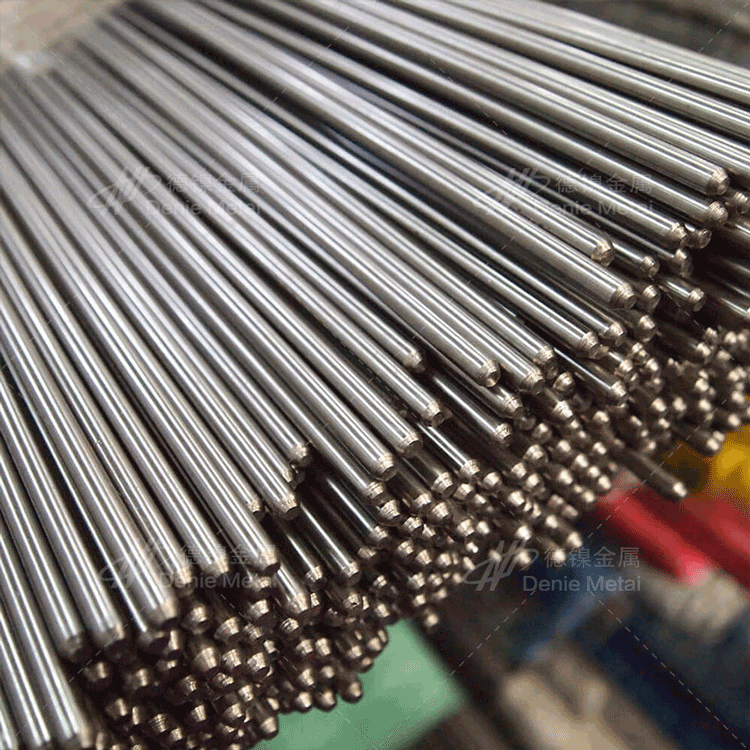
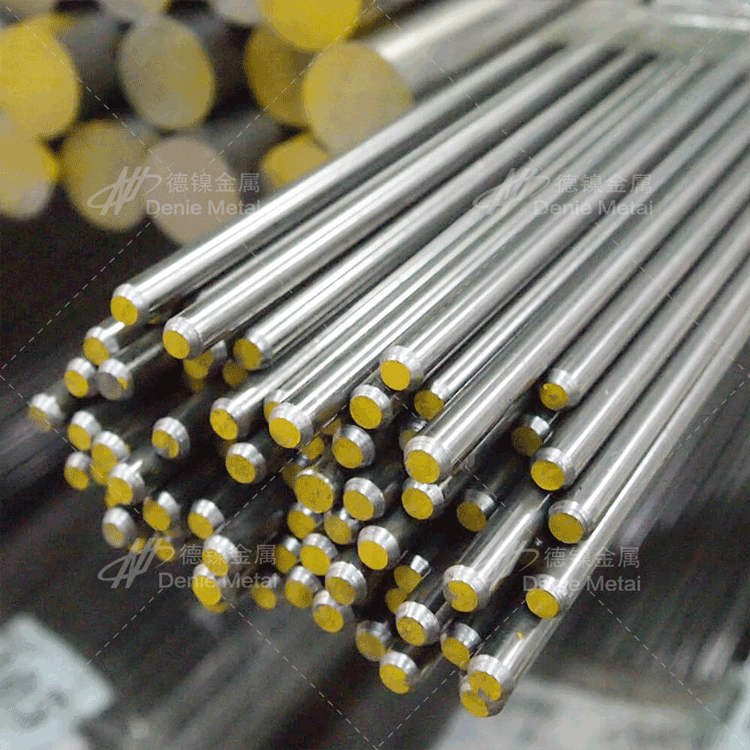
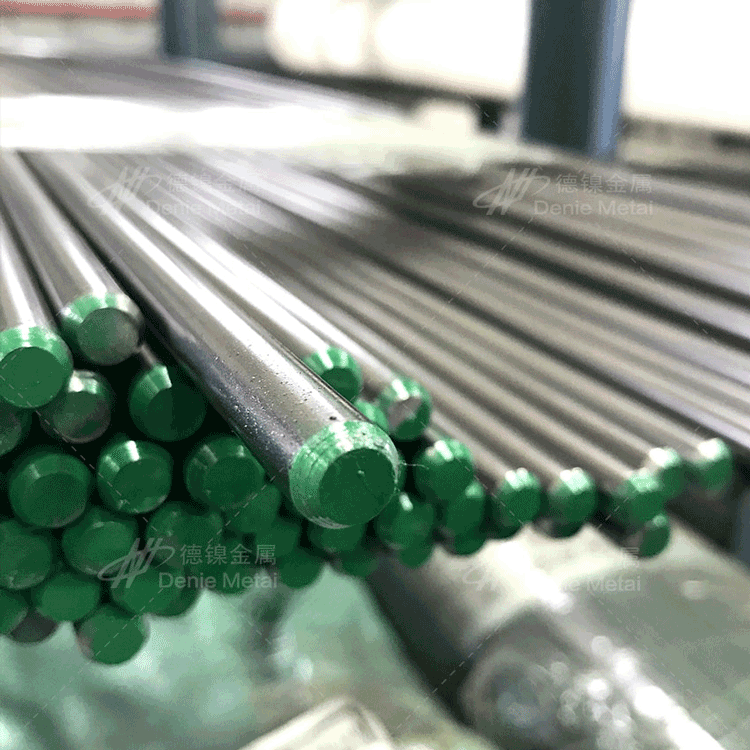
430F Grinding Rod

How is the afterheat processing handled for the 430F grinding rod?
Heat treatment by casting residual heat refers to the process of rapidly cooling stainless steel castings to an appropriate quenching medium after the forming technology has developed, when the temperature is higher than the ambient temperature, to increase the ability to obtain a martensitic or Bainitic structure.
After heat quenching and high-temperature tempering, the strength and hardness of stainless steel forgings are generally higher than those of conventional tempering, with slightly lower ductility and tolerance. During castings' residual heat quenching, using a higher tempering temperature results in equal or slightly higher ductility and wear resistance compared to normal quenching. Casting and heat quenching treatments under good ductility and tolerance conditions can significantly increase the strength and hardness of the forgings.
When heat treating stainless steel through isothermal tempering, the air must be cooled to maintain a time less than the higher value, and accelerate the cooling rate in the tempering chamber.
询价单


