



- AllProduct Category
-
Stainless Steel Rods/Grinding Rods
Austenitic Stainless Steel
Martensitic Stainless Steel
Sintered Hardening Steel
Duplex Stainless Steel
High-Temperature Alloys
Aluminum Plate Series





详情描述
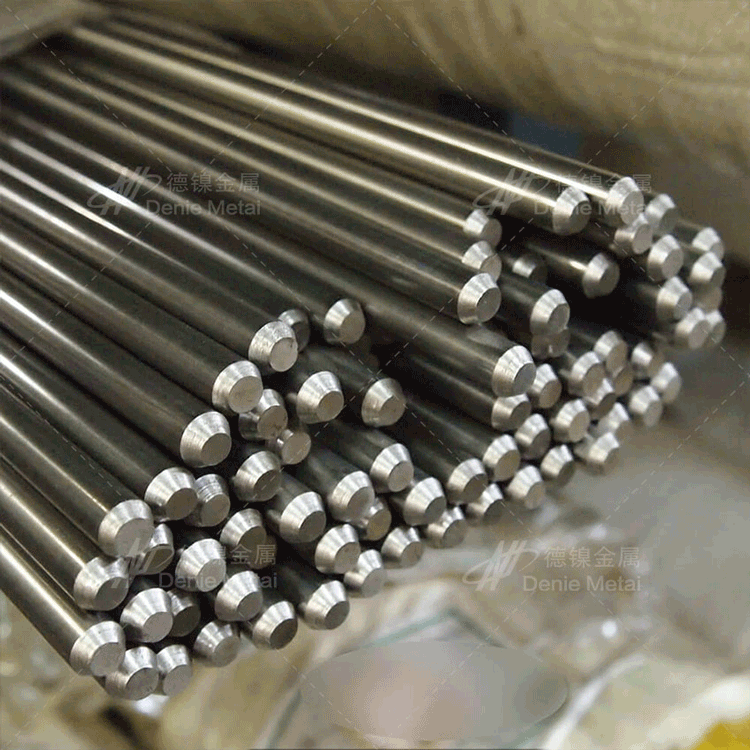
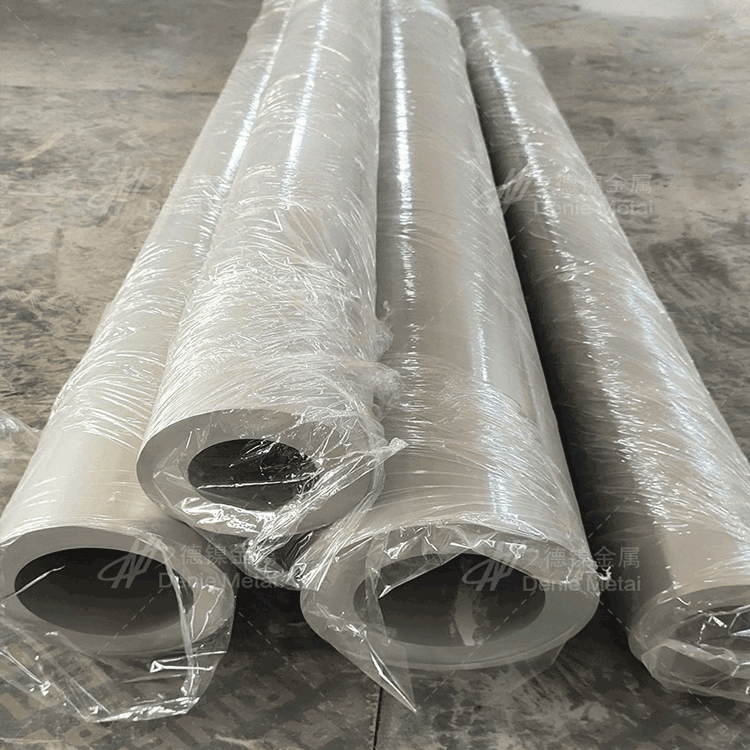
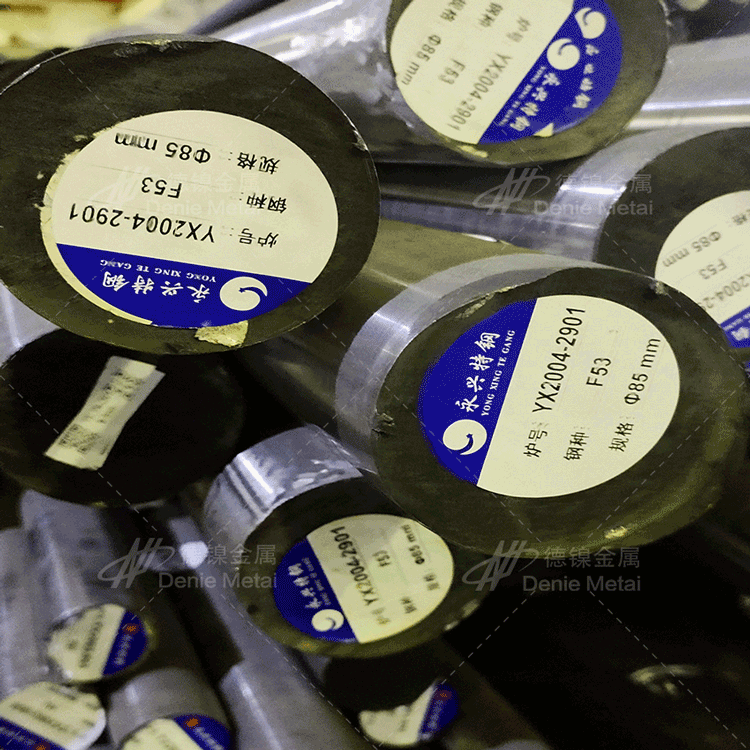
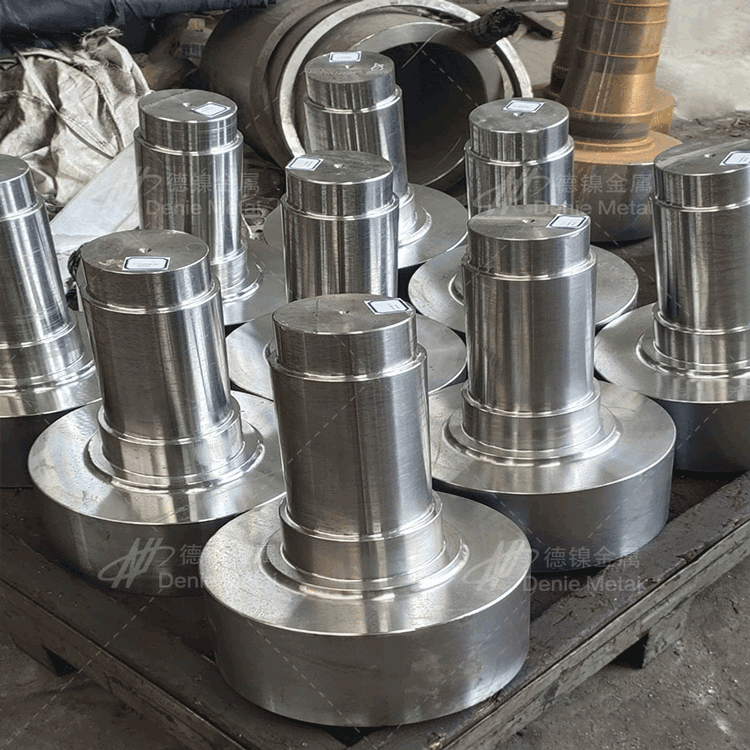
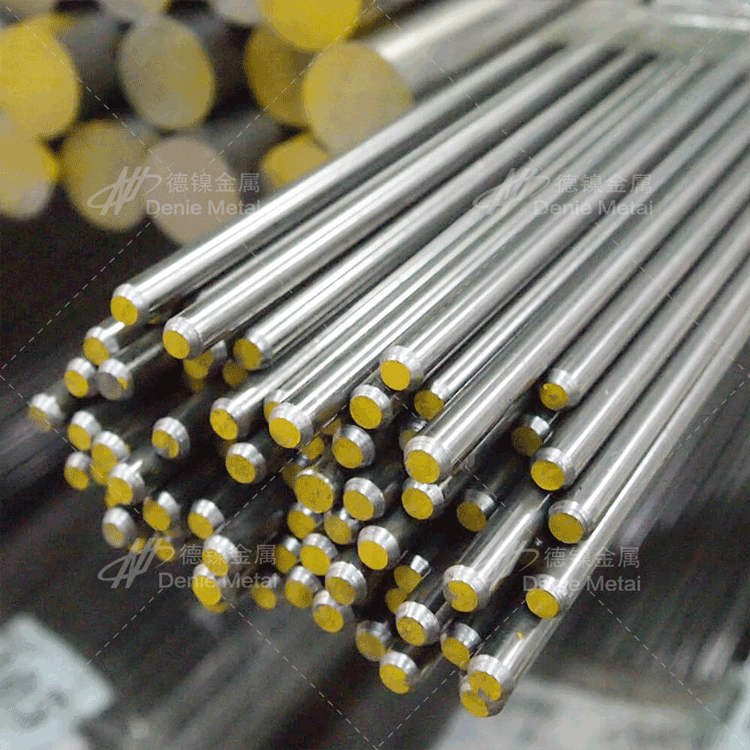
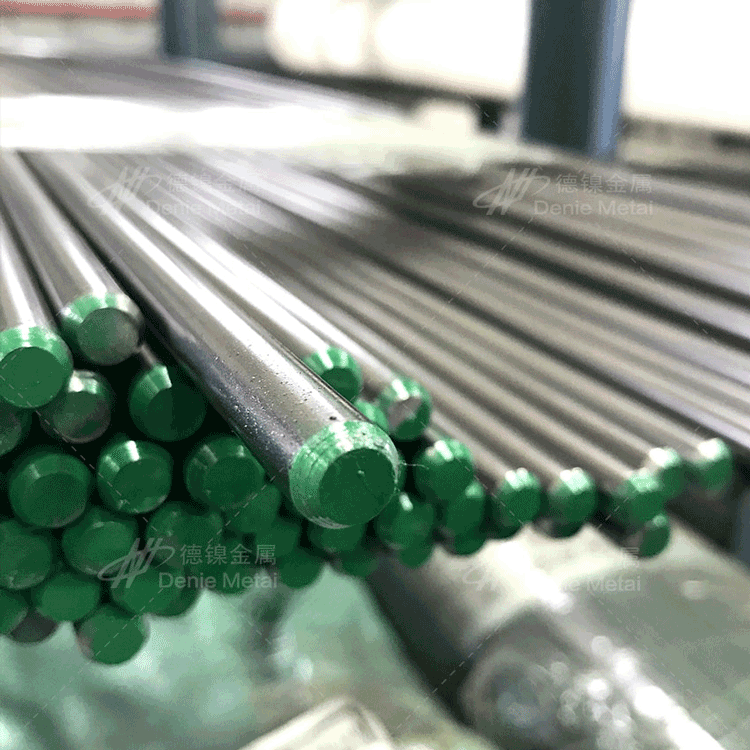
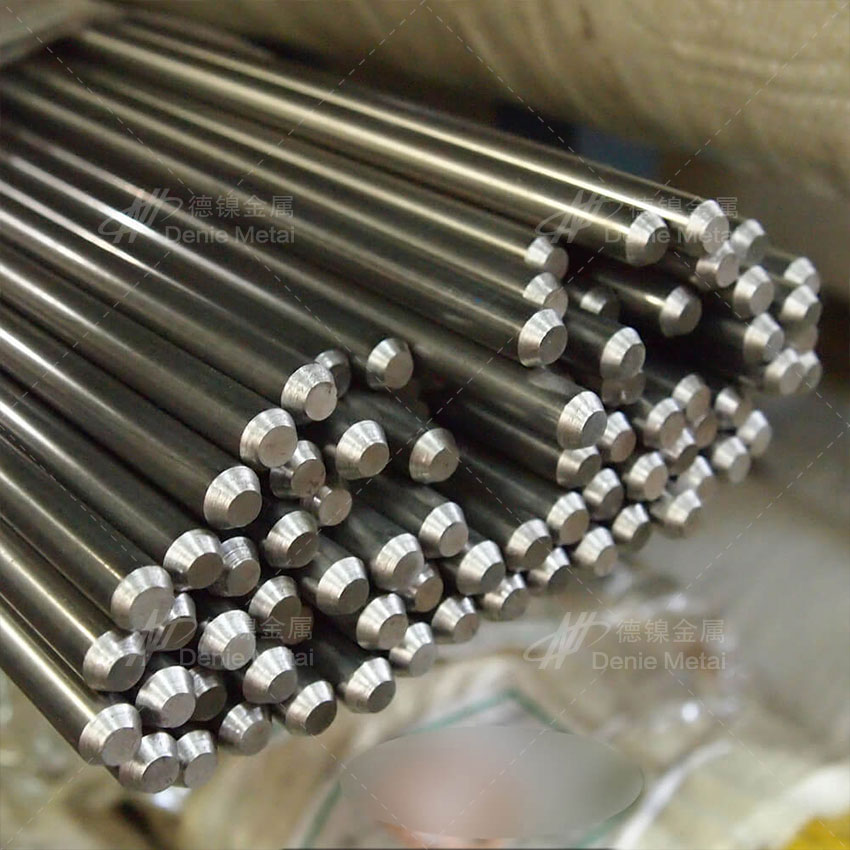
430F stainless steel bar
Product Overview
430F stainless steel is a type of steel that adds machinability to the 430 grade. It is used in automatic lathes, bolts, nuts, and more. 430LX, added with Ti or Nb to the 430 steel and reducing the carbon content, improves machining and welding properties. It is used for hot water tanks, hot water systems, sanitary fixtures, durable household appliances, bicycle flywheels, and more.
Material Number: 1.4104
Grade: X12CrMoS17
Standard: DIN 17400
Features and Applications
X12CrMoS17, German stainless steel. Equivalent to China's Y1Cr17, U.S. grade is S43020, 430F, and French grade is Z10CF17.
Mechanical properties
Tensile Strength σb (MPa): ≥450
Condition Yield Strength σ0.2 (MPa): ≥205
δ5 elongation (%): ≥22
Section shrinkage rate ψ (%): ≥50
Hardness: ≤183HB
Heat Treatment Specifications: Annealing at 680~820℃ followed by air cooling or slow cooling.
Metallographic Structure: Characterized by ferritic structure.
Chemical Composition (%)
C :≤0.12
Si :≤1.00
Mn :≤1.25
P :≤0.060
S :≥0.015
Cr :16.00~18.00
Mo :≤0.60
Ni :≤0.60
As everyone knows, stainless steel bars can be bent, welded, cut, sawed, and undergo a series of operations. Now, does this processing affect the surface of the bars themselves? This is likely a point of concern for many. Below is a brief introduction to some situations encountered during the welding processing of stainless steel bars:
Stainless steel bars are prone to passivation corrosion during welding. When heated to temperatures within the sensitization range of stainless steel during welding, supersaturated carbon in the material precipitates first at grain boundaries, forming chromium carbide in conjunction with chromium. At this point, carbon diffuses more rapidly within the austenite than chromium, leaving insufficient time for chromium to replenish the grain boundaries lost due to the formation of chromium carbide. Consequently, the chromium content at the grain boundaries decreases continuously as chromium carbide precipitates, creating so-called chromium-poor zones, which weaken the electrical pad and reduce the corrosion resistance of the passivation layer. Contact with corrosive media such as Cl- in the medium can lead to microbattery corrosion. Although the corrosion is only on the grain surface, it penetrates deeply to form intergranular corrosion. This is particularly evident in the welding treatment areas of most stainless steel bars.
询价单


