

- AllProduct Category
-
Stainless Steel Rods/Grinding Rods
Austenitic Stainless Steel
Martensitic Stainless Steel
Sintered Hardening Steel
Duplex Stainless Steel
High-Temperature Alloys
Aluminum Plate Series





详情描述
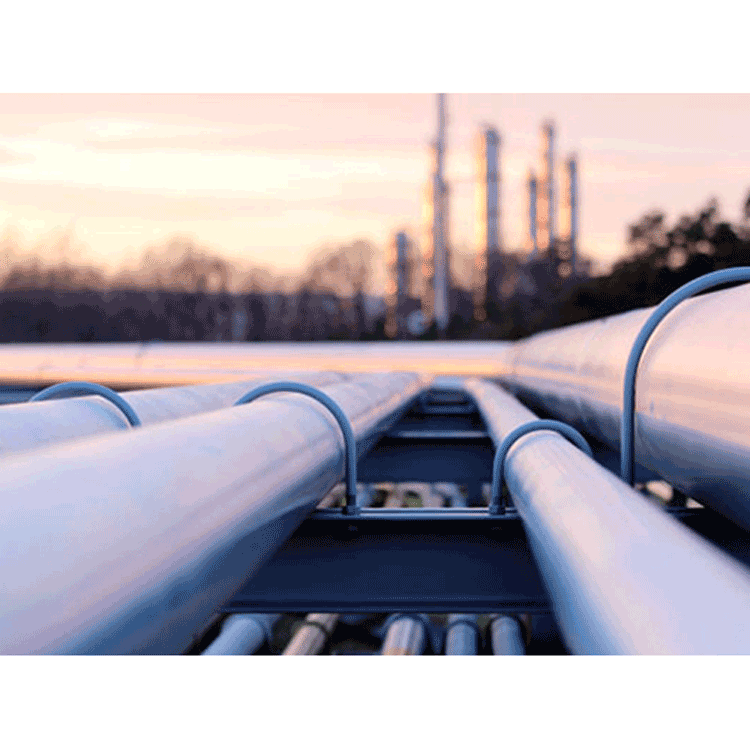
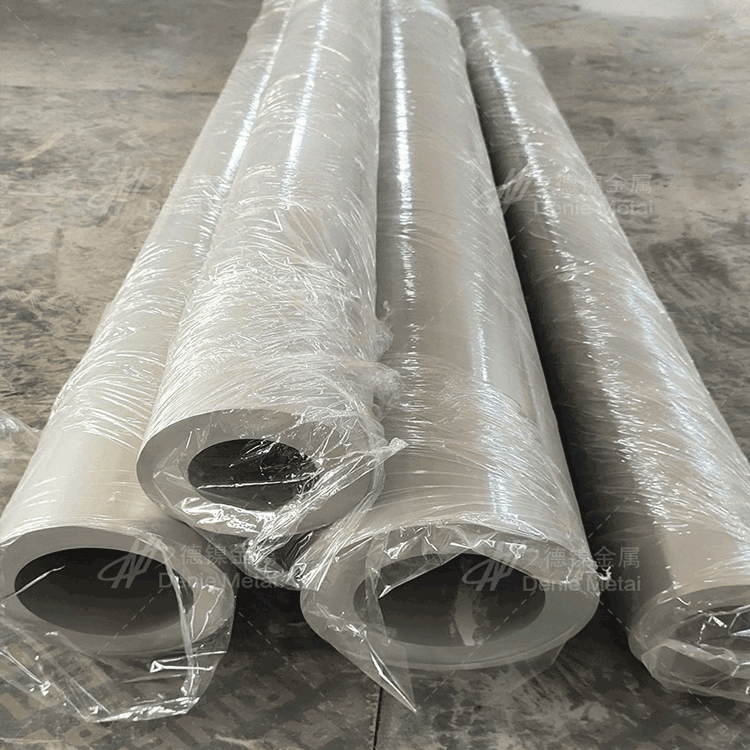
2507 Stainless Steel Pipe/Sheet
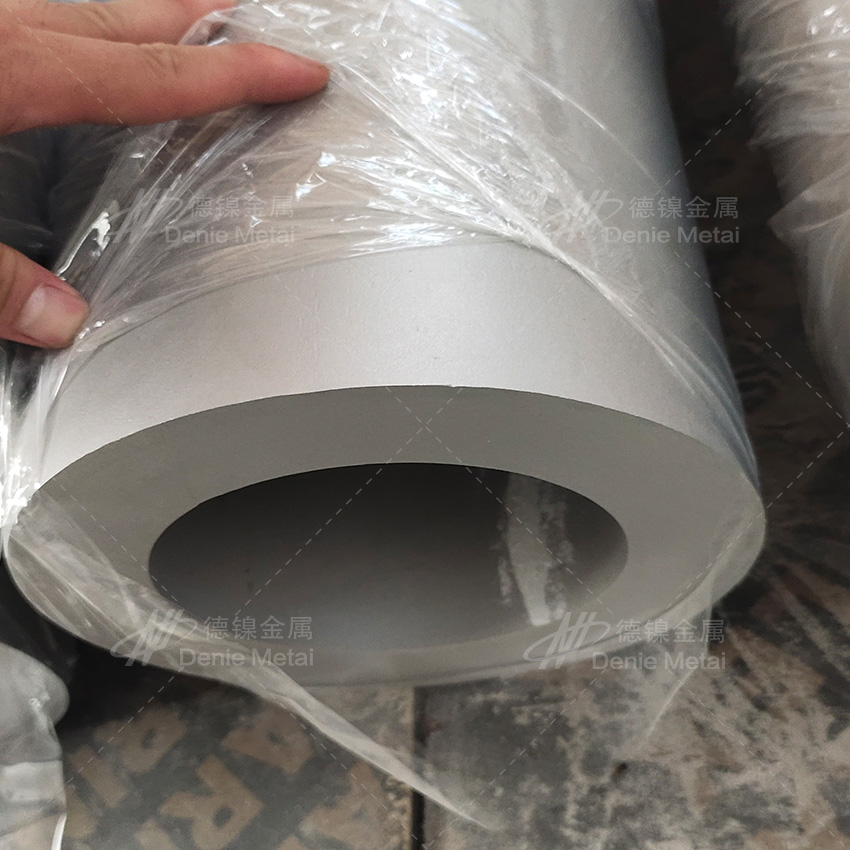
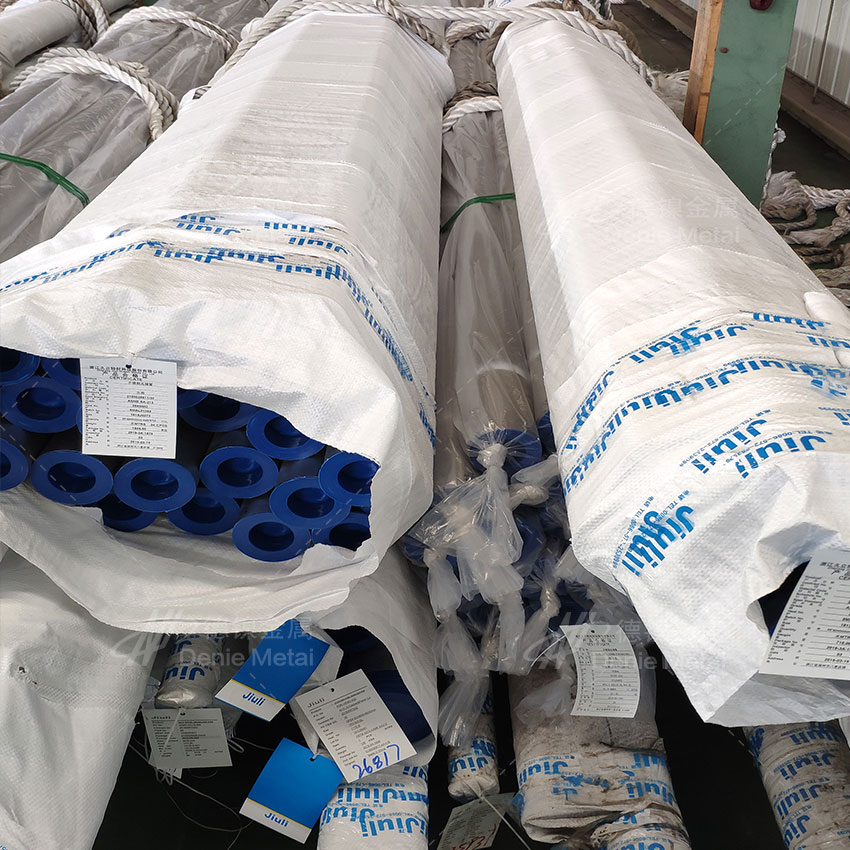
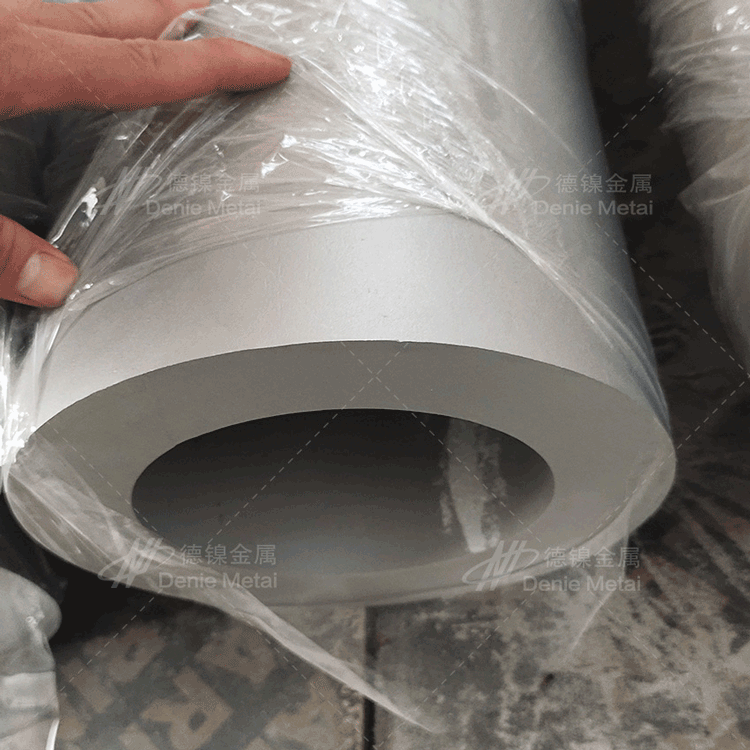
2507 Steel Pipe 2507 Stainless Steel Pipe
Product Description
2507 stainless steel is a dual-phase stainless steel containing 25% chromium, 4% molybdenum, and 7% nickel, specifically designed for demanding applications requiring strength and corrosion resistance, such as chemical processes, petrochemicals, and seawater equipment. This steel boasts excellent resistance to chloride stress corrosion cracking, high thermal conductivity, and low coefficient of thermal expansion. The high levels of chromium, molybdenum, and nitrogen contribute to superior resistance to pitting, crevice, and general corrosion.
Application Fields
Petroleum and Natural Gas Industrial Equipment
Offshore Platforms, Heat Exchangers, Process and Service Water Systems, Fire Protection Systems, Ballast and Freshwater Systems
Chemical Process Industry, Heat Exchangers, Vessels, and Pipes
Desalination plants, high-pressure reverse osmosis units, and seawater pipelines
Mechanical and structural components, high-strength, corrosion-resistant parts
Power industry FGD systems, utility and industrial washer systems, absorption towers, pipelines, etc.
Corrosion resistance
General Corrosion: The high chromium and molybdenum content of 2507 makes it resistant to uniform corrosion by organic acids such as formic acid and acetic acid. 2507 also exhibits excellent resistance to corrosion by inorganic acids like sulfuric acid, especially chlorinated acids.
Chloride contamination in dilute sulfuric acid: In dilute sulfuric acid containing chloride ions, the corrosion resistance of 2507 is superior to that of 904L, the latter being a highly alloyed austenitic stainless steel grade specifically designed to resist pure sulfuric acid.
Hydrochloric Acid: Grade 2507 can be used in dilute hydrochloric acid, while 316L stainless steel (2.5% molybdenum) cannot be used due to the risk of localized and uniform corrosion. However, in the area below the image, pitting corrosion is not a concern, but gaps must be avoided.
Mechanical properties
2507 combines high tensile strength, high impact strength, low coefficient of thermal expansion, and high thermal conductivity. These properties are suitable for many structural and mechanical components. The low, room temperature, and high temperature mechanical properties of 2507 sheet are as follows. All displayed test data apply to samples that have been solution treated and quenched.
2507 is not suitable for applications requiring long-term exposure above 570°F, as it may reduce toughness. The values listed here are typical for forged products; unless specified otherwise, they should not be considered as max or min values.
Hot processing
Heat treatment should be conducted between 1875°F and 2250°F for 2507. Subsequently, an annealing process of at least 1925°F should be performed, followed by a rapid air or water quenching.
Cold working
Most common stainless steel forming methods can be used for cold working 2507. Compared to austenitic stainless steel, this alloy has higher yield strength and lower ductility, so manufacturers may find that they need greater forming force, increased bending radius, and increased springback allowance. Deep drawing, stretching forming, and similar processes are more difficult with 2507 than with austenitic stainless steel. It is recommended to perform solution heat treatment and quenching when the forming requires more than 10% cold deformation.
Heat Treatment
2507 should undergo solution heat treatment and quenching after hot or cold forming. The solution heat treatment temperature should be at least 1925°F. Quenching in air or water should be immediate after the annealing process. To achieve high corrosion resistance, the heat-treated products should be pickled and flushed.
询价单


