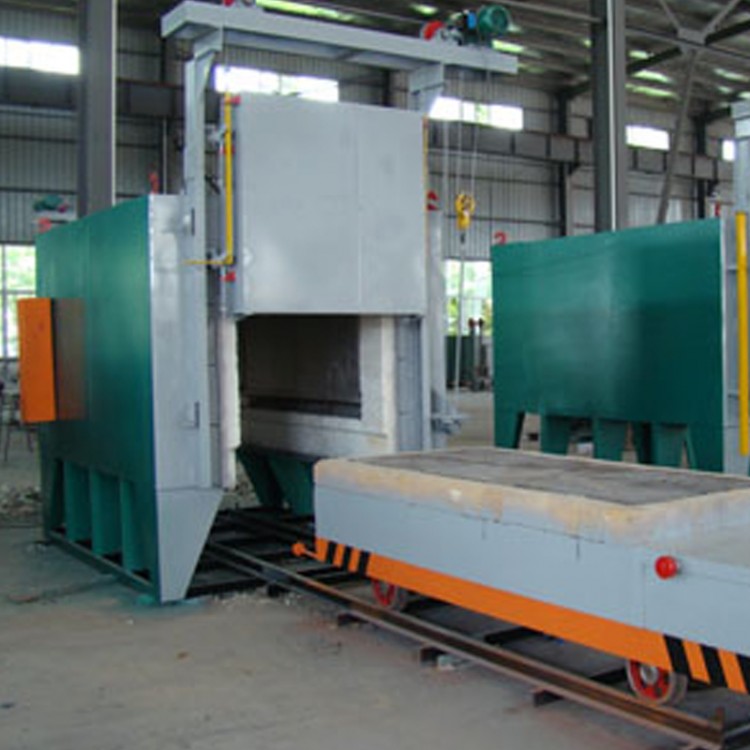
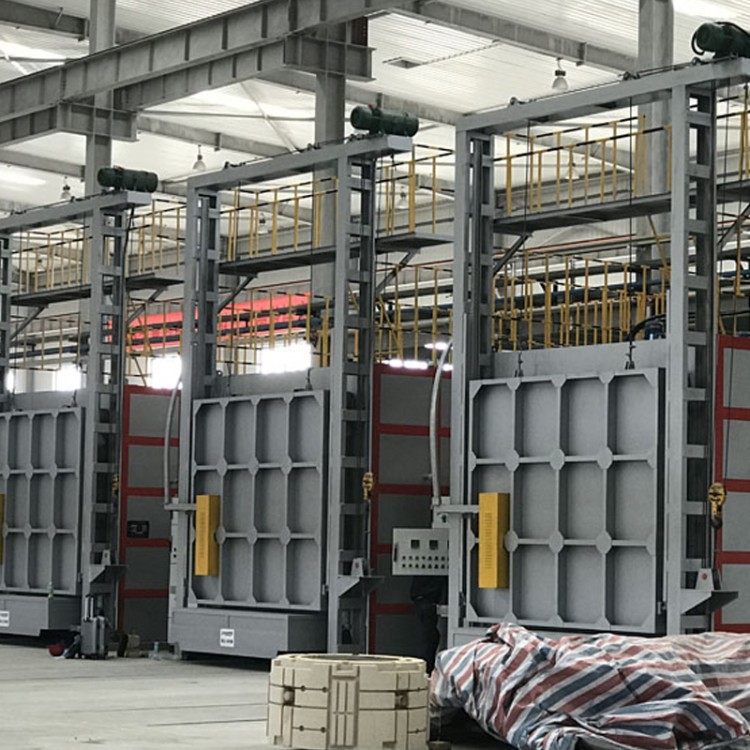
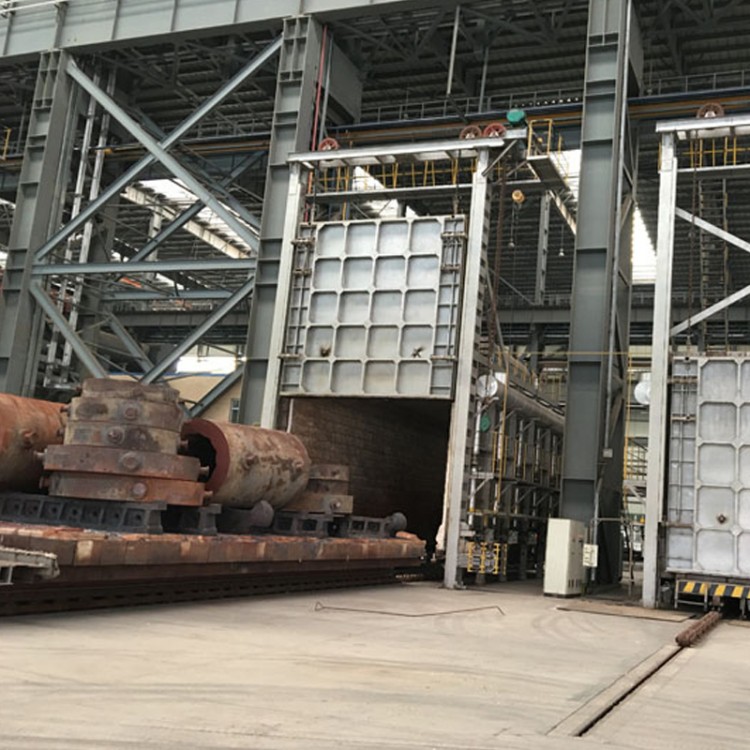
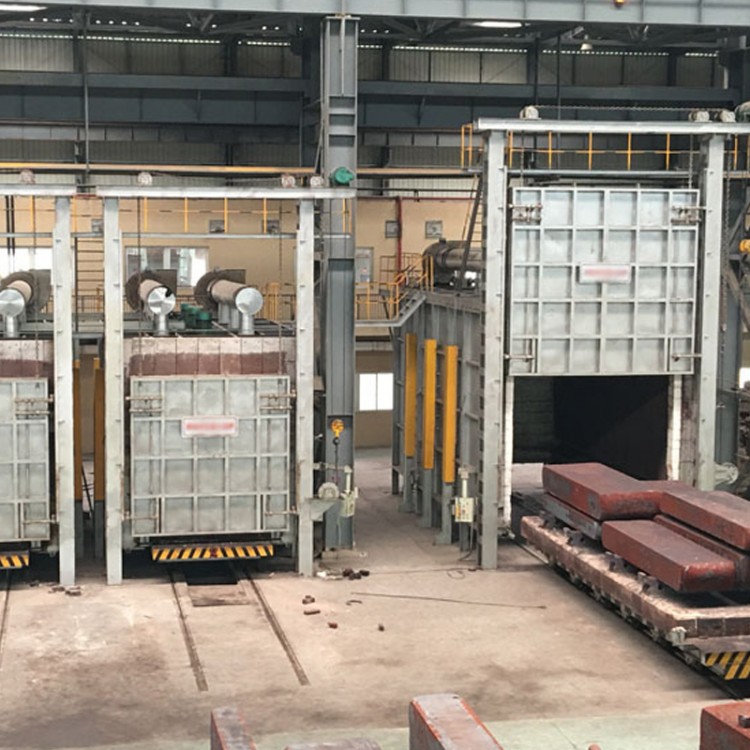
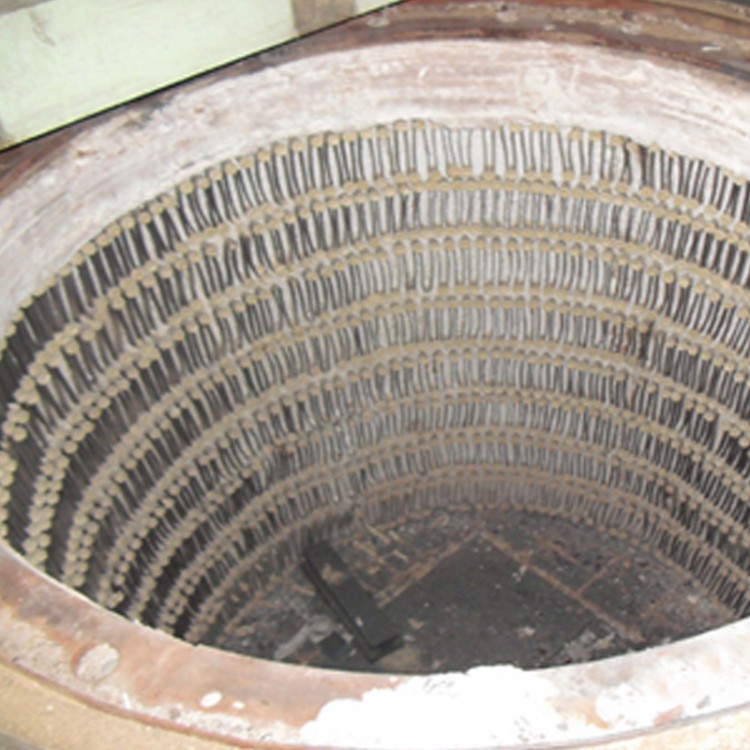
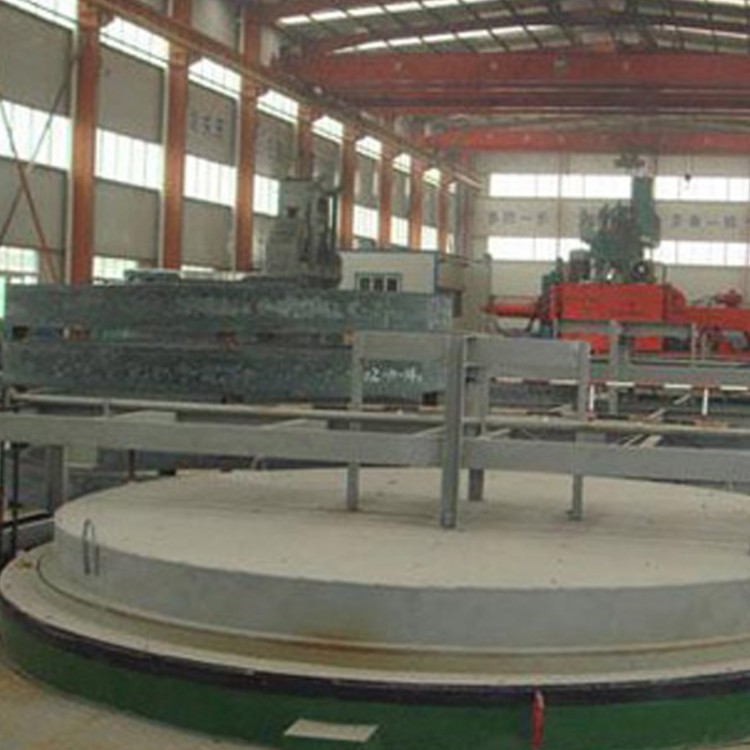
Trolley furnace, pit furnace, hood furnace, box furnace, ...

Box quenching furnaces, also known as hard mold forging or durable forging, involve pouring molten aluminum alloy into a metal mold to obtain castings. These furnaces often use metal cores, but can also employ sand cores or shell cores. Compared to pressure forging, the metal molds in aluminum alloy melting furnaces have a longer service life.
Forge Strengths
Advantages
Metal molds offer faster cooling rates, resulting in finer casting grain structure and enabling heat treatment for strengthening. The mechanical properties are up to 15% higher than those of sand mold forgings.
Box-type quenching furnace, castings have stable quality and superior surface roughness compared to sand mold forging, with a low rate of defective products.
Excellent working conditions, high productivity, and easy-to-learn for workers.
(2) Drawbacks
Metallic heat conductive coefficient is high, with poor filling capability.
Metallic bodies are non-permeable. It is necessary to adopt corresponding measures to effectively exhaust gases.
Metal is non-retractile and prone to cracking and deformation during solidification.


b2b.china9.net © Zhongshang 114 Hebei Network Technology Co., Ltd.Address: Room 6009, Oriental New World Center, No.118 East Zhongshan Road, Qiaoxi District, Shijiazhuang City, Hebei ProvincePlatform Service Hotline: 4006299930