


- AllProduct Category
-
Air-to-Water Heat Pump Unit
Fuel/Gas Steam Generator
Electric Steam Boiler
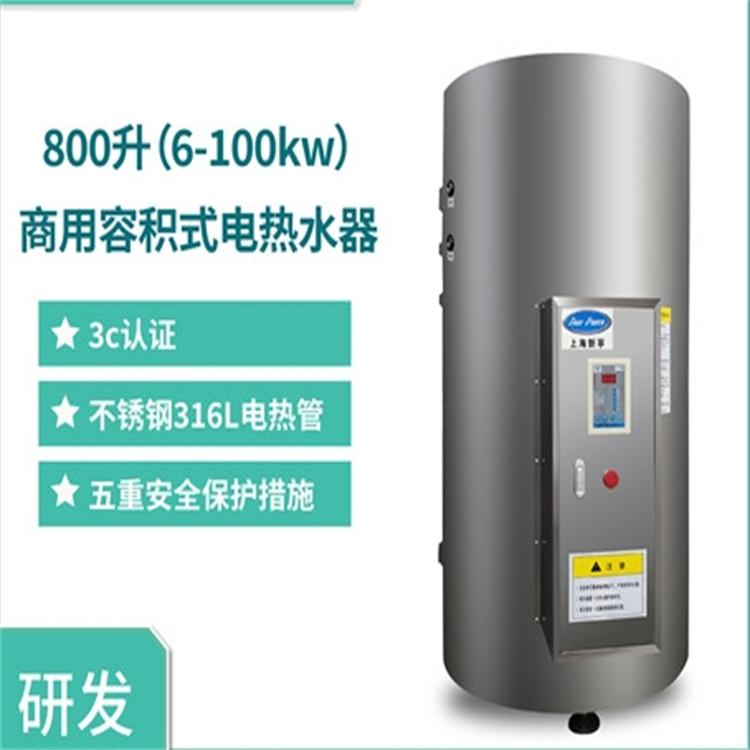
Electric Water Heater



详情描述
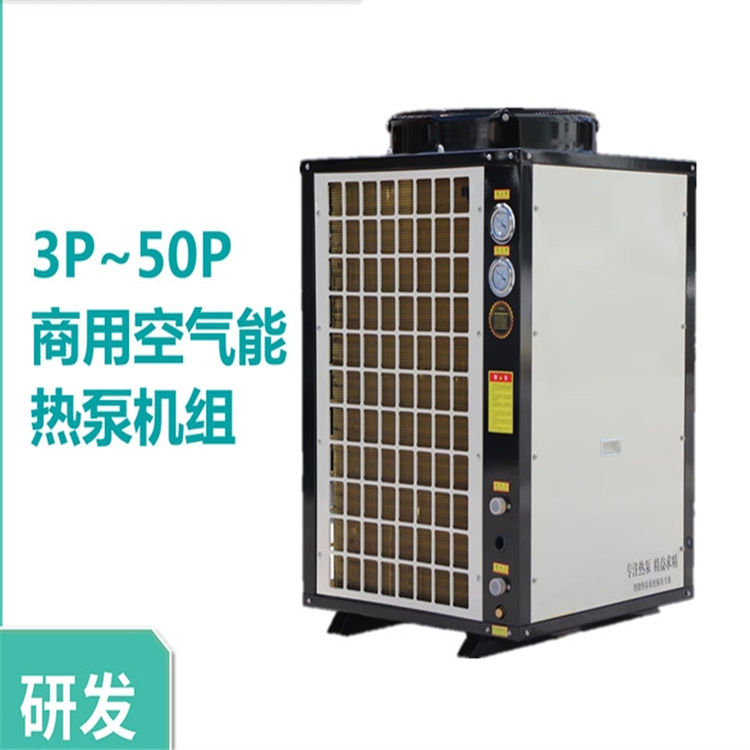
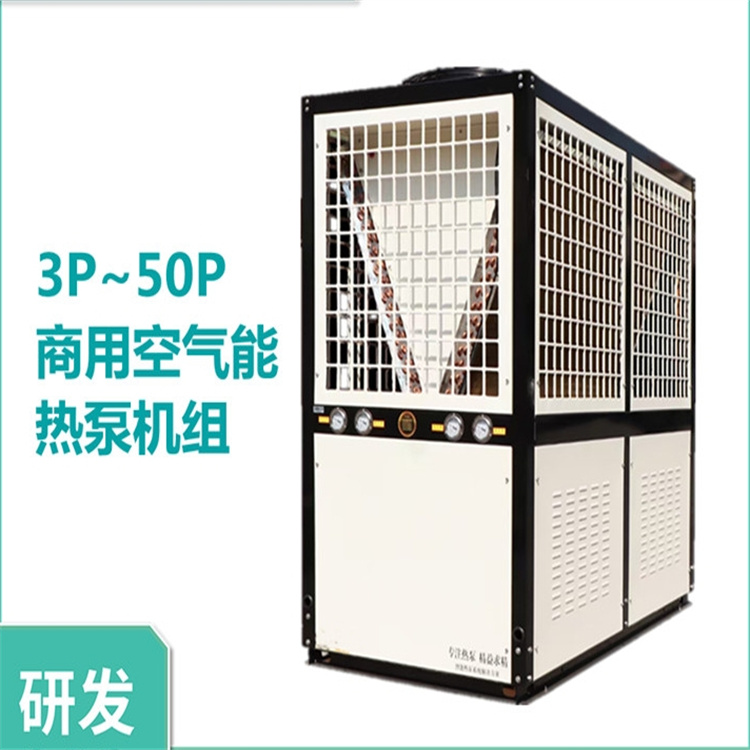
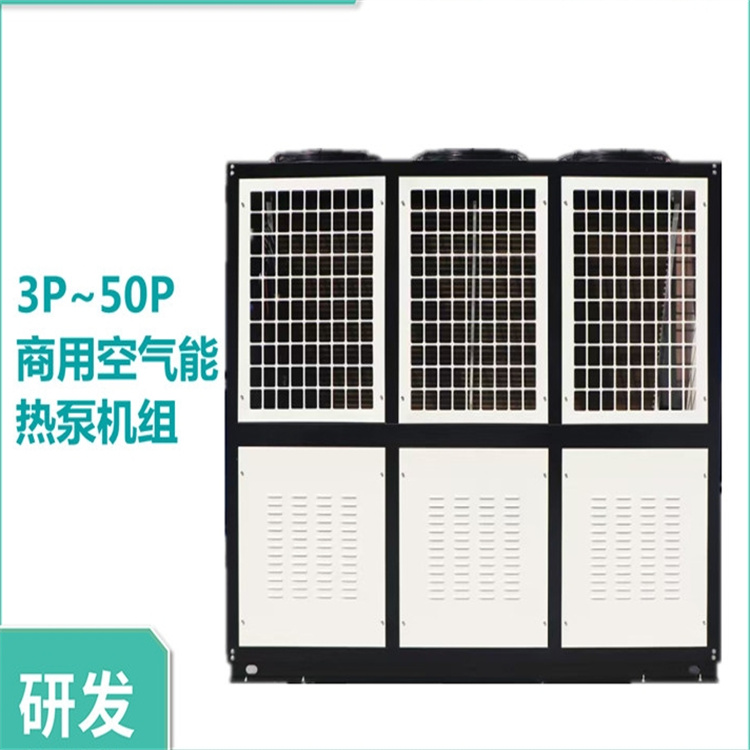
Factory supplies 20P air-source heat pumps for backup coal-to-electricity heating in factory guesthouses.
Operating Principle
A complete integrated air-source heat pump water heater consists of two main parts:
Manufacture the cooling section and the heating hot water section. However, these two sections are closely interconnected and inseparable, requiring simultaneous operation. This means cooling the kitchen while heating the hot water, or vice versa, heating the hot water while cooling the kitchen.
The internal structure is primarily composed of four core components: compressor, condenser, expansion valve, and evaporator.
The process works as follows: The compressor compresses the low-pressure refrigerant, converting it into a high-pressure, high-temperature gas. This gas then flows through copper tubes wrapped around the outside of the water tank, transferring heat to the tank's interior. The cooled refrigerant, under continuous pressure, becomes liquid. After passing through an expansion valve, it enters the evaporator. Due to the sudden drop in pressure in the evaporator, the liquid refrigerant rapidly evaporates into a gas, absorbing a large amount of heat. Simultaneously, the fan forces a large volume of air to flow over the exterior surface of the evaporator, with the evaporator absorbing the air's energy, causing the air temperature to drop rapidly and become cold air, which is then expelled into the kitchen. The refrigerant, having absorbed a certain amount of energy, returns to the compressor to begin the cycle anew.
The working principle of the integral air-source heat pump water heater is somewhat similar to that of air conditioners, utilizing the reverse Carnot cycle. It absorbs a large amount of low-temperature heat energy from the air, compresses it by the compressor into high-temperature heat energy, and transfers it to the water tank to heat the water. The entire process is a transfer of energy (from the air to the water) rather than a conversion process; it does not heat the water using electrical heating elements or by burning combustible gases.
Air Source Heat Pump Technology
A heat pump water heater is a new type of hot water and heating pump product that can replace boiler heating equipment and hot water systems. Compared to traditional solar energy, the heat pump water heater can not only absorb heat from the air but also from solar energy. By absorbing heat through the temperature difference of the refrigerant and then heating through compression by the compressor, the heat pump water heater exchanges heat with water, significantly improving thermal efficiency and fully utilizing new energy sources. It combines the respective advantages of electric water heaters and solar water heaters.An integrated new type of water heater. Currently, there are three types of heat pump water heaters: air-source heat pump, water-source heat pump, and solar type, which are among the equipment for exploring and utilizing new energy sources.
Air-source heat pumps are one of today's products worldwide. They use refrigerant as a medium to absorb energy from the air in the fan coil. After being compressed into heat by the compressor, the heat is transferred to water through an exchanger to produce hot water. This hot water is then circulated through a water circulation system to the user's radiators for heating or used directly for hot water supply.
Development of Air Source Heat Pumps
Heat pump technology, since its invention in 1924, was not fully recognized and utilized by humans for a long time. Heating was still relying on traditional methods like gas or electric heating, as they were simpler and more direct. However, it was only after the energy crisis of the 1960s that it received due attention. With the continuous development of the global economy, it's crucial to leave energy and energy resources for future generations. Therefore, countries around the world have been increasing their research and development efforts, promoting heat pump technology. As a result, heat pump technology is now widely used.
Advantages of Heat Pump Products Over Boilers
High thermal efficiency: The product's average thermal efficiency exceeds 300% annually, whereas the boiler's efficiency does not surpass90%。
2. Low operational costs: Compared to fuel and gas boilers, it can save an average of 70% of energy throughout the year. With the decline in electricity prices and the rise in fuel costs, the advantages of low operational costs become more and more prominent.
3. Environmental Protection: Heat pump products have no combustion emissions, and environmentally friendly refrigerants are used.
4. Safe Operation, Unattended: Safer in operation than fuel boilers and fully automated, requiring no staff presence.
Advantages of heat pumps compared to solar products
Broad application range; products are suitable for temperatures between -10℃ and 40℃; usable all year round,不受恶劣天气如阴雨雪的影响,and operates normally during winter nights.
2. The heat pump products can provide continuous heating, offering a steady supply of hot water without interruption, compared to traditional solar water heating systems, meeting the needs of users.
3. Low operating costs: Compared to conventional solar energy, the operational cost is higher during spring, summer, autumn, and winter when sunlight is abundant. However, during cloudy days and at night, the thermal efficiency is significantly higher than that of solar energy with electric auxiliary heating. On average throughout the year, the energy consumption of the conventional solar assistance system is much higher than the total annual energy consumption of the product.
4. Easy Installation: The air-source heat pump occupies minimal space, with an exterior similar to an air conditioning outdoor unit. It can be directly connected to an insulated water tank or heating network, suitable for high-rise buildings in large and medium-sized cities, addressing large-scale heating needs.
The Difference Between Heat Pump Products and Solar Products
In terms of working principle, it does not belong to traditional solar energy products. Heat pump products differ significantly from conventional solar energy products. Common solar products use water as the medium and rely on direct sunlight or radiation to achieve heating effects. This product, however, absorbs heat energy from the air and solar radiation using refrigerant, compresses it with a compressor to generate heat, and then exchanges heat with water to achieve the heating effect, thus sharing the same principle as air conditioning.
Air-source Hot Water GeneratorSix Key Advantages:
1)Safety
It eliminates the safety hazard of electric leakage compared to electric water heaters, and there's no risk of gas leakage or poisoning like with gas water heaters, making it safer overall.
2)Cozy
The integrated air-to-water heat pump热水器 is a storage type, with the heating function automatically activated based on the water tank's temperature, ensuring a constant supply of hot water 24/7. This eliminates the issue of not being able to meet multiple hot water demands simultaneously, as with gas water heaters, and also avoids the problem of limited capacity in electric water heaters, where multiple people have to wait for their turn to shower. It provides instant hot water, with a large flow rate and stable temperature, meeting all your expectations for hot water.
3)Save money
Due to its electricity consumption being only a quarter of that of an equivalent electric water heater, using a full-air energy water heater requires just one-fourth the electricity for the same amount of hot water. For a family of four, with an average daily hot water usage of about 200L, using an electric water heater would cost around 4 yuan per day, whereas a full-air energy water heater would only cost about 1 yuan per day, saving approximately 1,000 yuan in electricity bills annually.
4)Kitchen Refrigeration
This is a significant advantage; regular water heaters (such as electric, gas, and solar water heaters, etc.) do not have refrigeration capabilities. If additional refrigeration is needed in the kitchen, a kitchen air conditioner must be purchased. Since the kitchen is a special environment with oil and smoke, the kitchen air conditioner is different from a standard one, and it's also much more expensive (usually over 4,000 yuan).
5)Green and eco-friendly
A heat pump is a mechanical device that uses artificial technology to convert low-temperature thermal energy into high-temperature thermal energy, thereby achieving heating effects. It absorbs thermal energy from a low-temperature heat source (such as natural air from the surrounding environment, groundwater, river water, seawater, wastewater, etc.) and has almost no impact on the environment, making it a truly eco-friendly water heater.
6)Low-carbon Fashion
In an era where energy conservation and carbon reduction have become a trend, a lifestyle that saves energy and cuts carbon emissions is essential. As previously mentioned, the integrated air-source heat pump water heater operates on the reverse Carnot principle, transferring energy from the air to the water, not by direct electric heating elements. Therefore, its energy efficiency can reach four times that of an electric water heater. That is, heating an equivalent amount of hot water consumes only a quarter of the electricity used by an electric water heater, significantly reducing electricity consumption. In China, 70% of electricity is generated by coal-fired power plants, so saving electricity means reducing carbon emissions.
Product Features: Air Source Hot Water Generator
(1) Small land area requirement
Multiple V-type machines can be installed side by side, requiring less floor space compared to flat machines.
(2) Operation Silent
Utilizing low-speed, large-diameter fans to minimize operational noise during high airflow operation.
(3) High heating capacity
High heating capacity, high energy efficiency ratio, easily achieving a second-level energy efficiency ratio.
(Maintenance-friendly)
The unit structure is rational and employs an independent control system, facilitating the detection and routine maintenance of the unit.
(V) Simple control
Can be controlled via a 485 communication interface and touchscreen, along with Modbus communication protocol control, and can easily be connected to other control systems.
(Six) Flexible combinations
Can be assembled in single-module or multi-module configurations. A single-module setup consists of up to 5 modules, 125 horsepower, and a heating capacity of 425 kW; a multi-unit configuration can involve up to 16 units, achieving a heating capacity of 6800 kW, suitable for large venues.
Regular inspections and maintenance
Any issue with a component of a device can affect its normal operation.
Regularly inspect the electrical connections and system of the air-source heat pump water heater for tightness and any abnormal operation of electrical components. In case of any issues, timely maintenance and replacement are required. Check if the pump and waterway valves are functioning properly, and if there are any leaks in the water pipes and joints.
And, it is essential to regularly inspect the water system's补水 (top-up), safety valves, level controllers, and exhaust devices to ensure they are functioning properly. This is to prevent air from entering the system, which could reduce the water circulation volume and consequently affect the heating capacity of the unit and the reliability of its operation.
During operation and maintenance, all safety devices and system settings within the unit should be kept as per the factory settings; do not adjust them manually.
Regular system cleaning
During operation, we should regularly clean the unit's waterway filter to ensure the water quality within the system remains clean, thus avoiding impurities in the water from affecting the normal operation of the entire equipment and causing damage.
Regularly inspect the operational status of the unit's components, check for oil residue on the internal pipeline joints and inflation valves, and ensure there are no leaks in the refrigerant.
It is recommended to clean the condenser with a descaling agent annually, operating the pump for 3 hours, followed by rinsing with tap water three times. Corrosive cleaning agents are prohibited for cleaning the condenser.
Keep dry and well-ventilated
During operation, do not pile items around the unit to avoid blocking intake and exhaust airways. Moreover, ensure the unit is kept clean and dry at all times; prolonged moisture can damage components and affect the unit's operation.
Also, be sure to clean the air-side heat exchanger regularly, every 1-2 months, to prevent clogging from prolonged use, which can degrade the air-source heat exchanger's performance and affect heat exchange efficiency during daily use.
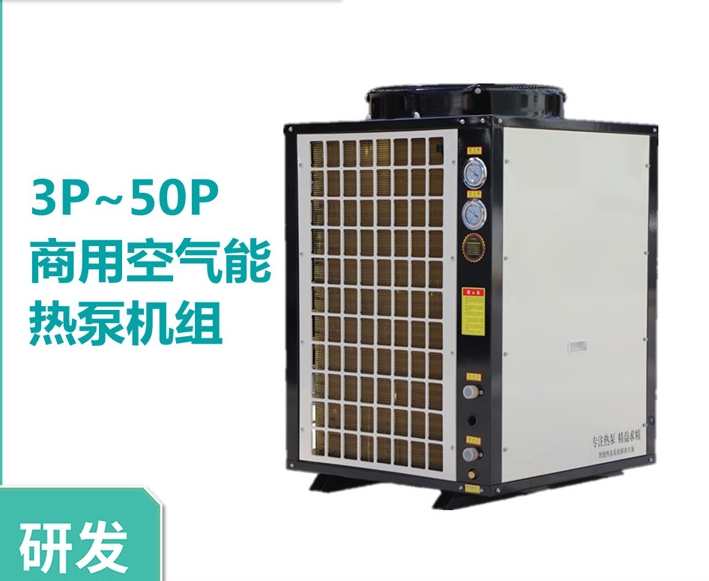
Factory supplies backup 20P air-source heat pumps for coal-to-electric heating in factory guesthouses
询价单


