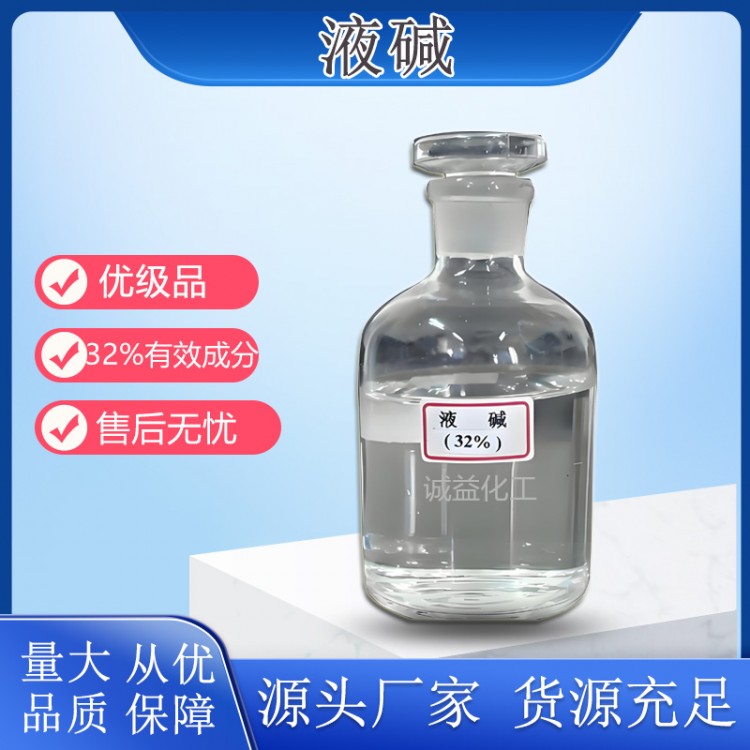
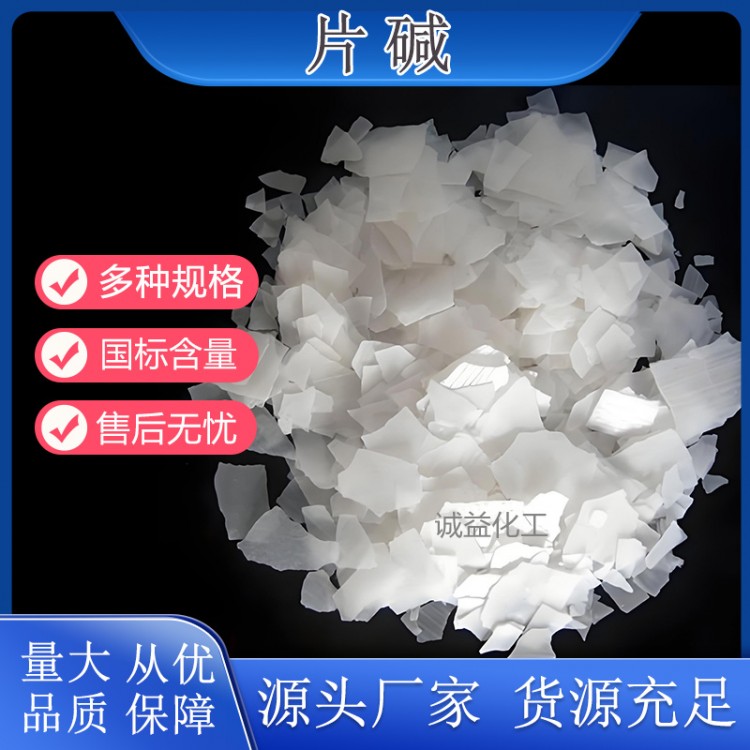
Lye, 1,4-Butanedione, Propylene Oxide


Product Recommendation
Types and Characteristics of Kitchen Fuel Oils
Plant Oil Fuel
Biofuel Defined & Ingredients: Biofuels produced through esterification, primarily composed of refined vegetable oils or bio-blended oils; some vendors may use non-plant-based materials such as white oil, liquid paraffin, etc.
Advantage:
High Calorific Value: Up to 11,000 kcal/kg, superior to liquefied gas (8,000-8,500 kcal/kg).
Environmental Friendliness: Low pollution after combustion, biodegradable, and compliant with green kitchen standards.
Safety: Flash point ≥ 80°C, not classified as hazardous chemicals, with low storage and transportation risks.
Lightweight White Oil
Feature: Colorless and transparent liquid, with a high flash point (≥80℃), non-flammable by open flame, odorless and non-toxic.
Application Scenario: Commercial kitchen electric spray burners, carbon-free and odorless combustion, heat value approximately 11,000 kcal/kg.
III. Liquid Wax
Features: Similar to lightweight white oil in performance, high cost-performance ratio, calorific value of about 11,000 kcal/kg, and stable combustion.
Four: Blended Oil
Composed of: Based on white oil or liquid paraffin, blended with hydrophobic solvents, appearing in a light yellow color.
Performance: Equivalent to paraffin wax in calorific value (11,000 kcal/kg), with a non-irritating combustion odor.
Ethylene Glycol Fuel (Not Recommended)
Flaw:
Low Caloric Value: Caloric content ranges from 3,900 to 4,680 kcal/kg, with high unit energy consumption.
Economic Disadvantage: While the unit price is low, the consumption far exceeds that of vegetable oil fuel, resulting in higher overall costs.
VI. Other Fuels
Fuel: Alcoholic-based, flash point <60°C, classified as a hazardous chemical, posing incomplete combustion and pollution issues.
Diesel/kerosene: Traditional fuels that produce black smoke and harmful gases, increasingly being replaced.
Comprehensive Recommendations
Priority Selection:
Vegetable oil fuels (especially bio-mixed types) or light paraffin oil, balancing high calorific value, safety, and environmental friendliness.
Refined oil serves as an economical alternative, ideal for commercial settings with limited budgets.
Avoid using:
Ethylene Glycol and other alcohol-based fuels, due to their low energy efficiency and significant safety hazards.
Traditional diesel, kerosene, and other polluting fuels.
The current mainstream kitchen fuel oils are primarily plant-based and mineral-based (such as white oil), and it is necessary to choose clean energy with high calorific value and low risk based on actual needs.


b2b.china9.net © Zhongshang 114 Hebei Network Technology Co., Ltd.Address: Room 6009, Oriental New World Center, No.118 East Zhongshan Road, Qiaoxi District, Shijiazhuang City, Hebei ProvincePlatform Service Hotline: 4006299930